Español
 العربية
 Francés
 Русский
 Português
 Deutsch
 Italiano
 Kazakh
 Uzbek
Uzbek

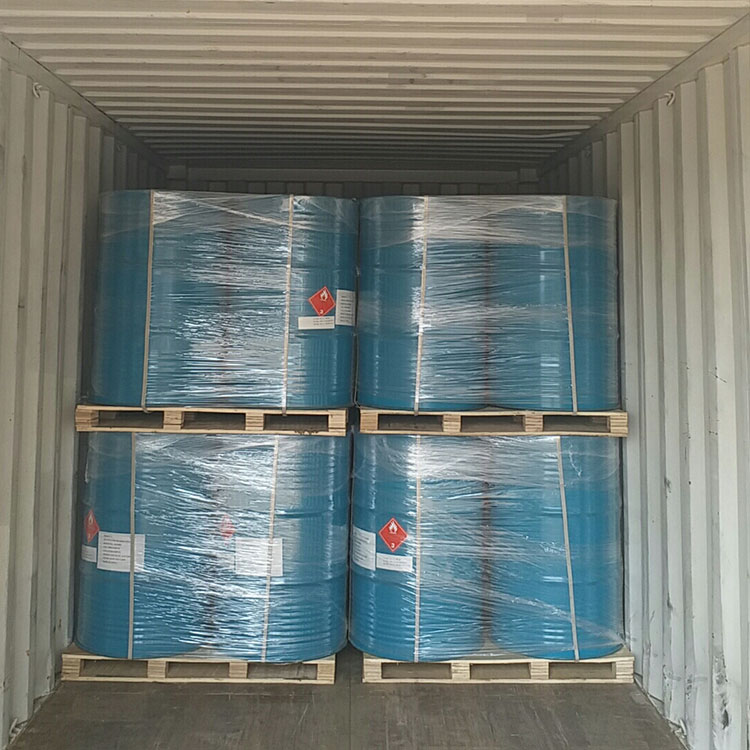
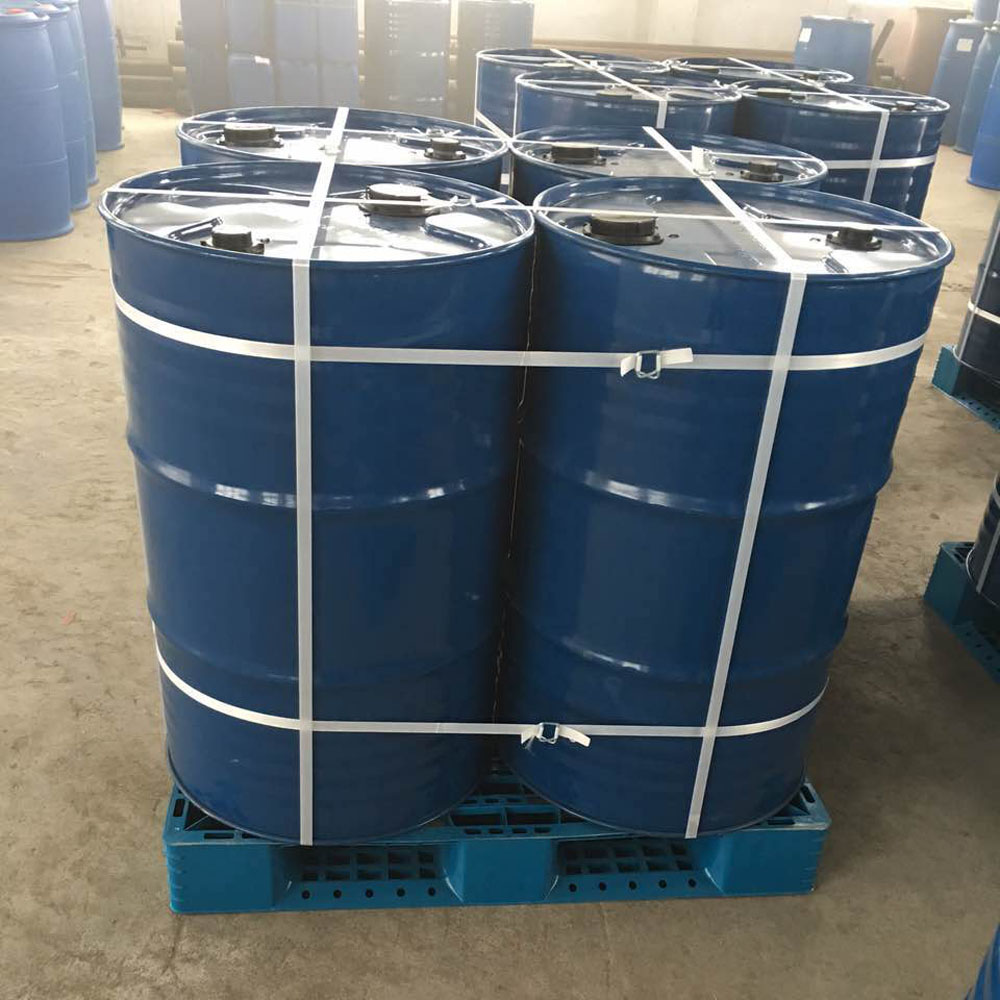
Acrylic acid CAS#79-10-7
CAS Number: 79-10-7
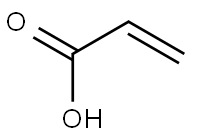
Chemical Formula: C3H4O2
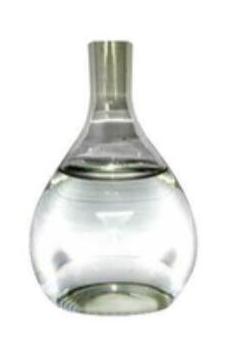
Appearance: Colorless Liquid
Synonyms:
HS Code: 29161110
MOQ (Minimum Order Quantity): 1 FCL (Full Container Load)
Acrylic acid CAS#79-10-7
Acrylic acid is a carboxylic acid, of which the primary use is in the production of acrylic esters[2]. It has been traditionally used as the raw material for acrylic esters – methyl acrylate, ethyl acrylate, butyl acrylate and 2-ethylhexyl acrylate which were originally used to produce solvent-based acrylic resins but environmental concerns about solvent use led to the development of water-based acrylics[7]. Acrylic acid can readily react with a wide variety of organic and inorganic compounds which results in it’s considered as a very useful feedstock to manufacture many low molecular compounds, such as propionic acid, unsaturated fatty acids, heterocyclic compounds, and Diels-Alder addition products. As a vinyl compound and a carboxylic acid, acrylic acid is used widely for polymerisation, including production of polyacrylates. It is also a monomer for polyacrylic and polymethacrylic acids and other acrylic polymers[4]. |
Acrylic acid Chemical Properties |
Melting point | 13 °C (lit.) |
Boiling point | 139 °C (lit.) |
density | 1.051 g/mL at 25 °C (lit.) |
vapor density | 2.5 (vs air) |
vapor pressure | 4 mm Hg ( 20 °C) |
refractive index | n |
Fp | 130 °F |
storage temp. | Store at +15°C to +25°C. |
solubility | 1000g/l |
pka | 4.25(at 25℃) |
form | Liquid |
color | Clear |
Odor | Acrid odor |
PH | 3.68(1 mM solution);3.14(10 mM solution);2.63(100 mM solution); |
PH Range | 1 - 2 |
explosive limit | 3.9-19.8%(V) |
Water Solubility | MISCIBLE |
λmax | 231nm(lit.) |
Sensitive | Air Sensitive |
Merck | 14,130 |
BRN | 635743 |
Exposure limits | TLV-TWA 10 ppm (30 mg/m3) (ACGIH). |
Stability: | Stability Unstable - may contain p-methoxyphenol as an inhibitor. Prone to hazardous polymerization. Combustible. Incompatible with strong oxidizing agents, strong bases, amines. Contact with oxidizers may cause fire. Light and air sensitive. Hygroscopic. |
Cosmetics Ingredients Functions | NAIL CONDITIONING |
InChI | 1S/C3H4O2/c1-2-3(4)5/h2H,1H2,(H,4,5) |
InChIKey | NIXOWILDQLNWCW-UHFFFAOYSA-N |
SMILES | OC(=O)C=C |
LogP | 0.46 at 25℃ |
CAS DataBase Reference | 79-10-7(CAS DataBase Reference) |
NIST Chemistry Reference | 2-Propenoic acid(79-10-7) |
IARC | 3 (Vol. 19, Sup 7, 71) 1999 |
EPA Substance Registry System | Acrylic acid (79-10-7) |
ECETOC JACC REPORT | Acrylic acid (79-10-7) |
Safety Information |
Hazard Codes | C,N |
Risk Statements | 10-20/21/22-35-50 |
Safety Statements | 26-36/37/39-45-61 |
RIDADR | UN 2218 8/PG 2 |
OEB | B |
OEL | TWA: 2 ppm (6 mg/m3) [skin] |
WGK Germany | 1 |
RTECS | AS4375000 |
F | 8-13 |
Autoignition Temperature | 744 °F |
TSCA | TSCA listed |
HazardClass | 8 |
PackingGroup | II |
HS Code | 29161110 |
Storage Class | 3 - Flammable liquids |
Hazard Classifications | Acute Tox. 4 Dermal |
Hazardous Substances Data | 79-10-7(Hazardous Substances Data) |
Toxicity | LD50 orally in rats: 2.59 g/kg (Smyth) |
Product Application Of Acrylic acid CAS#79-10-7
Acrylic acid (IUPAC: prop-2-enoic acid) is an organic compound with the formula CH2=CHCO2H. It is the simplest unsaturated carboxylic acid, consisting of a vinyl group connected directly to a carboxylic acid terminus. This colorless liquid has a characteristic acrid or tart smell. It is miscible with water, alcohols, ethers, and chloroform. More than one billion kilograms are produced annually.
Factory and Equipment Show
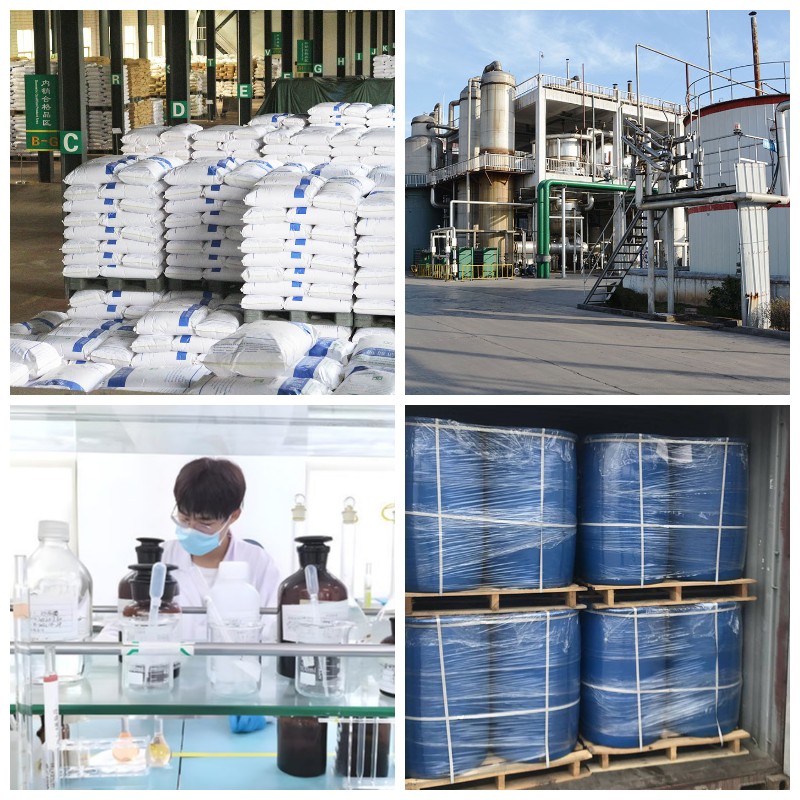
Fast delivery time
Inventory 2-3 working days New production 7-10 working days