Español
 العربية
 Francés
 Русский
 Português
 Deutsch
 Italiano
 Kazakh
 Uzbek
Uzbek

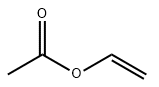
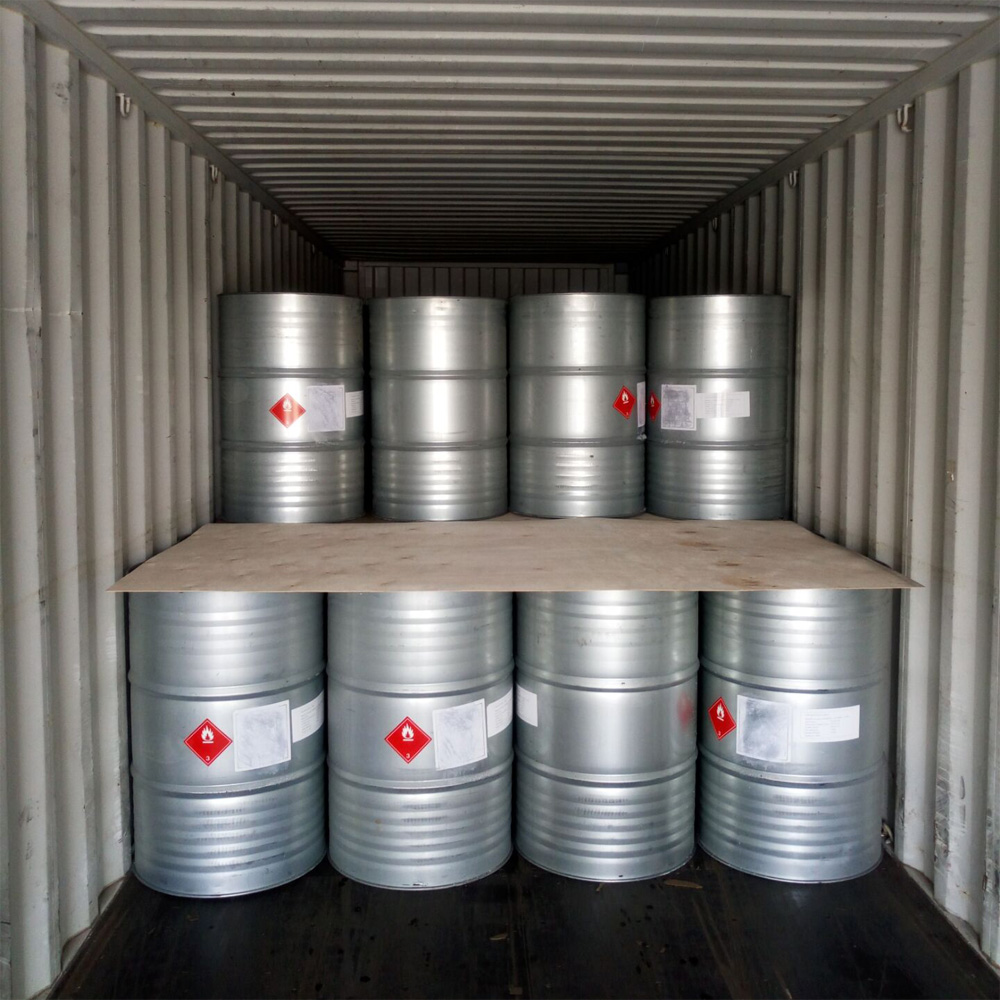
Vinyl acetate CAS#108-05-4
CAS Number: 108-05-4
Chemical Formula: C4H6O2
Appearance: Colorless Liquid
Synonyms:
Vinyl acetate 5g [108-05-4]
HS Code: 29153200
MOQ (Minimum Order Quantity): 1 FCL (Full Container Load)
Vinyl acetate CAS#108-05-4
Vinyl acetate monomer (VAM) is a colourless liquid, immiscible or slightly soluble in water. VAM is a flammable liquid. VAM has a sweet, fruity smell (in small quantities), with sharp, irritating odour at higher levels. VAM is an essential chemical building block used in a wide variety of industrial and consumer products. VAM is a key ingredient in emulsion polymers, resins, and intermediates used in paints, adhesives, coatings, textiles, wire and cable polyethylene compounds, laminated safety glass, packaging, automotive plastic fuel tanks, and acrylic fibres. Vinyl acetate is used to produce polyvinyl acetate emulsions and resins. Very small residual levels of vinyl acetate have been found present in products manufactured using VAM, such as moulded plastic items, adhesives, paints, food packaging containers, and hairspray. |
Vinyl acetate Chemical Properties |
Melting point | -93 °C (lit.) |
Boiling point | 72-73 °C (lit.) |
density | 0.934 g/mL at 25 °C (lit.) |
vapor density | 3 (vs air) |
vapor pressure | 88 mm Hg ( 20 °C) |
refractive index | n |
Fp | 20 °F |
storage temp. | 2-8°C |
solubility | 20g/l |
form | Liquid |
color | Clear colorless to almost colorless |
Odor | Sweet, pleasant, fruity |
PH | 7 (20g/l, H2O, 20℃) |
explosive limit | 2.6-13.4%(V) |
Water Solubility | 23 g/L (20 ºC) |
Sensitive | Light Sensitive |
Merck | 14,9992 |
BRN | 1209327 |
Henry's Law Constant | 4.81 (calculated, Howard, 1989) |
Exposure limits | NIOSH REL: 15-min ceiling 4 ppm (15 mg/m3); ACGIH TLV: TWA 10 ppm, STEL 15 ppm (adopted). |
Dielectric constant | 4.5(23℃) |
Stability: | Stable. Highly flammable. Incompatible with acids, bases, oxidizing agents, peroxides, chlorosulfonic acid, ethylene imine, hydrochloric acid, oleum, nitric acid, sulfuric acid, 2-aminoethanol, light. Susceptible to polymerization; commercial product may be stabilized by the addition of hydroquinone. |
Cosmetics Ingredients Functions | CLEANSING |
InChI | 1S/C4H6O2/c1-3-6-4(2)5/h3H,1H2,2H3 |
InChIKey | XTXRWKRVRITETP-UHFFFAOYSA-N |
SMILES | CC(=O)OC=C |
LogP | 0.73 at 20℃ |
Surface tension | 22.476mN/m at 298.15K |
CAS DataBase Reference | 108-05-4(CAS DataBase Reference) |
NIST Chemistry Reference | Acetic acid ethenyl ester(108-05-4) |
IARC | 2B (Vol. Sup 7, 63) 1995 |
EPA Substance Registry System | Vinyl acetate (108-05-4) |
ECETOC JACC REPORT | Vinyl acetate (108-05-4) |
Safety Information |
Hazard Codes | F,T,Xn |
Risk Statements | 11-39/23/24/25-23/24/25-36-20/21/22-40-37-20 |
Safety Statements | 16-23-29-33-45-36/37-7-9 |
RIDADR | UN 1301 3/PG 2 |
OEL | Ceiling: 4 ppm (15 mg/m3) [15-minute] |
WGK Germany | 2 |
RTECS | AK0875000 |
Autoignition Temperature | 801 °F |
TSCA | TSCA listed |
HazardClass | 3 |
PackingGroup | II |
HS Code | 29153200 |
HS Code | 29333999 |
Storage Class | 3 - Flammable liquids |
Hazard Classifications | Acute Tox. 4 Inhalation |
Hazardous Substances Data | 108-05-4(Hazardous Substances Data) |
Toxicity | LD50 orally in rats: 2.92 g/kg (Smyth, Carpenter) |
Product Application Of Vinyl acetate CAS#108-05-4
Vinyl acetate is primarily used to produce polyvinyl acetate emulsions and polyvinyl alcohol. The principal use of these emulsions has been in adhesives, paints, textiles, and paper products.
Factory and Equipment Show
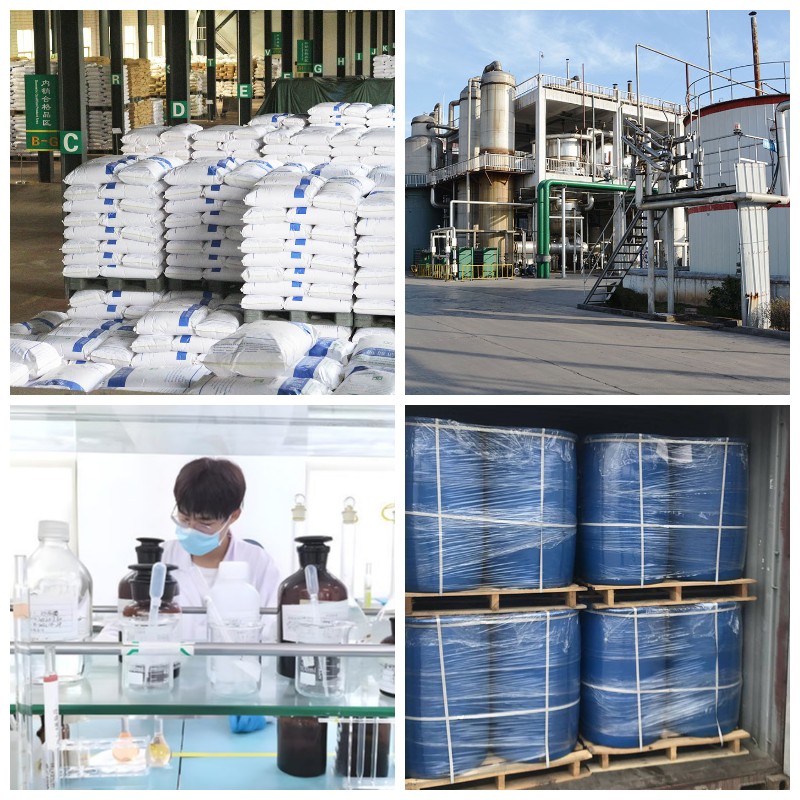
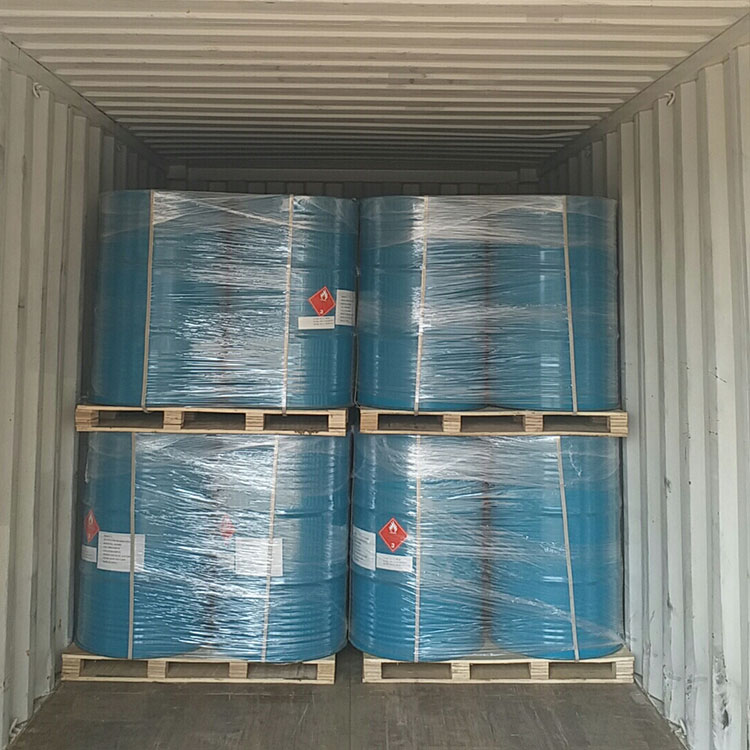
Fast delivery time
Inventory 2-3 working days New production 7-10 working days