Español
 العربية
 Francés
 Русский
 Português
 Deutsch
 Italiano
 Kazakh
 Uzbek
Uzbek

5-Chloro-2-pentanone: A Versatile Organic Building Block Powering Innovation in Global Fine Chemical and Biopharmaceutical Industries
2026/03/11 15:45
5-Chloro-2-pentanone: A Versatile Organic Building Block Powering Innovation in Global Fine Chemical and Biopharmaceutical Industries
Driven by the global boom in biopharmaceutical R&D, the upgrading of agrochemical industries and the surging demand for high-value fine chemicals, 5-Chloro-2-pentanone—a bifunctional halogenated ketone with reactive carbonyl and chloroalkyl groups— is rapidly emerging from a niche organic intermediate to a core strategic raw material for the synthesis of pharmaceuticals, pesticides and advanced functional molecules. Positioned as an irreplaceable building block for anti-infective drugs, anti-malarial agents and green pesticides, it is leading the transformation of the fine chemical synthesis industry toward high-efficiency, low-waste and customized development. Industry insiders note that breakthroughs in continuous green synthesis, high-yield chlorination technology and industrial scale-up production signal that the global 5-Chloro-2-pentanone industry has entered a new era of "process optimization + application diversification".
From Traditional Batch Synthesis to Continuous Green Manufacturing: Technological Innovation Boosts Industrial Efficiency
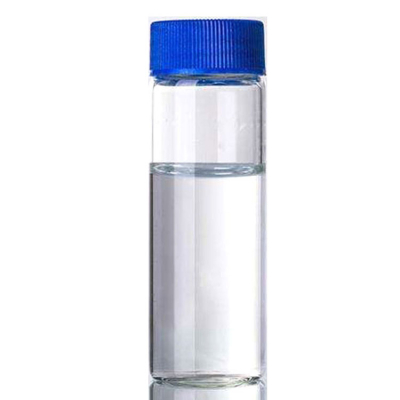
5-Chloro-2-pentanone (molecular formula: C₅H₉ClO; molecular weight: 120.58 g/mol; CAS No. 5891-21-4) is a typical aliphatic halogenated ketone, appearing as a colorless to pale yellow transparent liquid with moderate volatility and excellent compatibility with most organic solvents. Traditional production relies on discontinuous batch chlorination reactions, which suffer from low reaction yield, high raw material consumption, complex post-treatment processes and large amounts of organic wastewater discharge. In recent years, domestic and international chemical enterprises and research institutions have pioneered a series of green synthesis innovations, including continuous countercurrent chlorination, azeotropic distillation purification, triphosgene-based efficient chlorination and closed-loop solvent recycling, leading the low-carbon transformation of halogenated ketone synthesis industry.
"We have successfully applied the continuous chlorination-azeotropic distillation integrated process to the large-scale production of high-purity 5-Chloro-2-pentanone, realizing closed-loop recycling of reaction solvents and near-zero discharge of high-chlorine wastewater," said the R&D director of a leading Chinese fine chemical producer. "Compared with the traditional batch process, the new route boosts the product yield to over 97%, shortens the production cycle by more than 60%, cuts overall unit energy consumption by 40% and reduces organic solvent consumption per ton by over 85%. The closed production system also lowers volatile organic compound (VOC) emissions by more than 70%, fully complying with the strictest national and international environmental standards for fine chemical production."
Leading global fine chemical producers have scaled up high-purity 5-Chloro-2-pentanone (purity ≥99%) production lines using green synthesis technologies. Pilot programs for triphosgene-based green chlorination and continuous flow microreactor synthesis are underway, laying a solid foundation for the full-life-cycle low-carbon development of the 5-Chloro-2-pentanone industrial chain and its downstream derivative synthesis.
Diversified High-Value Applications: Synthetic Derivatives as the Core Growth Engine
Benefiting from its unique bifunctional molecular structure— a reactive ketone carbonyl group and a nucleophilically substitutable chloroalkyl group linked by a methylene chain—5-Chloro-2-pentanone can undergo nucleophilic substitution, ring closure, reduction and condensation reactions to form a wide portfolio of high-value fine chemical derivatives. Known as the "versatile synthetic building block" for heterocyclic compounds, it unlocks profound industrial value across high-growth sectors:
Pharmaceuticals & Biopharmaceuticals
As a key intermediate for anti-infective and anti-malarial drugs, 5-Chloro-2-pentanone is the core raw material for synthesizing quinolone antibiotics (e.g., ciprofloxacin) and quinoline anti-malarial agents (e.g., primaquine and chloroquine). Chloroquine derivatives synthesized from it exhibit excellent antiviral activity against SARS and COVID-19, while its piperazine and morpholine derivatives are widely used in the development of anti-inflammatory and cardiovascular drugs. High-purity grades comply with USP, EP and CP pharmaceutical standards, supporting the innovative R&D and large-scale production of modern biopharmaceuticals.
Agrochemicals & Green Pesticides
It serves as a foundational intermediate for the synthesis of high-efficiency, low-toxicity green pesticides, including herbicides, insecticides and fungicides. Its heterocyclic derivatives exhibit strong selective activity against agricultural weeds and pests, with low residual and high environmental compatibility. It is also used in the production of pesticide synergists and plant growth regulators, effectively improving the utilization rate of pesticides and reducing agricultural chemical application, supporting the sustainable development of modern agriculture.
Fine Chemicals & Functional Materials
In fine chemical synthesis, 5-Chloro-2-pentanone is a key raw material for fragrances, surfactants and specialty solvents. Its carbonyl reduction products are widely used in the formulation of floral and fruity fragrances for daily chemicals, while its quaternary ammonium salt derivatives act as high-performance cationic surfactants in industrial cleaning and textile printing. In advanced material research, it is used in the synthesis of functional polymer monomers and organic semiconductor intermediates, with broad application prospects in electronic materials and photoelectric devices.
Organic Synthesis & R&D
As a classic bifunctional building block in organic chemistry, it is widely used in laboratory research and small-batch synthesis of complex molecules. It facilitates the construction of heterocyclic skeletons and the elongation of carbon chains, serving as an important research tool for synthetic chemists in the development of new reaction routes and the synthesis of novel compounds. Its high reactivity and structural versatility make it an indispensable raw material in academic research and industrial R&D of organic chemistry.
Challenges and Opportunities: Industrial Chain Synergy as the Key to High-Quality Development
Despite strong market momentum and broad application prospects, the 5-Chloro-2-pentanone industry faces several challenges: high production costs of high-purity pharmaceutical-grade products, inconsistent international quality certification standards, technical barriers in continuous large-scale production, and the need for further optimization of green synthesis processes for small and medium-sized enterprises (SMEs).
Experts emphasize that the high-quality development of the 5-Chloro-2-pentanone industry requires breaking through the bottleneck of "single intermediate production" and building an integrated "raw material supply–green synthesis–precision purification–downstream customization" industrial chain. "Deep collaboration between upstream chemical raw material suppliers, midstream fine chemical producers, universities and downstream pharmaceutical and agrochemical enterprises is critical," noted a senior fine chemical industry analyst. "Upstream, we must ensure the stable supply of high-purity raw materials and promote the development of green chlorination reagents. Midstream, focus on continuous synthesis technology, high-precision purification and quality control to improve product purity and reduce production costs. Downstream, co-develop customized high-purity grades with pharmaceutical and agrochemical enterprises and promote the unification of global quality and certification standards for pharmaceutical and pesticide intermediates."
Outlook: A Core Engine for Innovation in Global Fine Chemical Synthesis
Supported by the global biopharmaceutical R&D boom, the upgrading of the agrochemical industry and the tightening of environmental regulations, 5-Chloro-2-pentanone is poised for historic growth in the coming years. Its development represents both a high-efficiency alternative to traditional organic synthesis intermediates and a cornerstone of the fine chemical and biopharmaceutical industry's innovation and green development system.
In the future, driven by policy support and market demand, the 5-Chloro-2-pentanone industry will accelerate the pace of process greenization and product high-endization. It will form a high-value industrial chain connecting fine chemical synthesis, pharmaceutical R&D, agrochemical production and advanced material research, injecting strong momentum into the innovative development of the global fine chemical industry and the sustainable progress of the biopharmaceutical and agricultural sectors. As a versatile organic building block, it will continue to unlock new application scenarios and technological innovations, contributing to the development of high-value, low-carbon and sustainable chemical industry worldwide.