Potassium Dihydrogen Phosphite: Properties, Applications and Industrial Value
Potassium Dihydrogen Phosphite: Properties, Applications and Industrial Value
2026/03/23 15:58
Potassium Dihydrogen Phosphite: Properties, Applications and Industrial Value
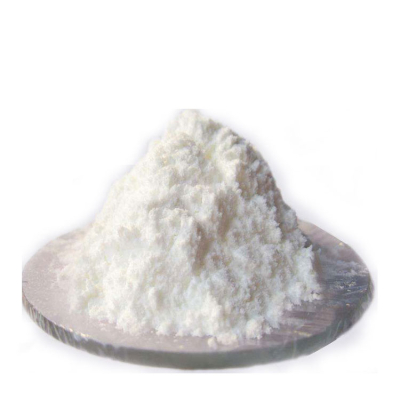
Potassium dihydrogen phosphite (KH₂PO₃), also known as monopotassium phosphite, is an important inorganic phosphorus‑potassium compound with CAS No. 13977‑65‑6 and molecular weight 120.09. It appears as white crystalline powder, highly soluble in water, with a 3–4 pH value in aqueous solution. This compound integrates nutritional supply and disease‑resistance functions, making it widely used in agriculture, industrial water treatment and pesticide synthesis.
1. Chemical Properties and Characteristics
Potassium dihydrogen phosphite contains phosphorus in the +3 oxidation state, which distinguishes it from conventional phosphate fertilizers (where P is +5). Key properties include:
High water solubility: Rapid dissolution enables efficient absorption by plants via roots and leaves.
Acidic nature: pH 3–4, suitable for acidic soil improvement and foliar fertilization.
Redox activity: The +3‑valent phosphorus can induce plant immune responses and inhibit pathogenic microorganisms.
Thermal instability: Decomposes upon heating to release toxic phosphine gas, requiring proper storage and handling.
Industrial‑grade products typically have a purity ≥98.0%, with strict limits on impurities like water‑insoluble matter (≤0.3%), chloride (≤0.01%), iron (≤10 mg/kg) and heavy metals (≤2 mg/kg).
2. Core Applications
2.1 Agricultural Use: Dual‑Function Nutrient and Biostimulant
As a high‑efficiency phosphorus‑potassium fertilizer, potassium dihydrogen phosphite provides essential nutrients while enhancing crop disease resistance:
Nutritional supply: Quickly supplements P and K, promoting root development, photosynthesis, flowering and fruit‑setting. It is suitable for fruits, vegetables, grains and cash crops.
Disease control: The phosphite ions trigger plant defense mechanisms, activating defense enzymes and thickening cell walls to resist fungi (e.g., Phytophthora, powdery mildew) and bacteria. It is effective against crop ulcers, root rot and other diseases.
Environmental friendliness: Non‑toxic, residue‑free and compatible with organic farming systems.
2.2 Industrial Water Treatment
In circulating water systems, it acts as a multifunctional agent:
Biocide: Inhibits bacterial and algal growth, replacing traditional organic phosphorus treatments.
Chelating agent: Complexes with Ca²⁺ and Mg²⁺ to prevent scale formation and reduce pipeline corrosion.
Environmental benefit: Low toxicity and biodegradability, minimizing ecological impact.
2.3 Pesticide and Chemical Intermediate
It serves as a key raw material for synthesizing organophosphorus insecticides and fungicides, providing the phosphorus source for active ingredients. Its high purity and stable chemical properties make it ideal for fine chemical production.
3. Production and Quality Control
The main synthesis method is the neutralization reaction between phosphorous acid (H₃PO₃) and potassium carbonate (K₂CO₃) under controlled conditions:Production processes emphasize impurity removal and pH adjustment to ensure product quality. Strict quality control ensures compliance with agricultural and industrial standards.
4. Market Prospects and Development Trends
With growing demand for green agriculture and environmental protection, potassium dihydrogen phosphite has broad market potential:
Agricultural upgrading: Replaces traditional phosphorus fertilizers to improve nutrient use efficiency and reduce soil pollution.
Water treatment innovation: As a eco‑friendly alternative to organic phosphorus agents, meeting stricter environmental regulations.
Technical advancement: Ongoing research into controlled‑release formulations and compound fertilizers expands its application scenarios.
Conclusion
Potassium dihydrogen phosphite is a versatile inorganic compound with dual roles in nutrition and protection. Its unique chemical properties and eco‑friendly characteristics make it indispensable in modern agriculture, industrial water treatment and chemical synthesis. As sustainable development becomes a global priority, its market demand will continue to grow, driving innovation in production technology and application research.

 Español
 العربية
 Francés
 Русский
 Português
 Deutsch
 Italiano
 Kazakh
 Uzbek
Uzbek