Español
 العربية
 Francés
 Русский
 Português
 Deutsch
 Italiano
 Kazakh
 Uzbek
Uzbek

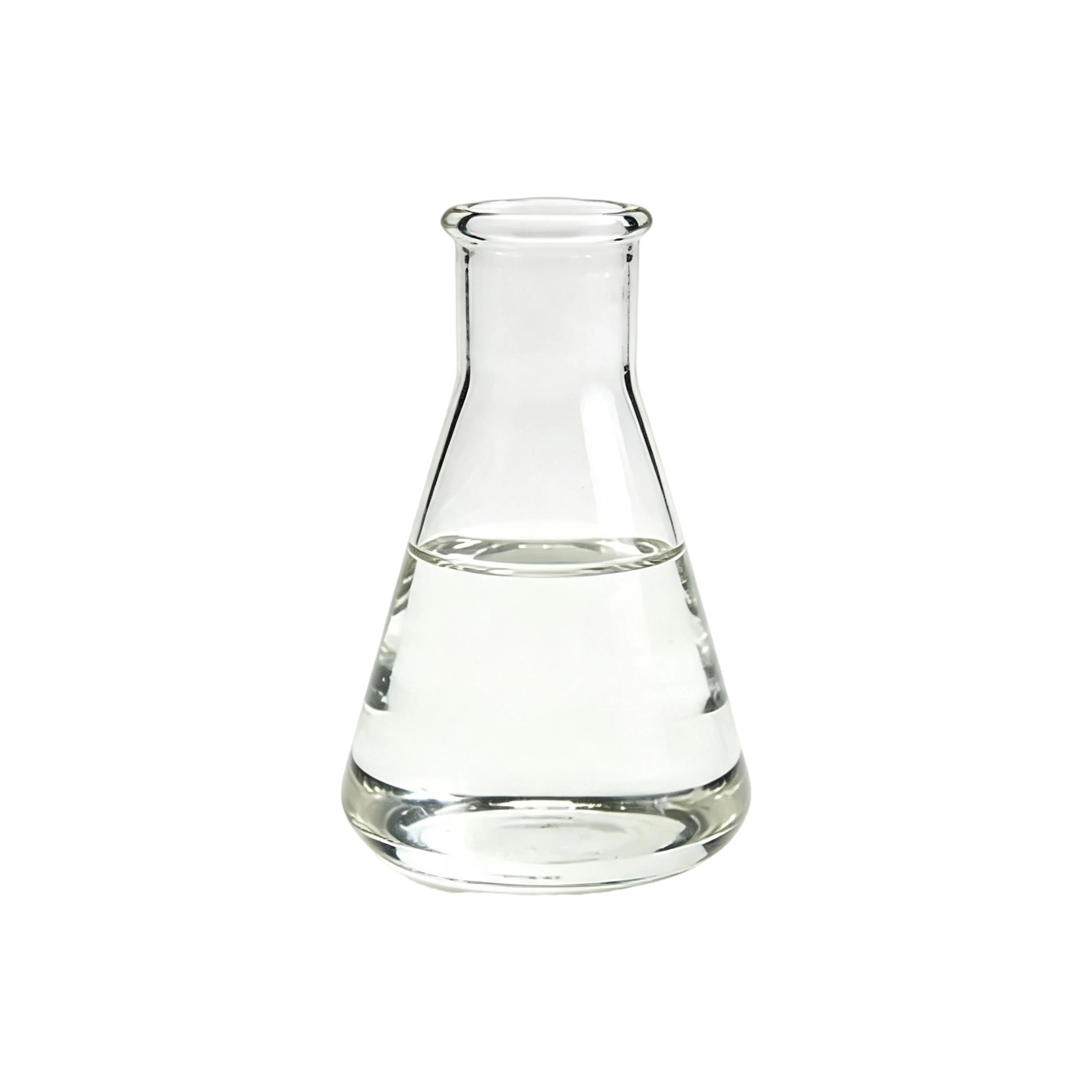
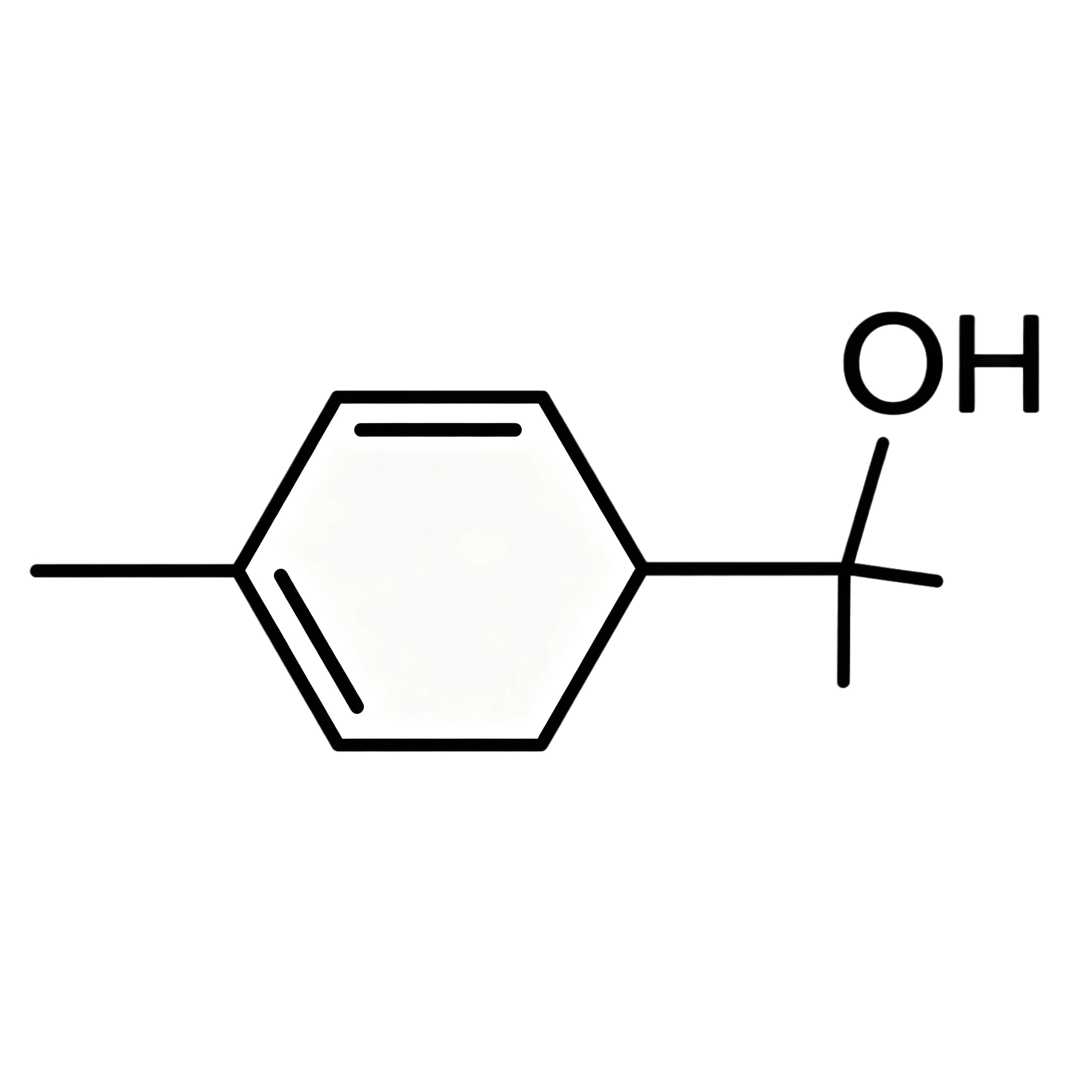
Terpineol CAS#8000-41-7
| Product Name: | Terpineol |
| Synonyms: | TERPINEOL;TERPINEOL 101 (ALPHA);TERPINEOL 318 TYPE;TERPINEOL 350;TERPINEOL-ALPHA;Terpineol - Mixed Isomers;TERPINEOL PFG;TILIANOL NP(TM) |
| CAS: | 8000-41-7 |
| MF: | C10H18O |
| MW: | 154.25 |
| EINECS: | 232-268-1 |
| Product Categories: | Citrus aurantium (Seville orange);Curcuma longa (Turmeric);Elettaria Cardamomum (Cardamom);Nutrition Research;Organic Building Blocks;Panax ginseng;Phytochemicals by Plant (Food/Spice/Herb);Sambucus nigra (Elderberry);Zingiber officinale (Ginger);Artemisia vulgaris;Aspalathus linearis (Rooibos tea);Boswellia carterii;Building Blocks;Chemical Synthesis;Alkenes;Cyclic;Organic Building Blocks;Alphabetical Listings;Certified Natural ProductsFlavors and Fragrances;Essential OilsFlavors and Fragrances;Flavors and Fragrances;Q-Z |
| Mol File: | 8000-41-7.mol |
Products Description of Terpineol CAS#8000-41-7
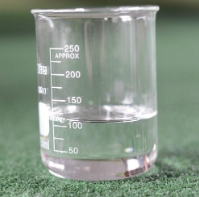
Terpineol CAS#8000-41-7 is a naturally occurring monoterpene alcohol with molecular formula C₁₀H₁₈O and molecular weight 154.25. It appears as a colorless to pale yellow viscous liquid with a characteristic lilac-like floral odor. It is practically insoluble in water but readily soluble in alcohol, chloroform, ether, and most fixed oils, making it a versatile fragrance and flavor ingredient.

Terpineol CAS#8000-41-7 Chemical Properties
| Melting point | 18°C |
| Boiling point | 213-218 °C (lit.) |
| density | 0.934 g/mL at 20 °C (lit.) |
| vapor pressure | 3 hPa (20 °C) |
| refractive index | 1.481-1.486 |
| Fp | 95°C |
| storage temp. | Store below +30°C. |
| solubility | ethanol: soluble1.25ml/10ml, clear to slightly hazy, colorless to light yellow (50% ethanol) |
| form | Liquid |
| color | Clear colorless to slightly yellow |
| Odor | at 100.00 %. fresh clean woody pine floral lime |
| Odor Type | herbal |
| biological source | synthetic |
| Water Solubility | slightly |
| FreezingPoint | 2℃ |
| Dielectric constant | 2.8(20℃) |
| Stability: | Stable. Combustible. Incompatible with strong oxidizing agents, strong acids. |
Product Application of Terpineol CAS#8000-41-7
Preparation Method:
Terpineol is commercially produced via the hydration of α-pinene (derived from turpentine oil) using dilute sulfuric acid or other acidic catalysts, yielding a mixture of isomeric terpineols (mainly α-terpineol). Alternatively, it can be synthesized by the acid-catalyzed cyclization of linalool or via the hydration of limonene. In industrial practice, turpentine oil is first fractionated to recover α-pinene, which is then reacted with water in the presence of an acid catalyst to form terpineol. The crude product is neutralized, washed, and purified by fractional distillation or steam distillation to obtain the final product with typical purity ≥95%. Another route involves the oxidation of dipentene followed by rearrangement.
Main Application Areas:
Fragrances and Flavors: Widely used as a floral-type aroma chemical (lilac-like scent) in perfumes, soaps, detergents, and cosmetic formulations. It also serves as a flavoring agent in food and beverages.
Solvents and Disinfectants: Employed as a solvent for oils, resins, and waxes, and as a component in industrial cleaners and disinfectants due to its antimicrobial properties.
Chemical Intermediates: Used in the synthesis of other terpenoid compounds, such as terpinyl acetate, and as a precursor in the production of synthetic pine oils and certain pharmaceuticals.
Household Products: Incorporated into air fresheners, polishes, and insect repellents.
Safety Information:
Terpineol is considered a mild irritant to skin, eyes, and respiratory tract. Prolonged or repeated skin contact may cause dermatitis. Ingestion of large amounts can cause gastrointestinal distress and central nervous system depression. It is combustible; the liquid can form flammable vapors when heated above its flash point (approx. 90–100 °C closed cup). Decomposition upon heating may release irritating fumes and carbon monoxide. Adequate ventilation should be maintained during handling. Recommended occupational exposure limits (OEL) for terpineol are typically around 10–20 ppm (as an 8‑hour TWA) in many jurisdictions. Store in a cool, well-ventilated area away from strong oxidizers and sources of ignition. Under normal transport conditions, it is not classified as a dangerous good but may be regulated as a combustible liquid; consult local shipping regulations.
Upstream and Downstream Product Information:
Upstream: Key raw materials include α-Pinene (CAS# 80-56-8) from turpentine oil, Linalool (CAS# 78-70-6), and Limonene (CAS# 138-86-3). Sulfuric acid or other acid catalysts are used in the hydration process.
Downstream: Major downstream products include Terpinyl Acetate (used in perfumery), synthetic pine oil, and various terpene-based solvents. It is also used as an intermediate in the synthesis of certain insect repellents and pharmaceutical excipients.
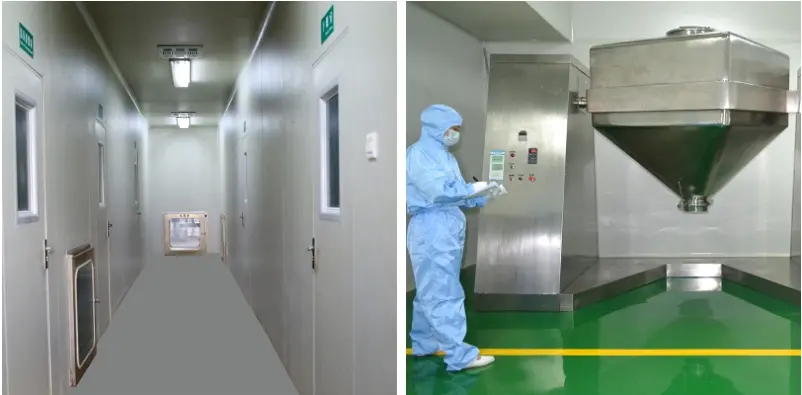
Factory and Equipment Show
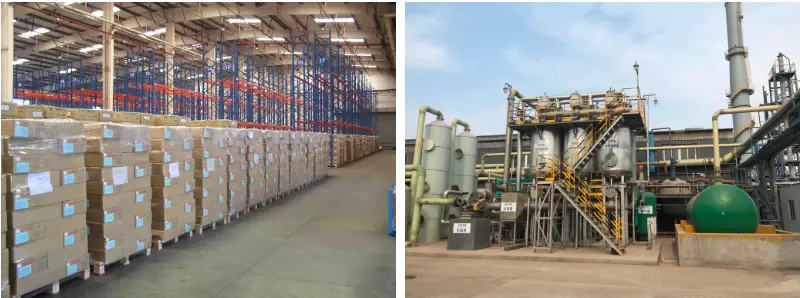
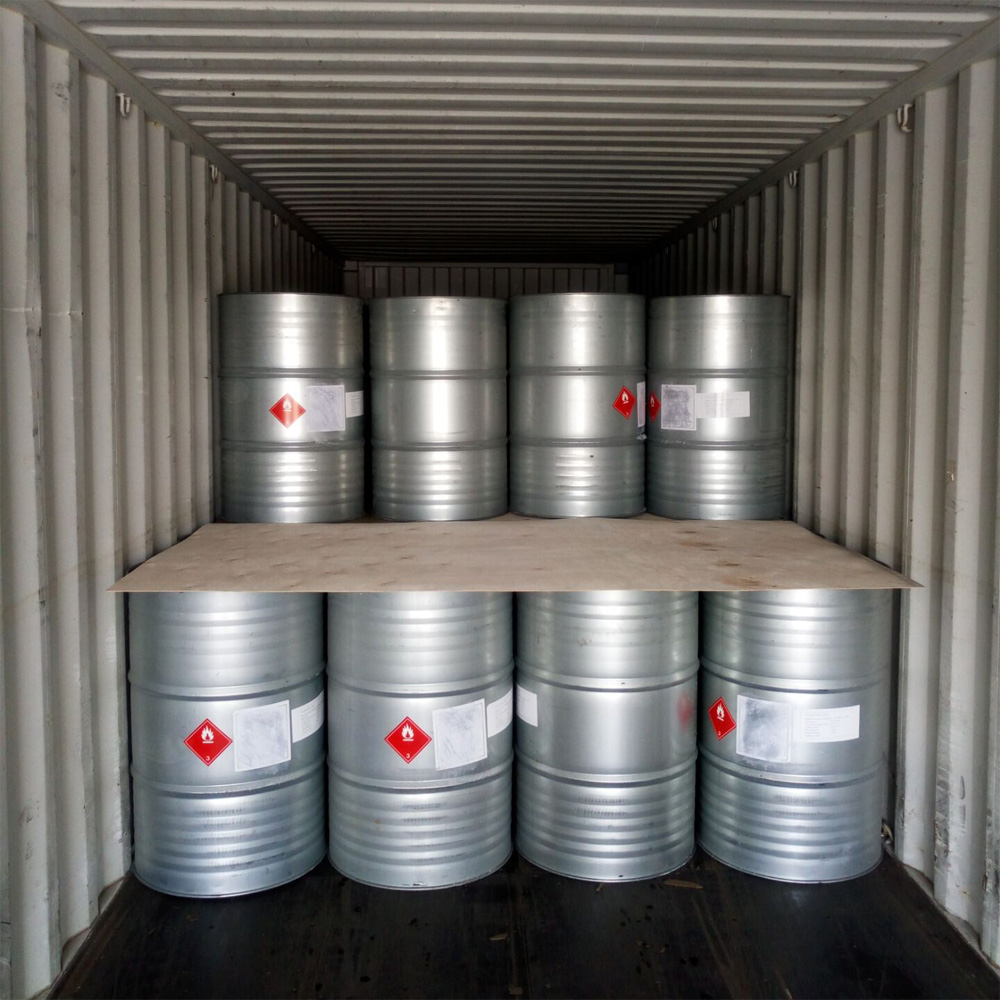
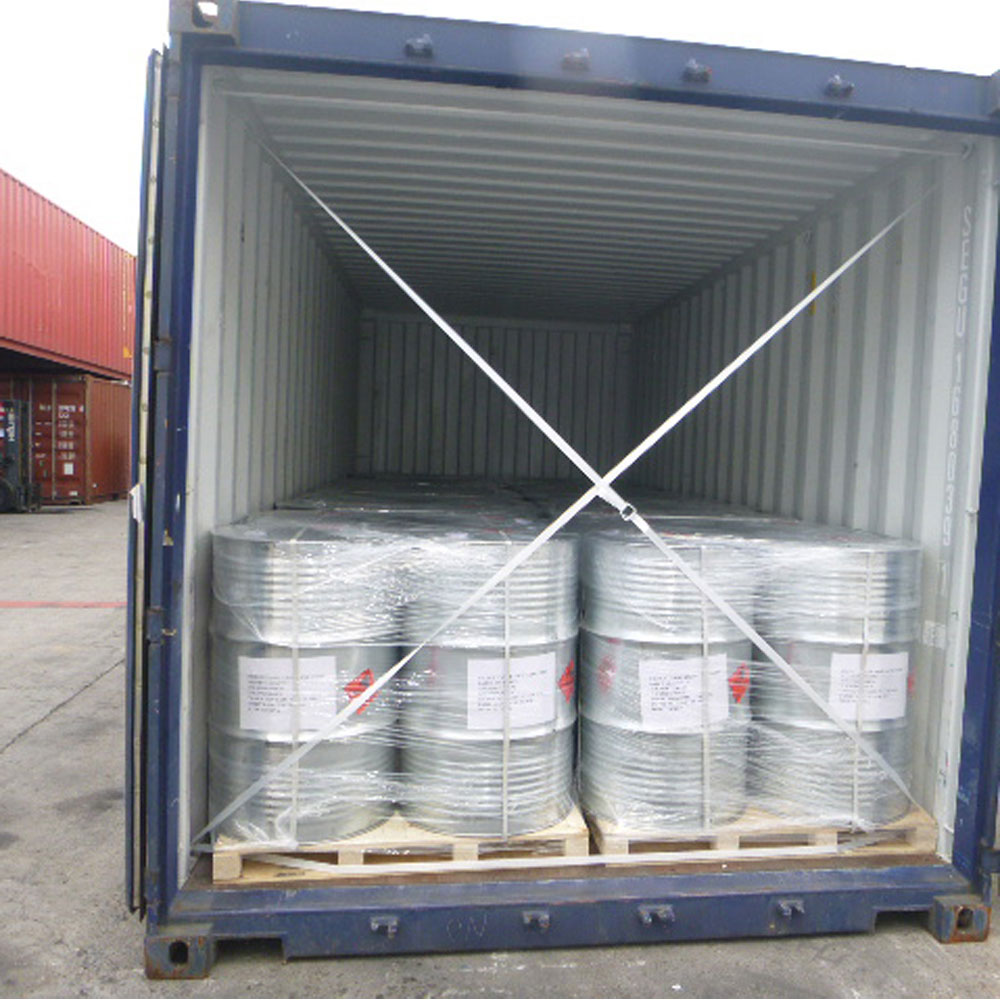
Fast delivery time
Inventory 2-3 working days New production 7-10 working days