Español
 العربية
 Francés
 Русский
 Português
 Deutsch
 Italiano
 Kazakh
 Uzbek
Uzbek

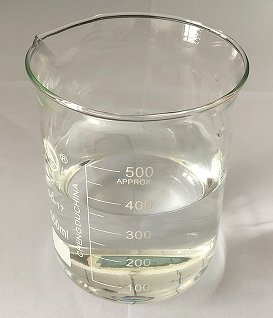

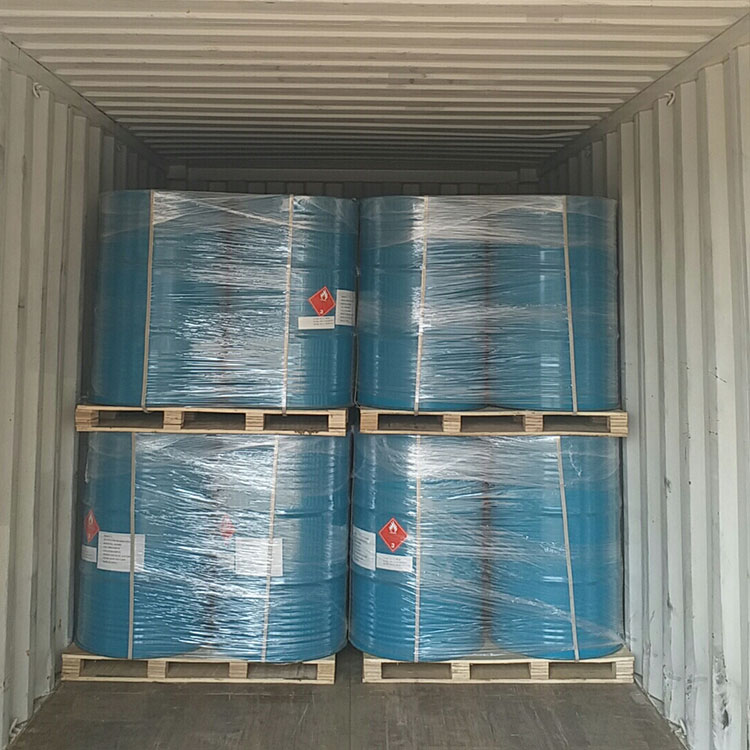

Trichloroethylene CAS#79-01-6
CAS Number: 79-01-6
Chemical Formula: C2HCl3
Appearance: Colorless Liquid
Synonyms:
Trichloroethylene, Stabilized, SpectroSolv (TM)
Trichloroethylene, stabilized with 400 ppM triethylaMine
Trichloroethylene, SuperDry, stabilized, J&KSeal
HS Code: 29032200
MOQ (Minimum Order Quantity): 1 FCL (Full Container Load)
Trichloroethylene CAS#79-01-6
Trichloroethylene (IUPAC), CHClCCl2, is a stable, low-boiling, colorless liquid with a chloroform-like odor. It is not corrosive to the common metals even in the presence of moisture. It is slightly soluble in water and is nonflammable. It is toxic by inhalation, with a TLV of 50 ppm and an IDLH of 1000 ppm in air. The FDA has prohibited its use in foods, drugs, and cosmetics. The four-digit UN identification number is 1710. The NFPA 704 designation is health 2, flammability 1, and reactivity 0. Its primary uses are in metal degreasing, dry cleaning, as a refrigerant and fumigant, and for drying electronic parts.
Trichloroethylene Chemical Properties |
Melting point | -86 °C |
Boiling point | 87 °C |
density | 1.463 g/mL at 25 °C(lit.) |
vapor density | 4.5 (vs air) |
vapor pressure | 61 mm Hg ( 20 °C) |
refractive index | n |
Fp | 90°C |
storage temp. | 2-8°C |
solubility | Soluble in acetone, ethanol, chloroform, ether (U.S. EPA, 1985), and other organic solvents including bromoform, carbon tetrachloride, methylene chloride, trichloroethylene, and tetrachloroethylene. |
form | Liquid |
color | Clear colorless |
Odor | Chloroform-like; ethereal. |
Odor Threshold | 3.9ppm |
explosive limit | 7.9-99% (v/v) Saturation - at high volume fractions, explosion turns into a decomposition reaction) |
Water Solubility | Slightly soluble. 0.11 g/100 mL |
Merck | 14,9639 |
BRN | 1736782 |
Henry's Law Constant | 3.14 at 1.8 °C, 8.47 at 21.6 °C, 19.0 at 40.0 °C, 26.5 at 50 °C, 35.8 at 60 °C, 56.6 at 70 °C (EPICS-GC, Shimotori and Arnold, 2003) |
Dielectric constant | 3.4(16℃) |
Exposure limits | TLV-TWA 50 ppm (~270 mg/m3) (ACGIH), 100 ppm (MSHA and OSHA); TLV-STEL 200 ppm (ACGIH); ceiling 200 ppm (OSHA); carcinogenicity: Animal Lim ited Evidence, Human Inadequate Evidence (IARC). |
Stability: | Stable. Incompatible with oxidizing agents, aluminium, magnesium, strong bases, reducing agents. Light-sensitive. Reacts violently with many metals, ozone, potassium nitrate, potassium hydroxide, sodium hydroxide. |
InChI | 1S/C2HCl3/c3-1-2(4)5/h1H |
InChIKey | XSTXAVWGXDQKEL-UHFFFAOYSA-N |
SMILES | Cl\C=C(\Cl)Cl |
LogP | 2.53 at 20℃ |
CAS DataBase Reference | 79-01-6(CAS DataBase Reference) |
IARC | 1 (Vol. Sup 7, 63, 106) 2014 |
NIST Chemistry Reference | Trichloroethylene(79-01-6) |
EPA Substance Registry System | Trichloroethylene (79-01-6) |
Safety Information |
Hazard Codes | T,F |
Risk Statements | 45-36/38-52/53-67-68-39/23/24/25-23/24/25-11 |
Safety Statements | 53-45-61-36/37-16-7 |
RIDADR | UN 1710 6.1/PG 3 |
OEB | B |
OEL | TWA: 25.0 ppm, STEL: 2.0 ppm |
WGK Germany | 3 |
RTECS | KX4550000 |
Autoignition Temperature | 770°F |
TSCA | TSCA listed |
HazardClass | 6.1 |
PackingGroup | III |
HS Code | 29032200 |
Storage Class | 6.1D - Non-combustible acute toxic Cat.3 |
Hazard Classifications | Aquatic Chronic 3 |
Hazardous Substances Data | 79-01-6(Hazardous Substances Data) |
Toxicity | LD50 orally in rats: 4.92 ml/kg; LC (4 hrs) in rats: 8000 ppm (Smyth) |
IDLA | 1,000 ppm |
Product Application Of Trichloroethylene CAS#79-01-6
A chlorinated hydrocarbon used as a detergent or solvent for metals, oils, resins, sulfur and as gemal degreasing agent. It can cause irritant contact dermatitis, generalized exanthema, Stevens-Johnson syndrome, pustular or bullous eruption and scleroderma.
Factory and Equipment Show
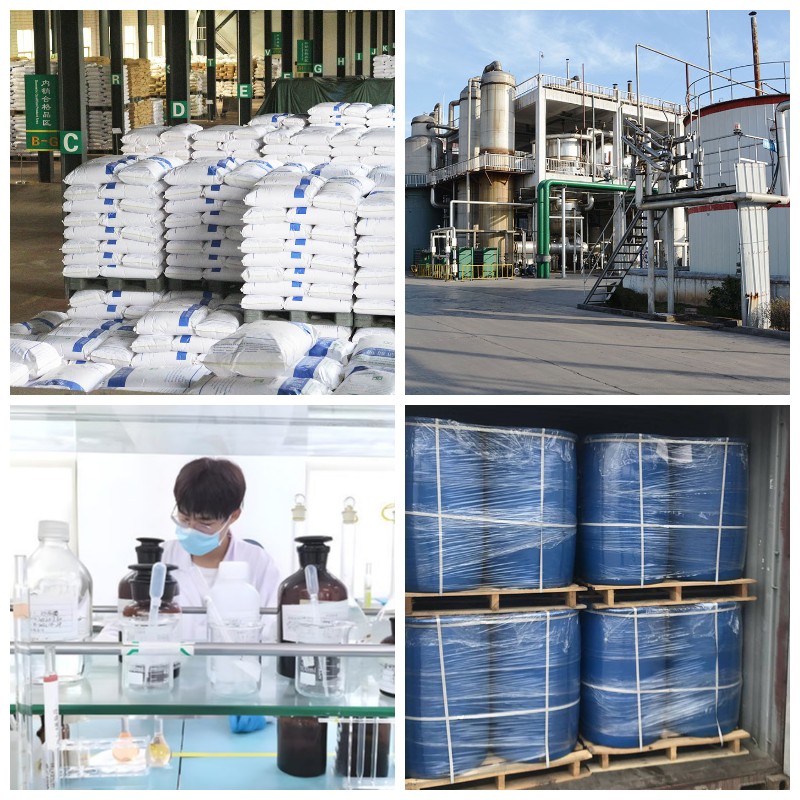
Fast delivery time
Inventory 2-3 working days New production 7-10 working days