Español
 العربية
 Francés
 Русский
 Português
 Deutsch
 Italiano
 Kazakh
 Uzbek
Uzbek

Paclobutrazol: A Versatile Triazole Plant Growth Regulator and Fungicide
2026/04/09 16:19
Paclobutrazol: A Versatile Triazole Plant Growth Regulator and Fungicide
Paclobutrazol (PBZ), commonly known as pp333, is a widely used organic compound belonging to the triazole family. It serves dual functions as a plant growth retardant and a fungicide, playing an indispensable role in modern agriculture and horticulture. First developed jointly by the Plant Protection Department of ICI UK and the Agricultural Chemicals Department of ICI USA in 1976, paclobutrazol has been applied to 71 crop species worldwide and more than 30 crop species in China, delivering significant economic and social benefits. This article provides a comprehensive overview of paclobutrazol, including its chemical properties, mechanism of action, application fields, environmental impacts, and safety precautions.
1. Chemical Properties of Paclobutrazol
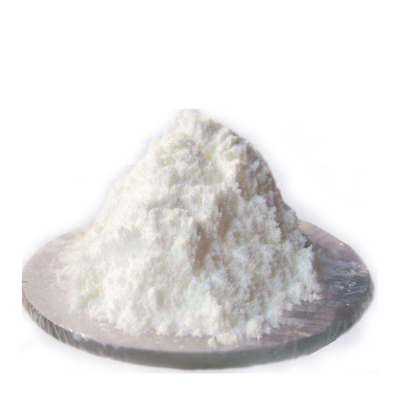
Paclobutrazol has a clear chemical structure and stable physical and chemical properties. Its IUPAC name is (2RS, 3RS)-1-(4-chlorophenyl)-4,4-dimethyl-2-(1H-1,2,4-triazol-1-yl)pentan-3-ol, with the chemical formula C₁₅H₂₀ClN₃O and a molar mass of 293.79 g·mol⁻¹. It appears as a white crystalline solid with a density of 1.23 g/cm³ and a melting point of 165-166 °C, while its boiling point reaches 460.9 °C at 760 mmHg.
In terms of solubility, paclobutrazol is slightly soluble in water (22.9 mg/L at 20 °C) but easily soluble in organic solvents such as acetone, methanol, and dichloromethane, allowing it to be mixed with most pesticides. It is stable under normal storage conditions: pure paclobutrazol can remain stable for more than 6 months at 25 °C, and its dilute solution is stable at any pH value and under ultraviolet light, with a storage stability of more than two years at room temperature (20 °C). Its log P value is 3.11, and the flash point is 232.6 °C, with main hazards marked as Xn (harmful) in occupational safety and health standards.
2. Mechanism of Action
Paclobutrazol exerts its effects through two main mechanisms: regulating plant growth and inhibiting fungal growth, both of which are closely related to its chemical structure and biological activity.
As a plant growth retardant, paclobutrazol acts as an antagonist of the plant hormone gibberellin (GA) by specifically inhibiting ent-kaurene oxidase, a cytochrome P450-dependent monooxygenase that catalyzes a key step in the gibberellin biosynthetic pathway—the oxidation of ent-kaurene to ent-kaurenoic acid. By blocking this step, the synthesis of biologically active gibberellins is significantly reduced, thereby inhibiting internodal elongation, shortening plant height, and promoting the growth of stems and roots, resulting in stouter, more robust plants. Additionally, it regulates the levels of other endogenous plant hormones, increasing the content of abscisic acid (ABA) and cytokinins, reducing the content of indole acetic acid (IAA), and increasing the ethylene release rate, thereby improving plant stress resistance and delaying senescence.
As a fungicide, paclobutrazol inhibits the biosynthesis of ergosterol in fungi by blocking the C-14 demethylation of lanosterol in fungal cells, thereby disrupting the structure and function of fungal cell membranes and achieving the effect of killing or inhibiting fungi. It has broad-spectrum antibacterial activity against more than 10 pathogens, including Sclerotinia sclerotiorum, Blumeria graminis, Rhizoctonia solani, and Colletotrichum gloeosporioides.
3. Application Fields
Due to its dual effects of growth regulation and fungicidal activity, paclobutrazol is widely used in field crops, vegetables, fruit trees, ornamental plants, and turf management, with diverse application methods such as seed soaking, foliar spraying, and soil drenching.
In field crops, it is commonly used in rice, rapeseed, wheat, soybeans, and potatoes. For rice, applying paclobutrazol at the 1-leaf-1-heart stage or 5-6 leaf stage can control seedling overgrowth, promote tillering, and improve seedling quality; spraying at 30-40 days before heading can shorten internodes, reduce plant height, and prevent lodging, with a yield increase of 6.04% on average. For rapeseed, spraying at the 3-leaf stage of seedlings can cultivate robust seedlings, shorten plant height, thicken root necks, and improve cold resistance, with an average yield increase of 8.2%-11.6%.
In vegetables, paclobutrazol is used cautiously due to their high sensitivity, with a dosage generally controlled at 5-500 mg/L. For example, spraying radishes with 100-150 mg/L paclobutrazol during the early stage of fleshy root formation can inhibit overgrowth and increase yield; spraying Chinese cabbage with 50-100 mg/L paclobutrazol in the late growth stage can inhibit bolting and delay flowering. For solanaceous vegetables such as tomatoes and peppers, it can inhibit the overgrowth of primary and secondary shoots and increase fruit set rate and yield.
In fruit trees and ornamental plants, paclobutrazol is mainly used to dwarf plants, control shoot growth, and improve ornamental value. For fruit trees such as peaches, apples, and citrus, soil drenching or foliar spraying can dwarf the tree shape, control new shoot growth, and promote early fruiting. For herbaceous and woody ornamental plants, it can make the plant shape compact, leaves darker green, and enhance ornamental value. In turf management, it helps control turf overgrowth, reduce mowing frequency, and maintain a neat turf shape.
4. Environmental Impacts and Safety Considerations
While paclobutrazol brings significant benefits to agriculture, its environmental persistence and potential risks require attention. It has a long residual period in soil, and fields treated with paclobutrazol should be ploughed after harvest to reduce its inhibitory effect on subsequent crops. In terms of aquatic toxicity, its 96-hour LC₅₀ for rainbow trout is 27.8 mg/L, and 48-hour LC₅₀ for daphnia is 33.2 mg/L, which may have certain impacts on aquatic organisms if used improperly.
In terms of human and animal safety, paclobutrazol is low-toxic. The acute oral LD₅₀ for male rats is 2 g/kg, female rats is 1.3 g/kg, and acute dermal LD₅₀ for rats and rabbits is more than 1000 mg/kg. It has slight irritation to human skin and moderate irritation to eyes, but no sensitization to guinea pig skin. The acceptable daily intake (ADI) for humans is 0.1 mg/kg body weight, and it has no mutagenic effect. For occupational exposure, operators should wear protective equipment such as gloves and masks to avoid direct contact; if accidentally ingested, vomiting should be induced immediately and medical treatment should be sought promptly.
5. Conclusion
Paclobutrazol is a versatile triazole compound that integrates plant growth regulation and fungicidal functions. Its unique mechanism of action allows it to effectively improve crop yield and quality, control plant shape, and prevent fungal diseases, making it an important tool in modern agriculture and horticulture. However, due to its long residual period and potential environmental impacts, it is crucial to use paclobutrazol scientifically and rationally—strictly following the recommended dosage and application methods, and paying attention to environmental protection and safety precautions.
With the continuous development of agricultural technology, the application methods and formulations of paclobutrazol are constantly optimized, which will further improve its efficacy, reduce environmental risks, and better serve the sustainable development of agriculture.