Español
 العربية
 Francés
 Русский
 Português
 Deutsch
 Italiano
 Kazakh
 Uzbek
Uzbek

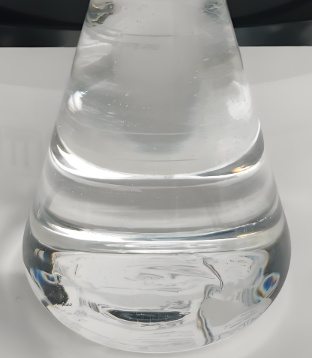
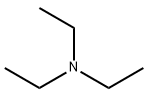
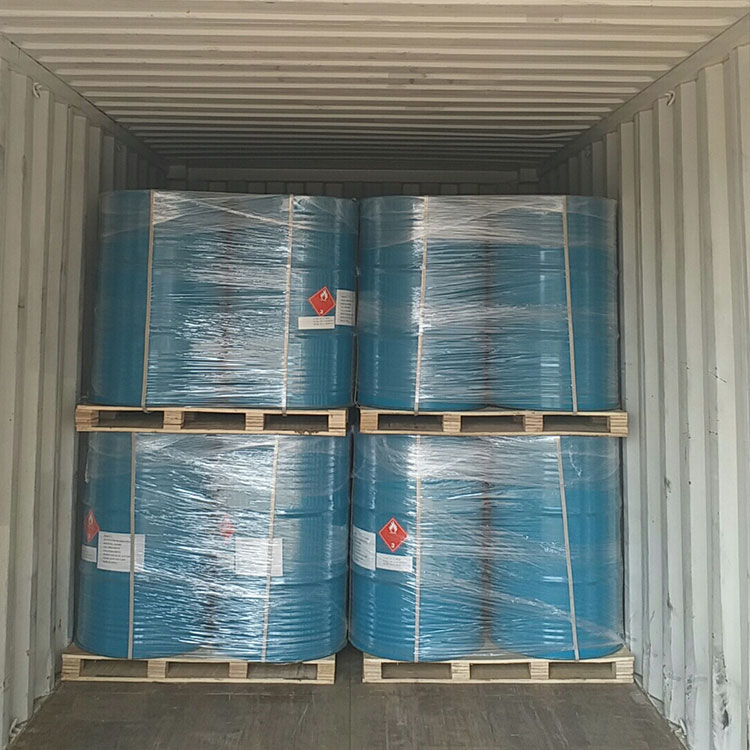
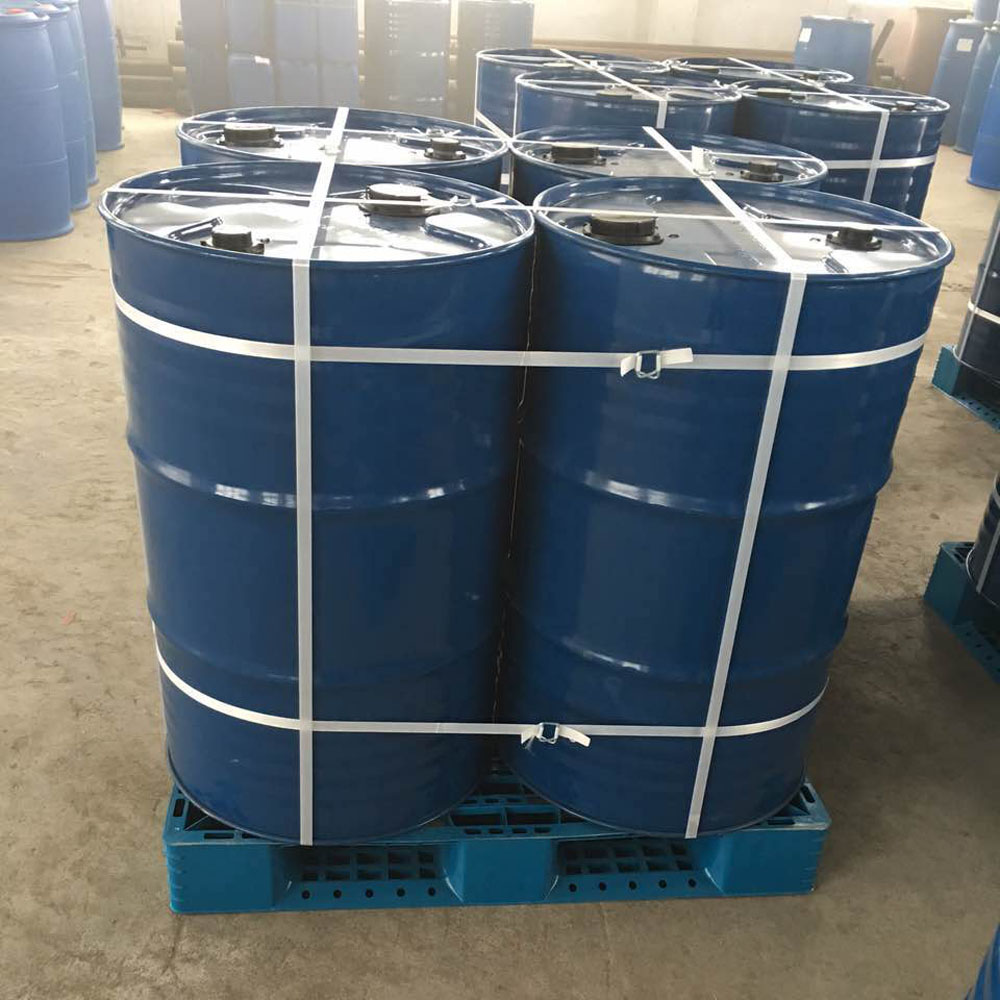
Triethylamine CAS#121-44-8
CAS Number: 121-44-8
Chemical Formula: C6H15N
Appearance: Colorless Liquid
Synonyms:
HS Code: 29211910
MOQ (Minimum Order Quantity): 1 FCL (Full Container Load)
Triethylamine CAS#121-44-8
Triethylamine (formula: C6H15N), also known as N, N-diethylethanamine, is the most simple tri-substituted uniformly tertiary amine, having typical properties of tertiary amines, including salifying, oxidation, Hing Myers test (Hisberg reaction) for triethylamine does not respond. It is colorless to pale yellow transparent liquid, with a strong smell of ammonia, slightly fuming in the air. Boiling point: 89.5 ℃, relative density (water = 1): 0.70, the relative density (Air = 1): 3.48, slightly soluble in water, soluble in alcohol, ether. Aqueous solution is alkaline, flammable. Vapor and air can form explosive mixtures, the explosion limit is 1.2% to 8.0%. It is toxic, with a strong irritant.
Triethylamine Chemical Properties |
Melting point | -115 °C |
Boiling point | 90 °C |
density | 0.728 |
vapor density | 3.5 (vs air) |
vapor pressure | 51.75 mm Hg ( 20 °C) |
refractive index | n |
FEMA | 4246 | TRIETHYLAMINE |
Fp | 20 °F |
storage temp. | Store below +30°C. |
solubility | water: soluble112g/L at 20°C |
pka | 10.75(at 25℃) |
form | Liquid |
color | Clear |
Specific Gravity | 0.725 (20/4℃) |
Relative polarity | 1.8 |
PH | 12.7 (100g/l, H2O, 15℃)(IUCLID) |
Odor | Strong ammonia-like odor |
Odor Threshold | 0.0054ppm |
Odor Type | fishy |
explosive limit | 1.2-9.3%(V) |
Water Solubility | 133 g/L (20 ºC) |
Merck | 14,9666 |
JECFA Number | 1611 |
BRN | 1843166 |
Henry's Law Constant | 1.79 at 25 °C (Christie and Crisp, 1967) |
Exposure limits | NIOSH REL: IDLH 200 ppm; OSHA PEL: TWA 25 ppm (100 mg/m3); ACGIH TLV: TWA 1 ppm, STEL 3 ppm (adopted). |
Dielectric constant | 5.0(Ambient) |
Stability: | Stable. Extremely flammable. Readily forms explosive mixtures with air. Note low flash point. Incompatible with strong oxidizing agents, strong acids, ketones, aldehydes, halogenated hydrocarbons. |
Cosmetics Ingredients Functions | EMULSION STABILISING |
InChI | 1S/C6H15N/c1-4-7(5-2)6-3/h4-6H2,1-3H3 |
InChIKey | ZMANZCXQSJIPKH-UHFFFAOYSA-N |
SMILES | CCN(CC)CC |
LogP | 1.65 |
CAS DataBase Reference | 121-44-8(CAS DataBase Reference) |
NIST Chemistry Reference | Triethylamine(121-44-8) |
EPA Substance Registry System | Triethylamine (121-44-8) |
Absorption | cut-off at 278nm |
Safety Information |
Hazard Codes | F,C |
Risk Statements | 11-20/21/22-35 |
Safety Statements | 3-16-26-29-36/37/39-45-61 |
RIDADR | UN 1296 3/PG 2 |
WGK Germany | 1 |
RTECS | YE0175000 |
F | 34 |
Autoignition Temperature | 593 °F |
Hazard Note | Highly Flammable/Corrosive |
TSCA | TSCA listed |
HazardClass | 3 |
PackingGroup | II |
HS Code | 29211910 |
Storage Class | 3 - Flammable liquids |
Hazard Classifications | Acute Tox. 3 Dermal |
Hazardous Substances Data | 121-44-8(Hazardous Substances Data) |
Toxicity | LD50 orally in rats: 0.46 g/kg (Smyth) |
IDLA | 200 ppm |
Product Application Of Triethylamine CAS#121-44-8
Triethylamine is a clear, colorless liquid with an Ammonia or fish-like odor. It is used in making waterproofing agents, and as a catalyst, corrosion inhibitor and propellant.
It is mainly used as base, catalyst, solvent and raw material in organic synthesis and is generally abbreviated as Et3N, NEt3 or TEA. It can be used to prepare phosgene polycarbonate catalyst, polymerization inhibitor of tetrafluoroethylene, rubber vulcanization accelerator, special solvent in paint remover, enamel anti-hardener, surfactant, antiseptic, wetting agent, bactericides, ion exchange resins, dyes, fragrances, pharmaceuticals, high-energy fuels, and liquid rocket propellants, as a curing and hardening agent for polymers and for the desalination of seawater.
Factory and Equipment Show
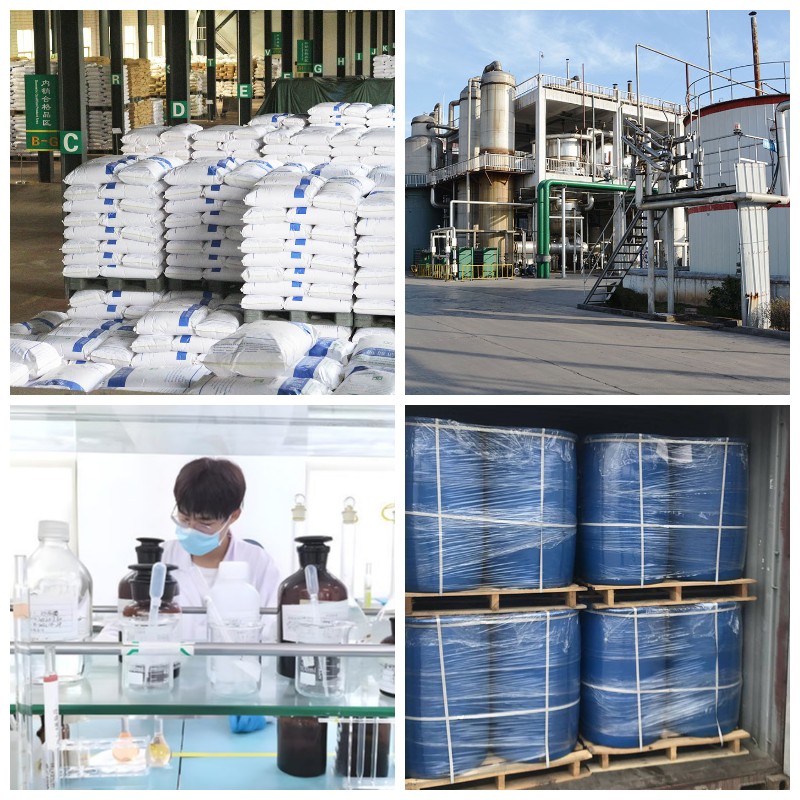
Fast delivery time
Inventory 2-3 working days New production 7-10 working days