Español
 العربية
 Francés
 Русский
 Português
 Deutsch
 Italiano
 Kazakh
 Uzbek
Uzbek

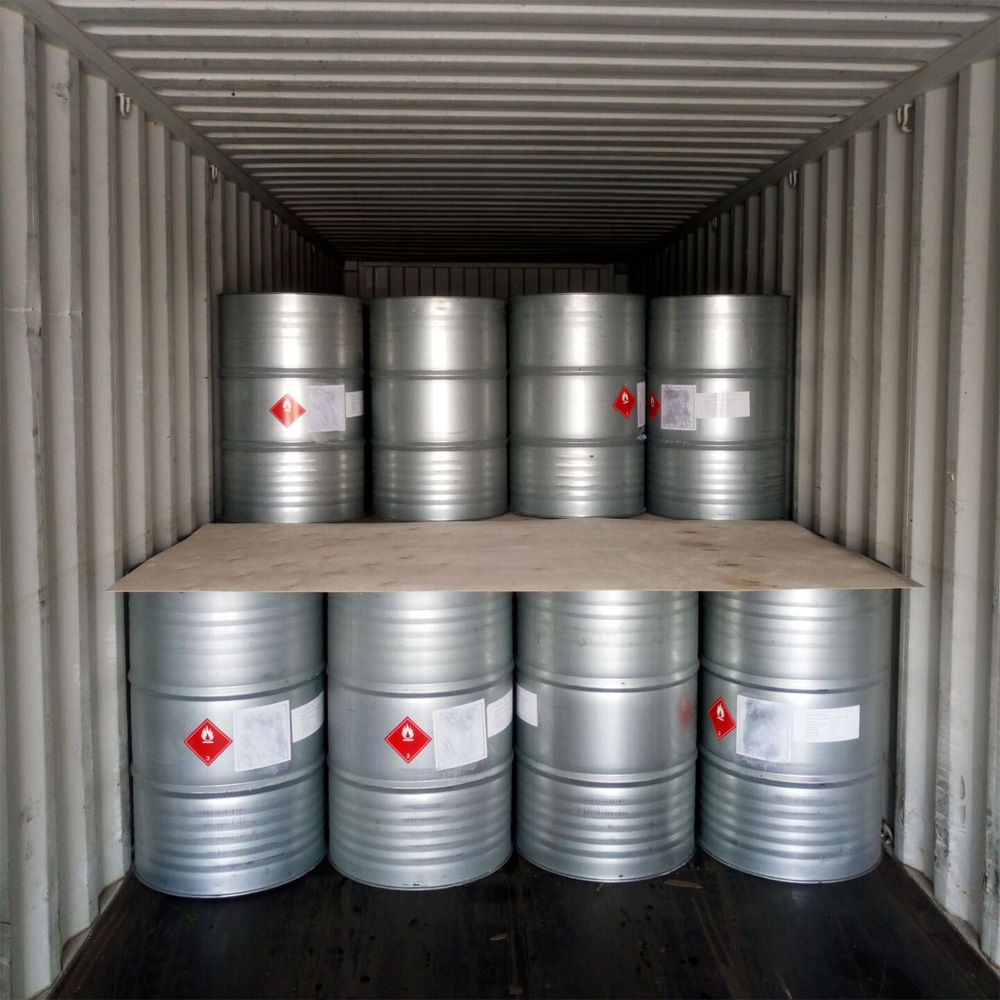
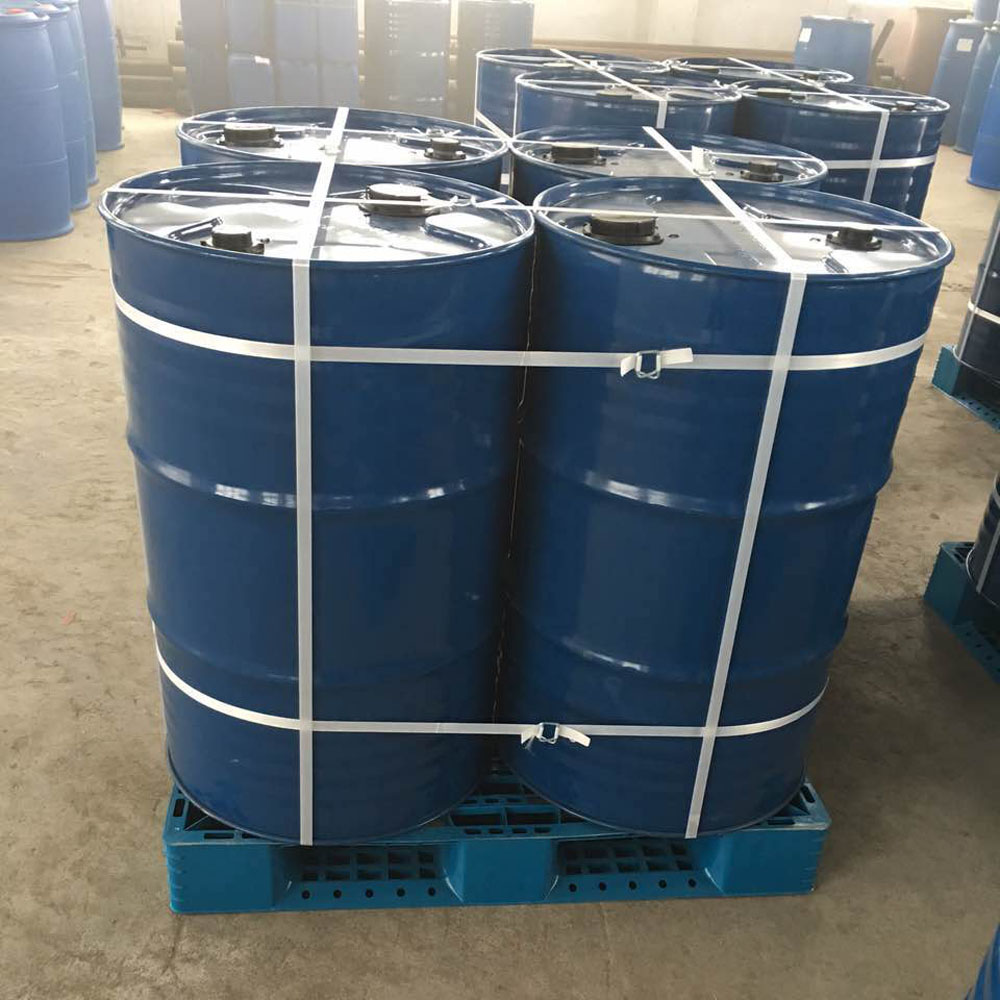
Chlorinated paraffin CAS#63449-39-8
CAS Number: 63449-39-8
Chemical Formula: C24H30Cl20C15H14Cl18
Synonyms:
CHLORINATEDPARAFFIN52%
Paraffin waxes and Hydrocarbon waxes, chloro
Chlorinated Paraffin 60%
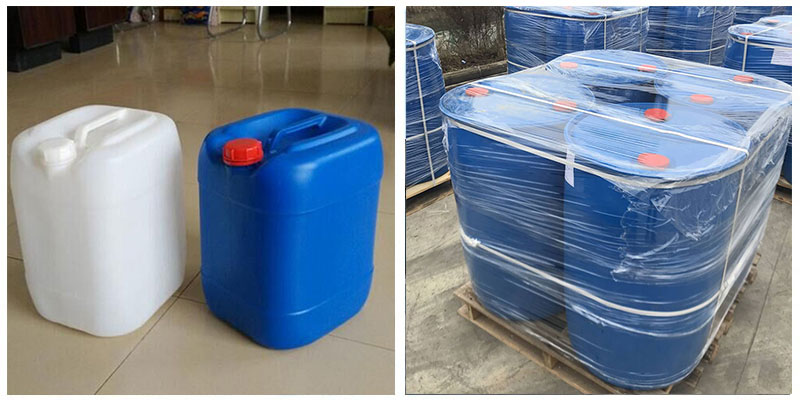
MOQ (Minimum Order Quantity): 1 FCL (Full Container Load)
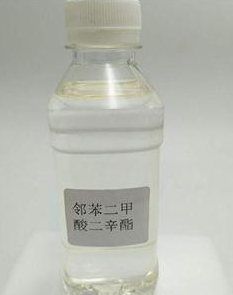
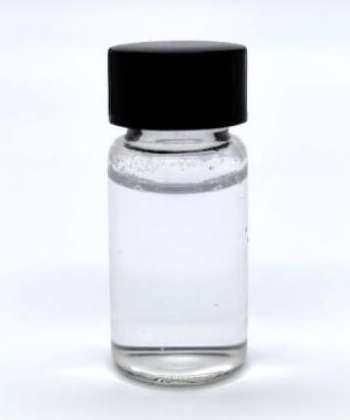
Appearance: Colorless Liquid
Chlorinated paraffin CAS#63449-39-8
Chlorinated paraffins are a class of chemicals used for a variety of applications. They can be classified according to the length of their chlorine chains, and commercial formulations may include a mix of compounds in this class. CAS 106232-86-4 is considered a Long Chain Chlorinated Paraffin (LCCP), with 24 chlorine atoms. The long form is less environmentally sensitive than short-length varieties.
Chlorinated paraffin is largely inert, almost insoluble in water, and flame retardant. It can function as a plasticizing additive to for metal lubricants and cutting fluids, plastics, rubber, paint, adhesives, and more. Most of the world’s chlorinated paraffin is produced in China.
Chlorinated paraffin Chemical Properties |
Melting point | 95-110 |
Boiling point | 413-508℃ |
density | 1.387 g/mL at 20 °C(lit.) |
refractive index | n |
Fp | 392 |
solubility | tetrahydrofuran: 0.1 g/mL, clear |
form | |
LogP | 5.88-12.83 at 18.7-20℃ and pH6-7 |
EPA Substance Registry System | Chlorinated paraffin waxes and hydrocarbon waxes (63449-39-8) |
Safety Information |
Safety Statements | 23-24/25 |
WGK Germany | 3 |
TSCA | TSCA listed |
Hazardous Substances Data | 63449-39-8(Hazardous Substances Data) |
Product Application of Chlorinated paraffin CAS#63449-39-8
Liquid is an amorphous (non-crystalline) form of matter intermediate between gases and solids in which the molecules are much more highly concentrated than in solids. Liquids take the shape of their containers but have fixed volume at a particular temperature and are incompressible.
Liquid molecules are free to move within the limits set by intermolecular attractive forces. At the aidliquid interface the vibration of the molecules causes some of them to be ejected from the liquid at a rate depending on the surface tension. The tendency of molecules to escape from a liquid surface is called fugacity and is largely responsible for evaporation. When the air space is restricted, the escaping molecules eventually saturate the air and thus the number of molecules leaving the liquid is equal to those returning to it as a result of molecular attraction. In these circumstances, the liquid/air system is said to be in equilibrium.
Liquids vary greatly in viscosity, boiling point, vapor pressure and surface tension. Mercury has a specific gravity of 13.6 and the highest surface tension of all liquids. Glass has the highest viscosity. Polar liquids are those where molecules have opposite electrical charges on their terminal atoms or groups, which impart a force called dipolemoment. Water is a polar liquid with high dielectric constant. Pure hydrocarbon liquids are generally non-polar.
Fact Factory and Equipment Show
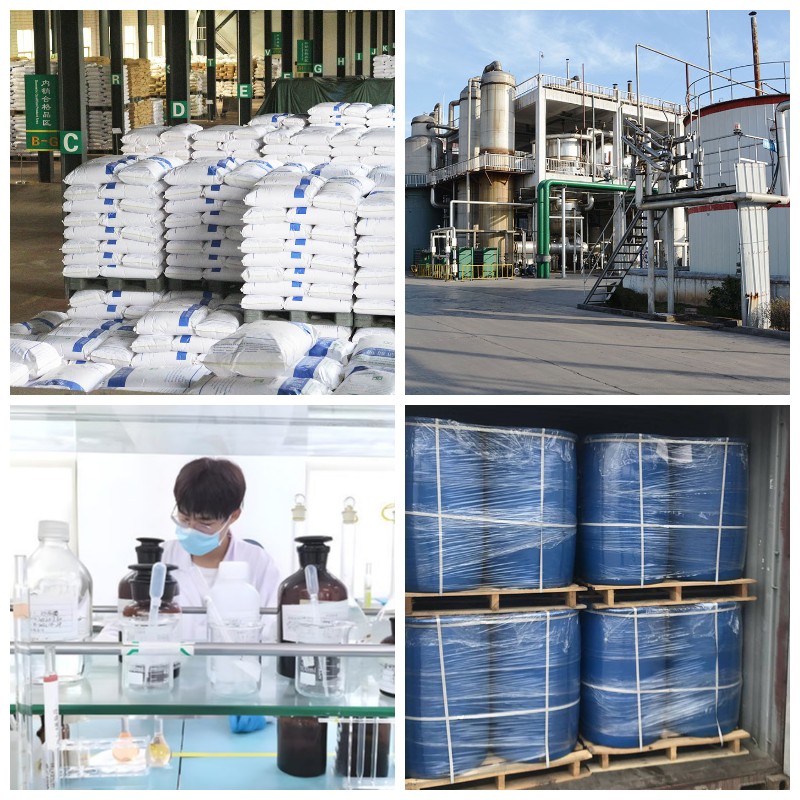
Fast delivery time
Inventory 2-3 working days New production 7-10 working days