Español
 العربية
 Francés
 Русский
 Português
 Deutsch
 Italiano
 Kazakh
 Uzbek
Uzbek


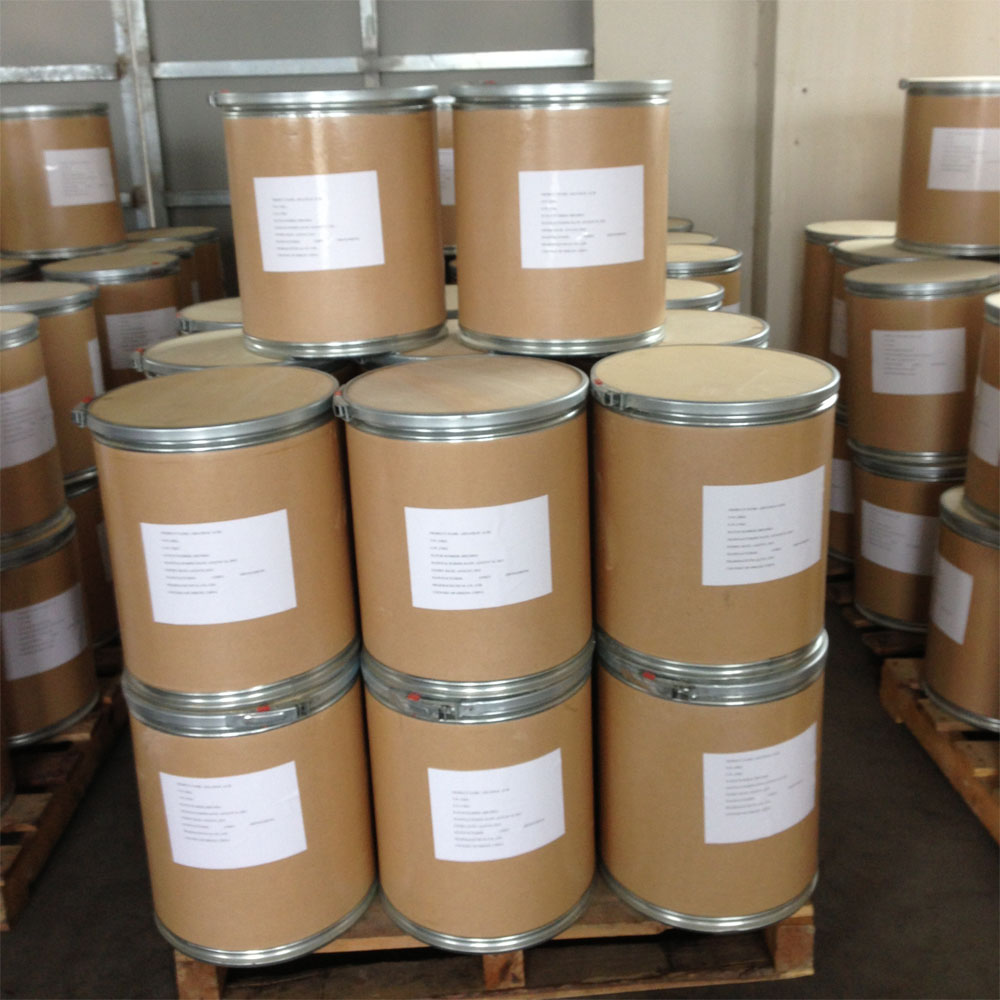
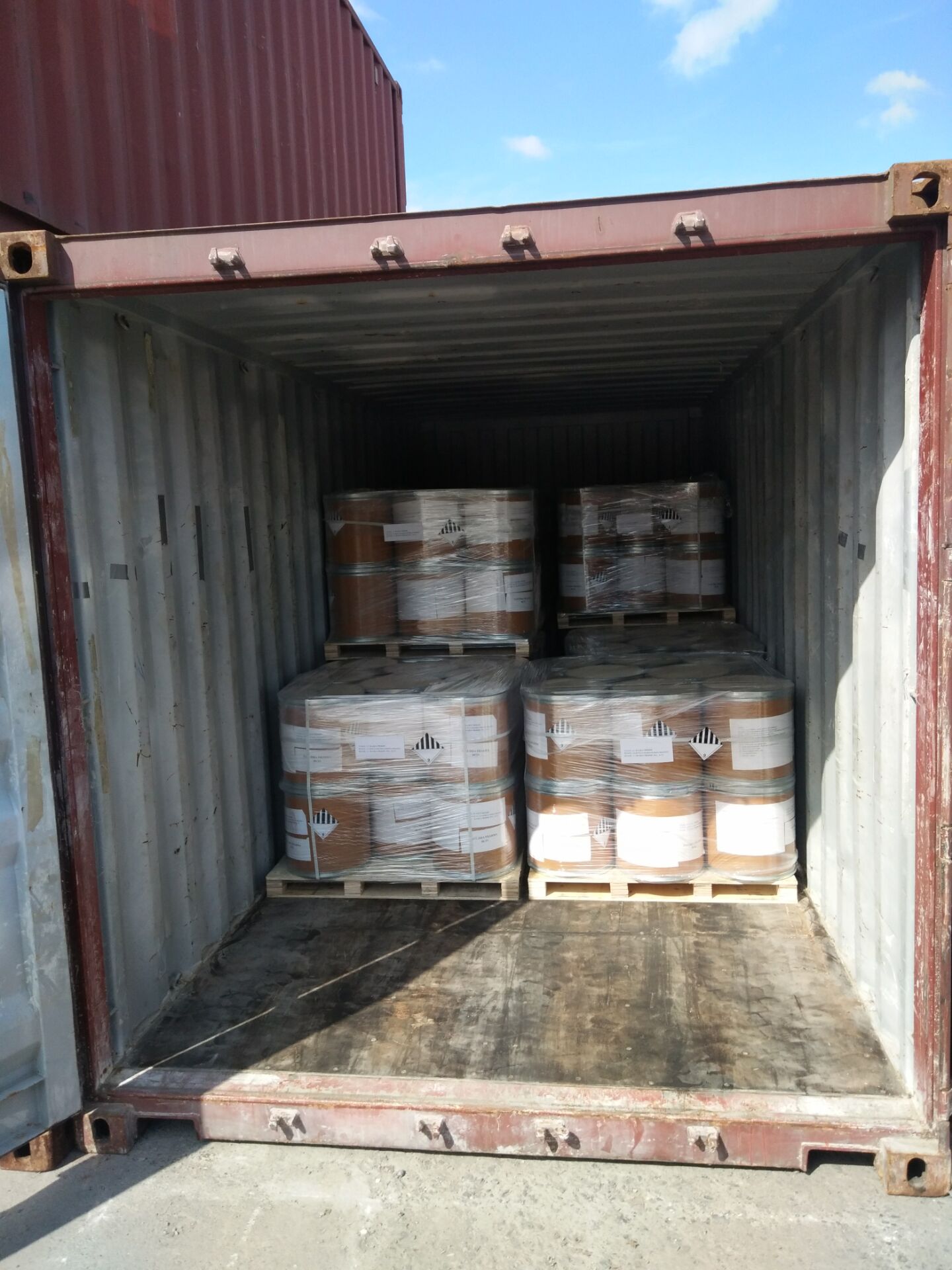
Panthenol CAS#16485-10-2
CAS Number: 16485-10-2
Chemical Formula: C9H19NO4
Synonyms:
DL-PANTHENOL
DL-N-PANTOYL-E-PROPANOLAMINE
2,4-dihydroxy-N-(3-hydroxypropyl)-3,3-dimethyl-,(+-)-Butanamide
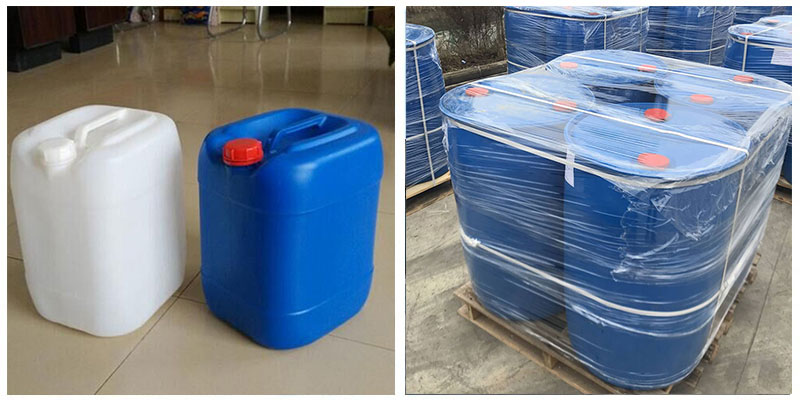
MOQ (Minimum Order Quantity): 1 FCL (Full Container Load)
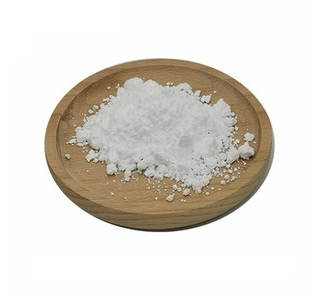
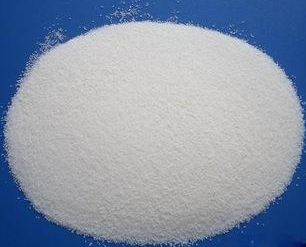
Appearance: White Powder
Panthenol CAS#16485-10-2
Panthenol (also called pantothenol) is the alcohol analog of pantothenic acid (vitamin B5), and is thus a provitamin of B5. In organisms it is quickly oxidized to pantothenic acid. It is a viscous transparent liquid at room temperature. Panthenol is used as a moisturizer and to improve wound healing in pharmaceutical and cosmetic products.
Panthenol is a multi-functional active ingredient that would be useful in most skin care formulations. Its efficacy has been substantiated in numerous peer-reviewed journals. The biologically active form of Panthenol, D-panthenol (EU), is the stable alcohol analogue of vitamin B5, pantothenic acid (EU), and is quickly converted to vitamin B5 (pantothenate) in the body. Pantothenic acid is present in all living cells and acts as an essential nutritional component due to its role in the formation of acetyl-co-enzyme A in the early stages of metabolism. The main role of acetyl-co-enzyme A is to provide activated acetic acid into the citric acid cycle (Krebs Cycle). This produces carbon dioxide, water, and energy. Co-enzyme A also transfers to other molecules such as Nacetyl-glucosamine (EU) and acetylcholine (EU) to help in the production of steroids and the synthesis of fatty acids. Coenzyme A also helps the body detoxify foreign substances.
Panthenol Chemical Properties |
Melting point | 66-69 °C (lit.) |
alpha | 0°(c=5, H2O) |
Boiling point | 118-120 °C(Press: 0.02 Torr) |
density | 1.166±0.06 g/cm3(Predicted) |
vapor pressure | 0.004Pa at 25℃ |
storage temp. | Inert atmosphere,Room Temperature |
solubility | Acetonitrile (Slightly), DMSO (Slightly), Methanol (Slightly) |
pka | 13.03±0.20(Predicted) |
form | Solid |
color | White to Off-White |
Water Solubility | Soluble in water, ethanol, ether, chloroform, and propylene glycol. |
Sensitive | Hygroscopic |
Merck | 14,2947 |
BRN | 1724945 |
Cosmetics Ingredients Functions | HAIR CONDITIONING |
InChIKey | SNPLKNRPJHDVJA-UHFFFAOYSA-N |
LogP | -1.02 at 22℃ |
CAS DataBase Reference | 16485-10-2(CAS DataBase Reference) |
EPA Substance Registry System | Butanamide, 2,4-dihydroxy-N-(3-hydroxypropyl)-3,3-dimethyl- (16485-10-2) |
Safety Information |
Hazard Codes | Xn |
Risk Statements | 36/37/38-48-41-37/38-20/21/22 |
Safety Statements | 26-37-45-36/37/39-22 |
WGK Germany | 3 |
RTECS | ES4316500 |
F | 3 |
TSCA | TSCA listed |
HS Code | 29362400 |
Toxicity | mouse,LD50,intraperitoneal,10100mg/kg (10100mg/kg),Farmaco, Edizione Scientifica. Vol. 14, Pg. 43, 1959. |
Product Application of Panthenol CAS#16485-10-2
Panthenol, the active form of panthenol, is enzymatically cleaved to form pantothenic acid (Vitamin B5), which is an essential component of Coenzyme A that acts as a cofactor in many enzymatic reactions that are important for protein metabolism in the epithelium.
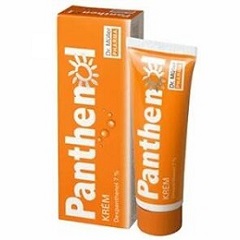
Due to its good penetration and high local concentrations, dexpanthanol is used in many topical products, such as ointments and lotions for treatment of dermatological conditions to relieve itching or promote healing. Dermatological effects of the topical use of dexpanthenol include increased fibroblast proliferation and accelerated re-epithelialization in wound healing. Furthermore, it acts as a topical protectant, moisturizer, and has demonstrated anti-inflammatory properties. The vitamin ingredient Panthenol is valued in skin and hair care applications for its moisturizing properties. It has anti-inflammatory effects and soothes irritated and sensitive skin. For hair care application it is known for its humectant properties and its ability to improve the resistance of hair to mechanical stress.
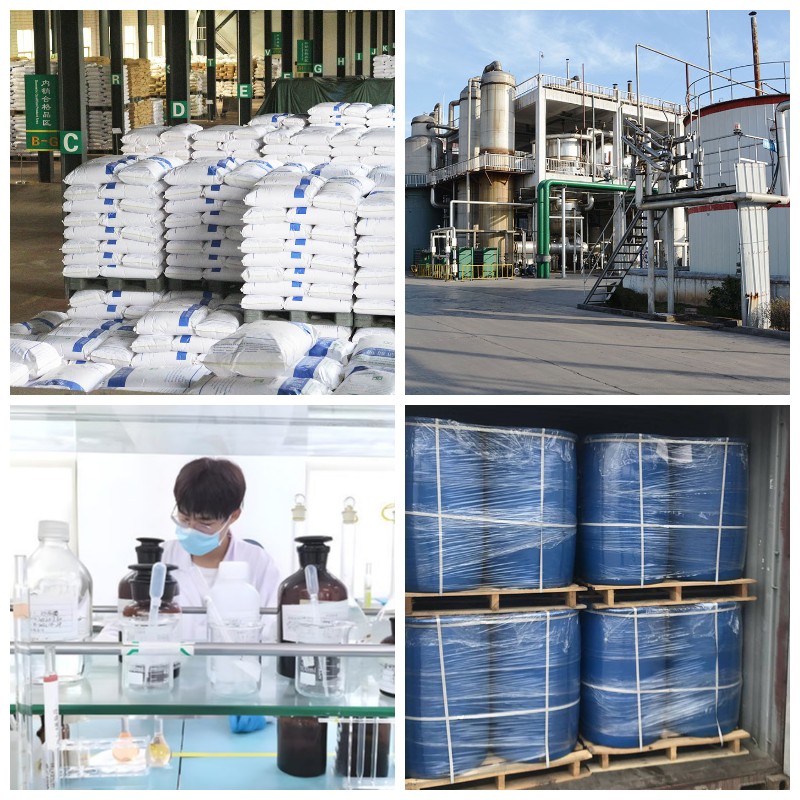
Factory and Equipment Show
Fast delivery time
Inventory 2-3 working days New production 7-10 working days