Español
 العربية
 Francés
 Русский
 Português
 Deutsch
 Italiano
 Kazakh
 Uzbek
Uzbek

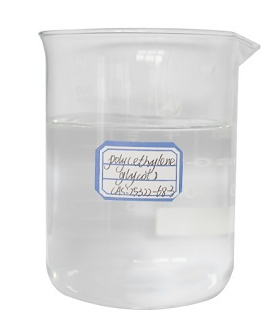
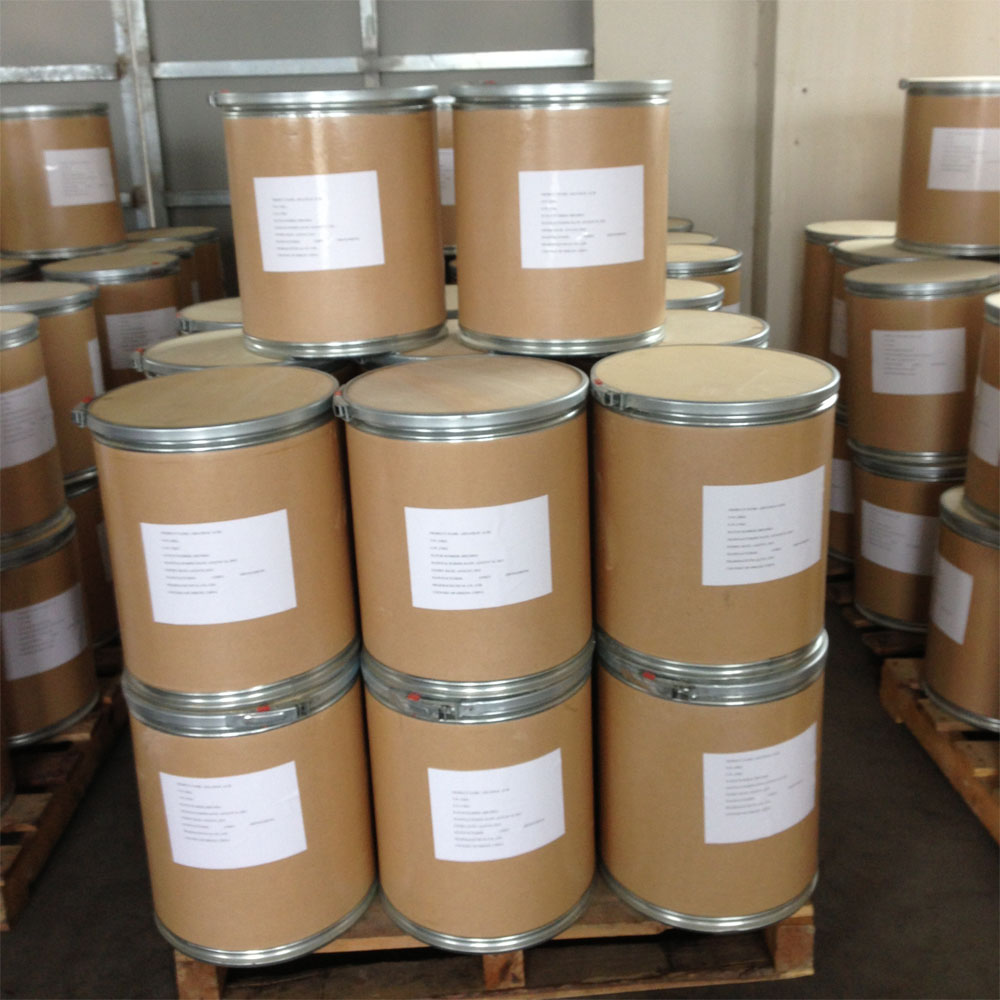
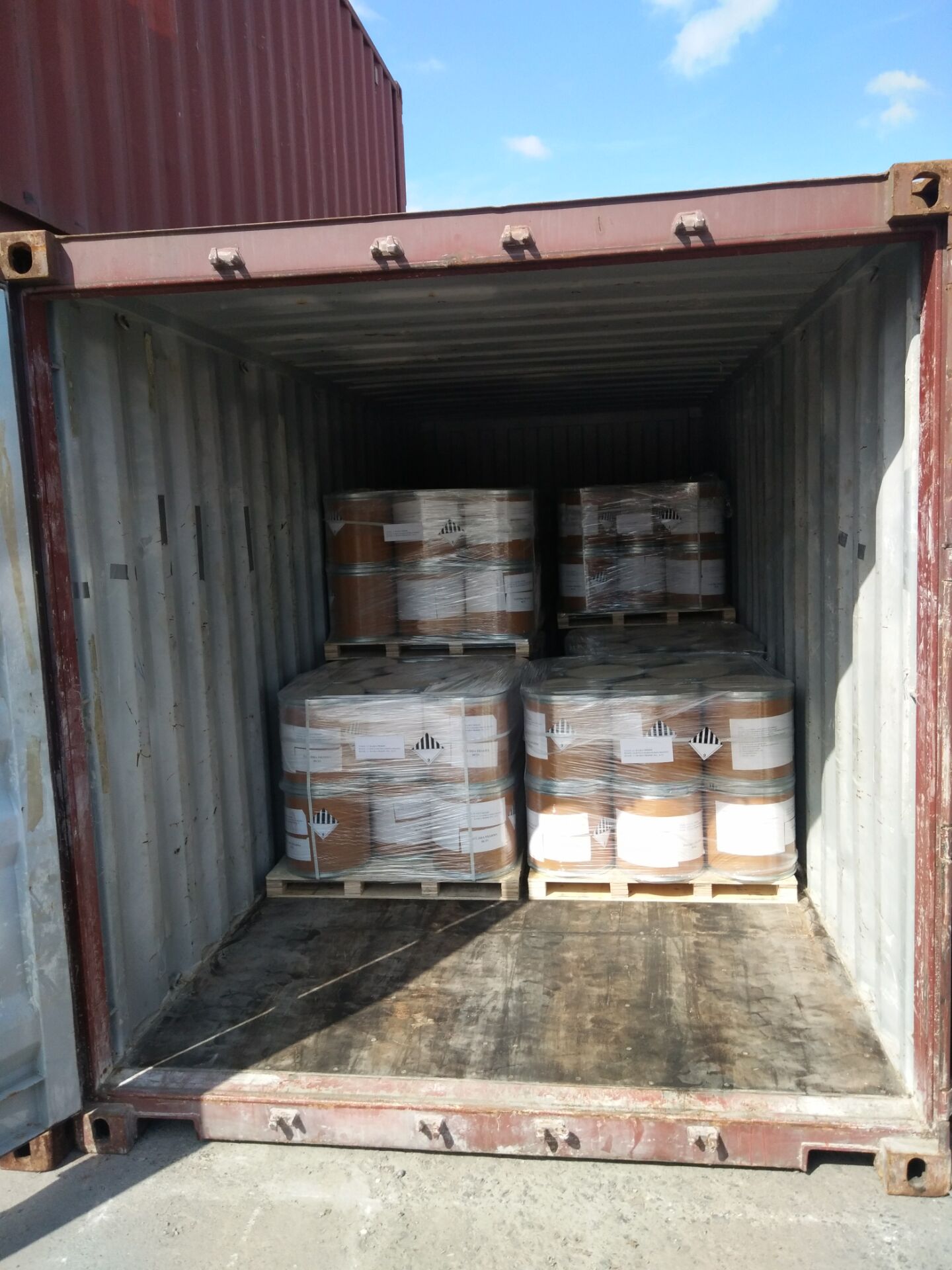
Polyethylene Glycol CAS#25322-68-3
CAS Number: 25322-68-3
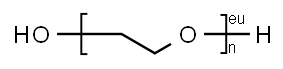
Chemical Formula: (C2H4O)nH2O
Synonyms:
Poly(ethylene oxide),approx. M.W. 900,000
Poly(ethylene oxide),approx. M.W. 200,000
Poly(ethylene oxide),approx. M.W. 600,000
MOQ (Minimum Order Quantity): 1 FCL (Full Container Load)
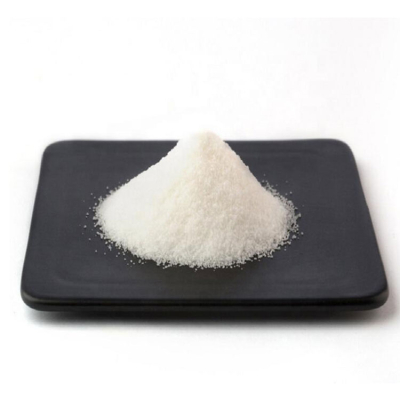
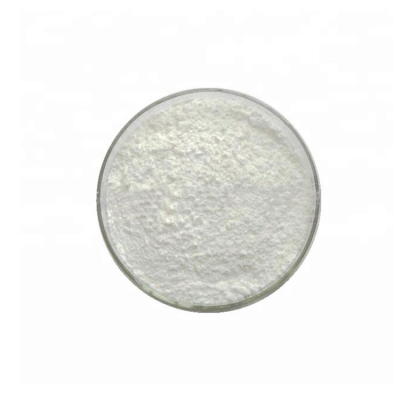
Appearance: White Powder
Polyethylene Glycol CAS#25322-68-3
Polyethylene glycol is a polymer which is hydrolyzed by ethylene oxide. It has no toxicity and irritation. It is widely used in various pharmaceutical preparations. The toxicity of low molecular weight polyethylene glycol is relatively large. In general, the toxicity of diols is very low. Topical application of polyethylene glycol, especially mucosal drug, can cause irritant pain. In topical lotion, this product can increase the flexibility of the skin, and has a similar moisturizing effect with glycerin. Diarrhoea can occur in large doses of oral administration. In injection, the maximum polyethylene glycol 300 concentration is about 30% (V/V). Hemolysis could occur when the concentration is more than 40% (V/V).
Polyethylene Glycol Chemical Properties |
Melting point | 64-66 °C |
Boiling point | >250°C |
density | 1.27 g/mL at 25 °C |
Tg | -67 |
bulk density | 400-500kg/m3 |
vapor density | >1 (vs air) |
vapor pressure | <0.01 mm Hg ( 20 °C) |
refractive index | n |
Fp | 270 °C |
storage temp. | 2-8°C |
solubility | H2O: 50 mg/mL, clear, colorless |
form | waxy solid |
color | White to very pale yellow |
Specific Gravity | 1.128 |
PH | 5.5-7.0 (25℃, 50mg/mL in H2O) |
biological source | synthetic (organic) |
Water Solubility | Soluble in water. |
λmax | λ: 260 nm Amax: 0.6 |
Sensitive | Hygroscopic |
Merck | 14,7568 |
α-end | hydroxyl |
Ω-end | hydroxyl |
Stability: | Stable. Incompatible with strong oxidizing agents. |
Cosmetics Ingredients Functions | BINDING |
LogP | -0.698 at 25℃ |
Surface tension | 43.5mN/m at 20°C |
NIST Chemistry Reference | Polyethylene glycol(25322-68-3) |
EPA Substance Registry System | Polyethylene glycol (25322-68-3) |
Absorption | ≤0.1 at 280nm |
Safety Information |
Hazard Codes | Xi,T |
Risk Statements | 36/38-52/53-33-23/24/25 |
Safety Statements | 26-36-24/25-61-45-36/37 |
WGK Germany | 3 |
RTECS | TQ4110000 |
F | 3-9 |
Autoignition Temperature | 581 °F |
Hazard Note | Harmful |
TSCA | TSCA listed |
HS Code | 39072011 |
Hazardous Substances Data | 25322-68-3(Hazardous Substances Data) |
Toxicity | LD50 orally in Rabbit: 28000 mg/kg LD50 dermal Rabbit > 20000 mg/kg |
Product Application of Polyethylene Glycol CAS#25322-68-3
Polyethylene glycols are a family of linear polymers formed by a base-catalyzed condensation reaction with repeating ethylene oxide units being added to ethylene. The molecular formula is (C2H4O)multH2O where mult denotes the average number of oxyethylene groups. The molecular weight can range from 200 to several million corresponding to the number of oxyethylene groups. The higher-molecular-weight materials (100 000 to 5 000 000) are also referred to as polyethylene oxides. The average molecular weight of any specific polyethylene glycol product falls within quite narrow limits (°5%). The number of ethylene oxide units or their approximate molecular weight (e.g., PEG-4 or PEG-200) commonly designates the nomenclature of specific polyethylene glycols. Polyethylene glycols with amolecular weight less than 600 are liquid, whereas those of molecular weight 1000 and above are solid. These materials are nonvolatile, water-soluble, tasteless, and odorless. They are miscible with water, alcohols, esters, ketones, aromatic solvents, and chlorinated hydrocarbons, but immiscible with alkanes, paraffins, waxes, and ethers.
Factory and Equipment Show
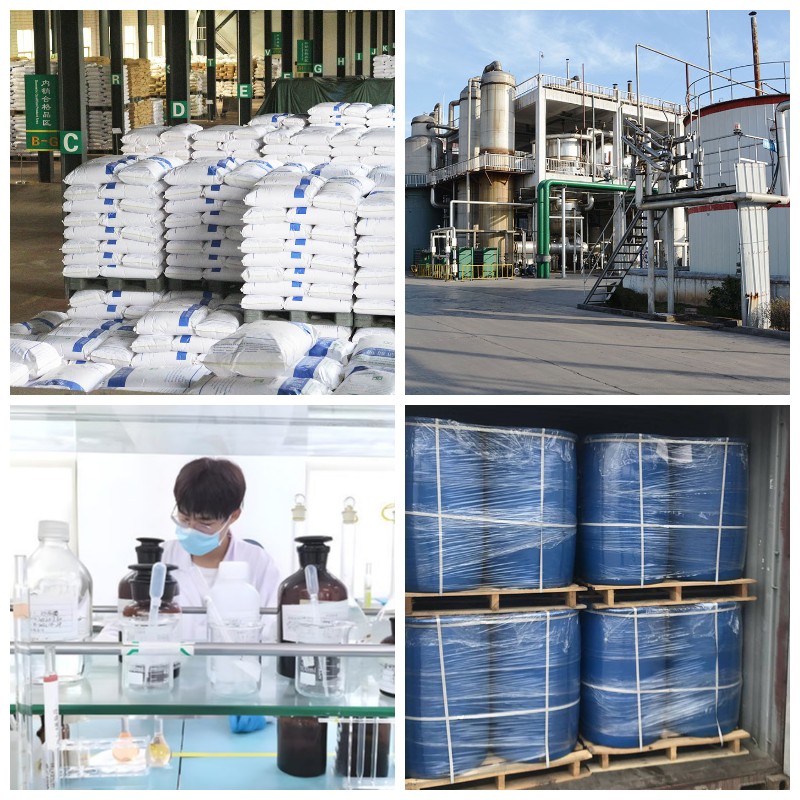
Fast delivery time
Inventory 2-3 working days New production 7-10 working days