Español
 العربية
 Francés
 Русский
 Português
 Deutsch
 Italiano
 Kazakh
 Uzbek
Uzbek

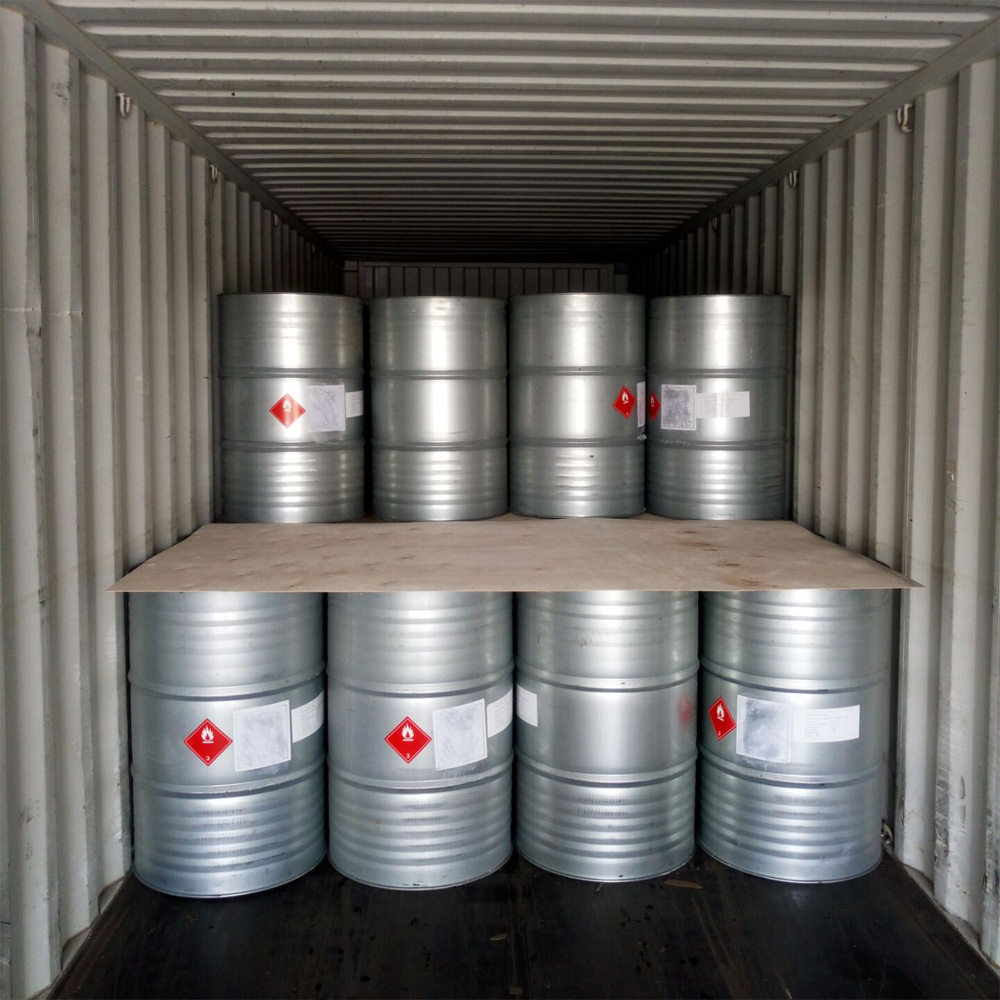
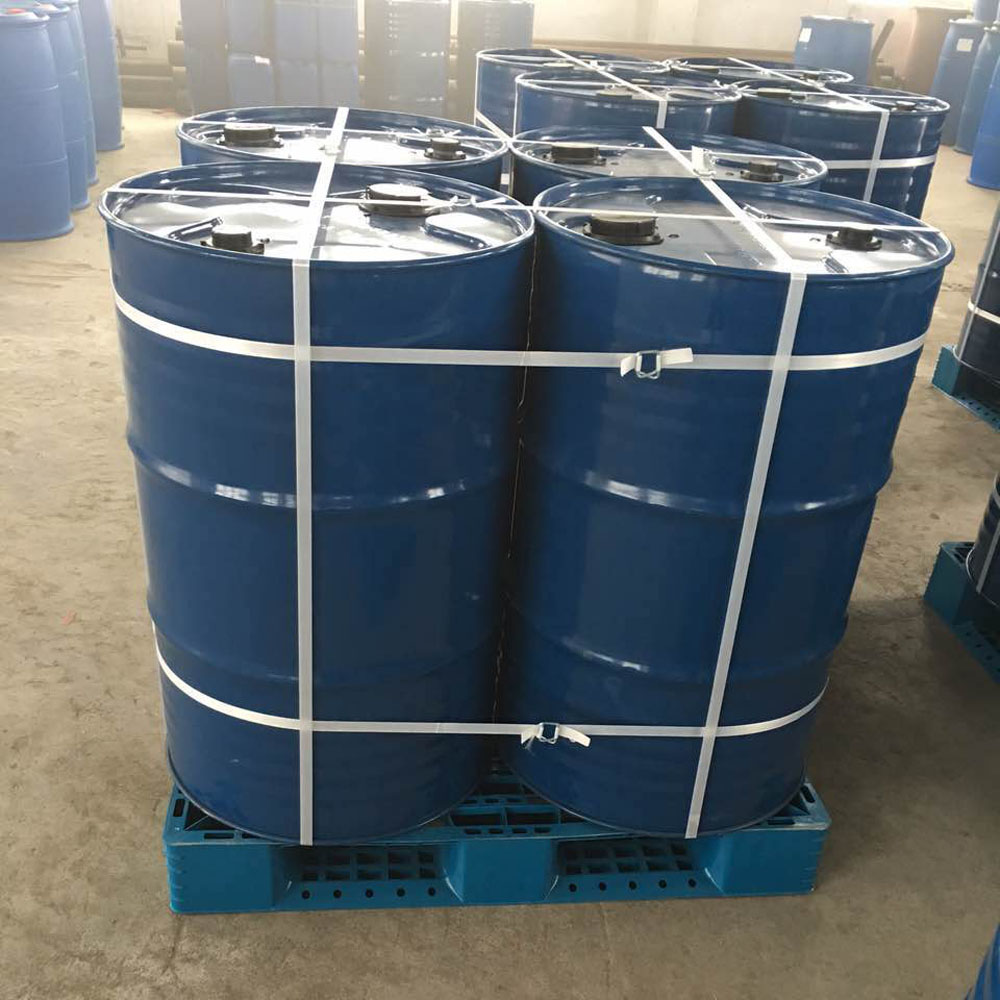
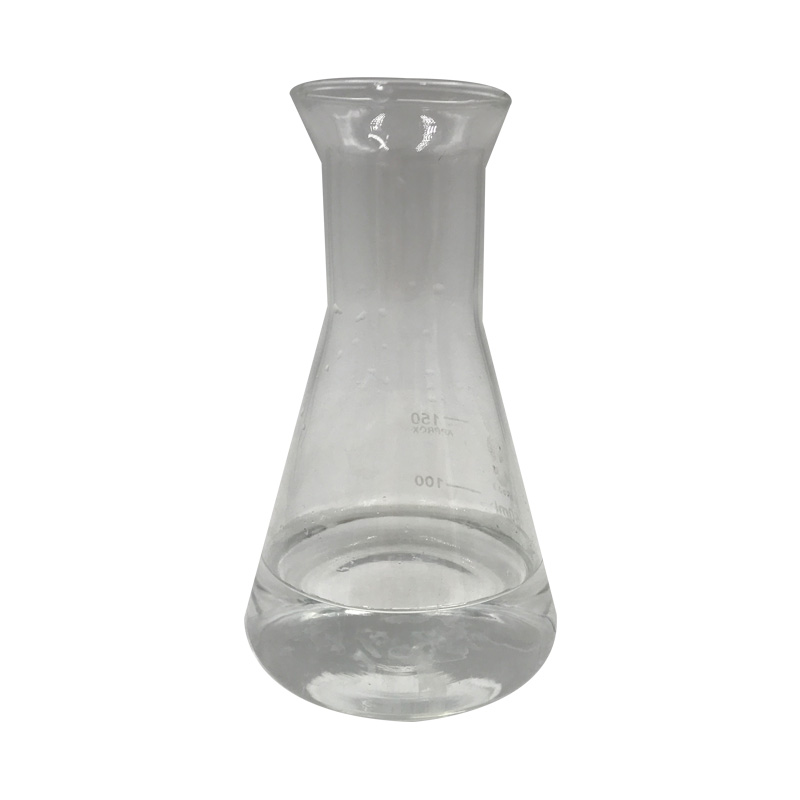
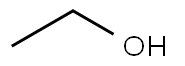
Ethanol CAS#64-17-5
Chemical Name:Ethanol
CAS No.:64-17-5
Appearance: Liquid. Colorless liquid / invisible vapor.
Molecular Formula:C2H6O
Molecular weight:46.07
Sample: Available
Products Description of Ethanol CAS#64-17-5
Ethanol absolute (anhydrous ethanol) industrial product purity ≥ 99.5%, colorless transparent volatile liquid, with slight alcoholic odor. Melting point -114℃, boiling point 78.5℃. Vapor pressure 5.3kPa (25℃), relative density 0.789 (20℃). Solubility in water: miscible in all proportions, soluble in ether and chloroform, miscible with most organic solvents. Stable, incompatible with strong oxidizing agents and acids.
Parameters
Melting point | -114°C |
Boiling point | 78°C |
density | 0.789 g/mL at 20 °C |
vapor density | 1.59 (vs air) |
vapor pressure | 43 mmHg at 20 °C |
refractive index | 1.3614 |
FEMA | 2419 | ETHYL ALCOHOL |
Fp | 12°C |
storage temp. | room temp |
solubility | water: soluble (completely) |
form | Liquid. Colorless liquid / invisible vapor. |
pka | 16(at 25℃) |
Specific Gravity | 0.80872~0.81601 |
color | APHA: ≤10 |
Flame Color | (Light) blue |
Relative polarity | 0.654 |
PH | 7.0 (10g/l, H2O, 20℃) |
Odor | Pleasant alcoholic odor detectable at 49 to 716 ppm (mean = 180 ppm) |
Odor Threshold | 0.52ppm |
Odor Type | alcoholic |
biological source | synthetic |
explosive limit | 3.1-27.7%(V)(ethanol) |
Water Solubility | miscible |
λmax | λ: 240 nm Amax: 0.40 |
Sensitive | Hygroscopic |
Merck | 14,3760 |
JECFA Number | 41 |
BRN | 1718733 |
Exposure limits | TLV-TWA 1900 mg/m3 (1000 ppm) (ACGIH). |
Dielectric constant | 24.3(25℃) |
Stability: | Stable. Substances to be avoided include strong oxidizing agents, peroxides, acids, acid chlorides, acid anhydrides, alkali metals, ammonia, moisture. Forms explosive mixtures with air. Hygroscopic. |
LogP | -0.19 |
Surface tension | 22.1mN/m at 20°C |
CAS DataBase Reference | 64-17-5(CAS DataBase Reference) |
NIST Chemistry Reference | Ethanol(64-17-5) |
IARC | 1 (Vol. 96, 100E) 2012 |
EPA Substance Registry System | Ethanol (64-17-5) |
Hazard Codes | F,T,Xn,N |
Risk Statements | 11-10-36/37/38-39/23/24/25-23/24/25-68/20/21/22-20/21/22-52/53-51/53 |
Safety Statements | 16-7-36-26-45-36/37-61-24/25-2017/7/16 |
OEB | A |
OEL | TWA: 1000 ppm (1900 mg/m3) |
RIDADR | 1170 |
WGK Germany | nwg |
RTECS | KQ6300000 |
Autoignition Temperature | 363 °C |
TSCA | Yes |
HazardClass | 3 |
PackingGroup | II |
HS Code | 22071000 |
Hazardous Substances Data | 64-17-5(Hazardous Substances Data) |
Toxicity | LD50 in young, old rats (g/kg): 10.6, 7.06 orally (Wiberg) |
IDLA | 3,300 ppm [10% LEL] |
Product Application of Ethanol CAS#64-17-5
A solution of 70-85% of ethanol is commonly used as a disinfectant and it kills organisms by denaturing their proteins and dissolving their lipids. It is effective against most bacteria and fungi, and many viruses, but is ineffective against bacterial spores. This disinfectant property of ethanol is the reason that alcoholic beverages can be stored for a long time[9]. Ethanol also has many medical uses, and can be found in products such as medicines, medical wipes and as an antiseptic in most antibacterial hand sanitizer gels. Ethanal can also be used as antidote. It competitively blocks the formation of toxic metabolites in toxic alcohol ingestions by having a higher affinity for the enzyme Alcohol Dehydrogenase (ADH). Its chief application is in methanol and ethylene glycol ingestions. Ethanol can be administered by the oral, nasogastric or intravenous route to maintain a blood ethanol concentration of 100-150 mg/dl (22-33 mol/L)[10].
Factory and Equipment Show
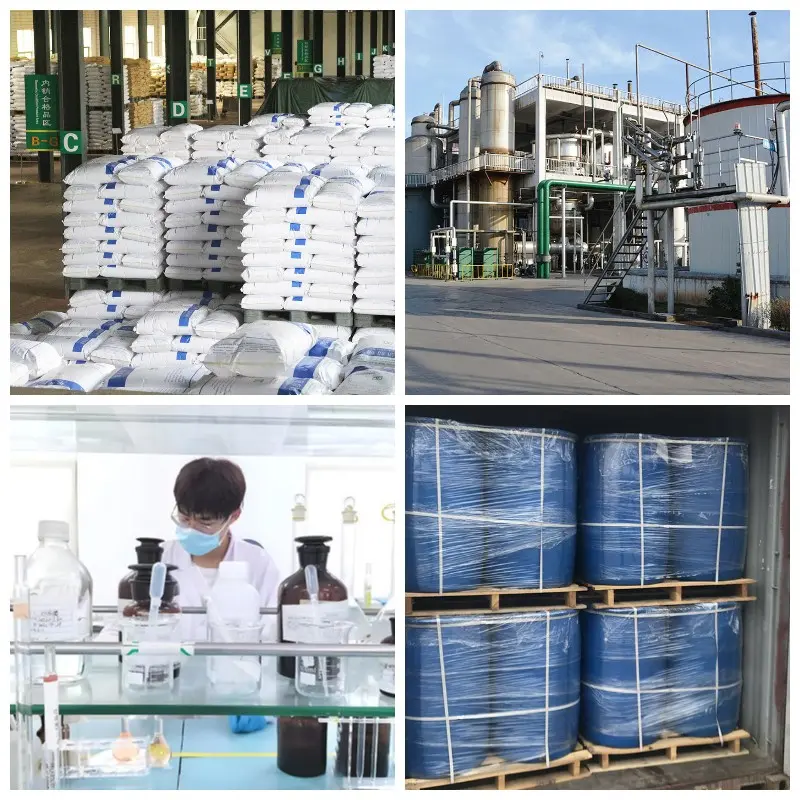
Fast delivery time
Inventory 2-3 working days New production 7-10 working days