Español
 العربية
 Francés
 Русский
 Português
 Deutsch
 Italiano
 Kazakh
 Uzbek
Uzbek

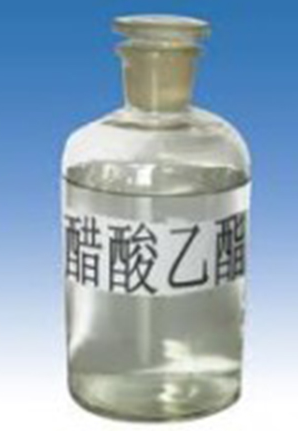
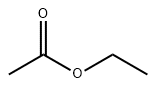
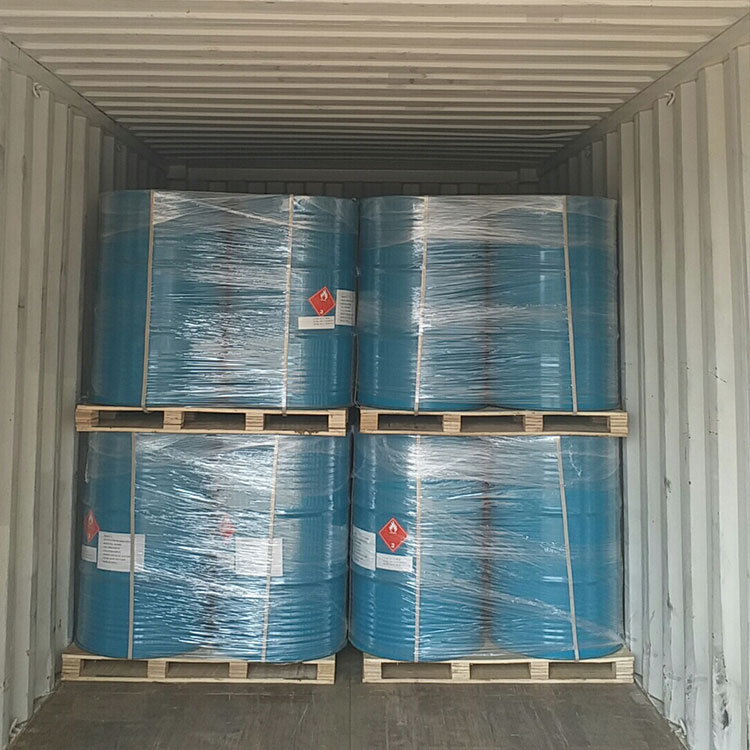

Ethyl acetate CAS#141-78-6
CAS Number: 141-78-6
Chemical Formula: C4H8O2
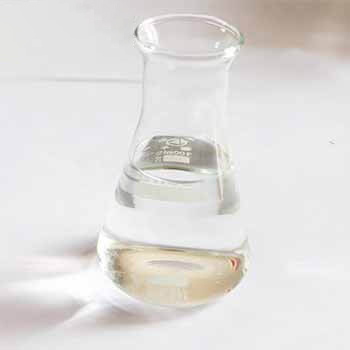
Appearance: Colorless Liquid
Synonyms:
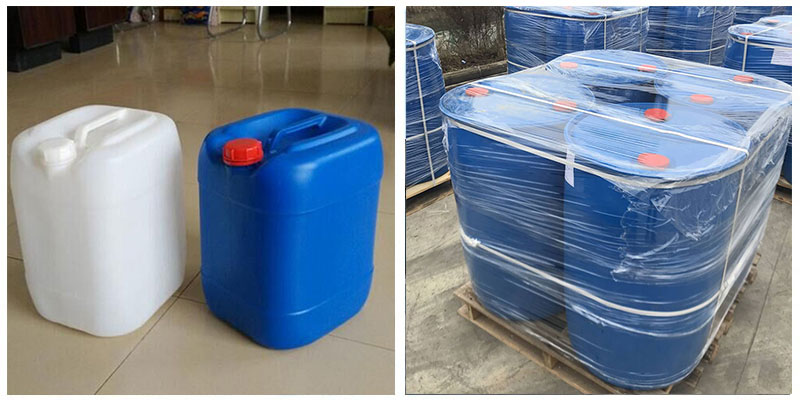
MOQ (Minimum Order Quantity): 1 FCL (Full Container Load)
Ethyl acetate (systematically, ethyl ethanoate, commonly abbreviated EtOAc or EA) is the organic compound with the formula CH3COOCH2CH3. This colorless liquid has a characteristic sweet smell (similar to pear drops) and is used in glues, nail polish removers, decaffeinating tea and coffee, and cigarettes (see list of additives in cigarettes). Ethyl acetate is the ester of ethanol and acetic acid; it is manufactured on a large scale for use as a solvent. The combined annual production in 1985 of Japan, North America, and Europe was about 400,000 tons. In 2004, an estimated 1.3M tons were produced worldwide.
Ethyl acetate Chemical Properties |
Melting point | −84 °C(lit.) |
Boiling point | 76.5-77.5 °C(lit.) |
density | 0.902 g/mL at 25 °C(lit.) |
vapor density | 3 (20 °C, vs air) |
vapor pressure | 73 mm Hg ( 20 °C) |
refractive index | n |
FEMA | 2414 | ETHYL ACETATE |
Fp | 26 °F |
storage temp. | Store at +2°C to +25°C. |
solubility | Miscible with ethanol, acetone, diethyl ether and benzene. |
form | Liquid |
pka | 16-18(at 25℃) |
color | APHA: ≤10 |
Specific Gravity | 0.902 (20/20℃) |
Relative polarity | 0.228 |
Odor | Pleasant fruity odor detectable at 7 to 50 ppm (mean = 18 ppm) |
Odor Threshold | 0.87ppm |
Odor Type | ethereal |
biological source | synthetic |
explosive limit | 2.2-11.5%, 38°F |
Water Solubility | 80 g/L (20 ºC) |
λmax | λ: 256 nm Amax: ≤1.00 |
Merck | 14,3757 |
JECFA Number | 27 |
BRN | 506104 |
Henry's Law Constant | 0.39 at 5.00 °C, 0.58 at 10.00 °C, 0.85 at 15.00 °C, 1.17 at 20.00 °C, 1.58 at 25.00 °C (column stripping-UV, Kutsuna et al., 2005) |
Exposure limits | TLV-TWA 400 ppm (~1400 mg/m3) (ACGIH, MSHA, and OSHA); IDLH 10,000 ppm (NIOSH). |
Dielectric constant | 23.0(Ambient) |
Stability: | Stable. Incompatible with various plastics, strong oxidizing agents. Highly flammable. Vapour/air mixtures explosive. May be moisture sensitive. |
Cosmetics Ingredients Functions | SOLVENT |
Cosmetic Ingredient Review (CIR) | Ethyl acetate (141-78-6) |
InChI | 1S/C4H8O2/c1-3-6-4(2)5/h3H2,1-2H3 |
InChIKey | XEKOWRVHYACXOJ-UHFFFAOYSA-N |
SMILES | CCOC(C)=O |
LogP | 0.68-0.73 at 20-25℃ |
Surface tension | 23.93mN/m at 293.15K |
CAS DataBase Reference | 141-78-6(CAS DataBase Reference) |
NIST Chemistry Reference | Ethyl acetate(141-78-6) |
EPA Substance Registry System | Ethyl acetate (141-78-6) |
Safety Information |
Hazard Codes | F,Xi,Xn,T |
Risk Statements | 11-36-66-67-20/21/22-10-39/23/24/25-23/24/25-68/20/21/22 |
Safety Statements | 16-26-33-36/37-45-7-25 |
RIDADR | UN 1173 3/PG 2 |
OEB | A |
OEL | TWA: 400 ppm (1400 mg/m3) |
WGK Germany | 1 |
RTECS | AH5425000 |
F | 1 |
Autoignition Temperature | 427 °C |
TSCA | TSCA listed |
HS Code | 2915 31 00 |
HazardClass | 3 |
PackingGroup | II |
Storage Class | 3 - Flammable liquids |
Hazard Classifications | Eye Irrit. 2 |
Hazardous Substances Data | 141-78-6(Hazardous Substances Data) |
Toxicity | LD50 orally in rats: 11.3 ml/kg (Smyth) |
IDLA | 2,000 ppm [10% LEL] |
Product Application Of Ethyl acetate CAS#141-78-6
Ethyl acetate is used as a solvent for varnishes, lacquers, and nitrocellulose; as anartificial fruit flavor; in cleaning textiles;and in the manufacture of artificial silk andleather, perfumes, and photographic filmsand plates (Merck 1996). Ethyl Acetate is generally used as a solvent in organic reactions. Environmental contaminants; Food contaminants.
Factory and Equipment Show
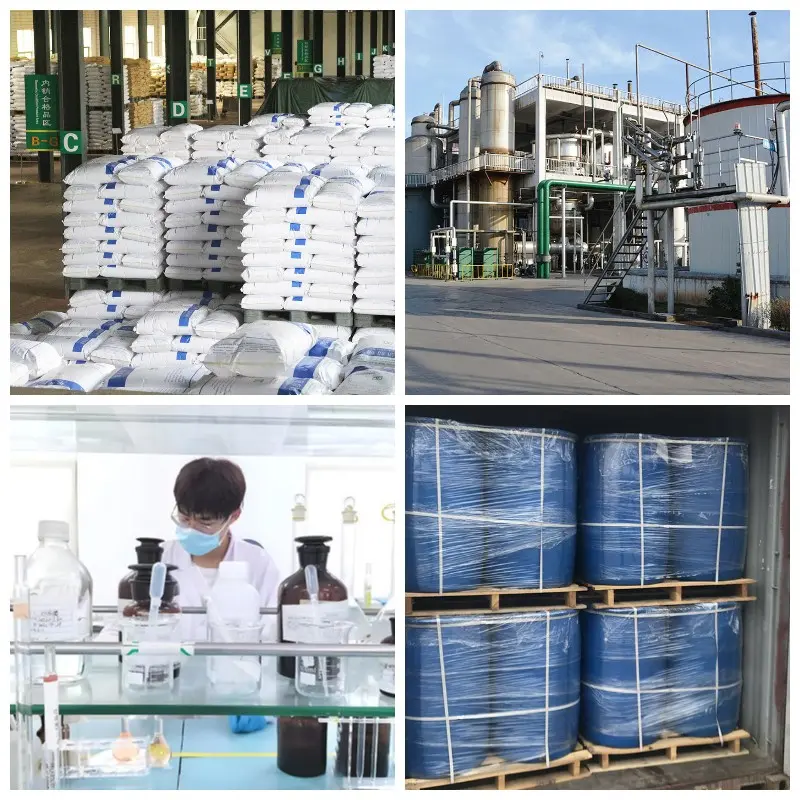
Fast delivery time
Inventory 2-3 working days New production 7-10 working days