Español
 العربية
 Francés
 Русский
 Português
 Deutsch
 Italiano
 Kazakh
 Uzbek
Uzbek

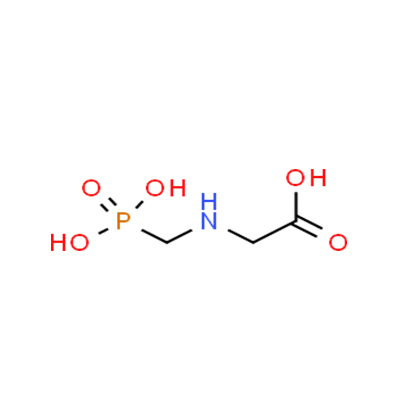
Glyphosate CAS#1071-83-6
CAS Number: 1071-83-6
Chemical Formula: Al2O9Si3
Synonyms:
Rounduuuuup(Monsanto)
KERNEL(R)
MOQ (Minimum Order Quantity): 1 FCL (Full Container Load)
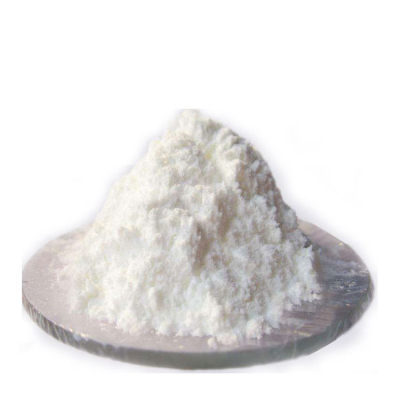
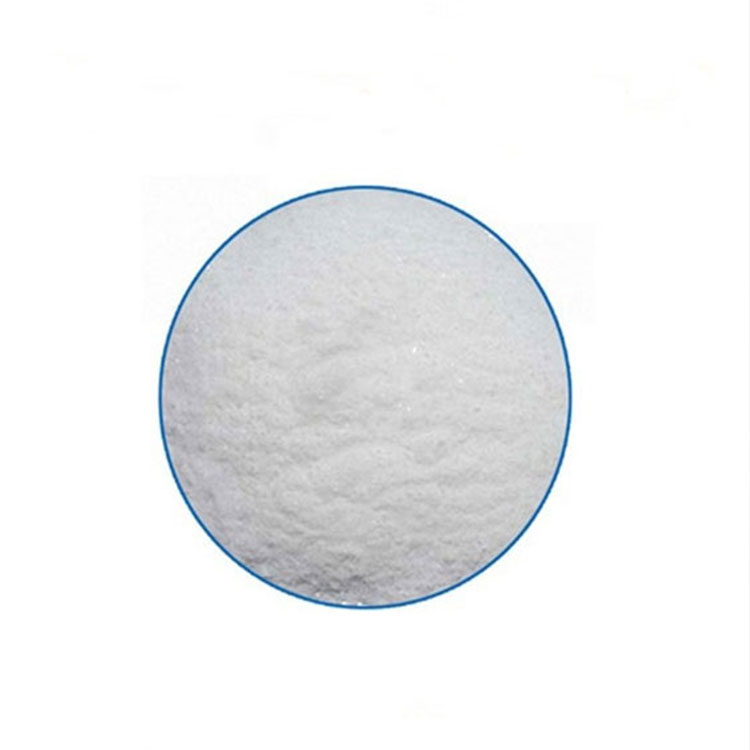
Appearance: White Powder
The pure product is white solid with the m.p being 230 °C (decomposition). It is generally insoluble in common organic solvents; at 25 °C, the solubility in water is 1.2%. It is usually made into glyphosate amine salts such as isopropylamine salt and dimethylamine salt, etc. it can also be made from sodium salt. The glyphosate salt is soluble in water.
Glyphosate Chemical Properties |
Melting point | 230 °C (dec.) (lit.) |
Boiling point | 465.8±55.0 °C(Predicted) |
density | 1.74 |
Fp | 230°C |
storage temp. | APPROX 4°C |
solubility | DMSO: slightly soluble; PBS (pH 7.2): slightly soluble |
pka | 1.22±0.10(Predicted) |
form | solid |
color | White to off-white |
Odor | odorless |
Water Solubility | 1.2 g/100 mL |
Decomposition | 230 ºC |
Merck | 13,4525 |
BRN | 2045054 |
Stability: | Stable. Incompatible with metals, strong oxidizing agents, strong bases. May be light sensitive. |
Major Application | peptide synthesis |
InChI | 1S/C3H8NO5P/c5-3(6)1-4-2-10(7,8)9/h4H,1-2H2,(H,5,6)(H2,7,8,9) |
InChIKey | XDDAORKBJWWYJS-UHFFFAOYSA-N |
SMILES | OC(=O)CNCP(O)(O)=O |
LogP | -2.360 (est) |
CAS DataBase Reference | 1071-83-6(CAS DataBase Reference) |
IARC | 2A (Vol. 112) 2017 |
EPA Substance Registry System | Glyphosate (1071-83-6) |
Safety Information |
Hazard Codes | Xi,N,Xn |
Risk Statements | 41-51/53-62-37/38-36/37/38-36-22 |
Safety Statements | 26-39-61-2-37-36 |
RIDADR | UN 3077 9/PG 3 |
WGK Germany | 2 |
RTECS | MC1075000 |
HS Code | 29319090 |
Storage Class | 11 - Combustible Solids |
Hazard Classifications | Acute Tox. 4 Dermal |
Hazardous Substances Data | 1071-83-6(Hazardous Substances Data) |
Toxicity | LD50 in rats, mice (mg/kg): 4873, 1568 orally (Bababunmi) |
Product Application of Glyphosate CAS#1071-83-6
It was originally used for controlling of grass weeds in rubber plantations and can allow the rubber tapping a year earlier and increase the production capacity of the old rubber tree. It is currently gradually extended to forestry, orchards, mulberry fields, tea plantations, rice and wheat, and rape rotation land. Different kinds of weeds have different sensitivity to glyphosate and therefore the dosage is also different. For example, for weeds such as barnyardgrass, green bristlegrass, Alopecurus aequalis, Eleusine indica, crabgrass, cleavers and other annual weeds, the dosage calculated according to the amount of the active ingredient should be 6~10.5 g/ 100 m2. For semen plantaginis, horseweed, and dayflower, the dosage of being an active ingredient should be 11.4~15g/100m2. For cogon, Panicum repens, and reeds, the dosage can be 18~30 g /100m2, generally the used amount of water should be 3~4.5 kg. Apply direct and even spray to the stems and leaves of the weed.
It is a kind of non-selective, post-emergent herbicide with short residue life. It can be used for control of perennial deep roots weeds, annual and biennial weeds, sedges and broadleaf weeds.
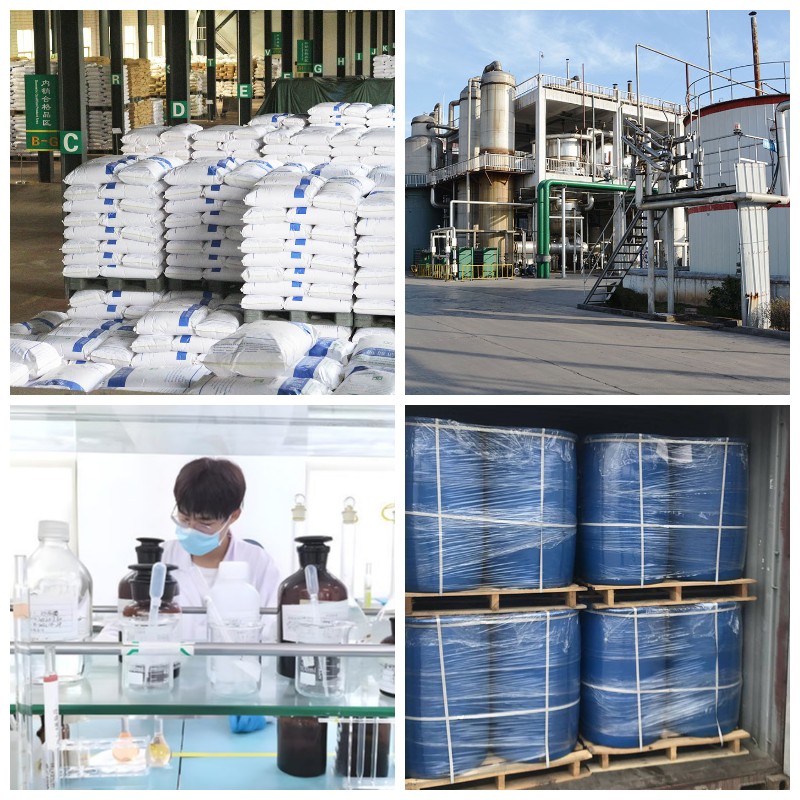
Fact Factory and Equipment Show
Fast delivery time
Inventory 2-3 working days New production 7-10 working days