Español
 العربية
 Francés
 Русский
 Português
 Deutsch
 Italiano
 Kazakh
 Uzbek
Uzbek

Ethylene glycol CAS#107-21-1
CAS Number: 107-21-1
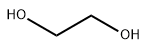
Chemical Formula: C2H6O2
Synonyms:
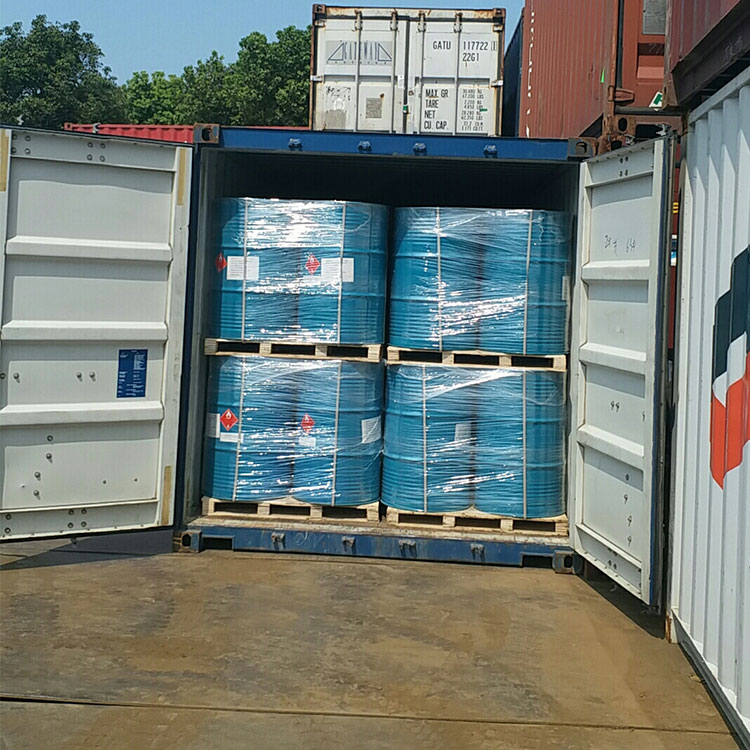
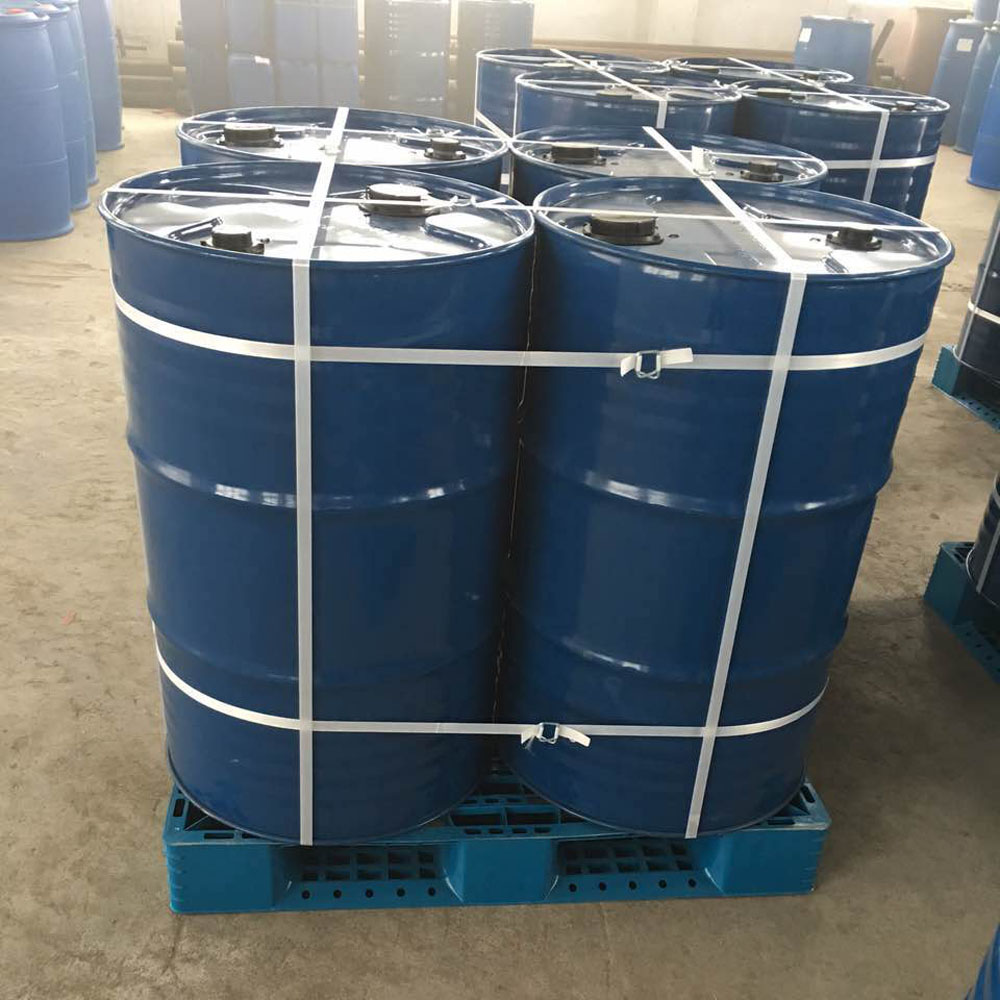
MOQ (Minimum Order Quantity): 1 FCL (Full Container Load)
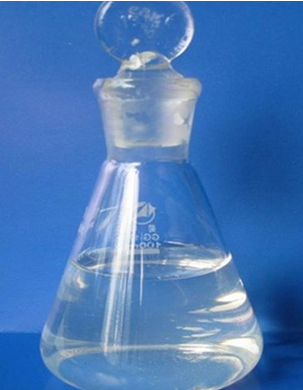
Appearance: Transperant Liquid
Ethylene glycol is the simplest aliphatic dihydric alcohol with chemical properties of alcohols such as being capable of generating ether, ester, or being oxidized into acid or aldehyde as well as being condensed to form ether or being substituted by halogen. Its reaction with acyl chloride or acid anhydride generally forms di-esters. Under heating in the presence of catalyst (manganese dioxide, aluminum oxide, zinc oxide or sulfuric acid), it can be subject to intermolecular or intramolecular dehydration to form the cyclic ethylene acetals, which can react with nitric acid to generate glycol dinitrate (an explosive). Ethylene glycol is the raw material for production of polyester resins, alkyd resins and polyester fiber. It can also be used as the refrigerant agent for automobile and aircraft engines refrigerant. In 1980, the glycol amount used as refrigerant agent is equal to the amount consumption for producing polyester. In addition, it can also be used for synthesizing polymers such as polyester fibers. Ethylene glycol dinitrate, when used in combination with nitroglycerine can reduce the freezing point of explosives. Ethylene glycol can also be used as the raw material of pharmaceuticals and plastics and high-boiling solvents. Industry applied ethylene as a raw material with first converting it to ethylene oxide and then hydrolyzing to produce ethylene glycol.
| Ethylene glycol Chemical Properties |
| Melting point | -13 °C (lit.) |
| Boiling point | 195-198 °C |
| density | 1.113 g/mL at 25 °C (lit.) |
| vapor density | 2.1 (vs air) |
| vapor pressure | 0.08 mm Hg ( 20 °C) |
| refractive index | n |
| Fp | 230 °F |
| storage temp. | 2-8°C |
| solubility | water: miscible |
| form | Viscous Liquid |
| pka | 14.22(at 25℃) |
| color | blue |
| Relative polarity | 0.79 |
| PH | 6-7.5 (100g/l, H2O, 20℃) |
| Odor | Odorless |
| explosive limit | 3.2%(V) |
| Water Solubility | miscible |
| FreezingPoint | -11.5℃ |
| Sensitive | Hygroscopic |
| λmax | λ: 260 nm Amax: ≤0.03 λ: 280 nm Amax: ≤0.01 |
| Merck | 14,3798 |
| BRN | 505945 |
| Exposure limits | Ceiling limit in air for vapor and mist 50 ppm (~125 mg/m3) (ACGIH); TWA 10 mg/m3 (particulates) (MSHA). |
| Dielectric constant | 37.0(20℃) |
| Cosmetics Ingredients Functions | HUMECTANT SOLVENT VISCOSITY CONTROLLING |
| LogP | -1.36 at 25℃ |
| Surface tension | 47.7mN/m at 20°C |
| CAS DataBase Reference | 107-21-1(CAS DataBase Reference) |
| NIST Chemistry Reference | 1,2-Ethanediol(107-21-1) |
| EPA Substance Registry System | Ethylene glycol (107-21-1) |
| Safety Information |
| Hazard Codes | Xn |
| Risk Statements | 22-36-41 |
| Safety Statements | 26-39-36/37/39 |
| RIDADR | UN3082 |
| WGK Germany | 3 |
| RTECS | KW2975000 |
| Autoignition Temperature | 752 °F |
| TSCA | TSCA listed |
| HazardClass | 9 |
| HS Code | 29053100 |
| Hazardous Substances Data | 107-21-1(Hazardous Substances Data) |
| Toxicity | LD50 in rats, guinea pigs (g/kg): 8.54, 6.61 orally (Smyth); in mice (ml/kg): 13.79 orally (Bornmann) |
Product Application Of Ethylene glycol CAS#107-21-1
| Ethylene glycol is used as an antifreeze inheating and cooling systems (e.g., automobileradiators and coolant for airplane motors).It is also used in the hydraulic brake fluids;as a solvent for paints, plastics, and inks; as a softening agent for cellophane; and in themanufacture of plasticizers, elastomers, alkydresins, and synthetic fibers and waxes. |
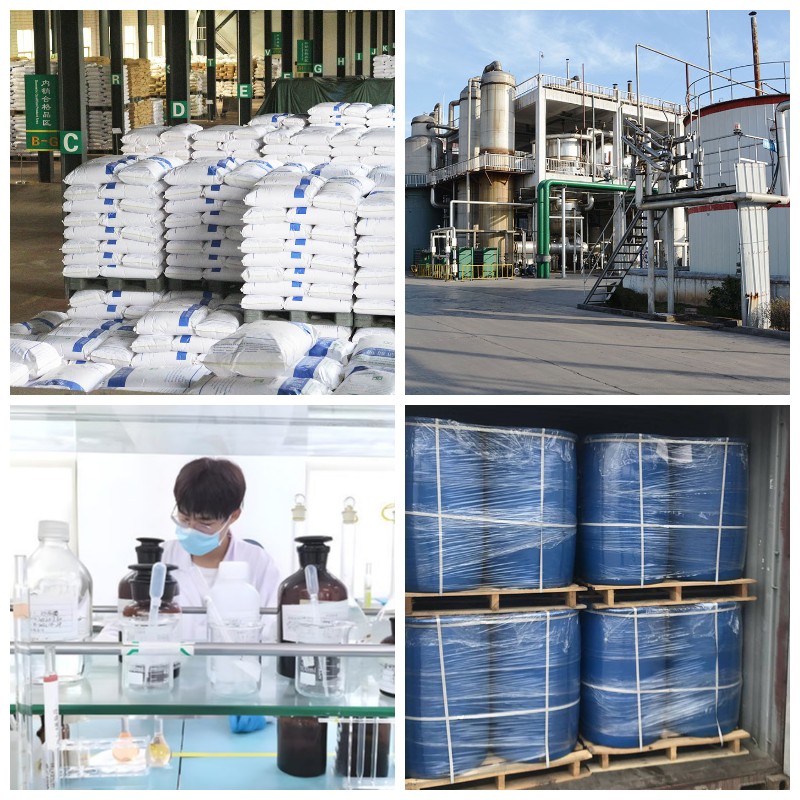
Factory and Equipment Show
Fast delivery time
Inventory 2-3 working days New production 7-10 working days