Español
 العربية
 Francés
 Русский
 Português
 Deutsch
 Italiano
 Kazakh
 Uzbek
Uzbek

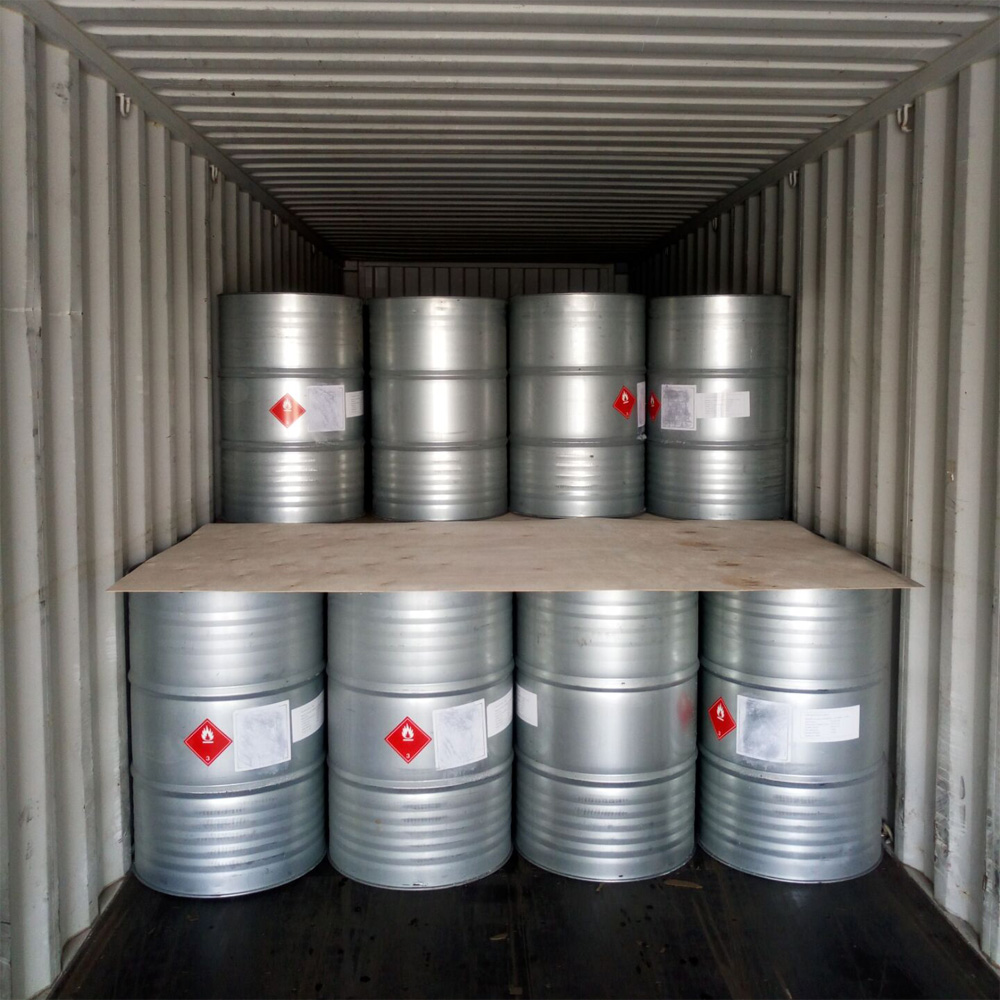
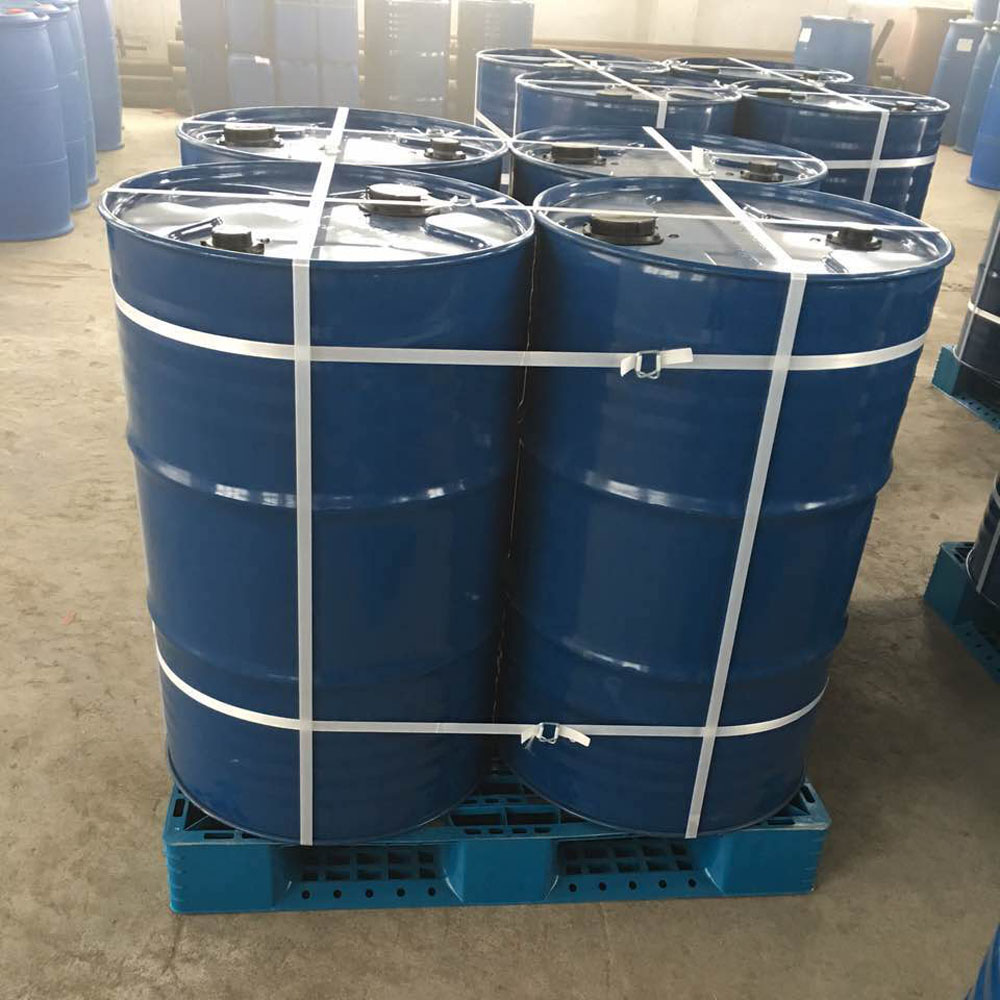
Diacetone Alcohol CAS#123-42-2
CAS Number: 123-42-2
Chemical Formula: C10H18O5
Synonyms:
Diaectone alcohol
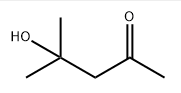
CH3)2C(OH)CH2C(O)CH3
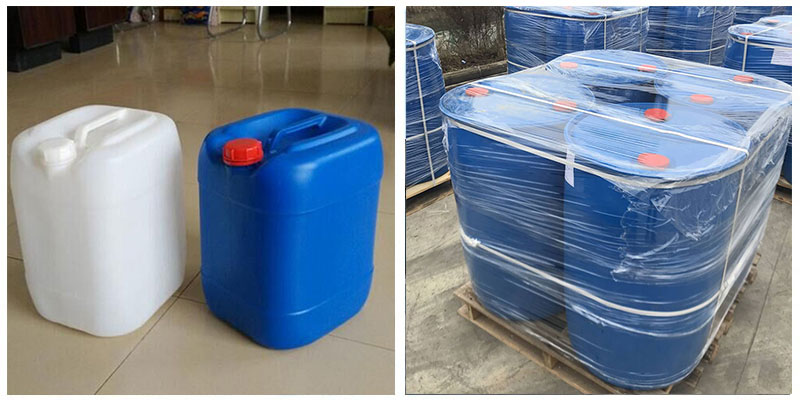
MOQ (Minimum Order Quantity): 1 FCL (Full Container Load)
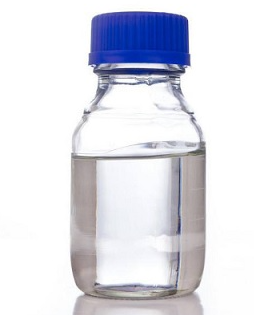
Appearance: Transperant Liquid
Diacetone Alcohol CAS#123-42-2
Diacetone alcohol is a colorless liquid with amild, minty odor. Odor threshold = 0.28 ppm. Molecularweight = 116.16; Specific gravity (H2O:1) = 0.94; Boilingpoint = 168℃; Freezing/Melting point = - 43.8℃; Vaporpressure = 1 mmHg at 20℃; Flash point = 64℃; 58℃(acetone free); 64℃ (commercial grade). Explosive limits:LEL = 1.8%; UEL = 6.9%. Hazard Identification (based onNFPA-704 M Rating System): Health 1, Flammability 2,Reactivity 0. Soluble in water.
Diacetone Alcohol Chemical Properties |
Melting point | -42.8 °C |
Boiling point | 166 °C(lit.) |
density | 0.938 g/mL at 20 °C |
vapor density | 4 (vs air) |
vapor pressure | <1 mm Hg ( 20 °C) |
refractive index | n |
Fp | 132 °F |
storage temp. | Store below +30°C. |
solubility | Soluble in alcohol, ether (Weast, 1986), and many other solvents, particular ketones such as acetone and 2-butanone. |
pka | 14.57±0.29(Predicted) |
form | Liquid |
color | Clear colorless |
Odor | Mild, pleasant. |
explosive limit | 1.8-6.9%(V) |
Water Solubility | MISCIBLE |
λmax | 249nm(lit.) |
Merck | 14,2964 |
Concentration | 0.1 mCi/ml |
BRN | 1740440 |
Solvent | Ethanol |
Specific Activity | 25-50 mCi/mmol |
Exposure limits | TLV-TWA 240 mg/m3 (50 ppm) (ACGIH); IDLH 2100 ppm (NIOSH). |
Dielectric constant | 18.2(Ambient) |
Stability: | Stable. Flammable. Incompatible with strong oxidizing agents, amines, ammonia, strong acids, strong bases, alkalies, aluminium. |
Cosmetics Ingredients Functions | PERFUMING |
Cosmetic Ingredient Review (CIR) | Diacetone Alcohol (123-42-2) |
InChI | 1S/C6H12O2/c1-5(7)4-6(2,3)8/h8H,4H2,1-3H3 |
InChIKey | SWXVUIWOUIDPGS-UHFFFAOYSA-N |
SMILES | CC(=O)CC(C)(C)O |
LogP | -0.09 at 20℃ |
Surface tension | 29.44 mN/m at 303.15K |
CAS DataBase Reference | 123-42-2(CAS DataBase Reference) |
NIST Chemistry Reference | 4-Hydroxy-4-methylpentan-2-one(123-42-2) |
EPA Substance Registry System | 4-Hydroxy-4-methyl-2-pentanone (123-42-2) |
Safety Information |
Hazard Codes | Xi |
Risk Statements | 36-R36 |
Safety Statements | 24/25-S24/25 |
RIDADR | UN 1148 3/PG 3 |
OEB | A |
OEL | TWA: 50 ppm (240 mg/m3) |
WGK Germany | 1 |
RTECS | SA9100000 |
F | 9 |
Autoignition Temperature | 640 °C |
TSCA | TSCA listed |
HS Code | 2914 40 10 |
HazardClass | 3 |
PackingGroup | III |
Storage Class | 3 - Flammable liquids |
Hazard Classifications | Eye Irrit. 2 |
Hazardous Substances Data | 123-42-2(Hazardous Substances Data) |
Toxicity | LD50 orally in rats: 4.0 g/kg (Smyth) |
IDLA | 1,800 ppm [10% LEL] |
Product Application of Diacetone Alcohol CAS#123-42-2
Diacetone alcohol is available in two grades: a commercial grade containing 15% acetone and an acetone-free grade. Both solvent grades of diacetone alcohol may acquire a yellow color on aging; both are good solvents for nitrocellulose, cellulose esters, and several other types of resins. The much slower evaporating diacetone alcohol is similar to acetone in its solvency. It is used in brushing-type cellulose ester lacquers to produce hard and brilliant gloss films. Diacetone alcohol is also used as lacquer thinner and in coating compositions for paper and textiles. Mesityl oxide, the unsaturated medium boiling point ketone that is prepared by the dehydration of diacetone alcohol, will darken and form a solid residue on aging.
Fact Factory and Equipment Show
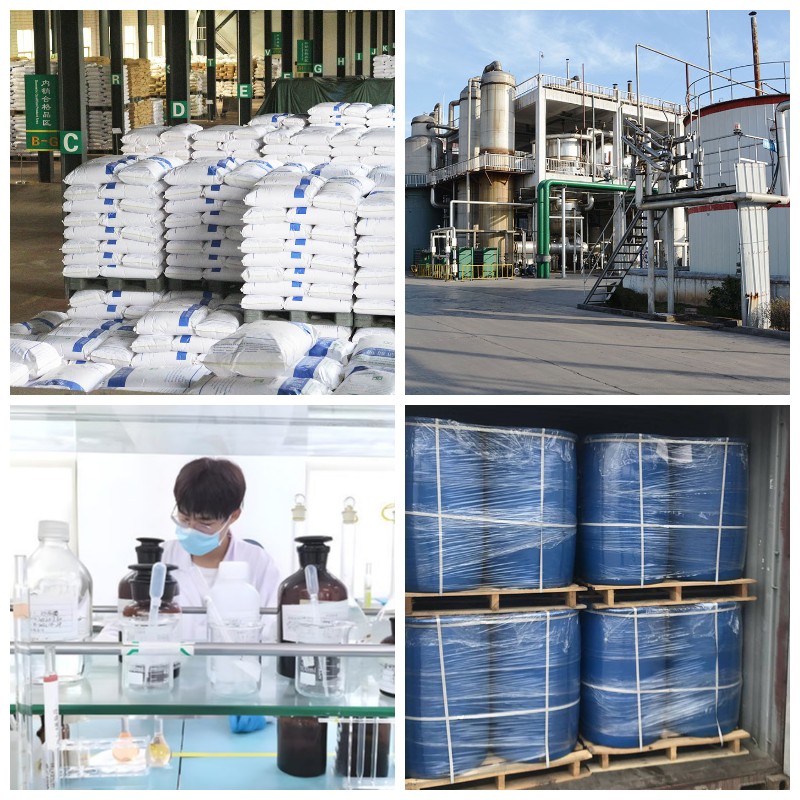
Fast delivery time
Inventory 2-3 working days New production 7-10 working days