Español
 العربية
 Francés
 Русский
 Português
 Deutsch
 Italiano
 Kazakh
 Uzbek
Uzbek

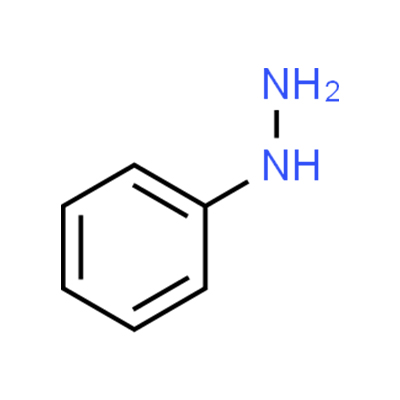
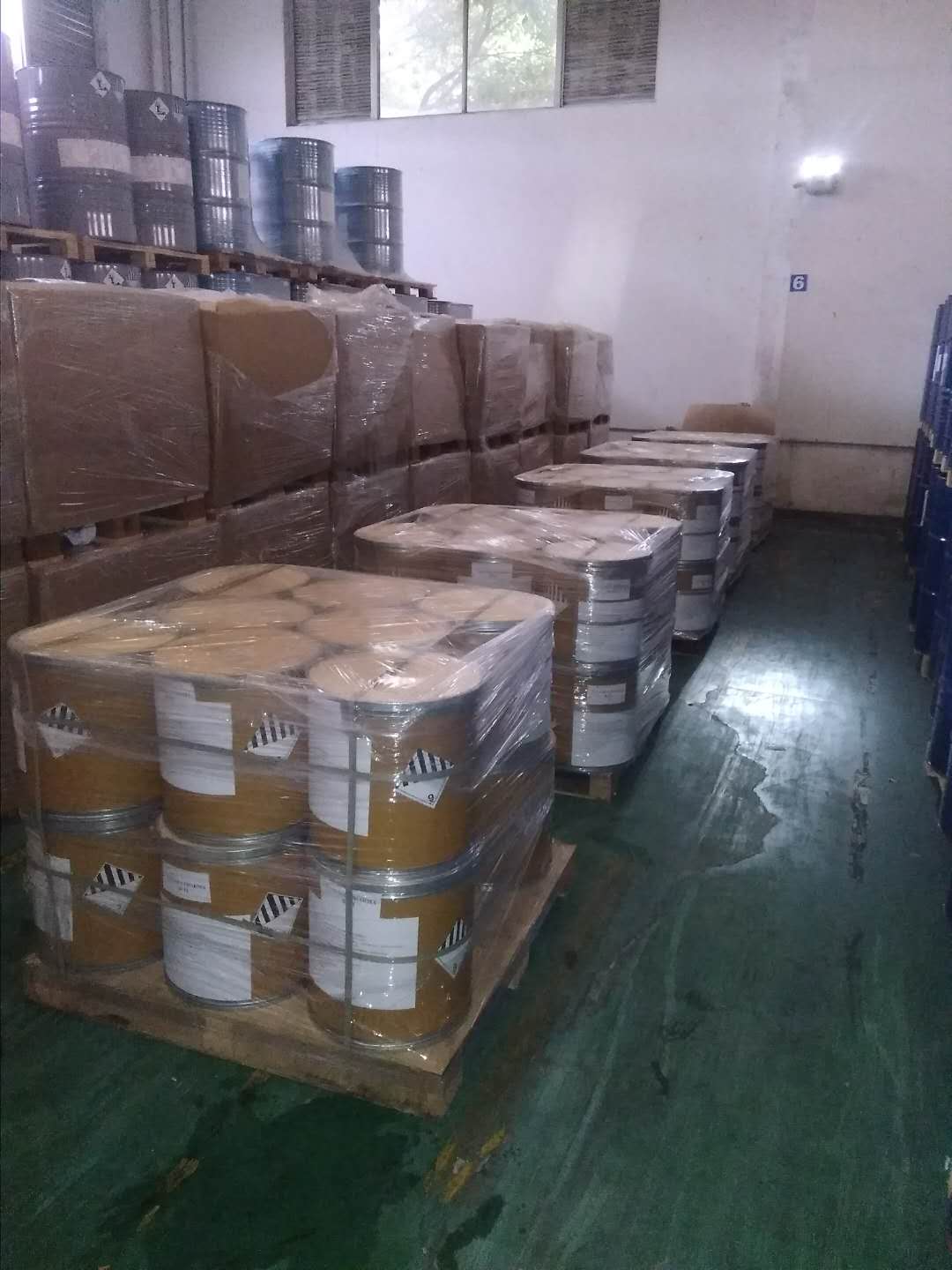
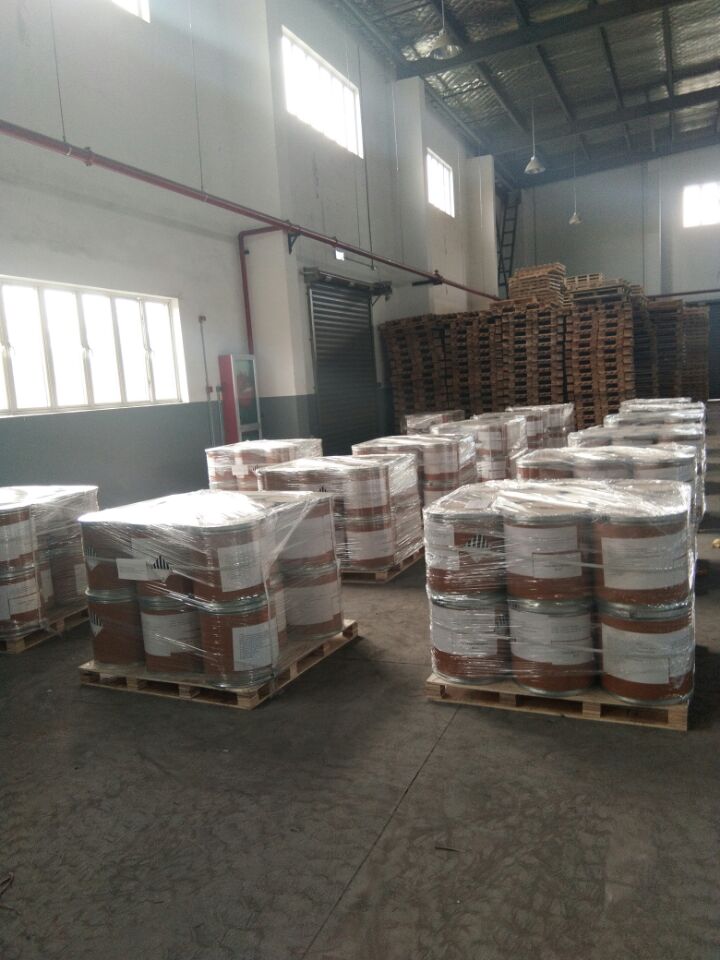
Phenylhydrazine CAS#100-63-0
CAS Number: 100-63-0
Chemical Formula: C6H8N2
Synonyms:
1-Hydrazinobenzene
Phenyl hydrazide
Phenylhydrazine,95%
MOQ (Minimum Order Quantity): 1 FCL (Full Container Load)
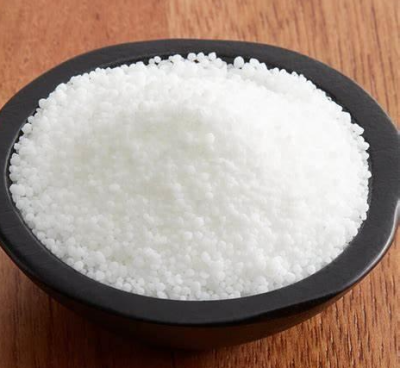
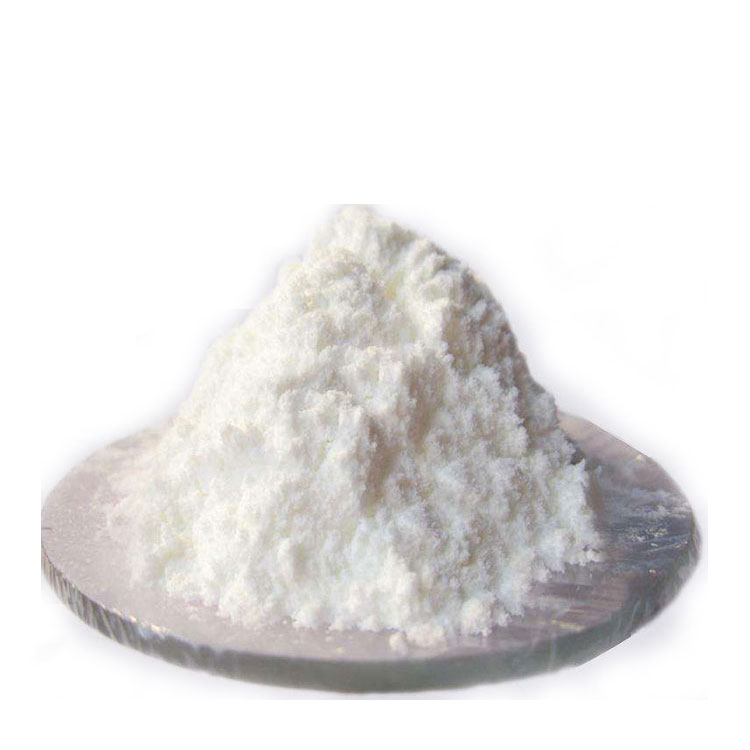
Appearance: White Powder
Phenylhydrazine CAS#100-63-0
Pale yellow crystals. Melting point 66°F. Becomes an oily liquid. Toxic by ingestion, inhalation and skin absorption. Flash point 192°F. Autoignition temperature 345°F. Soluble in alcohol.
Phenylhydrazine Chemical Properties |
Melting point | 18-21 °C (lit.) |
Boiling point | 238-241 °C (lit.) |
density | 1.098 g/mL at 25 °C (lit.) |
vapor density | 4.3 (vs air) |
vapor pressure | <0.1 mm Hg ( 20 °C) |
refractive index | n |
Fp | 192 °F |
storage temp. | Store below +30°C. |
solubility | Soluble in dilute acids. |
form | Powder |
pka | 8.79(at 15℃) |
color | White to slightly blue or light beige |
explosive limit | 1.1%(V) |
Water Solubility | 145 g/L (20 ºC) |
Sensitive | Air & Light Sensitive |
Merck | 14,7293 |
BRN | 606080 |
Dielectric constant | 7.2(23℃) |
Exposure limits | TLV-TWA skin 0.1 ppm (0.44 mg/m3) (ACGIH), 5 ppm (22 mg/m3) (OSHA); STEL 10 ppm (44 mg/m3) (OSHA); carcinogenicity: A2-Suspected Human Carcinogen (ACGIH), Carcinogen (NIOSH). . |
Stability: | Stable, but may decompose in sunlight. May be air or light sensitive. Incompatible with strong oxidizing agents, metal oxides. |
InChI | 1S/C6H8N2/c7-8-6-4-2-1-3-5-6/h1-5,8H,7H2 |
InChIKey | HKOOXMFOFWEVGF-UHFFFAOYSA-N |
SMILES | NNc1ccccc1 |
CAS DataBase Reference | 100-63-0(CAS DataBase Reference) |
NIST Chemistry Reference | Hydrazine, phenyl-(100-63-0) |
EPA Substance Registry System | Phenylhydrazine (100-63-0) |
Safety Information |
Hazard Codes | T,N |
Risk Statements | 45-23/24/25-36/38-43-48/23/24/25-50-68 |
Safety Statements | 53-45-61 |
RIDADR | UN 2572 6.1/PG 2 |
OEL | Ceiling: 0.14 ppm (0.6 mg/m3) [2-hr] [skin] |
WGK Germany | 3 |
RTECS | MV8925000 |
F | 8-10-23 |
Autoignition Temperature | 345 °F |
TSCA | TSCA listed |
HS Code | 2928 00 90 |
HazardClass | 6.1 |
PackingGroup | II |
Storage Class | 6.1A - Combustible, acute toxic Cat. 1 and 2 |
Hazard Classifications | Acute Tox. 3 Dermal |
Hazardous Substances Data | 100-63-0(Hazardous Substances Data) |
Toxicity | LD50 orally in Rabbit: 188 mg/kg |
IDLA | 15 ppm |
Product Application Of Phenylhydrazine CAS#100-63-0
Phenylhydrazine is the first synthetic hydrazine derivatives which can often be used as intermediates of organic dyes, pharmaceuticals and pesticide. It can also be used as organic intermediates for synthesis of pyrazoline, triazole, and indole; It can also be used as dye intermediates like disazo dye intermediates such as 1-phenyl-3-methyl-5-pyrazolone and so on; It can also be used as pharmaceutical intermediates for preparation of antipyretic, analgesic, anti-inflammatory drugs such as antipyrine and aminopyrine, etc; it can also be used as photography drugs (photosensitive dye); phenylhydrazine is also the raw material for the production of pesticides "imputed phosphorus"; phenylhydrazine is also an important kind of carbonyl group identification reagents used for identifying aldehydes, ketones and carbohydrates.
Phenylhydrazine is toxic. After inhalation, due to hemolysis, it can cause anemia and headache and can even cause jaundice in severe cases. It can also have stimulating effect on the eyes such as causing corneal disorders. Rat-oral LD50:188 mg/kg. Workplace: maximum allowable concentration: 0.44mg/m3.
Lab often uses aniline as raw materials for reaction with sodium nitrite in hydrochloric acid for generating diazonium salt and then reacted with sulfur dioxide and sulfurous acid for reduction to produce phenylhydrazine sodium sulfonate and further salting via hydrochloric acid to form phenylhydrazine hydrochloride. After neutralization and deacidification, we can obtain phenylhydrazine.
Factory and Equipment Show
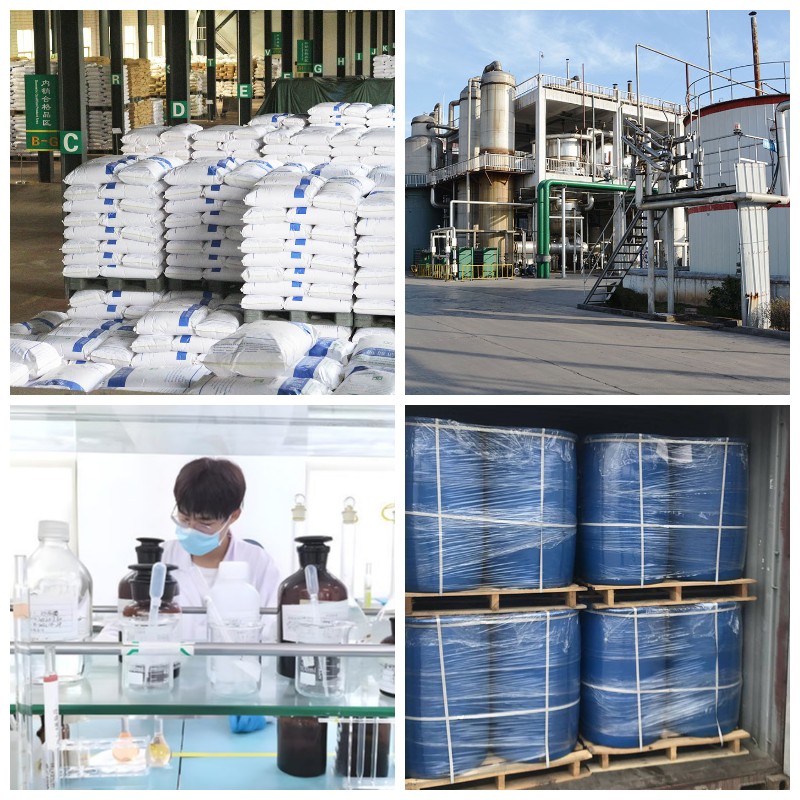
Fast delivery time
Inventory 2-3 working days New production 7-10 working days