Español
 العربية
 Francés
 Русский
 Português
 Deutsch
 Italiano
 Kazakh
 Uzbek
Uzbek

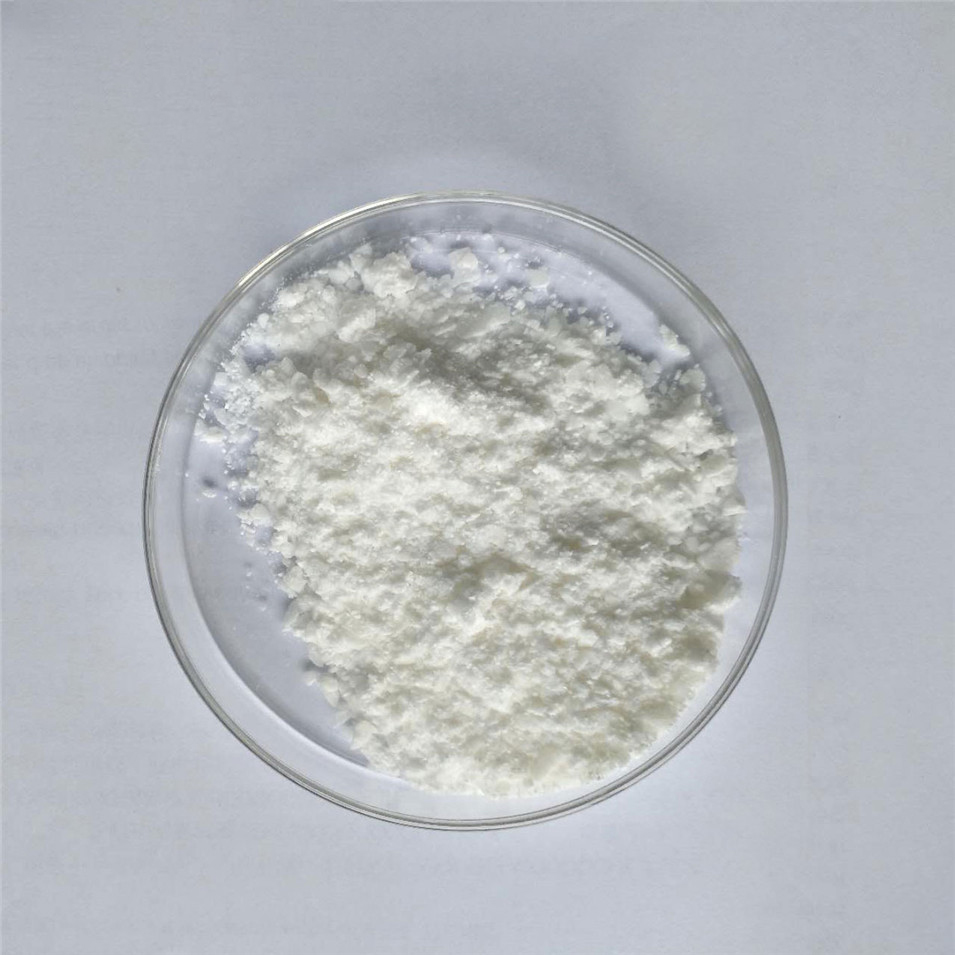
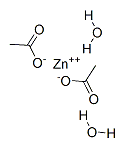
Zinc acetate dihydrateCAS#5970-45-6
Chemical Name:Zinc acetate dihydrate
CAS No.:5970-45-6
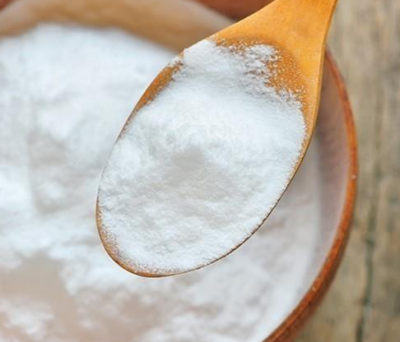
Appearance: White Powder
Molecular Formula:C4H10O6Zn
Molecular weight:219.51
Sample: Available
MOQ (Minimum Order Quantity): 1 FCL (Full Container Load)
Products Description of Carboxymethyl celluloseCAS#5970-45-6
Zinc acetate dihydrate industrial product purity ≥ 99%, white crystalline powder, odorless. Melting point 237℃, boiling point decomposes. Vapor pressure negligible (25℃), relative density 1.84 (20℃). Solubility in water: soluble, slightly soluble in ethanol, insoluble in benzene. Stable, incompatible with strong acids .
Zinc acetate dihydrate Chemical Properties |
Melting point | 100 °C |
Boiling point | 242-4°C |
density | 1.84 |
bulk density | 900kg/m3 |
storage temp. | Store at +5°C to +30°C. |
solubility | 430g/l |
form | Solid |
Specific Gravity | 1.84 |
color | White |
Odor | Acetic acid odour |
PH Range | 6 - 8 at 50 g/l at 25 °C |
PH | 6.0-8.0 (25℃, 50mg/mL in H2O) |
Water Solubility | 430 g/L (20 ºC) |
Merck | 14,10128 |
BRN | 3732513 |
Stability: | Stable. Incompatible with alkalies, strong oxidizing agents. |
Cosmetics Ingredients Functions | ORAL CARE |
InChIKey | BEAZKUGSCHFXIQ-UHFFFAOYSA-L |
LogP | -0.285 (est) |
CAS DataBase Reference | 5970-45-6(CAS DataBase Reference) |
NIST Chemistry Reference | Zinc acetate dihydrate(5970-45-6) |
EPA Substance Registry System | Zinc acetate dihydrate (5970-45-6) |
Safety Information |
Hazard Codes | Xn,N |
Risk Statements | 22-36-50/53-50 |
Safety Statements | 26-60-61-36-57-39-29 |
RIDADR | UN 3077 9/PG 3 |
WGK Germany | 3 |
RTECS | ZG8750000 |
TSCA | No |
HazardClass | 9 |
PackingGroup | III |
HS Code | 29152900 |
Toxicity | LD50 orally in rats: 2.46 g/kg (Smyth) |
Product Application of Zinc acetate dihydrateCAS#5970-45-6
Zinc acetate dihydrate is used in the preparation of layered Zn-arylphosphonates with potential application in sorption, ion exchange or catalysis and zinc sulfide nanoparticles coated on silica particles. It is used in dietary and medical applications. It is also used as lozenges for treating the common cold. It is used as a seeding material to grow zinc oxide nanorods on the microfibers of polyethylene terephthalate fabric. In addition, it finds application as wood preservation, production of other zinc salts, ethylene acetate manufacture, and an analytical reagent in various industries. As a plating inhibitor, it is used in nuclear power plant.
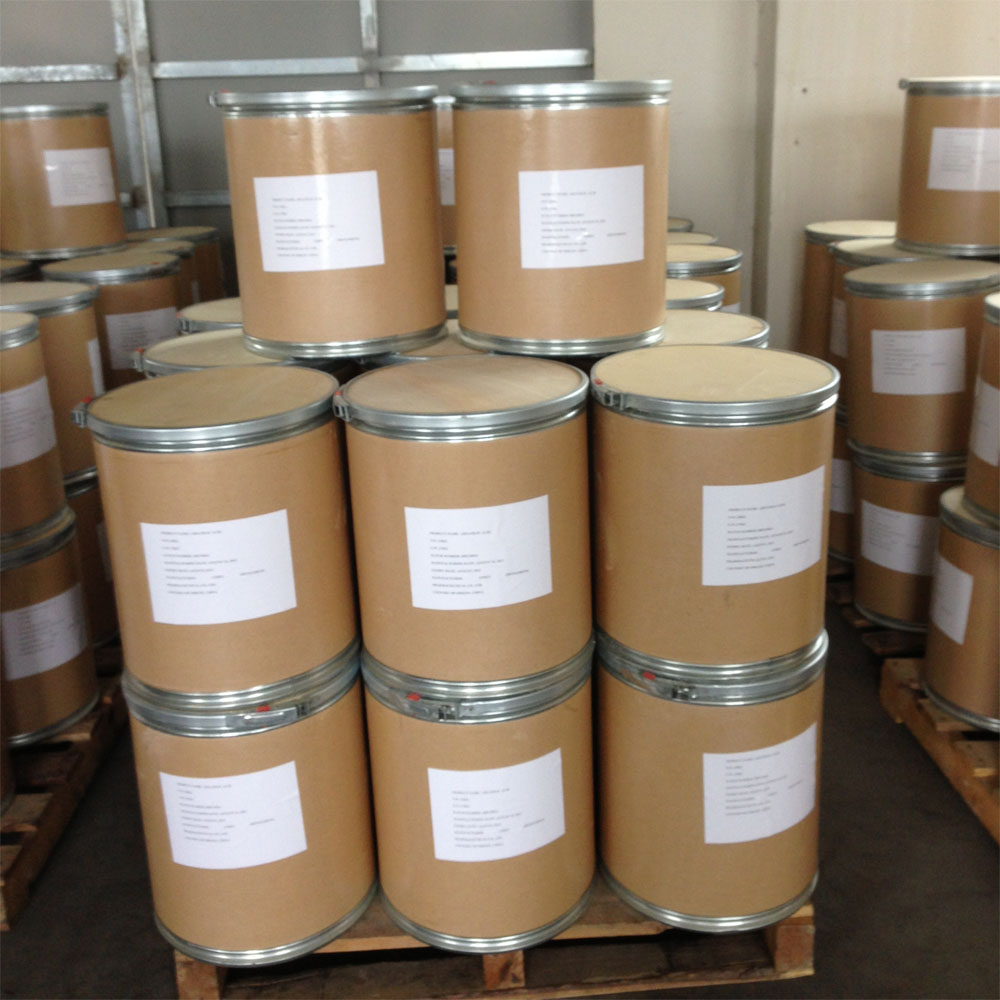
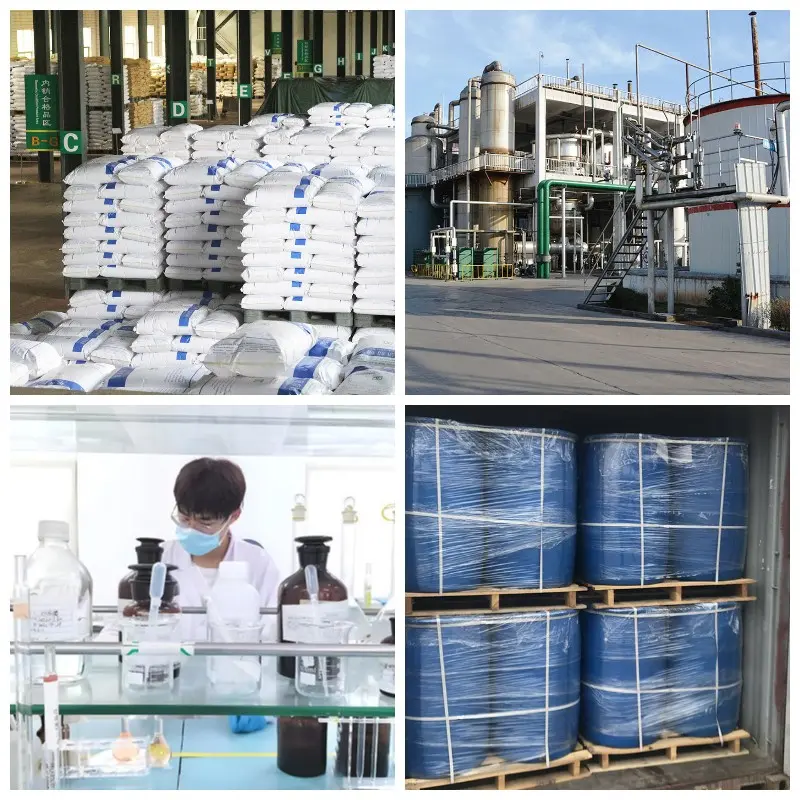
Factory and Equipment Show
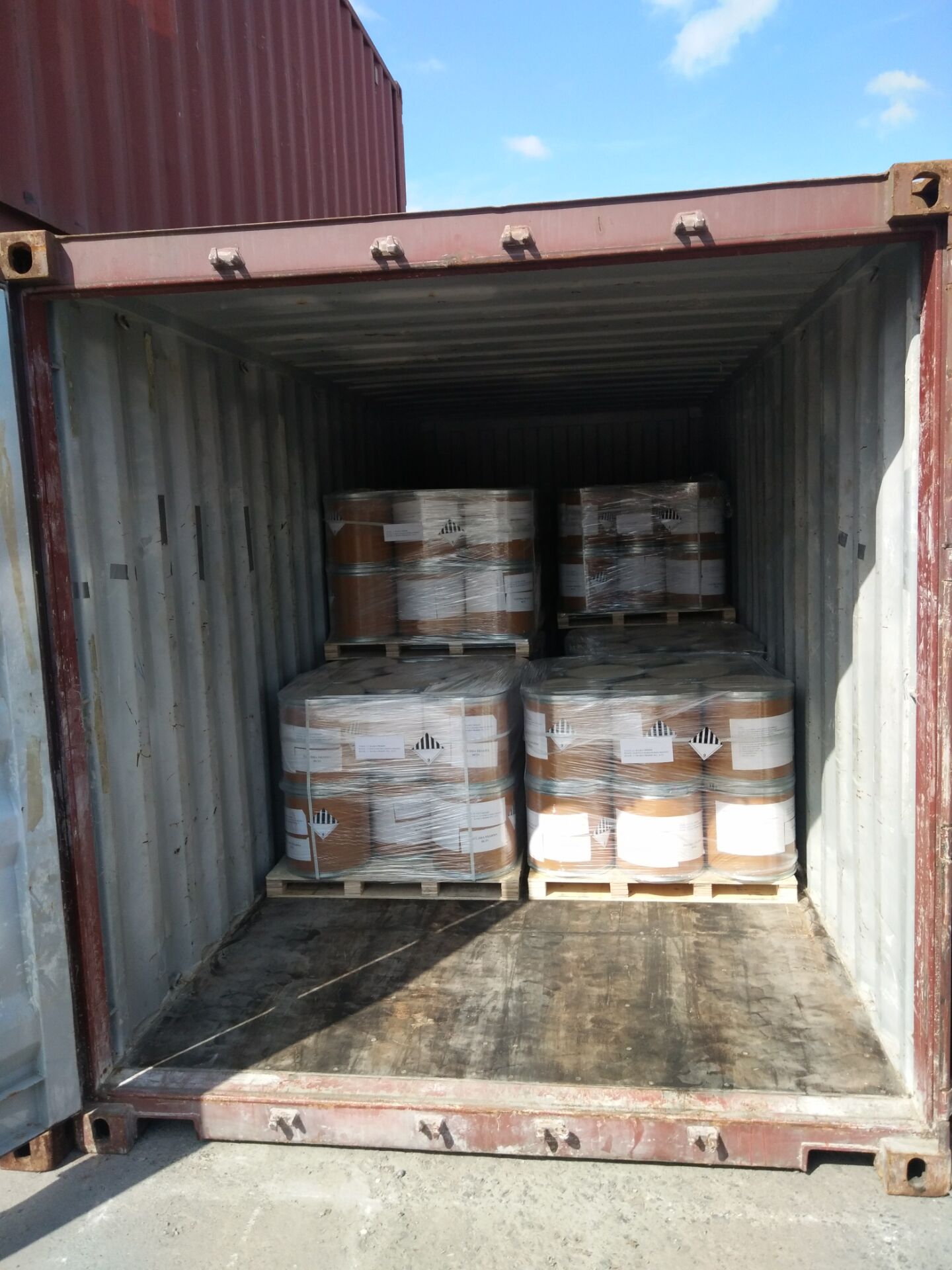
Fast delivery time
Inventory 2-3 working days New production 7-10 working days