Español
 العربية
 Francés
 Русский
 Português
 Deutsch
 Italiano
 Kazakh
 Uzbek
Uzbek

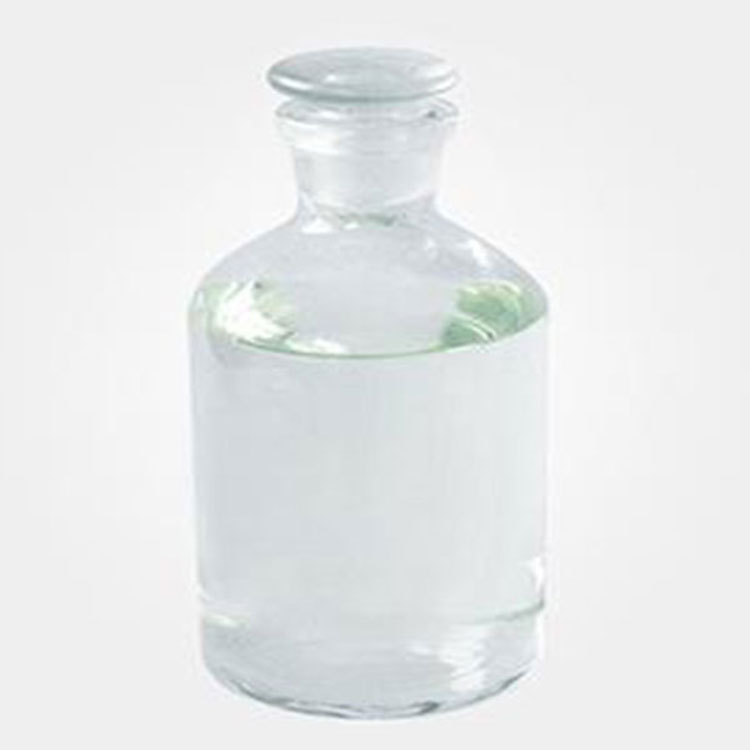
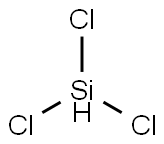
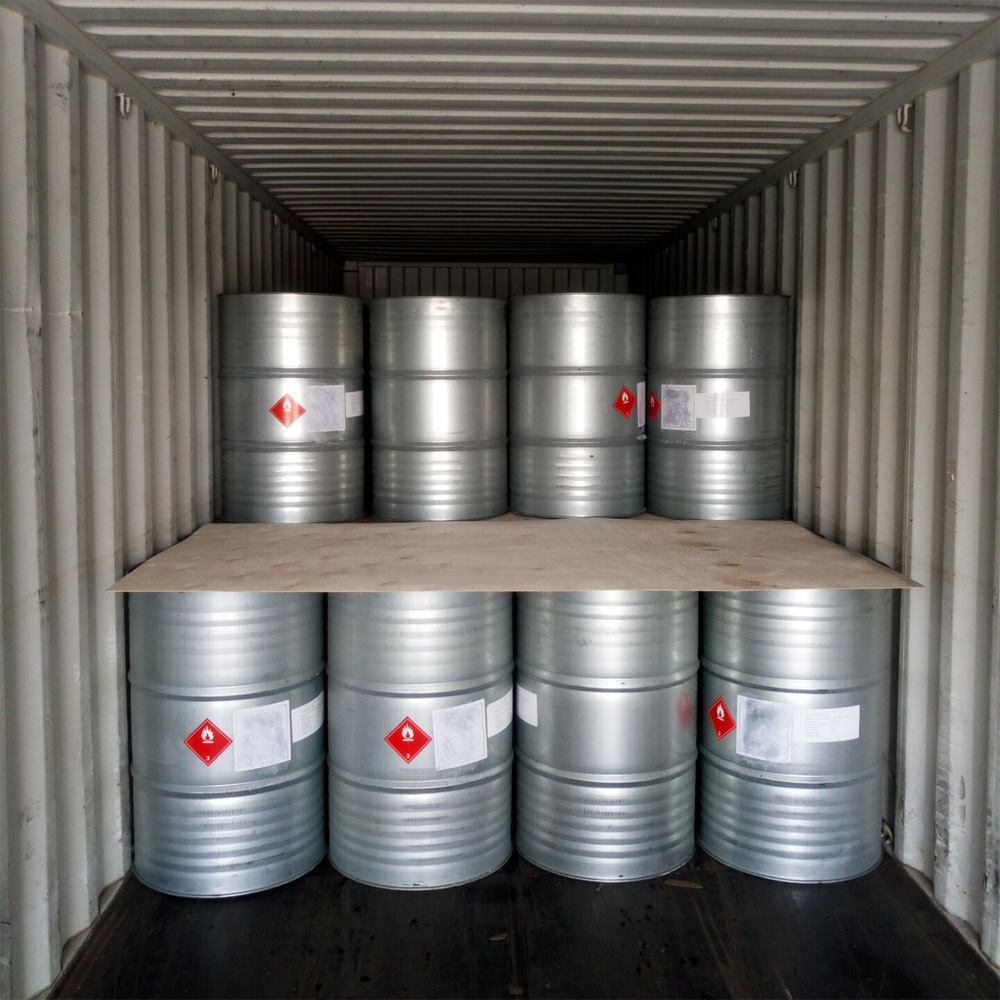
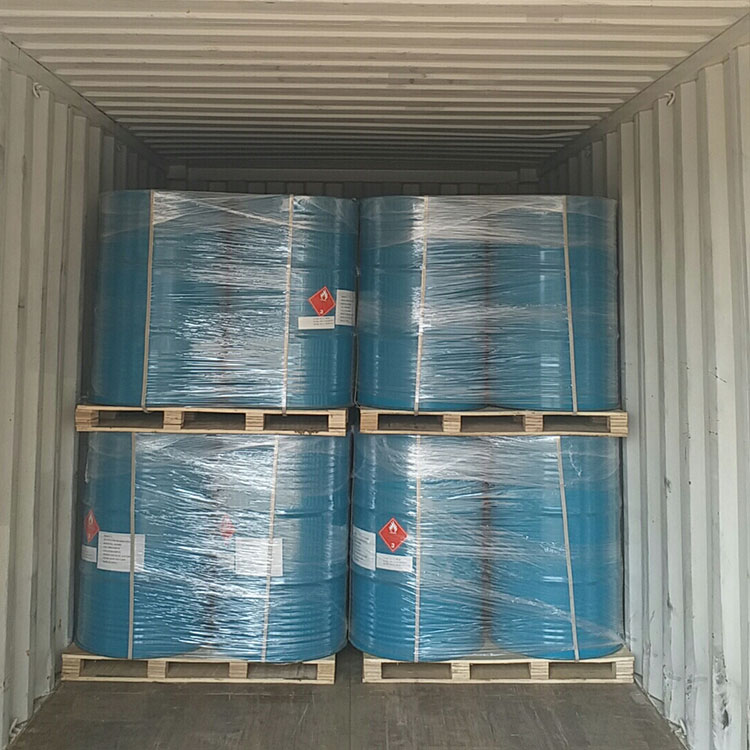
Trichlorosilane CAS#:10025-78-2
CAS Number: 10025-78-2
Chemical Formula: Cl3HSi
Synonyms:
silicon chloroform
trichlorosilane pressure tin
Trichlorosilane,98%
Appearance: Colorless liquid
HS Code: 283530090
MOQ (Minimum Order Quantity): 1 FCL (Full Container Load)
Products Description of Trichlorosilane CAS#:10025-78-2
Trichlorosilane is pungent stench flowable volatile colorless liquid at room temperature and pressure. It is highly flammable in air, it also has the risk of fire at below-18 ℃, when meets open fire, it burns strongly with red flames and white smoke, and SiO2, HCl and Cl2 can generate: SiHCl3 + O2 → SiO2 + HCl + Cl2; the vapor of three chlorosilane and air can form a wide range of concentrations of explosive gas mixture, and it can cause violent explosion when be heated. The thermal stability is better than dichlorosilane, it can decompose into toxic fumes chloride (HCl), Cl2 and Si at 900℃. When meets moisture, it can generate smoke, it can react violently with water: 2SiHCl3 + 3H2O → (HSiO) 2O + 6HCl; It can decompose in lye and release hydrogen: SiHCl3 + 3NaOH + H2O → Si (OH) 4 + 3NaCl + H2; and when it contacts oxidative substances, explosive reaction can occur. The reaction with acetylene, hydrocarbons and other organic hydrocarbons can produce chlorosilane: SiHCl3 + CH≡CH → CH2CHSiCl3, SiHCl3 + CH2 = CH2 → CH3CH2SiCl3; In the presence of lithium aluminum hydride, lithium borohydride, SiHCl3 can be reduced to silane. When the container is subjected to strong shock, liquid SiHCl3 will fire. It is soluble in benzene, ether etc.. Anhydrous trichlorosilane can not corrode iron and stainless steel, but in the presence of moisture, it can corrode most metals.
| Trichlorosilane Chemical Properties |
| Melting point | -127 °C |
| Boiling point | 32-34 °C(lit.) |
| density | 1.342 g/mL at 25 °C(lit.) |
| vapor density | 1 (vs air) |
| vapor pressure | 9.75 psi ( 20 °C) |
| refractive index | 1.4-1.402 |
| Fp | 7 °F |
| storage temp. | Refrigerator |
| solubility | Soluble in benzene, ether, heptane, chloroform and carbon tetrachloride. |
| form | Liquid |
| Specific Gravity | 1.342 |
| color | Colorless |
| Odor | Sharp, choking, like hydrochloric acid. |
| explosive limit | 70% |
| Water Solubility | decomposes |
| Sensitive | Air & Moisture Sensitive |
| Hydrolytic Sensitivity | 8: reacts rapidly with moisture, water, protic solvents |
| Merck | 14,9646 |
| Stability: | Stable, but extremely flammable. Pyrophoric - spontaneously ignites in air. Explosion hazard in air - note wide explosion limits. Reacts violently with water. Incompatible with moisture, acids, bases, strong oxidizing agents, alcohols, amines. |
| InChIKey | ZDHXKXAHOVTTAH-UHFFFAOYSA-N |
| CAS DataBase Reference | 10025-78-2(CAS DataBase Reference) |
| NIST Chemistry Reference | Trichlorosilane(10025-78-2) |
| EPA Substance Registry System | Trichlorosilane (10025-78-2) |
| Safety Information |
| Hazard Codes | F+,C |
| Risk Statements | 12-14-17-20/22-29-35 |
| Safety Statements | 16-26-36/37/39-43-45-7/9-43A |
| RIDADR | UN 1295 4.3/PG 1 |
| WGK Germany | 1 |
| RTECS | VV5950000 |
| F | 4.5-21-31 |
| TSCA | Yes |
| HazardClass | 4.3 |
| PackingGroup | I |
| HS Code | 28530090 |
| Hazardous Substances Data | 10025-78-2(Hazardous Substances Data) |
| Toxicity | LD50 orally in rats: 1.03 g/kg (Smyth) |
Product Application of Trichlorosilane CAS#:10025-78-2
It can be used the raw material for polymer organic silicon compound, it can also be used in industrial instrumentation.
It can be used the raw material for producing organic silicon compound, it is also the basic raw material of production polysilicon.
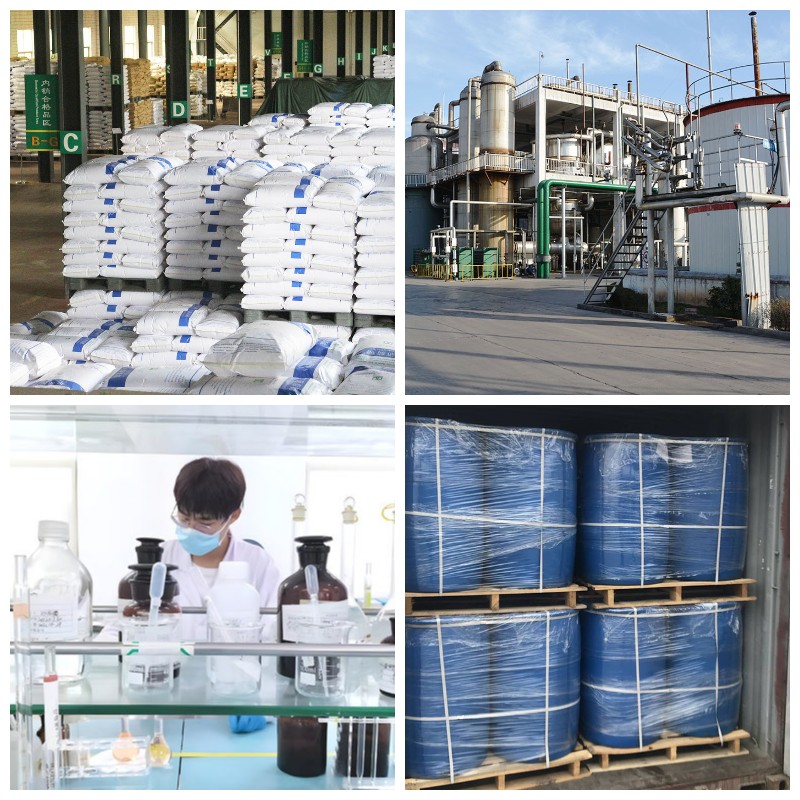
Factory and Equipment Show
Fast delivery time
Inventory 2-3 working days New production 7-10 working days