Español
 العربية
 Francés
 Русский
 Português
 Deutsch
 Italiano
 Kazakh
 Uzbek
Uzbek


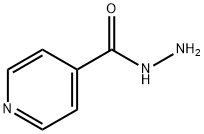
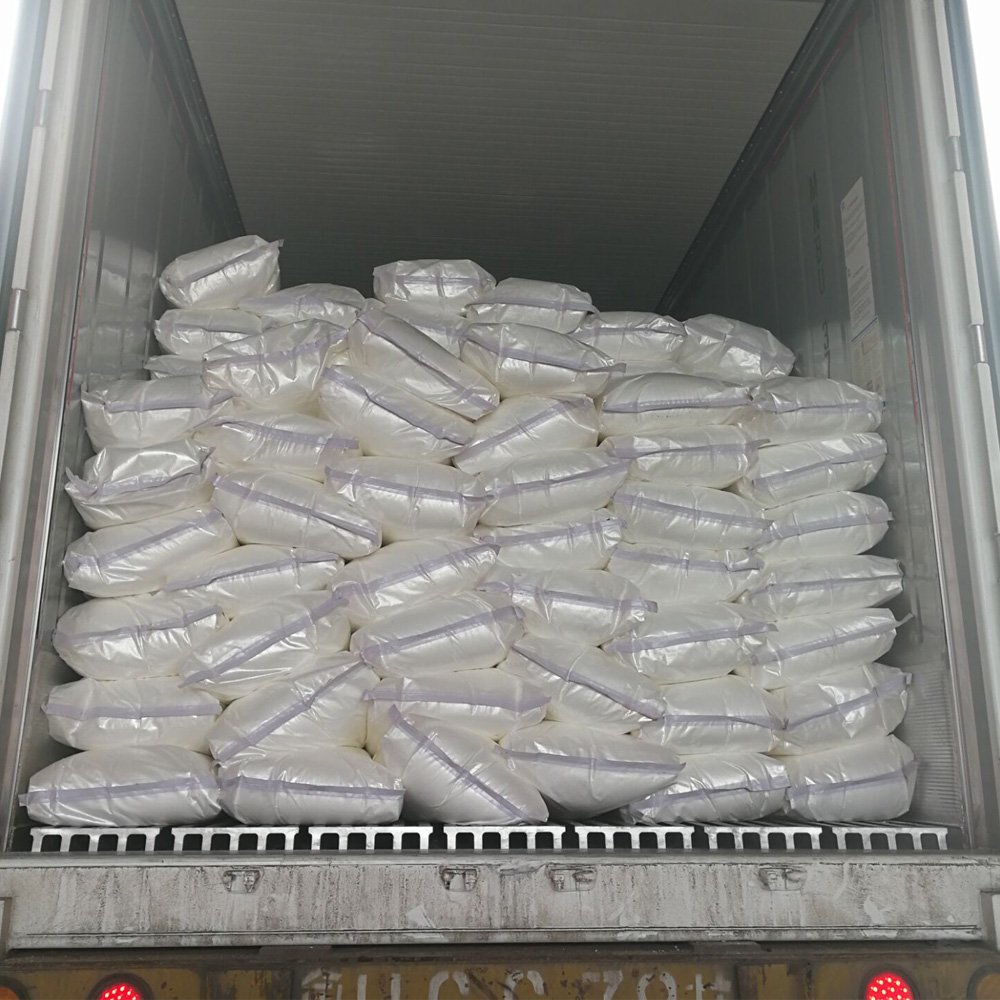
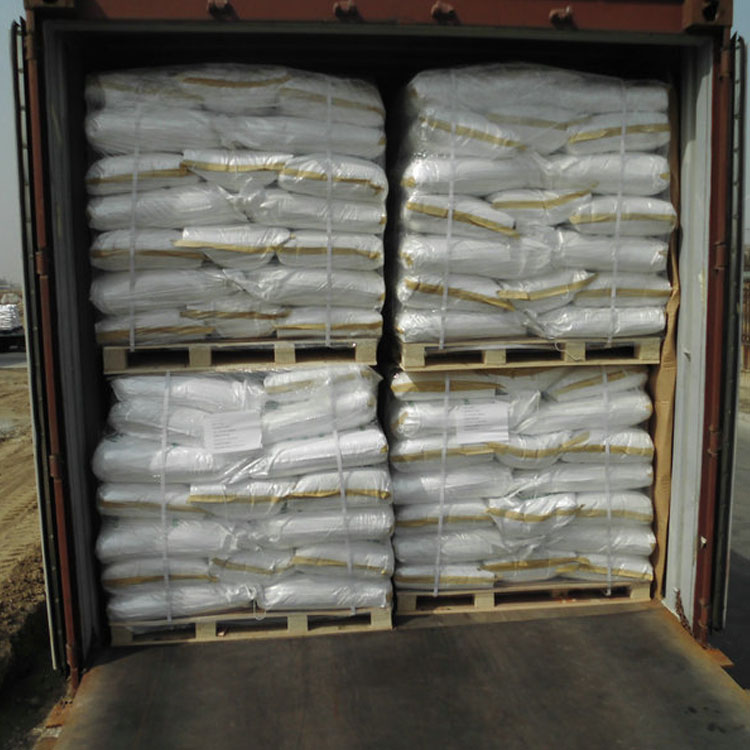
Isoniazid CAS#54-85-3
CAS Number: 54-85-3
Chemical Formula: C6H7N3O
Synonyms:
4-PYRIDINECARBOHYDRAZIDE
4-PYRIDINECARBOXYLIC ACID HYDRAZIDE
AKOS BBS-00004103
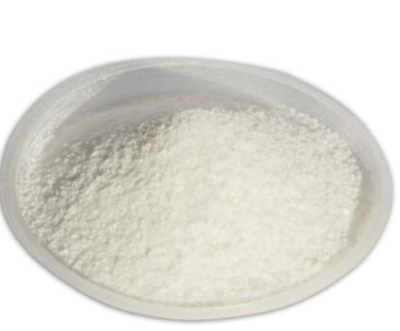
Appearance: White solid
HS Code:29333999
MOQ (Minimum Order Quantity): 1 FCL (Full Container Load)
Products Description of Isoniazid CAS#54-85-3
Isoniazid is a colorless crystal or white crystalline powder, slightly bitter, stable in nature, and easily soluble in water. The hydrazine group in isoniazid has strong reducing properties. It can reduce dissolved oxygen in water to hydrogen peroxide under alkaline conditions, but the rate is slow. Gold nanoparticles can catalyze this reaction and form a luminescent system with luminol. There is an amino group (-NH2) on the hydrazine group of isoniazid, which can undergo some reactions of the amino group, such as reacting with active carbonyl compounds to form Schiff bases, and reacting with carboxylic acid derivatives or sulfonyl chlorides to obtain acylated isoniazid or sulfonyl isoniazid.
Parameters
| Melting point | 171-173 °C (lit.) |
| Boiling point | 251.97°C (rough estimate) |
| density | 1.2620 (rough estimate) |
| bulk density | 800kg/m3 |
| refractive index | 1.6910 (estimate) |
| Fp | >250°C |
| storage temp. | 2-8°C |
| solubility | 125g/l |
| form | Crystals or Crystalline Powder |
| pka | pKa 2.00/3.60/10.8(H2O) (Uncertain) |
| color | White or colorless |
| PH | 6-8 (50g/l, H2O, 20℃) |
| Odor | Odorless |
| PH Range | 5.5 - 6.5 at 10 g/l at 25 °C |
| Water Solubility | 14 g/100 mL (25 ºC) |
| Sensitive | Air Sensitive |
| Merck | 145186 |
| BRN | 119374 |
| BCS Class | 1,3 |
| Stability: | Stability Stable, but may be air or light sensitive. Combustible. Incompatible with strong oxidizing agents, chloral, aldehydes, iodine, ferric salts, hypochlorites. |
| InChIKey | QRXWMOHMRWLFEY-UHFFFAOYSA-N |
| CAS DataBase Reference | 54-85-3(CAS DataBase Reference) |
| NIST Chemistry Reference | Isoniazid(54-85-3) |
| IARC | 3 (Vol. 4, Sup 7) 1987 |
| EPA Substance Registry System | Isoniazid (54-85-3) |
| Safety Information | |
| Hazard Codes | Xn |
| Risk Statements | 22-38-40-36/37/38 |
| Safety Statements | 37-36/37/39-26 |
| RIDADR | 2811 |
| WGK Germany | 3 |
| RTECS | NS1751850 |
| TSCA | Yes |
| PackingGroup | III |
| HS Code | 29333999 |
| Hazardous Substances Data | 54-85-3(Hazardous Substances Data) |
| Toxicity | LD50 in mice (mg/kg): 151 i.p., 149 i.v. (Jenney, Pfeiffer) |
Product Application of Isoniazid CAS#54-85-3
This product is used as a first-choice anti-tuberculosis drug with high efficiency, low toxicity and low cost. It is also used as an electroplating additive and pharmaceutical intermediate. The condensation of isoniazid with sodium bisulfite of formaldehyde can produce isoniazid methanesulfonic acid [13447-95-5]. It is condensed with formaldehyde to form di-isoniazid. This condensation reaction is relatively easy to carry out. Add formaldehyde to isoniazid aqueous solution and react at about 65℃ for half an hour. The condensation of isoniazid and vanillic acid is also carried out in aqueous solution. The reaction temperature is about 95℃ to produce isoniazid hydrazone. These isoniazid derivatives are all anti-tuberculosis drugs. Among the isoniazids, isoniazid has the best effect. Isoniazid hydrazone has a weaker effect on tuberculosis bacteria than isoniazid, but its toxicity to the nervous system and liver is lighter than isoniazid.
Biochemical research, clinical use as an anti-tuberculosis drug
Isoniazid is highly selective against tuberculosis bacteria and has strong antibacterial properties. In a test tube, a concentration of 0.025 to 0.05 mg/L can inhibit bacteria, and a higher concentration has a bactericidal effect on bacteria in the reproductive stage.
Factory and Equipment Show
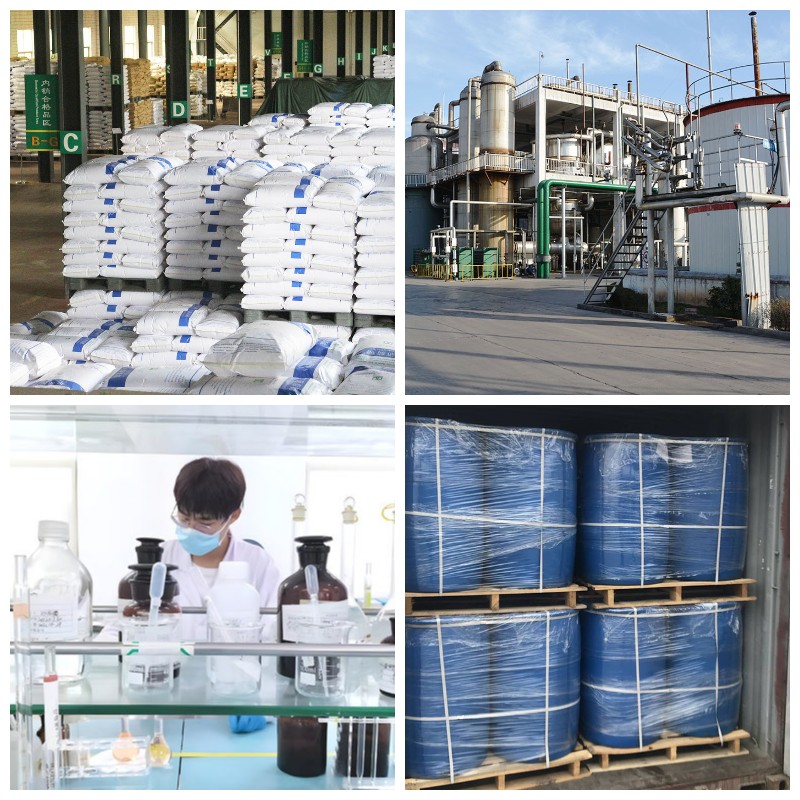
Fast delivery time
Inventory 2-3 working days New production 7-10 working days