Español
 العربية
 Francés
 Русский
 Português
 Deutsch
 Italiano
 Kazakh
 Uzbek
Uzbek

Triisobutyl phosphate CAS#126-71-6
CAS Number: 126-71-6
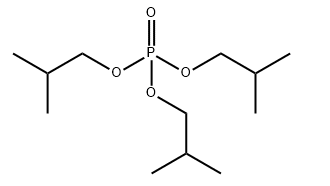
Chemical Formula: C12H27O4P
Synonyms:
Tris(2-methylpropyl) phosphate
Triisobutylphosphat
TRIS-ISOBUTYLPHOSPHATE
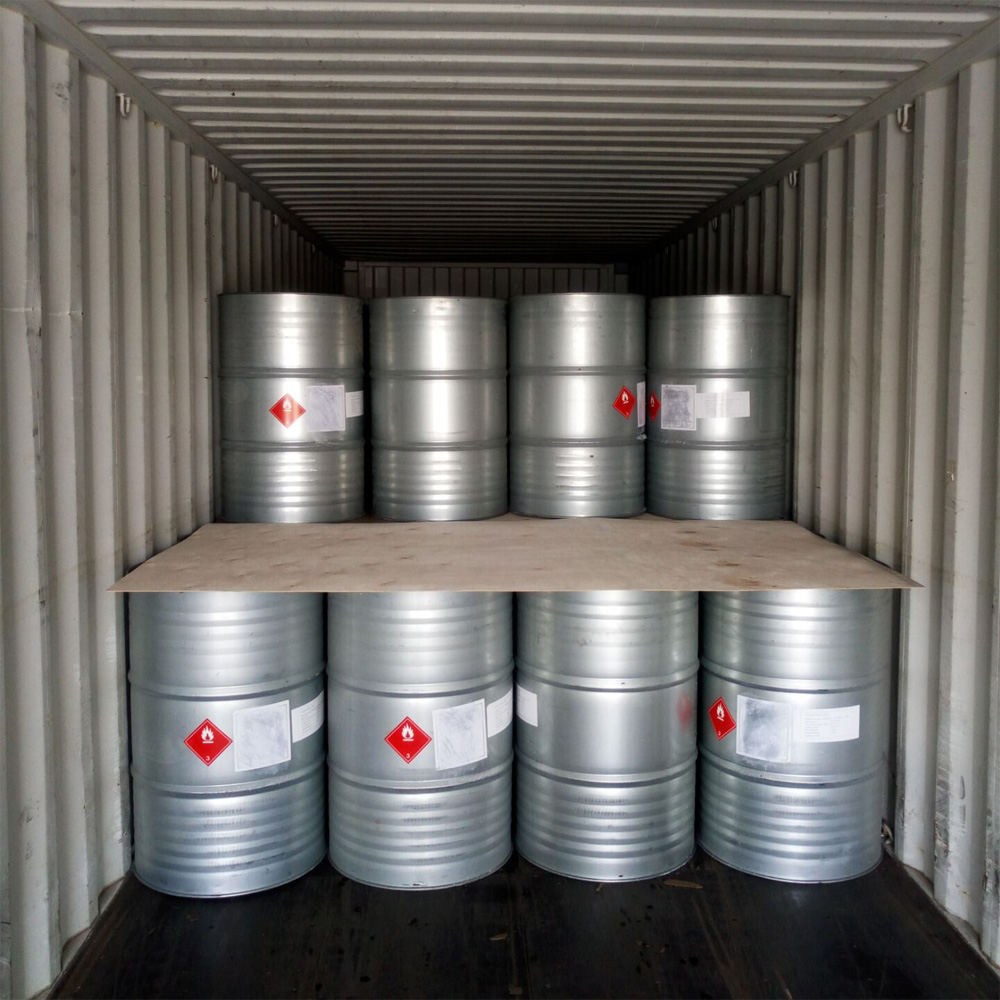
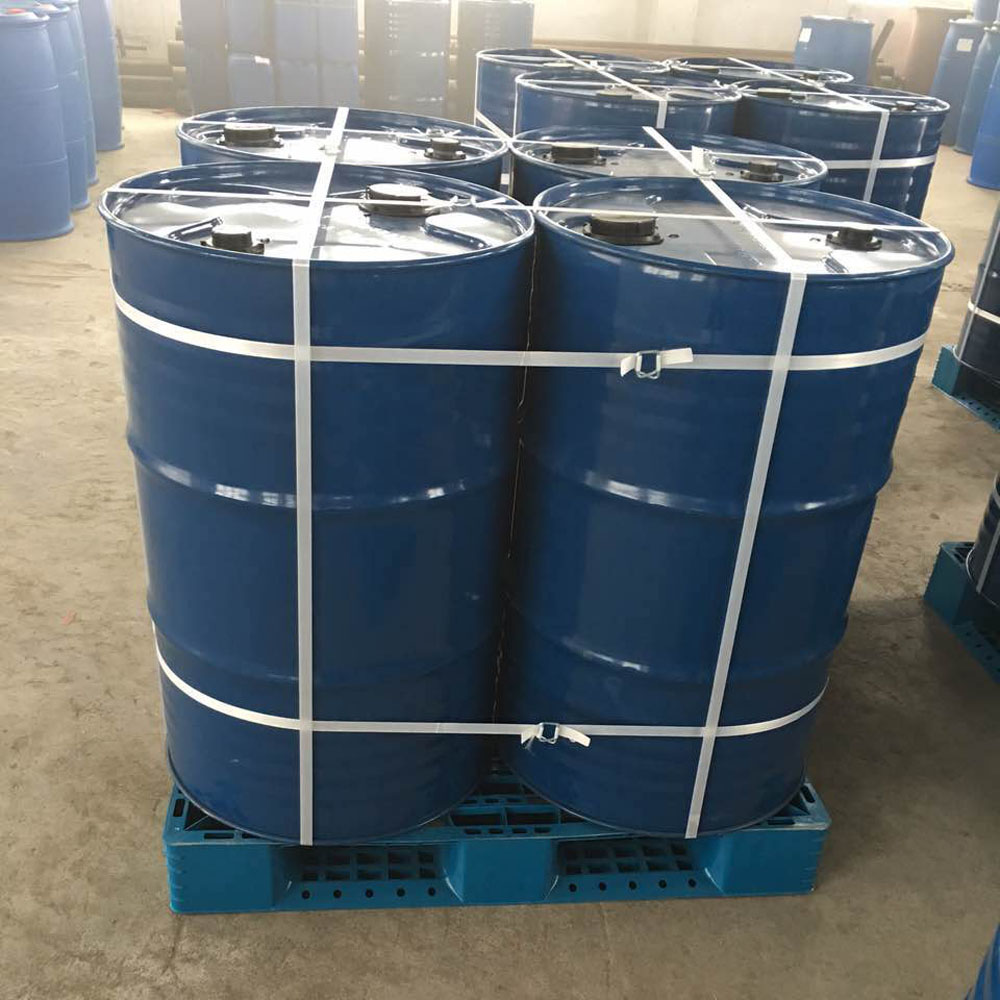
MOQ (Minimum Order Quantity): 1 FCL (Full Container Load)
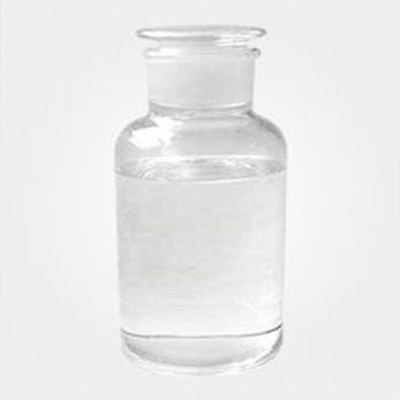
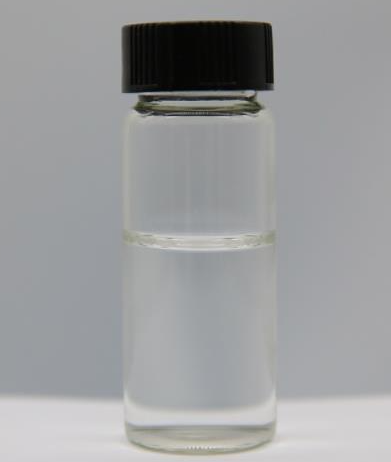
Appearance: Transperant Liquid
Triisobutyl phosphate CAS#126-71-6
Triisobutyl phosphate (TIBP) is a very strong polar solvent, sometimes known as Phosphoric acid triisobutyl ester. It is primarily used as an admixture for liquefying concrete, paper coating systems, and textile auxiliaries. It is mainly used as an antifoaming agent in various aqueous systems, where it can destroy foam and act as a foam inhibitor. TiBP is also used to introduce solutions for synthetic resins and natural rubber. In both ellulose-based plastics and synthetic resins, it is used as a flame-retarding plasticizer. TiBP is employed as a pasting agent for pigment pastes. Due to the limited influence of temperature on the viscosity of TiBP, it also serves as an important component in the manufacture of hydraulic fluids for aircraft. As a very strong wetting agent, TiBP is used in the textile industry and the field of adhesives.
Triisobutyl phosphate Chemical Properties |
Melting point | <-60°C |
Boiling point | ~205 °C(lit.) |
density | 0.965 g/mL at 20 °C(lit.) |
vapor pressure | 0.002 hPa (20 °C) |
refractive index | n |
Fp | 150 °C |
storage temp. | Store below +30°C. |
solubility | 0.26g/l |
form | Oil |
color | Colourless |
Water Solubility | 264mg/L at 25℃ |
InChI | InChI=1S/C12H27O4P/c1-10(2)7-14-17(13,15-8-11(3)4)16-9-12(5)6/h10-12H,7-9H2,1-6H3 |
InChIKey | HRKAMJBPFPHCSD-UHFFFAOYSA-N |
SMILES | P(OCC(C)C)(OCC(C)C)(OCC(C)C)=O |
LogP | 3.72 at 25℃ |
CAS DataBase Reference | 126-71-6(CAS DataBase Reference) |
EPA Substance Registry System | Triisobutyl phosphate (126-71-6) |
Safety Information |
Hazard Codes | Xi |
Risk Statements | 43 |
Safety Statements | 36/37 |
WGK Germany | 1 |
RTECS | TC9300000 |
Autoignition Temperature | 430 °C DIN 51794 |
TSCA | TSCA listed |
HS Code | 2919 90 00 |
Toxicity | LD50 orally in Rabbit: > 5000 mg/kg LD50 dermal Rabbit > 5000 mg/kg |
Product Application of Triisobutyl phosphate CAS#126-71-6
Phosphate esters are used as flame retardants, plasticizers, hydraulic fluids, solvents, extraction agents, antifoam agents,
Partition behavior in water, sediment, and soil
Phosphate ester flame retardants enter the environment from industrial sources and disposal of consumer products containing flame retardants. These anthropogenic compounds have been detected in water, soil, and air owing to widespread use following their fast emergence and popularization during 1970s. Occurrence of these phosphate ester flame retardants is widespread in surface water and groundwater because of the leaching of PVC plastics and polyurethane foams, effluent from industrial sources, and spills of hydraulic fluids. This primary contaminated water is then transported to a secondary source, such as drinking water. Hydrolysis, although slow because of poor solubility and pH dependence, is the most important abiotic elimination process. In soil and sediment, phosphate ester flame retardants are persistent because they have the tendency to adsorb strongly. Volatilization and biodegradation are potential elimination processes for phosphate esters adsorbed to soil.
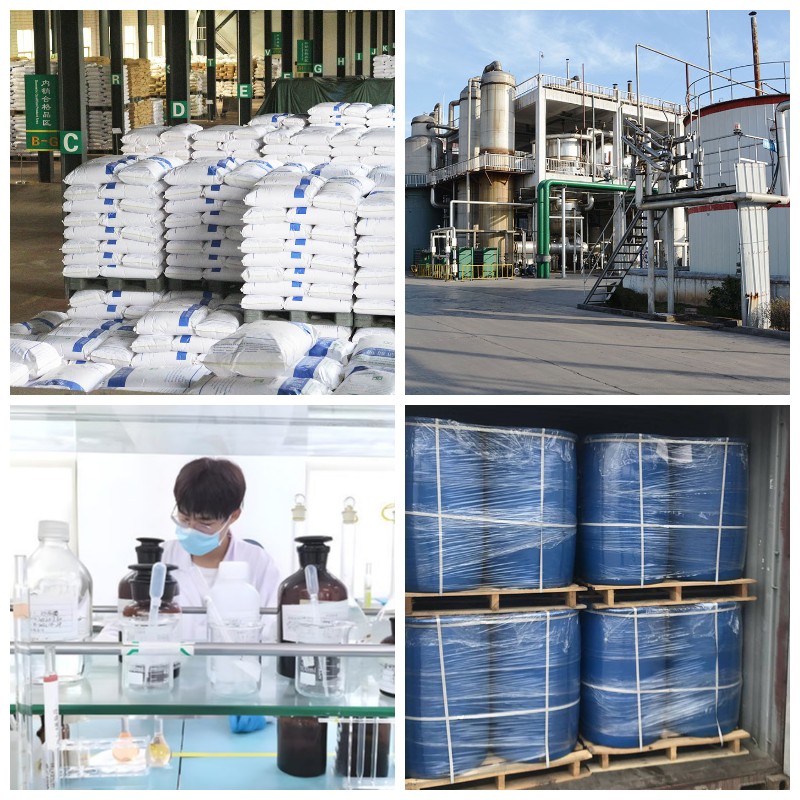
Factory and Equipment Show
Fast delivery time
Inventory 2-3 working days New production 7-10 working days