Español
 العربية
 Francés
 Русский
 Português
 Deutsch
 Italiano
 Kazakh
 Uzbek
Uzbek

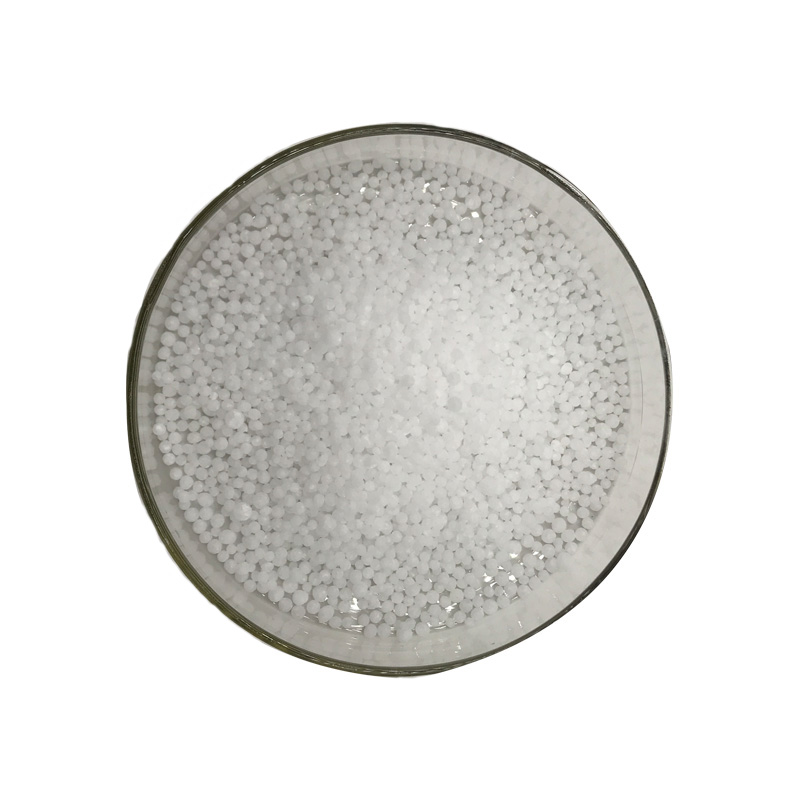
Sebacic acid CAS#111-20-6
CAS Number: 111-20-6
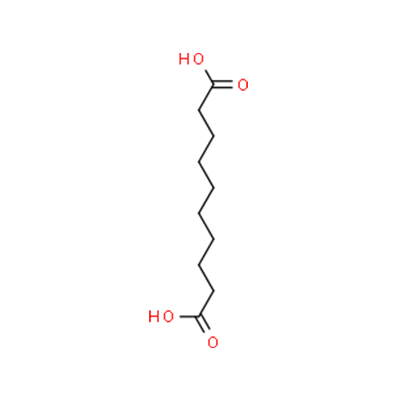
Chemical Formula: C10H18O4
Synonyms:
SEBACIC ACID
SEBACINIC ACID
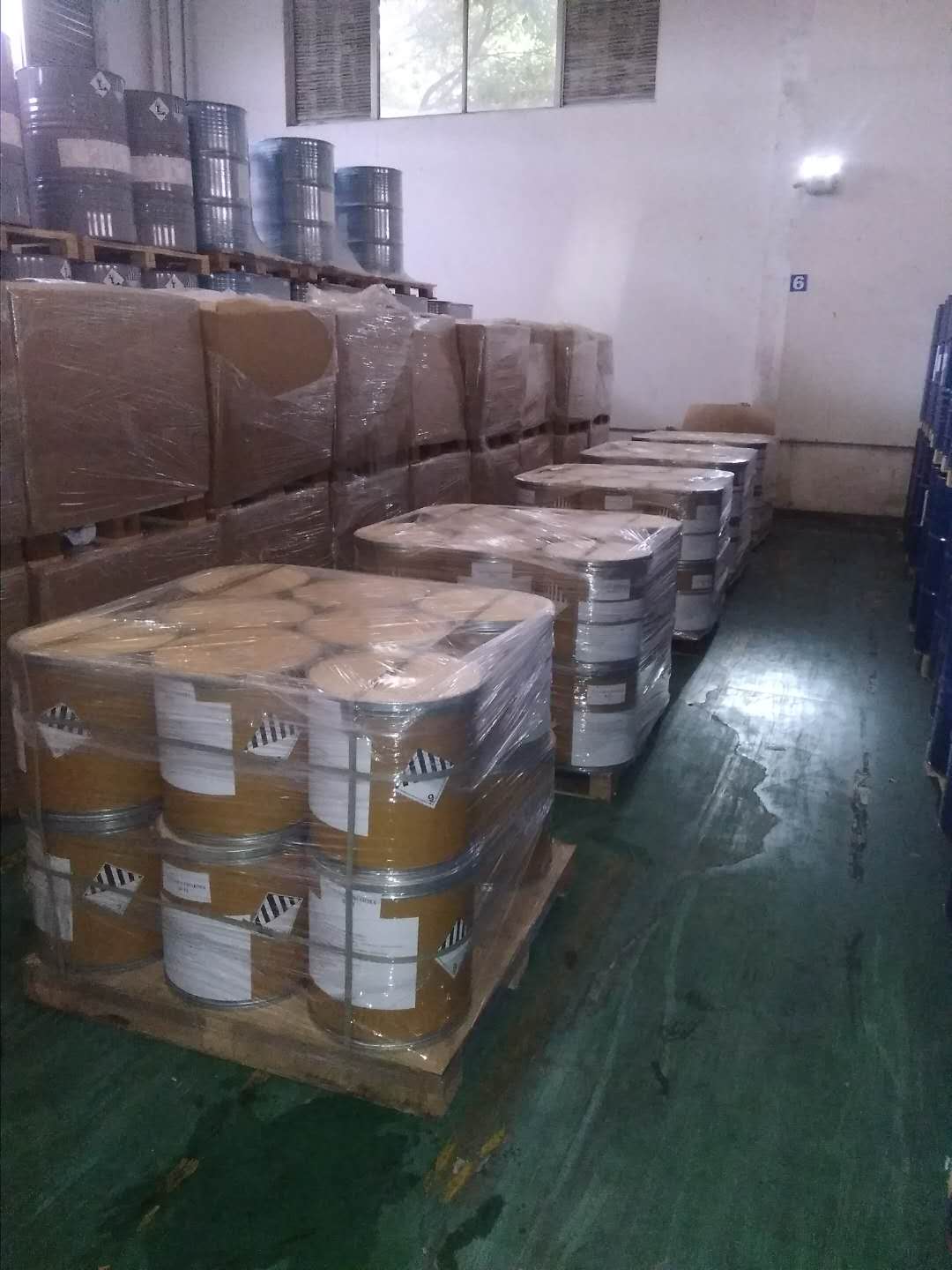
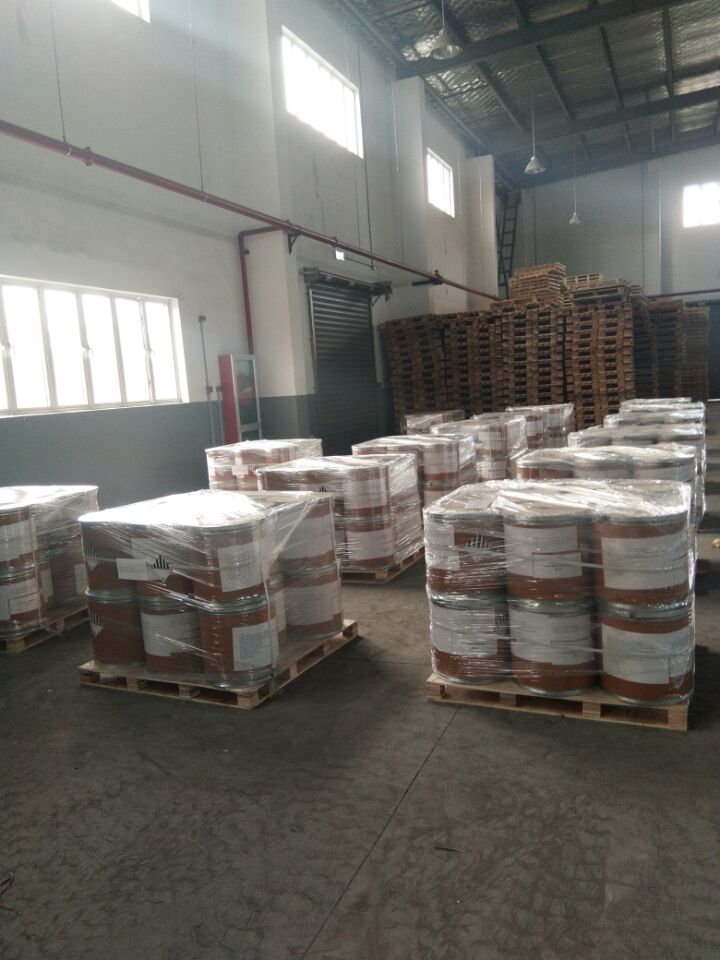
MOQ (Minimum Order Quantity): 1 FCL (Full Container Load)
Appearance: White Powder
Sebacic acid is a dicarboxylic acid with structure (HOOC)(CH2)8(COOH), and is naturally occurring.
In its pure state it is a white flake or powdered crystal. The product is described as non-hazardous, though in its powdered form it can be prone to flash ignition (a typical risk in handling fine organic powders).
Sebaceus is Latin for tallow candle, sebum (tallow) is Latin for tallow, and refers to its use in the manufacture of candles. Sebacic acid is a derivative of castor oil, with the vast majority of world production occurring in China which annually exports over 20,000 metric tonnes, representing over 90 % of global trade of the product.
In the industrial setting, sebacic acid and its homologues such as azelaic acid can be used in plasticizers, lubricants, hydraulic fluids, cosmetics, candles, etc. Sebacic acid is also used as an intermediate for aromatics, antiseptics, and painting materials.
Sebacic acid Chemical Properties |
Melting point | 133-137 °C (lit.) |
Boiling point | 294.5 °C/100 mmHg (lit.) |
bulk density | 600-620kg/m3 |
density | 1.21 |
vapor pressure | 1 mm Hg ( 183 °C) |
refractive index | 1.422 |
Fp | 220 °C |
storage temp. | Store below +30°C. |
solubility | ethanol: 100 mg/mL |
pka | 4.59, 5.59(at 25℃) |
form | Powder or Granules |
color | White to off-white |
Odor | monoclinic prismatic tablets, wh. powd., fatty acid odor |
Water Solubility | 1 g/L (20 ºC) |
Merck | 14,8415 |
BRN | 1210591 |
Stability: | Stable. Combustible. Incompatible with strong oxidizing agents, bases, reducing agents. |
Cosmetics Ingredients Functions | BUFFERING |
InChI | 1S/C10H18O4/c11-9(12)7-5-3-1-2-4-6-8-10(13)14/h1-8H2,(H,11,12)(H,13,14) |
InChIKey | CXMXRPHRNRROMY-UHFFFAOYSA-N |
SMILES | OC(=O)CCCCCCCCC(O)=O |
LogP | 1.5 at 23℃ |
CAS DataBase Reference | 111-20-6(CAS DataBase Reference) |
NIST Chemistry Reference | Decanedioic acid(111-20-6) |
EPA Substance Registry System | Sebacic acid (111-20-6) |
Safety Information |
Hazard Codes | Xi |
Risk Statements | 36/37/38 |
Safety Statements | 26-36-24/25 |
WGK Germany | 1 |
RTECS | VS0875000 |
TSCA | TSCA listed |
HS Code | 29171310 |
Storage Class | 11 - Combustible Solids |
Toxicity | LD50 orally in Rabbit: 3400 - 14500 mg/kg LD50 dermal Rat > 2000 mg/kg |
Product Application Of Sebacic acid CAS#111-20-6
Decanedioic acid was named by Thenard LJ (1802) from the Latin sebaceus(tallow candle) or sebum (tallow) in reference to its use in the manufacture of candles. Thenard LJ isolated this compound from distillation products of beef tallow. In 1954, it was reported that it was produced in excess of 10,000 tons annually by alkali fission of castor oil. Sebacic acid and its derivatives, as azelaic acid, have a variety of industrial uses as plasticizers, lubricants, diffusion pump oils, cosmetics, candles, etc. It is also used in the synthesis of polyamide, as nylon, and of alkyd resins. An isomer, isosebacic acid, has several applications in the manufacture of vinyl resin plasticizers, extrusion plastics, adhesives, ester lubricants, polyesters, polyurethane resins and synthetic rubber. |
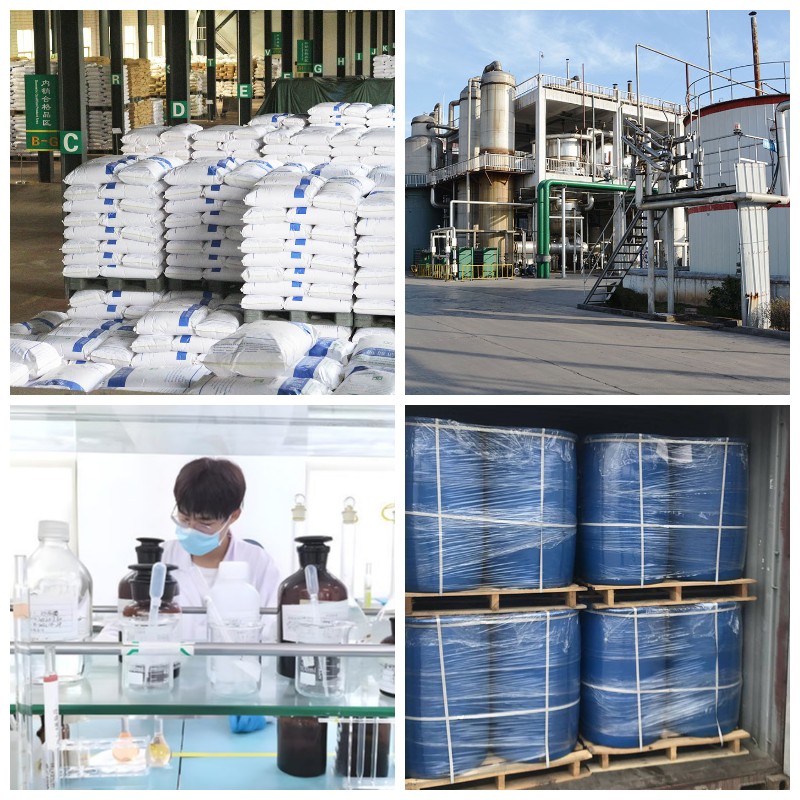
Factory and Equipment Show
Fast delivery time
Inventory 2-3 working days New production 7-10 working days