Español
 العربية
 Francés
 Русский
 Português
 Deutsch
 Italiano
 Kazakh
 Uzbek
Uzbek

PVB CAS#63148-65-2
CAS Number: 63148-65-2
Chemical Formula: C2H6S2
Synonyms:
Butvar®B-76Polyvinyl butyral
Polyvinyl butyral film
Polyvinyl Butyral (PVB)
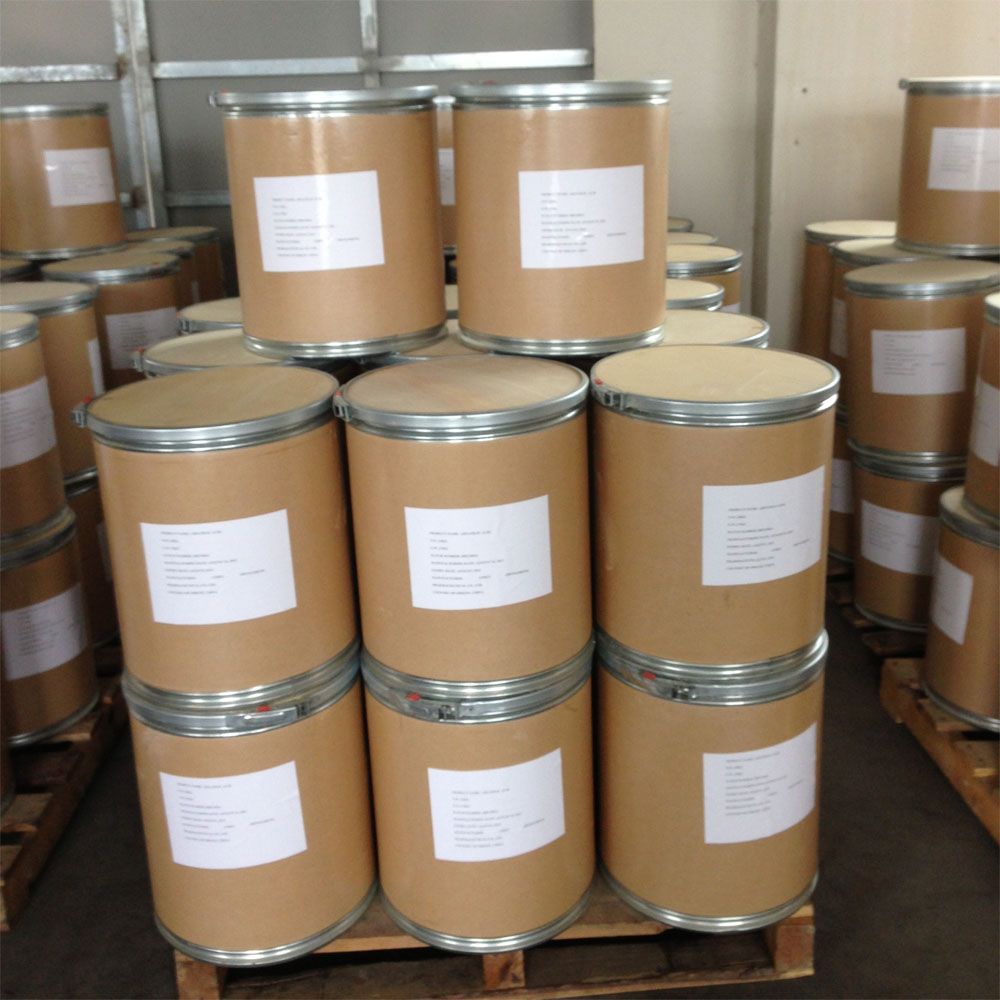
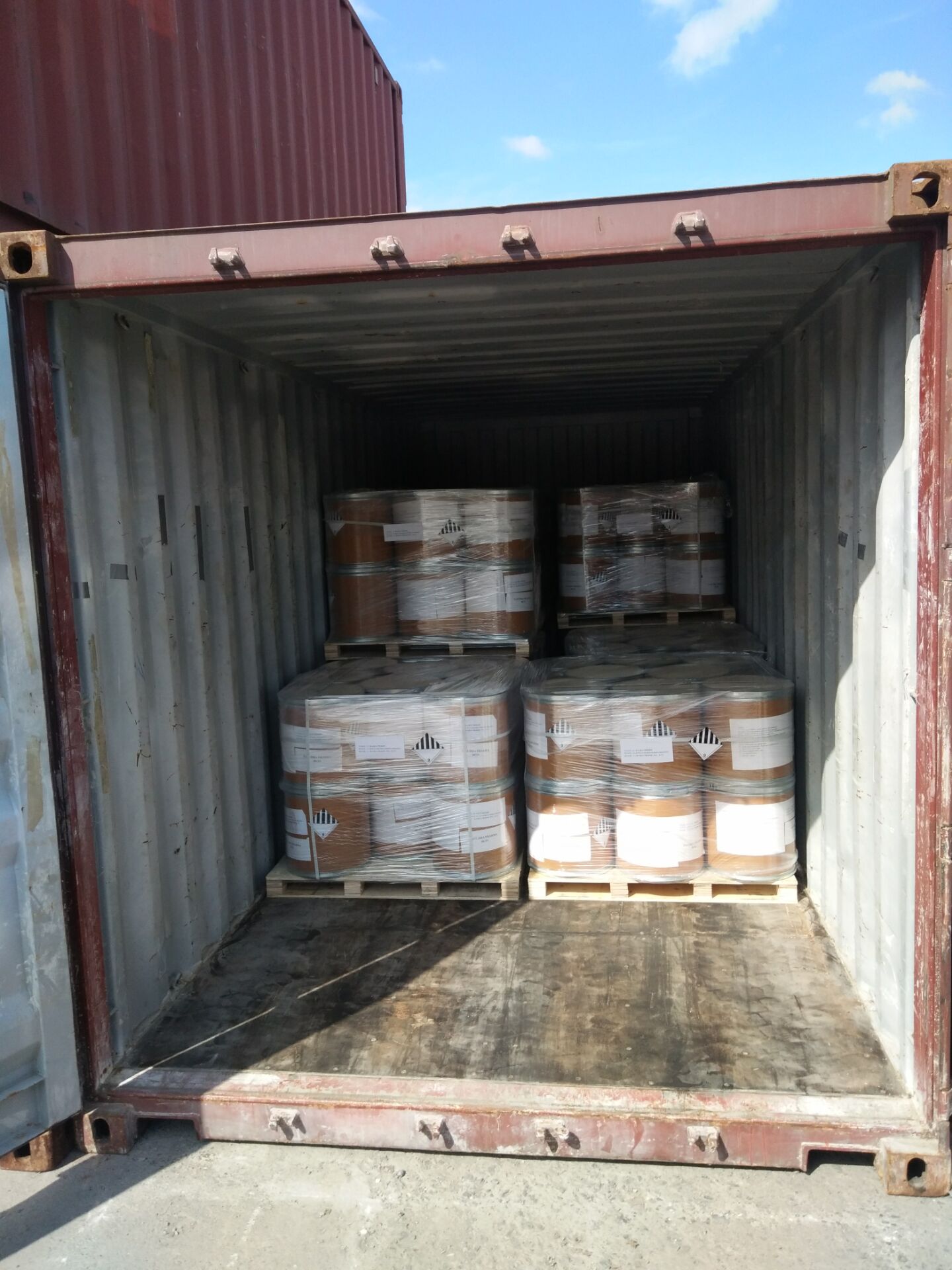
MOQ (Minimum Order Quantity): 1 FCL (Full Container Load)
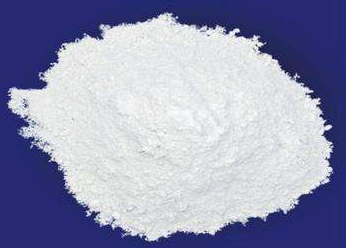
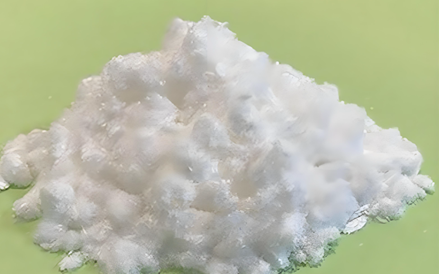
Appearance: White Powder
PVB CAS#63148-65-2
PVB resin has certain chemical stability, but it can be decomposed in acidic or alkaline (especially acidic) medium. It starts to decompose thermally after being heated to 100°C, and will be almost completely decomposed at 200–240°C. Hydrolysis can occur in dilute acid, at this time intermolecular cross-linking can occur, a small amount of double bonds is formed in the chain, and the acetate group will be further hydrolyzed. Heated in concentrated acid to form a transparent solution, while decomposing into aldehydes. Upon heating in dilute alkali solution with alkali concentration less than 1%, the free acid in PVB resin is neutralized and the thermal stability of the resin is improved. However, when PVB resin is heated with 3% alkaline solution to boiling, the acetate groups can be further hydrolyzed and saponified.
PVB Chemical Properties |
Melting point | 165-185°C |
density | 1.08 |
refractive index | 1.485 |
storage temp. | room temp |
form | Free-Flowing Powder |
color | White |
Odor | Odorless |
Water Solubility | insoluble |
Stability: | Stable. Combustible. Dust may form explosive mixture with air. Incompatible with strong oxidizing agents. |
Major Application | diagnostic assay manufacturing |
Cosmetics Ingredients Functions | FILM FORMING |
CAS DataBase Reference | 63148-65-2(CAS DataBase Reference) |
EPA Substance Registry System | Polyvinyl butyral (63148-65-2) |
Safety Information |
Hazard Codes | Xi |
Risk Statements | 36/37/38 |
Safety Statements | 26-36-24/25 |
WGK Germany | 1 |
RTECS | TR4955000 |
TSCA | TSCA listed |
HS Code | 39059990 |
Storage Class | 11 - Combustible Solids |
Product Application of PVB CAS#63148-65-2
The main application of poly(vinyl butyral) is as interlayers in safety glass laminates. In this application, a pure (colourless, light-stable) product with high hydroxyl content (for good adhesion) is required. Such material is preferably prepared from poly(vinyl alcohol) rather than directly from poly(vinyl acetate). In a typical process, completely hydrolysed poly(vinyl alcohol) is suspended in ethanol and then butyraldehyde and a small quantity of sulphuric acid (catalyst) are added. The mixture is heated at 800℃ for 6 hours. Water is then added to the product with rapid agitation and the poly(vinyl butyral) is precipitated as granules, which are washed with alkali and dried.
Fact Factory and Equipment Show
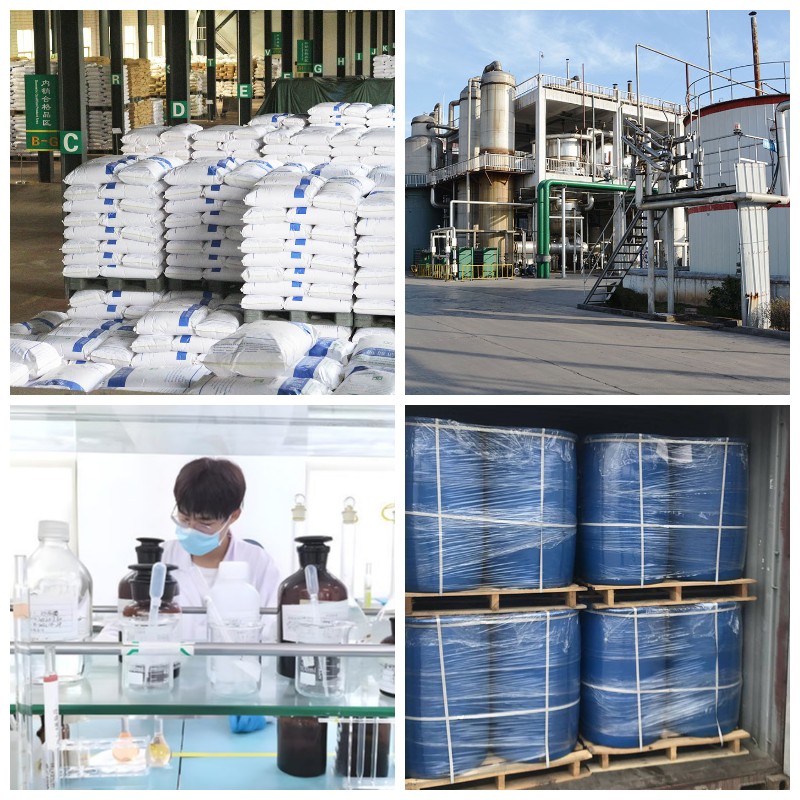
Fast delivery time
Inventory 2-3 working days New production 7-10 working days