Español
 العربية
 Francés
 Русский
 Português
 Deutsch
 Italiano
 Kazakh
 Uzbek
Uzbek

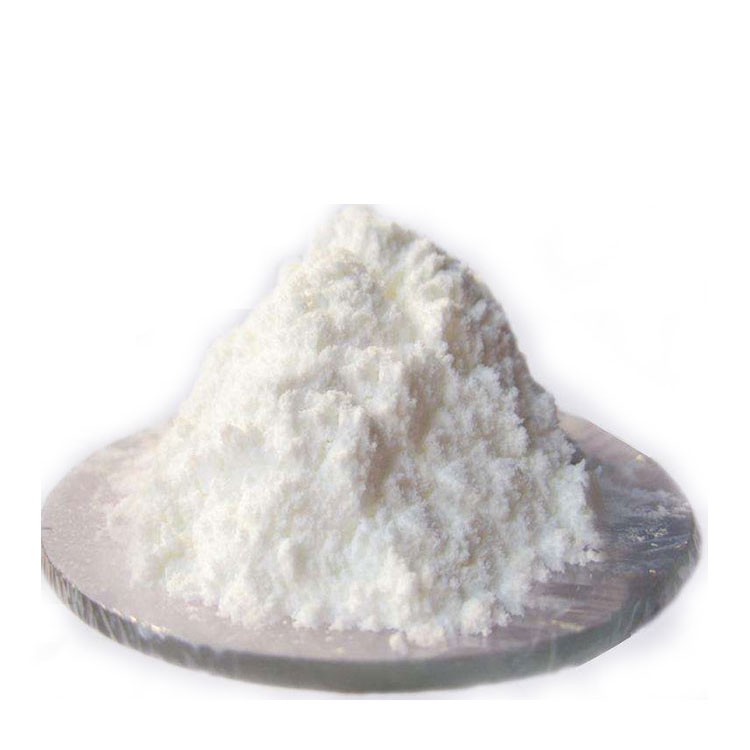
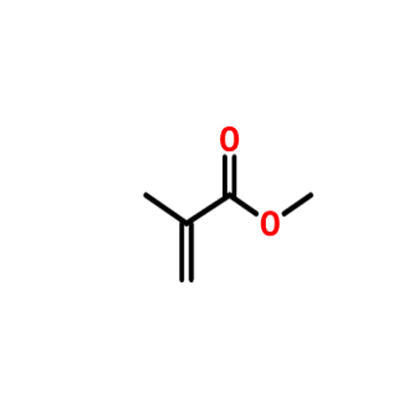
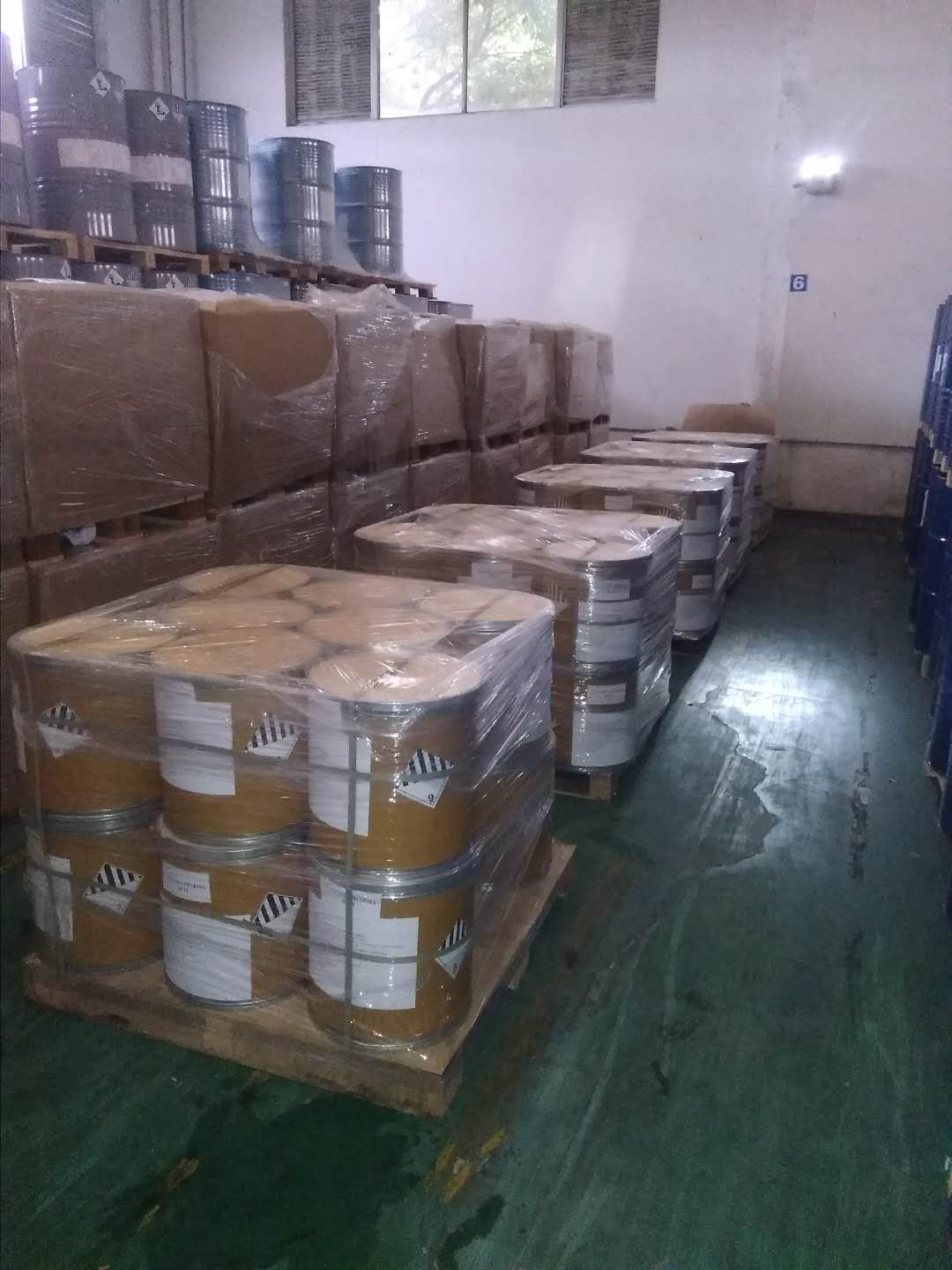
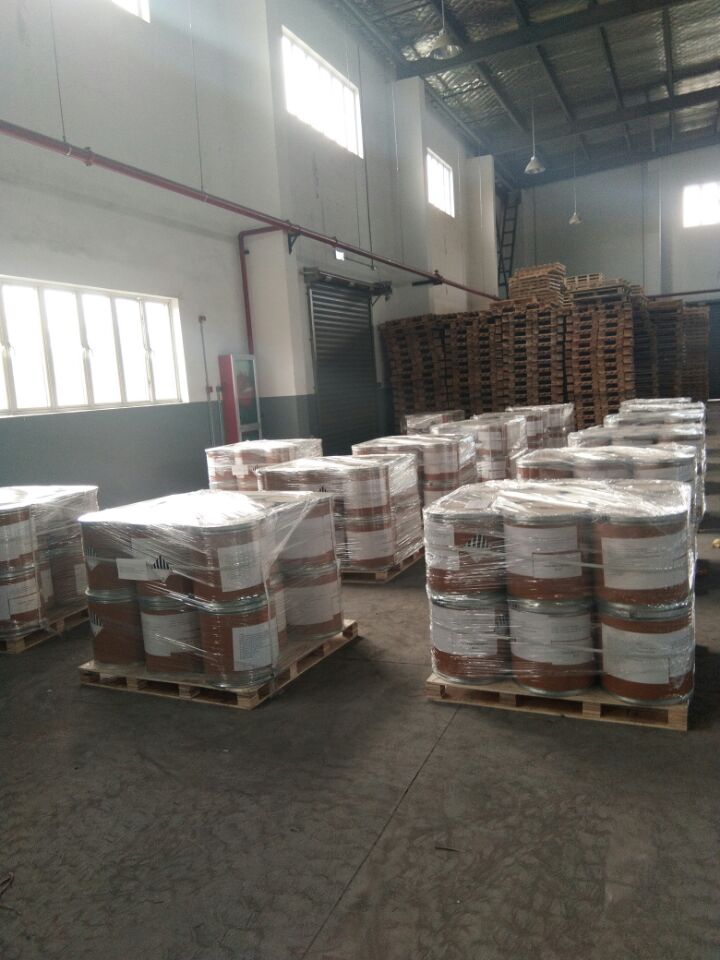
Poly(methyl methacrylate) CAS#9011-14-7
CAS Number: 9011-14-7
Chemical Formula: (C5H8O2)x
Synonyms:
POLY(METHYL METHACRYLATE)
MOQ (Minimum Order Quantity): 1 FCL (Full Container Load)
Appearance: White Powder
Poly(methyl methacrylate) CAS#9011-14-7
Methyl methacrylate is one of the most common methacrylates. This acrylic monomer, the essential component of the fluid mixed to the powder, may cause allergic contact dermatitis mainly in dental technicians and dentists. Cases were also reported in those using seulptured nails and in ceramics workers.
Poly(methyl methacrylate) Chemical Properties |
Melting point | 150 °C |
Boiling point | 108 °C |
density | 1.188 g/mL at 25 °C |
Tg | 115 |
Tg | 88 |
refractive index | n |
Fp | 250 °C |
storage temp. | 2-8°C |
solubility | alcohols and aliphatic hydrocarbons: insoluble |
form | powder |
Specific Gravity | 1.188 |
color | White |
Water Solubility | Soluble in tetrahydrofuran, toluene, cyclohexanone, ethyl acetate and chloroform. Insoluble in water, alcohols and aliphatic hydrocarbons. |
Stability: | Stable. Combustible. Incompatible with strong oxidizing agents. |
Cosmetics Ingredients Functions | FILM FORMING |
InChI | 1S/C5H9O2/c1-4(2)5(6)7-3/h1-3H3 |
InChIKey | PMAMJWJDBDSDHV-UHFFFAOYSA-N |
LogP | 1.346 (est) |
CAS DataBase Reference | 9011-14-7 |
IARC | 3 (Vol. 19, Sup 7) 1987 |
EPA Substance Registry System | Methyl methacrylate homopolymer (9011-14-7) |
Safety Information |
Hazard Codes | Xn |
Risk Statements | 20/22 |
Safety Statements | 36-24/25-22 |
WGK Germany | 3 |
RTECS | TR0400000 |
Autoignition Temperature | 580 °F |
TSCA | TSCA listed |
HS Code | 39061000 |
Storage Class | 11 - Combustible Solids |
Product Application Of Poly(methyl methacrylate) CAS#9011-14-7
PMMA has been used in the area of biomedical applications, which involves the preparation of bone cements for drug delivery/release and cranioplasty. The qualities that made the polymer a potential material for these applications include: non-toxicity, less cost, easy processability, compatibility, minimal inflammatory reactions with tissues, and greater fracture resistance, especially when used in cranioplasty.
PMMA has also been used to widen the applications of chitosan in various fields that include biomedical and pharmaceutical applications. Zuhair et al. reported the successful grafting of a PMMA/chitosan blend. The results indicated an increase in the mechanical properties, such as tensile strength and flexural modulus. The degradation, porosity, and water absorbency of the blend in synthetic body fluid (SBF) with a pH of 7.4 increased with an increase in the chitosan percentage and immersion time in SBF. These behaviors exhibited by the PMMA/chitosan blend illustrate its potentials for drug release applications[22].
Fact Factory and Equipment Show
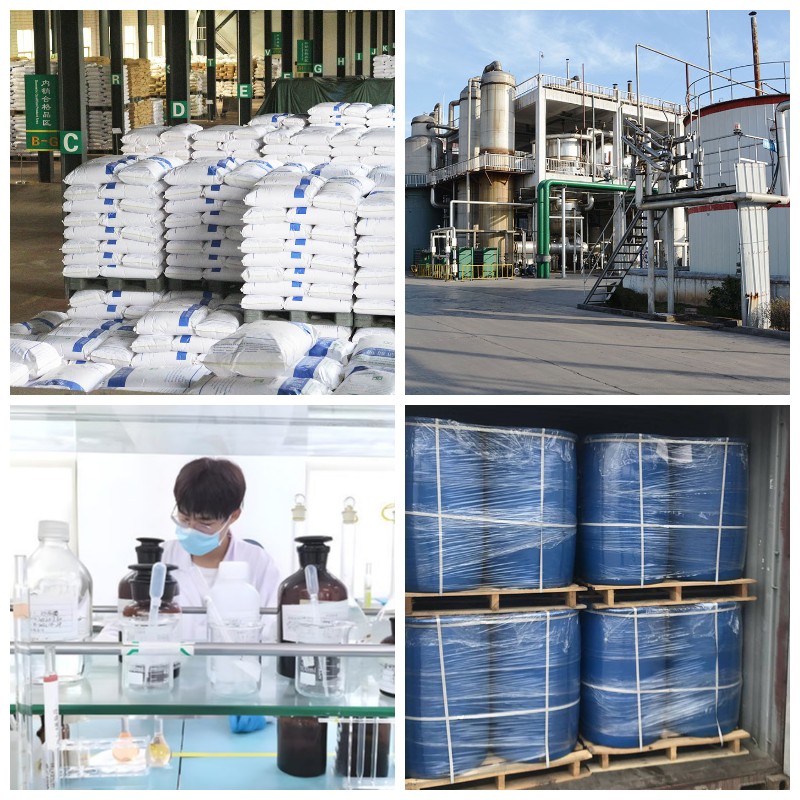
Fast delivery time
Inventory 2-3 working days New production 7-10 working days