Español
 العربية
 Francés
 Русский
 Português
 Deutsch
 Italiano
 Kazakh
 Uzbek
Uzbek


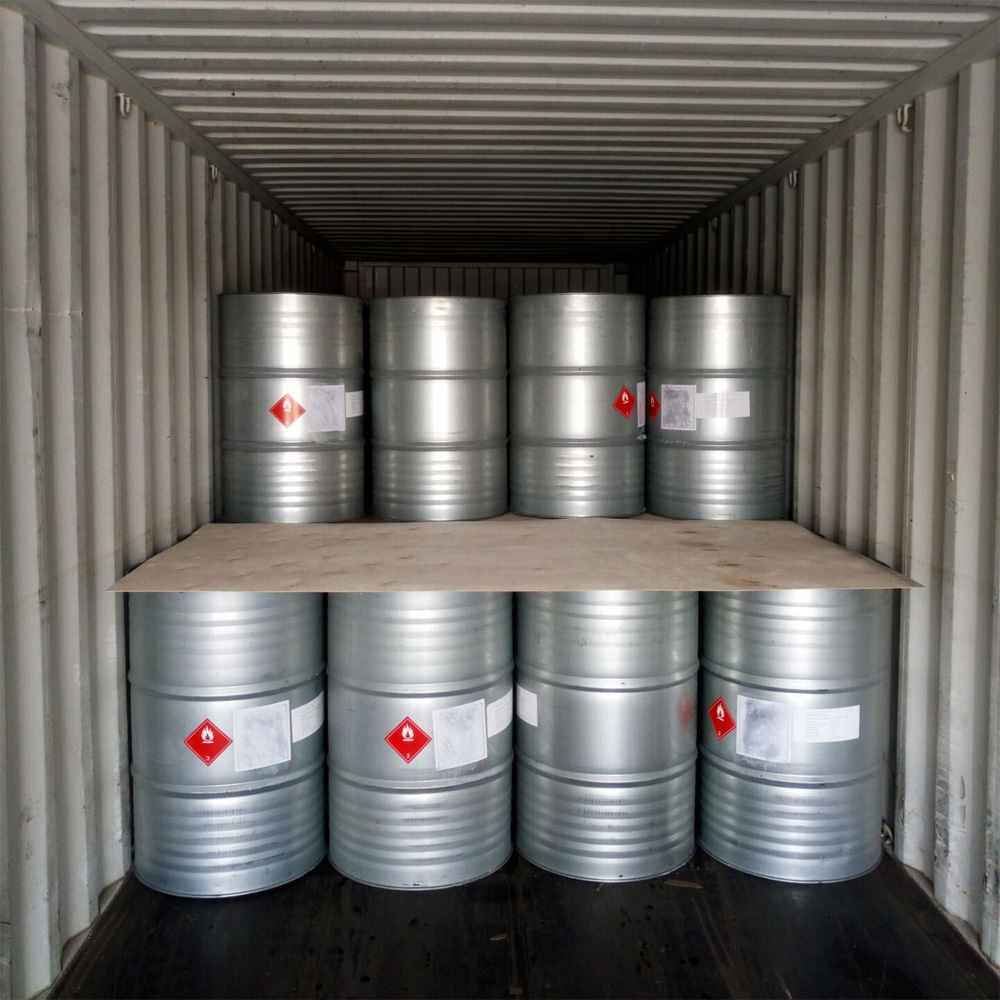
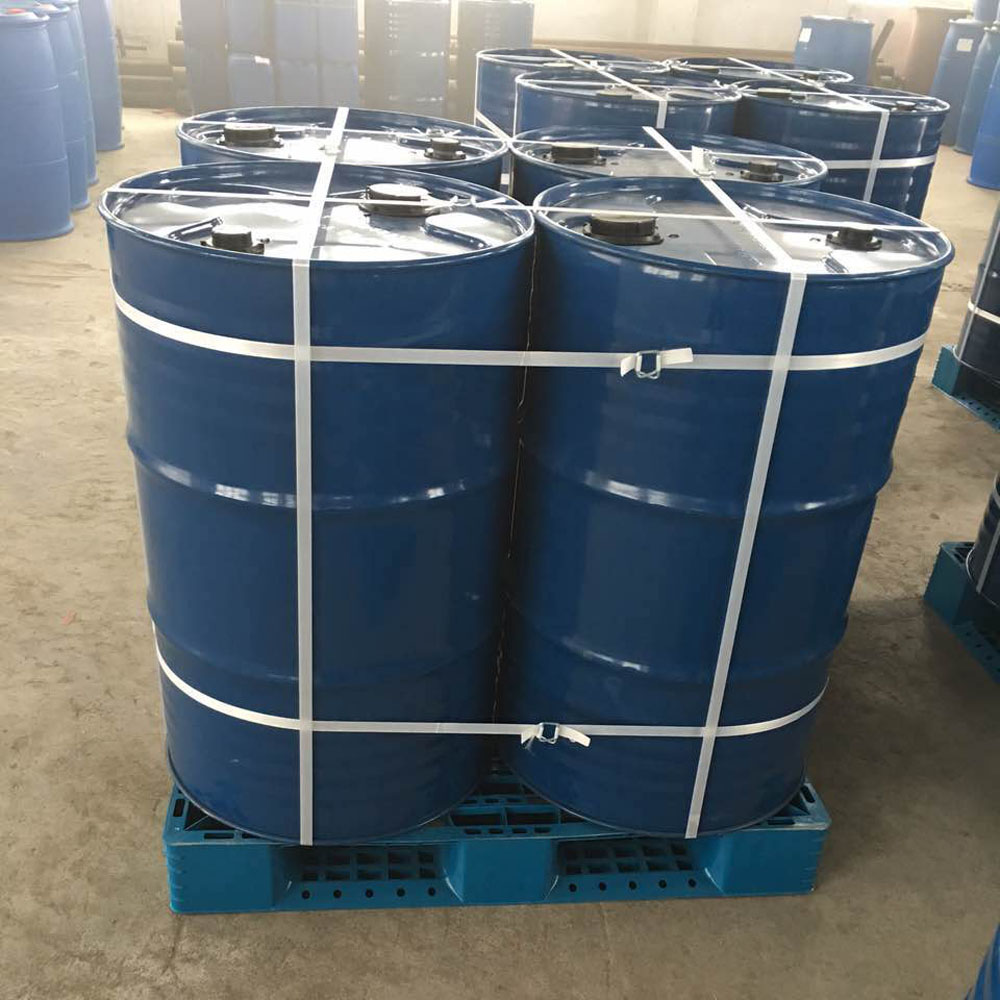
Polyether Polyol CAS#9003-11-6
CAS Number: 9003-11-6
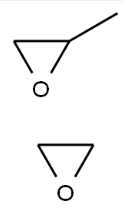
Chemical Formula: (C3H6O.C2H4O)x
Synonyms:
POLOXAMER 184 NF
MOQ (Minimum Order Quantity): 1 FCL (Full Container Load)
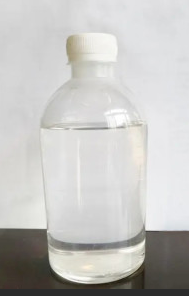
Appearance: Transperant Liquid
Polyether Polyol CAS#9003-11-6
Polyethylene-polypropylene glycol generally occur as white, waxy, free-flowing prilled granules, or as cast solids. They are practically odorless and tasteless. At room temperature, poloxamer 124 occurs as a colorless liquid.
Polyethylene-polypropylene glycol Chemical Properties |
Melting point | 57-61 °C |
Boiling point | >200 °C(lit.) |
bulk density | 1050kg/m3 |
density | 1.095 g/mL at 25 °C |
vapor density | >1 (vs air) |
vapor pressure | <0.3 mm Hg ( 20 °C) |
refractive index | n |
Fp | >230 °F |
storage temp. | 2-8°C |
solubility | H2O: at <70 °Csoluble |
form | solution |
color | APHA: ≤120, 50/50 in CH3OH |
PH | 5.0-7.5 (100g/L in H2O) |
PH Range | 5.0 - 7.5 |
biological source | synthetic |
Water Solubility | Miscible with water. |
λmax | λ: 260 nm Amax: ≤0.3 |
Merck | 13,7644 |
Hydrophilic-Lipophilic Balance (HLB) | 18 - 23 |
Cosmetics Ingredients Functions | SURFACTANT - CLEANSING |
InChI | 1S/C3H6O.C2H4O/c1-3-2-4-3;1-2-3-1/h3H,2H2,1H3;1-2H2 |
InChIKey | RVGRUAULSDPKGF-UHFFFAOYSA-N |
SMILES | O2C(C2)C.O1CC1 |
LogP | -1.293 (est) |
EPA Substance Registry System | Poloxalene (9003-11-6) |
Safety Information |
Hazard Codes | T |
Risk Statements | 21-23/24/25-25-36/37/38 |
Safety Statements | 23-24/25-45-36/37/39-26 |
WGK Germany | 3 |
RTECS | TP6164333 |
TSCA | TSCA listed |
HS Code | 39059100 |
Storage Class | 11 - Combustible Solids |
Hazardous Substances Data | 9003-11-6(Hazardous Substances Data) |
Toxicity | LD50 oral in rabbit: 35gm/kg |
Product Application of Polyether Polyol CAS#9003-11-6
1. General-purpose soft foam polyether polyol
Low viscosity, stable foaming, excellent flame-retardant core performance. Specifically designed for block-shaped soft sponge materials such as furniture and mattresses. The finished product has uniform pores and a comfortable feel.
2. High rebound soft foam using polyether polyol
High hydroxyl content, rapid curing, ultra-low odor and VOC, suitable for cold molding of automotive seats, steering wheels and micro-cellular elastomers, providing excellent rebound, support and resistance to compression permanent deformation.
3. Polymer polyols
Styrene-acrylonitrile graft modification significantly enhances the load-bearing, tensile and tear strength, achieving a balance between high load-bearing capacity and good processing properties in high-rebound or ordinary soft foams.
Fact Factory and Equipment Show
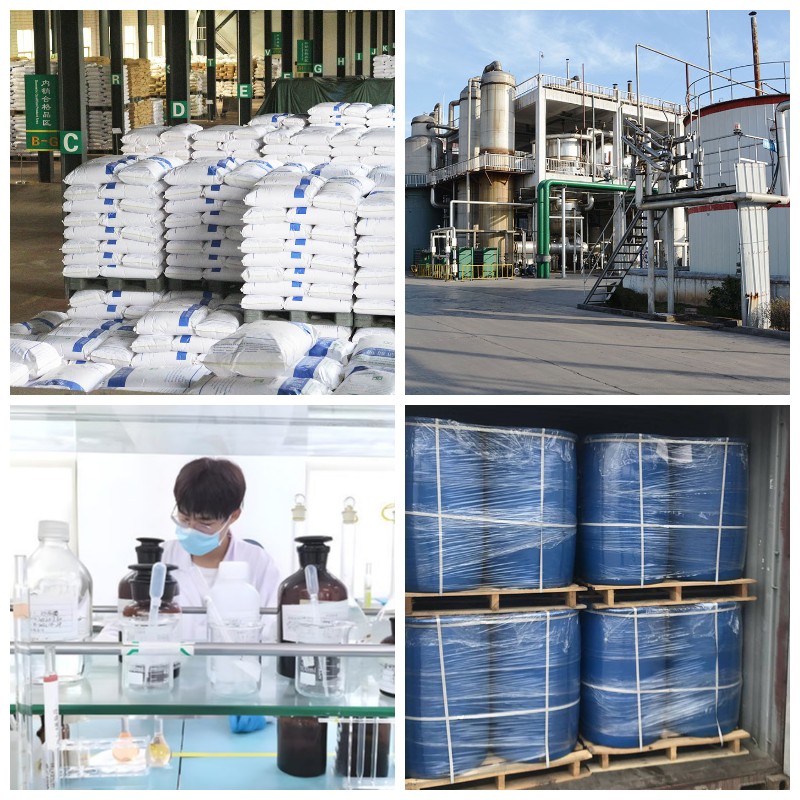
Fast delivery time
Inventory 2-3 working days New production 7-10 working days