Español
 العربية
 Francés
 Русский
 Português
 Deutsch
 Italiano
 Kazakh
 Uzbek
Uzbek

Polycaprolactone CAS# 24980-41-4
CAS Number: 24980-41-4
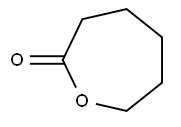
Chemical Formula: C6H10O2
Synonyms:
Polycaprolactone Standard (Mw 100,000)
Ploycarprolactone
Polycaprolactone Standard (Mw 2,000)
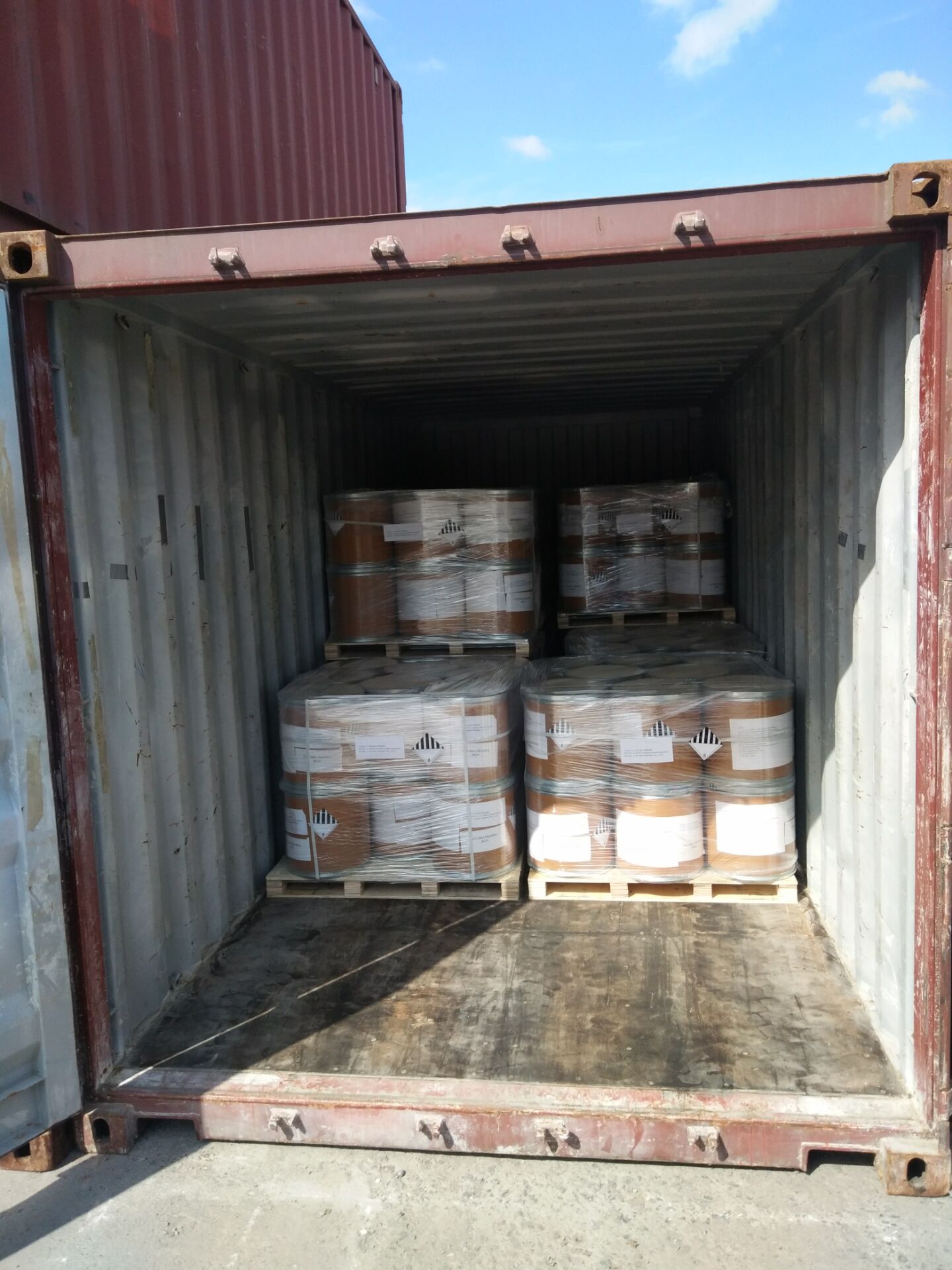
MOQ (Minimum Order Quantity): 1 FCL (Full Container Load)
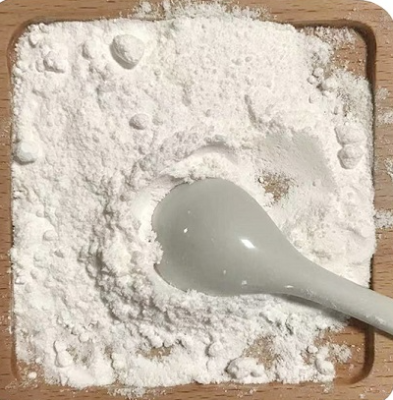
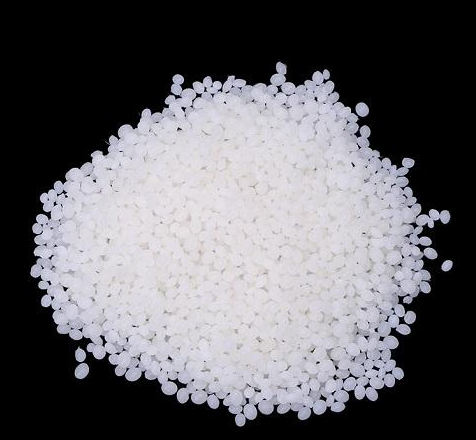
Appearance: White granular
Polycaprolactone CAS# 24980-41-4
Biodegradable, biocompatible, and bioresorbable polymer composed of ε-caprolactone. This semi-crystalline material has been used in the fabrication of research medical devices and research tissue engineering solutions, such as orthopedic or soft tissue fixation devices. Degradation of this material has been thoroughly studied and has been shown to be safely resorbed by the body after implantation. Modification of molecular weight and polymer composition allows for control of the degradation rate and mechanical stability of the polymer.
Polycaprolactone Chemical Properties |
Melting point | 60 °C(lit.) |
density | 1.146 g/mL at 25 °C |
Tg | -60 |
storage temp. | -20°C |
form | pellets |
Odor | odorless |
Appearance | White to off-white Solid |
Cosmetics Ingredients Functions | LIGHT STABILIZER |
InChI | InChI=1S/C6H10O2/c7-6-4-2-1-3-5-8-6/h1-5H2 |
InChIKey | PAPBSGBWRJIAAV-UHFFFAOYSA-N |
SMILES | O1CCCCCC1=O |
EPA Substance Registry System | 2-Oxepanone, homopolymer (24980-41-4) |
Safety Information |
WGK Germany | 3 |
RTECS | TR4708000 |
TSCA | TSCA listed |
HS Code | 3907998090 |
Storage Class | 11 - Combustible Solids |
Product Application of Polycaprolactone CAS# 24980-41-4
Polycaprolactone (PCL) is a biodegradable, semicrystalline polyester for use in tissue engineering and drug delivery research applications. Due to the increased length of the aliphatic chain, polycaprolactone degrades significantly slower than other common biodegradable polymers, such as polylactide. PCL features a low melting point (55-60 °C), making it ideal for thermal processing and increasing its use in novel applications such as 3D bioprinting. In addition to its favorable thermal properties, PCL also features high solubility in organic solvent allowing for a multitude of other processing options. This product features low residual water, monomer, and catalyst (tin) making it an ideal choice for use in tissue engineering and 3D bioprinting research.
Factory and Equipment Show
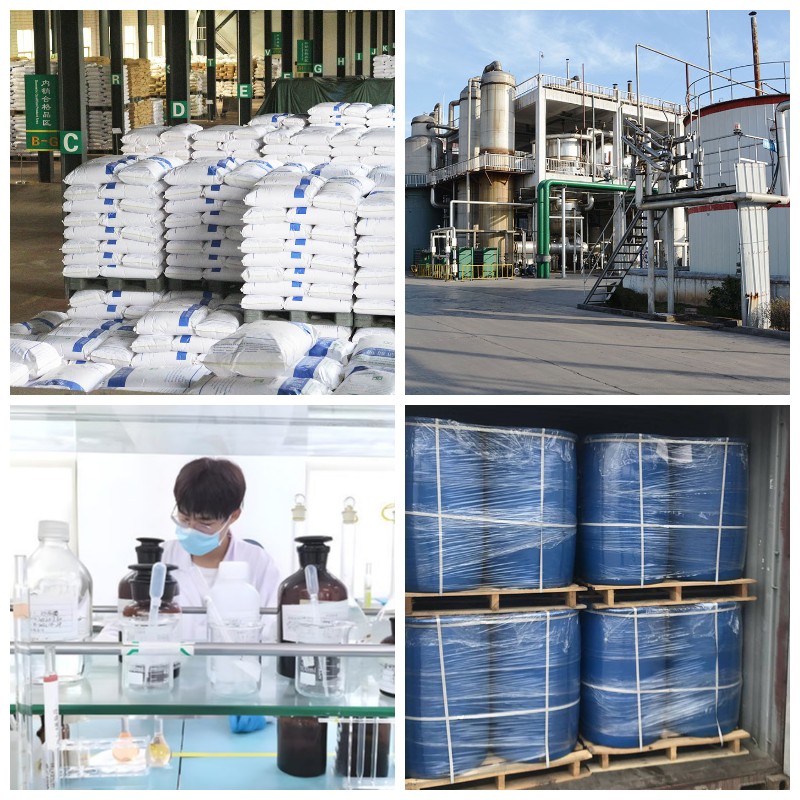
Fast delivery time
Inventory 2-3 working days New production 7-10 working days