Español
 العربية
 Francés
 Русский
 Português
 Deutsch
 Italiano
 Kazakh
 Uzbek
Uzbek

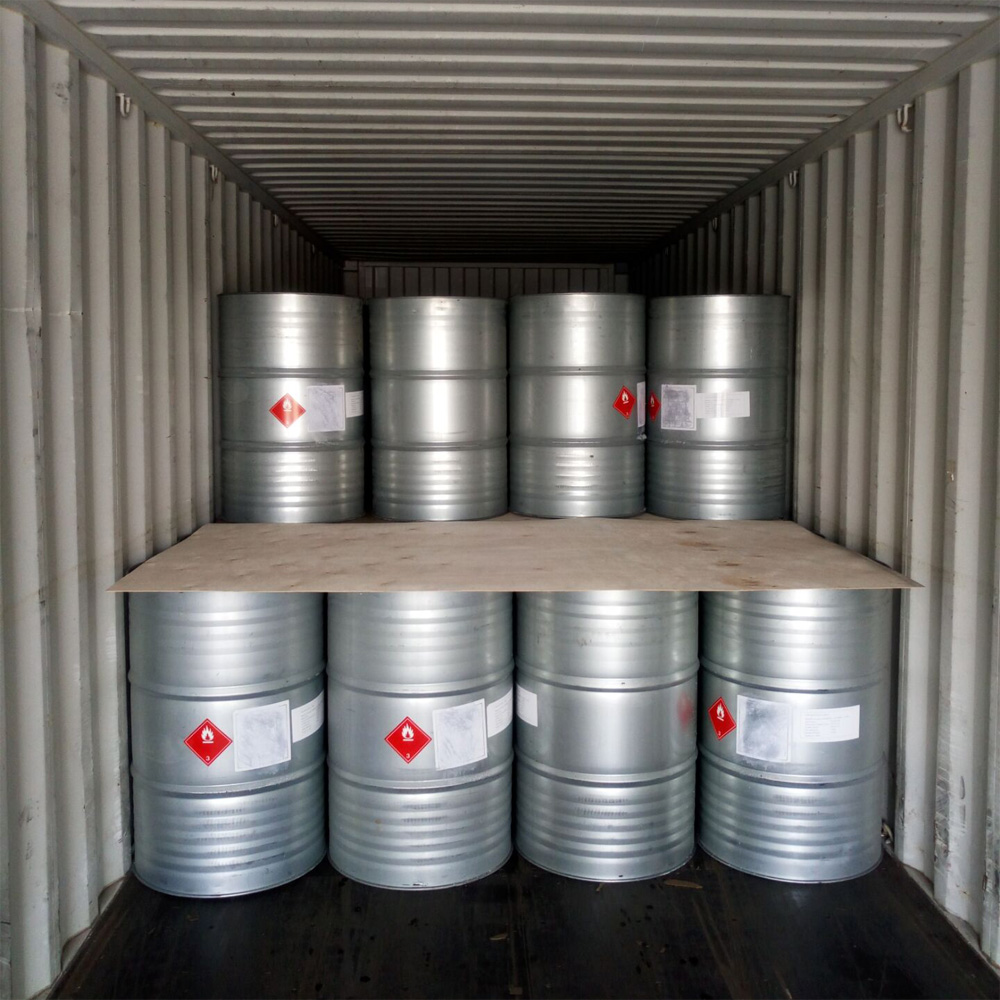
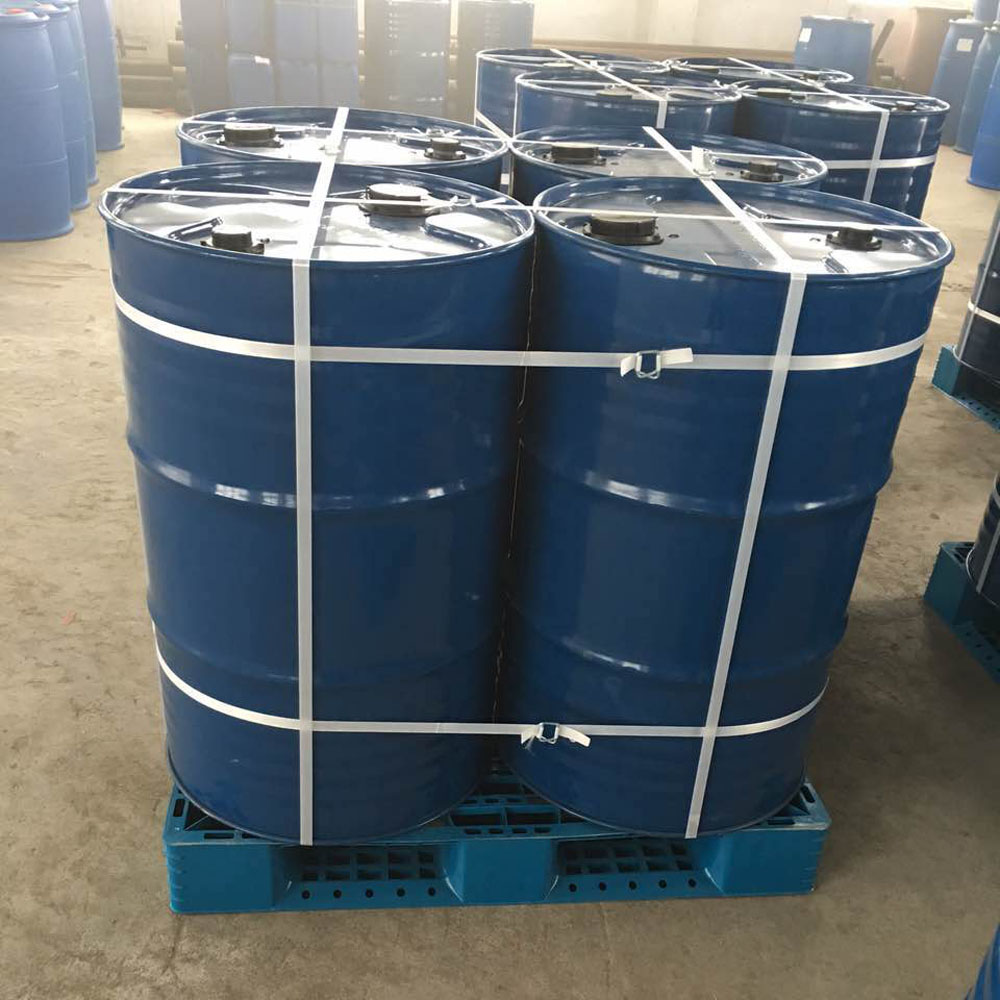
Isophorone CAS#78-59-1
CAS Number: 78-59-1
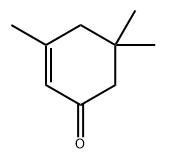
Chemical Formula: C9H14O
Synonyms:
ISOPHORONE 97+%
MOQ (Minimum Order Quantity): 1 FCL (Full Container Load)
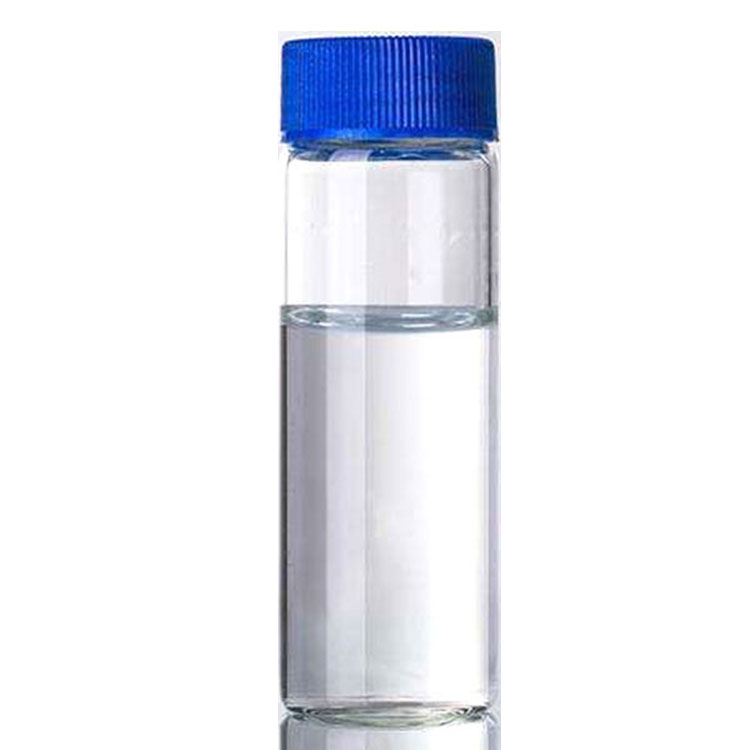
Appearance: Transperant Liquid
Isophorone (chemical formula: C9H14O) has its full name being 3, 5, 5-Trimethyl-2-cyclohexen-1-one. It is a kind of α, β-unsaturated cyclic ketone, and is a flavoring ingredient existing in cranberries and saffron. Isophorone can be used as a solvent in some printing inks, paints, lacquers, adhesives, copolymers, coatings, finishings and pesticide. It can also act as an intermediate in organic synthesis as well as the ingredient in wood preservatives and floor sealants. It is mainly manufactured through the self-condensation of acetone with KOH.
Isophorone Chemical Properties |
Melting point | -8 °C (lit.) |
Boiling point | 213-214 °C (lit.) |
density | 0.923 g/mL at 25 °C (lit.) |
vapor density | 4.77 (vs air) |
vapor pressure | 0.2 mm Hg ( 20 °C) |
refractive index | n |
FEMA | 3553 | ISOPHORONE |
Fp | 184 °F |
storage temp. | Store below +30°C. |
solubility | 14.5g/l |
form | Liquid |
color | Clear colorless to yellow |
Odor | Like camphor. |
Odor Type | woody |
biological source | synthetic |
explosive limit | 0.8-3.8%(V) |
Water Solubility | Soluble in water (12g/L). |
Merck | 14,5196 |
JECFA Number | 1112 |
BRN | 1280721 |
Henry's Law Constant | (x 10-6 atmm3/mol): 5.8 (calculated, U.S. EPA, 1980a) |
Exposure limits | TLV-TWA 25 mg/m3 (5 ppm); IDLH 800 ppm. |
Stability: | Stable. Substances to be avoided include strong bases, strong acids and strong oxidizing agents. |
InChI | 1S/C9H14O/c1-7-4-8(10)6-9(2,3)5-7/h4H,5-6H2,1-3H3 |
InChIKey | HJOVHMDZYOCNQW-UHFFFAOYSA-N |
SMILES | CC1=CC(=O)CC(C)(C)C1 |
LogP | 1.67-1.7 at 20℃ |
CAS DataBase Reference | 78-59-1(CAS DataBase Reference) |
NIST Chemistry Reference | 2-Cyclohexen-1-one, 3,5,5-trimethyl-(78-59-1) |
EPA Substance Registry System | Isophorone (78-59-1) |
ECETOC JACC REPORT | Isophorone (78-59-1) |
Safety Information |
Hazard Codes | Xn |
Risk Statements | 21/22-36/37-40 |
Safety Statements | 13-23-36/37/39-46 |
OEB | A |
OEL | TWA: 4 ppm (23 mg/m3) |
RIDADR | UN 3082 9 / PGIII |
WGK Germany | 1 |
RTECS | GW7700000 |
Autoignition Temperature | 864 °F |
TSCA | TSCA listed |
HS Code | 2914 29 00 |
HazardClass | 9 |
Storage Class | 10 - Combustible liquids |
Hazard Classifications | Acute Tox. 4 Dermal |
Hazardous Substances Data | 78-59-1(Hazardous Substances Data) |
Toxicity | LD50 in male, female rats and male mice (mg/kg): 2700 ±200, 2100 ±200, 2200 ±200 orally (PB90-180225) |
IDLA | 200 ppm |
Product Application of Isophorone CAS#78-59-1
Isophorone is used as a solvent for vinylresins and cellulose esters, and in pesticides. solvent in some printing inks, paints, lacquers and adhesives. As a cyclic unsaturated ketone, isophorone can be aromatized to 3,5-dimethylphenol or 2,3,5-trimethylphenol. Hydrogenation leads, depending on conditions, to 3,3,5-trimethylcyclohexanone or 3,3,5- trimethylcyclohexanol, from which trimethyladipic acid is obtained by oxidation [78]. Trimethyladipic acid is used for the production of 2,2,4- trimethylhexamethylenediamine, which is a precursor for polyamides and polyurethanes. Addition of hydrogen cyanide to the olefinic double bond, followed by amination of the keto group in the presence of hydrogen, gives 3,5,5-trimethyl-3-aminomethylcyclohexylamine [2855-13-2], isophorone diamine. Reaction of the latter with phosgene gives isophorone diisocyanate [4098-71-9]. Both compounds are used in large quantities for the production of polymers, mainly polyurethanes. Worldwide production capacity for isophorone is ca. 50 000 t/a.
Fact Factory and Equipment Show
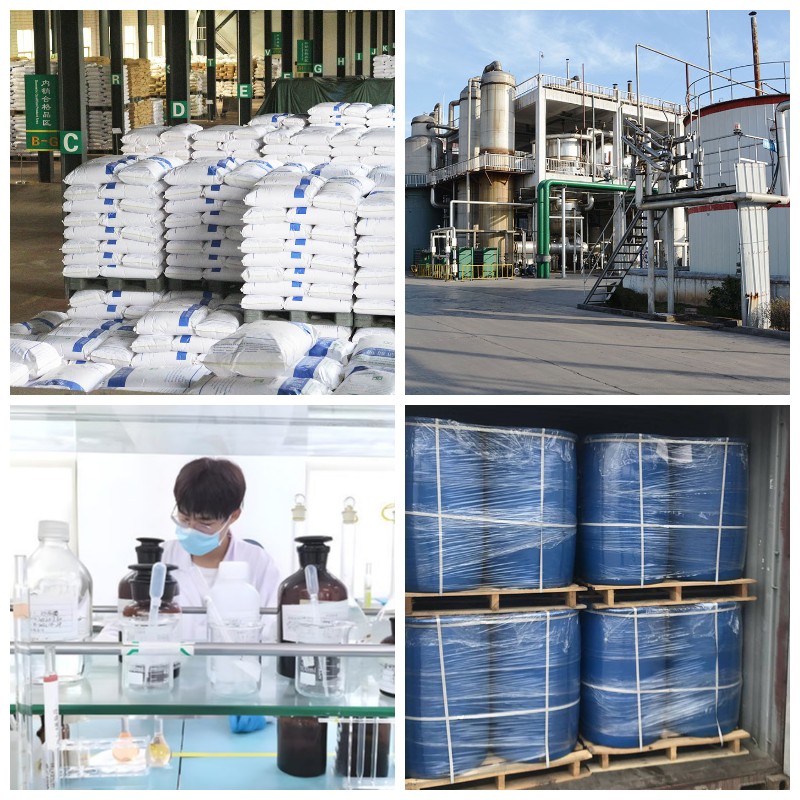
Fast delivery time
Inventory 2-3 working days New production 7-10 working days