Español
 العربية
 Francés
 Русский
 Português
 Deutsch
 Italiano
 Kazakh
 Uzbek
Uzbek

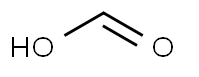
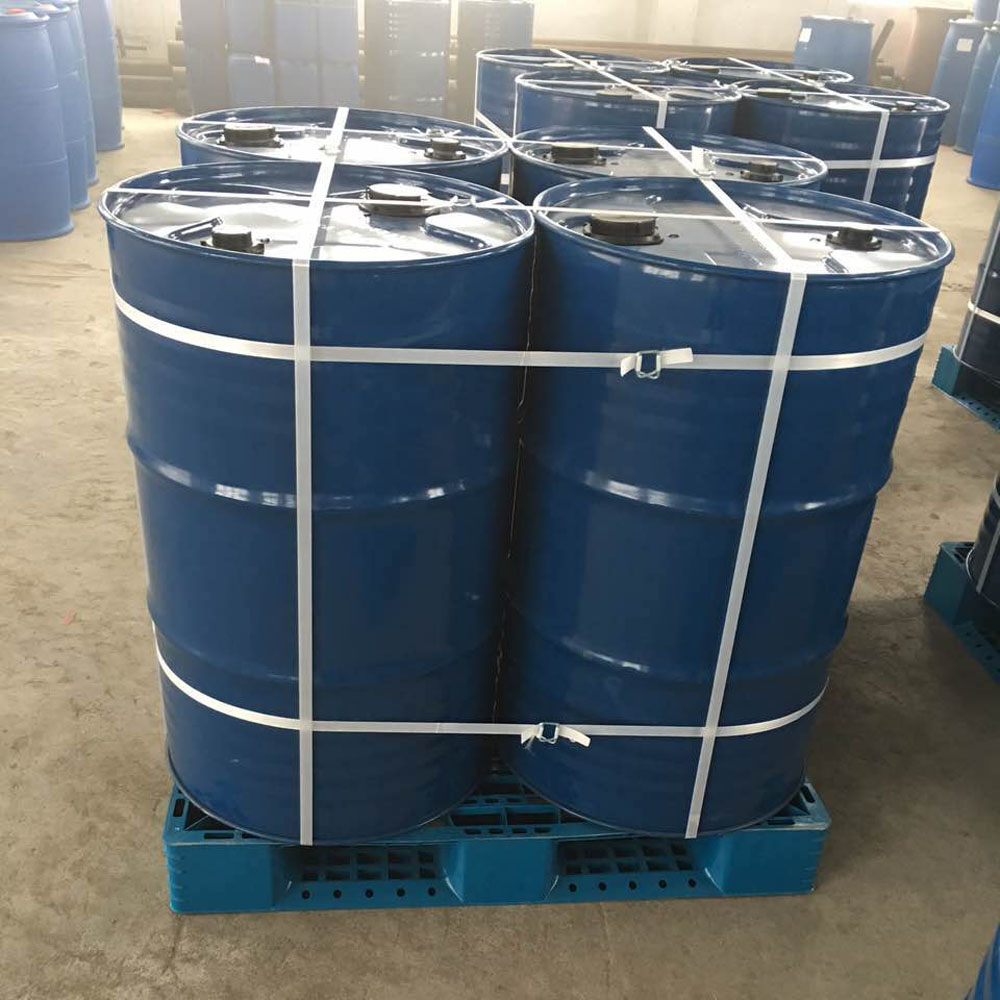
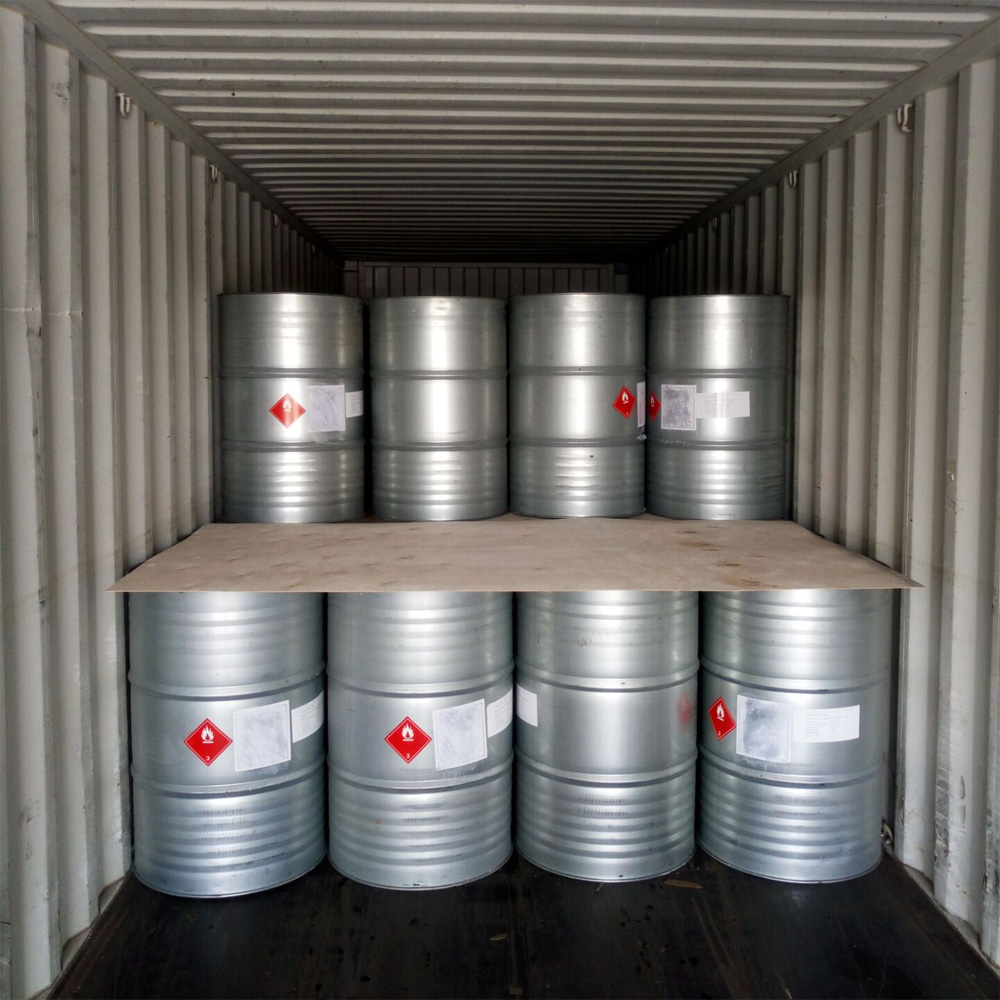
Formic acid CAS#64-18-6
CAS Number: 64-18-6
Chemical Formula: CH2O2C
Synonyms:
kwasmetaniowy
Kwas metaniowy
Acido formico
MOQ (Minimum Order Quantity): 1 FCL (Full Container Load)
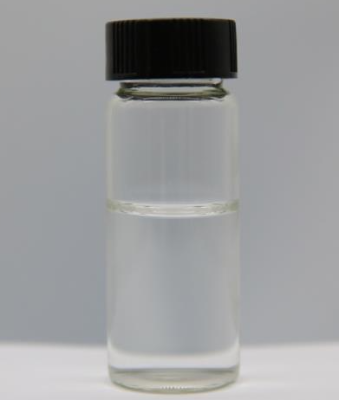
Appearance: Liquid
Formic acid (HCO2H), also called methanoic acid, is the simplest carboxylic acid. Formic acid was first isolated by the distillation of ant bodies and was named after the Latin formica, meaning “ant.” Its proper IUPAC name is now methanoic acid. Industrially, formic acid is produced by treatment of carbon monoxide with an alcohol such as methanol (methyl alcohol) in the presence of a catalyst.
Formic acid is found both naturally occurring and frequently synthesized in laboratories. It is most naturally found in the stings and bites of many insects, including bees and ants, as a chemical defense mechanism.
| Formic acid Chemical Properties |
| Melting point | 8.2-8.4 °C (lit.) |
| Boiling point | 100-101 °C (lit.) |
| density | 1.22 g/mL at 25 °C (lit.) |
| vapor density | 1.03 (vs air) |
| vapor pressure | 52 mm Hg ( 37 °C) |
| refractive index | n |
| FEMA | 2487 | FORMIC ACID |
| Fp | 133 °F |
| storage temp. | 2-8°C |
| solubility | H2O: soluble1g/10 mL, clear, colorless |
| pka | 3.75(at 20℃) |
| form | Liquid |
| color | APHA: ≤15 |
| Specific Gravity | 1.216 (20℃/20℃) |
| PH | 3.47(1 mM solution);2.91(10 mM solution);2.38(100 mM solution); |
| Odor | at 0.10 % in water. pungent vinegar formyl |
| Odor Type | acetic |
| biological source | synthetic |
| explosive limit | 12-38%(V) |
| Water Solubility | MISCIBLE |
| λmax | λ: 260 nm Amax: 0.03 λ: 280 nm Amax: 0.01 |
| Sensitive | Hygroscopic |
| Merck | 14,4241 |
| JECFA Number | 79 |
| BRN | 1209246 |
| Henry's Law Constant | At 25 °C: 95.2, 75.1, 39.3, 10.7, and 3.17 at pH values of 1.35, 3.09, 4.05, 4.99, and 6.21, respectively (Hakuta et al., 1977) |
| Exposure limits | TLV-TWA 5 ppm (~9 mg/m3) (ACGIH, MSHA, OSHA, and NIOSH); IDLH 100 ppm (180 mg/m3) (NIOSH). |
| Dielectric constant | 58.0(16℃) |
| Stability: | Stable. Substances to be avoided include strong bases, strong oxidizing agents and powdered metals, furfuryl alcohol. Combustible. Hygroscopic. Pressure may build up in tightly closed bottles, so bottles should be opened carefully and vented periodically. |
| InChIKey | BDAGIHXWWSANSR-UHFFFAOYSA-N |
| LogP | -0.540 |
| CAS DataBase Reference | 64-18-6(CAS DataBase Reference) |
| NIST Chemistry Reference | Formic acid(64-18-6) |
| EPA Substance Registry System | Formic acid (64-18-6) |
| Safety Information |
| Hazard Codes | T,C,Xi |
| Risk Statements | 23/24/25-34-40-43-35-36/38-10 |
| Safety Statements | 36/37-45-26-23-36/37/39 |
| RIDADR | UN 1198 3/PG 3 |
| OEB | B |
| OEL | TWA: 5 ppm (9 mg/m3) |
| WGK Germany | 2 |
| RTECS | LP8925000 |
| F | 10 |
| Autoignition Temperature | 1004 °F |
| TSCA | Yes |
| HazardClass | 8 |
| PackingGroup | II |
| HS Code | 29151100 |
| Hazardous Substances Data | 64-18-6(Hazardous Substances Data) |
| Toxicity | LD50 in mice (mg/kg): 1100 orally; 145 i.v. (Malorny) |
| IDLA | 30 ppm |
Product Application of Formic acid CAS#64-18-6
Formic acid has a number of commercial uses. It is used in the leather industry to degreaseand remove hair from hides and as an ingredient in tanning formulations. It is used as alatex coagulant in natural rubber production. Formic acid and its formulations are used aspreservatives of silage. It is especially valued in Europe where laws require the use of naturalantibacterial agents rather than synthetic antibiotics. Silage is fermented grass and crops thatare stored in silos and used for winter feed. Silage is produced during anaerobic fermentationwhen bacteria produce acids that lower the pH, preventing further bacterial action. Acetic acidand lactic acid are the desired acids during silage fermentation. Formic acid is used in silageprocessing to reduce undesirable bacteria and mold growth. Formic acid reduces Clostridiabacteria that would produce butyric acid causing spoilage. In addition to preventing silagespoilage, formic acid helps preserve protein content, improves compaction, and preservessugar content. Formic acid is used as a miticide by beekeepers.
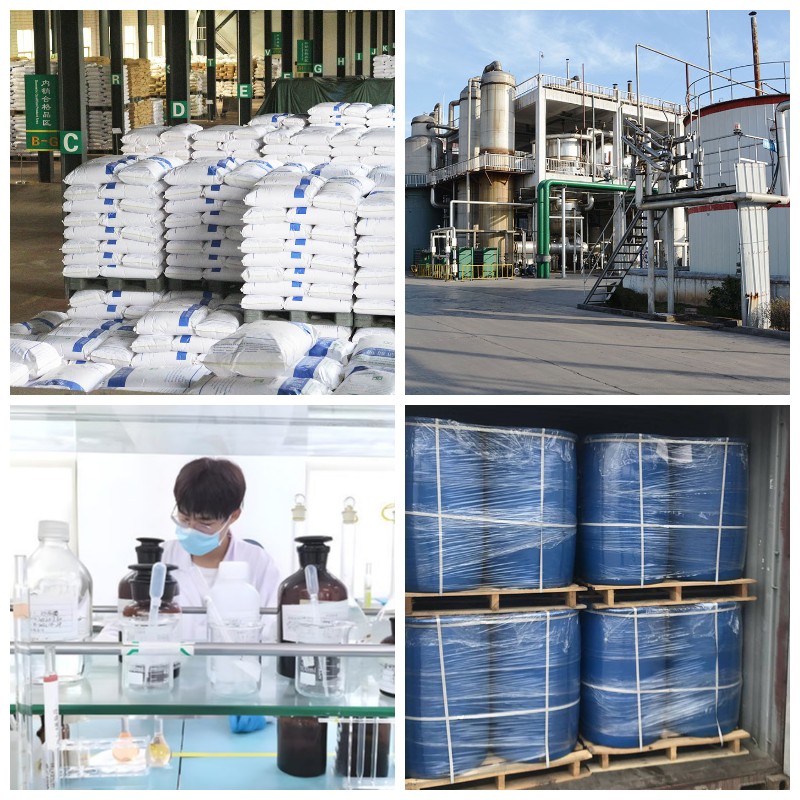
Factory and Equipment Show
Fast delivery time
Inventory 2-3 working days New production 7-10 working days