Español
 العربية
 Francés
 Русский
 Português
 Deutsch
 Italiano
 Kazakh
 Uzbek
Uzbek

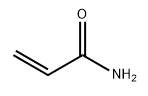
Acrylamide CAS#79-06-1
CAS Number: 79-06-1
Chemical Formula: C3H5NO
Synonyms:
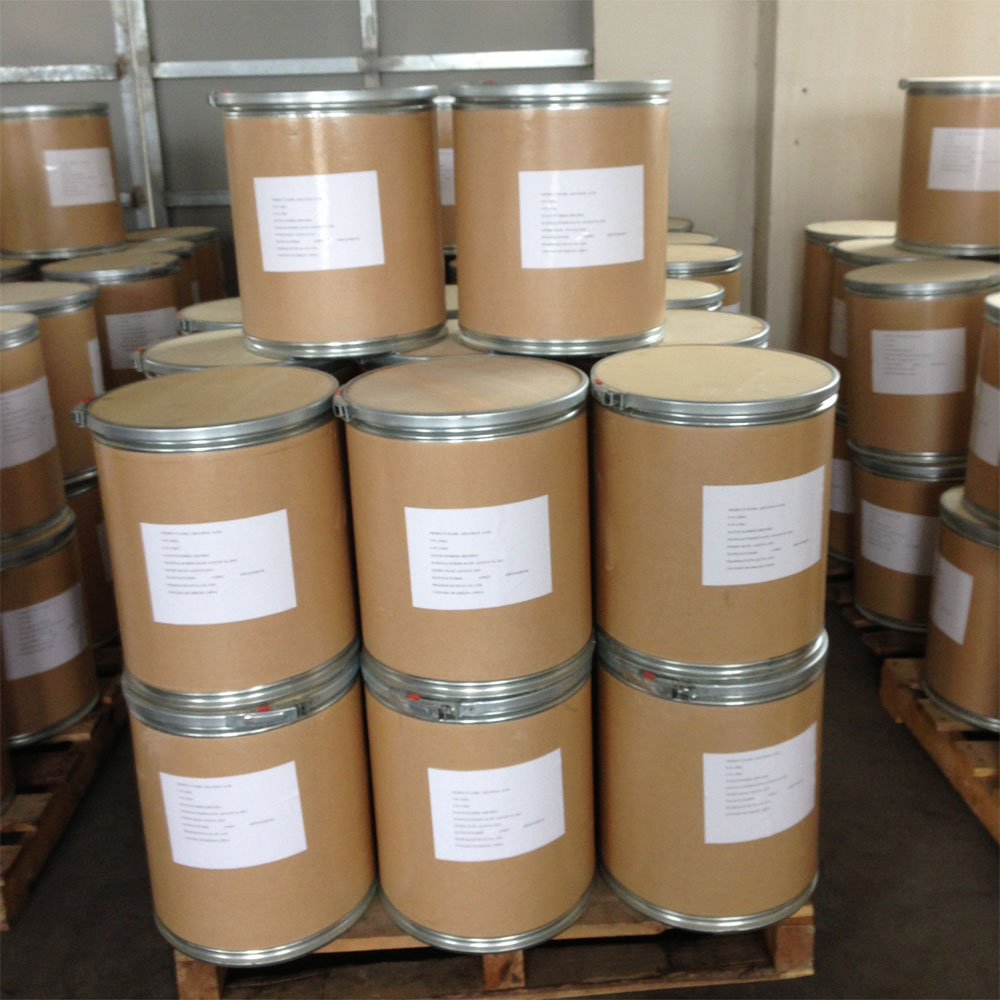
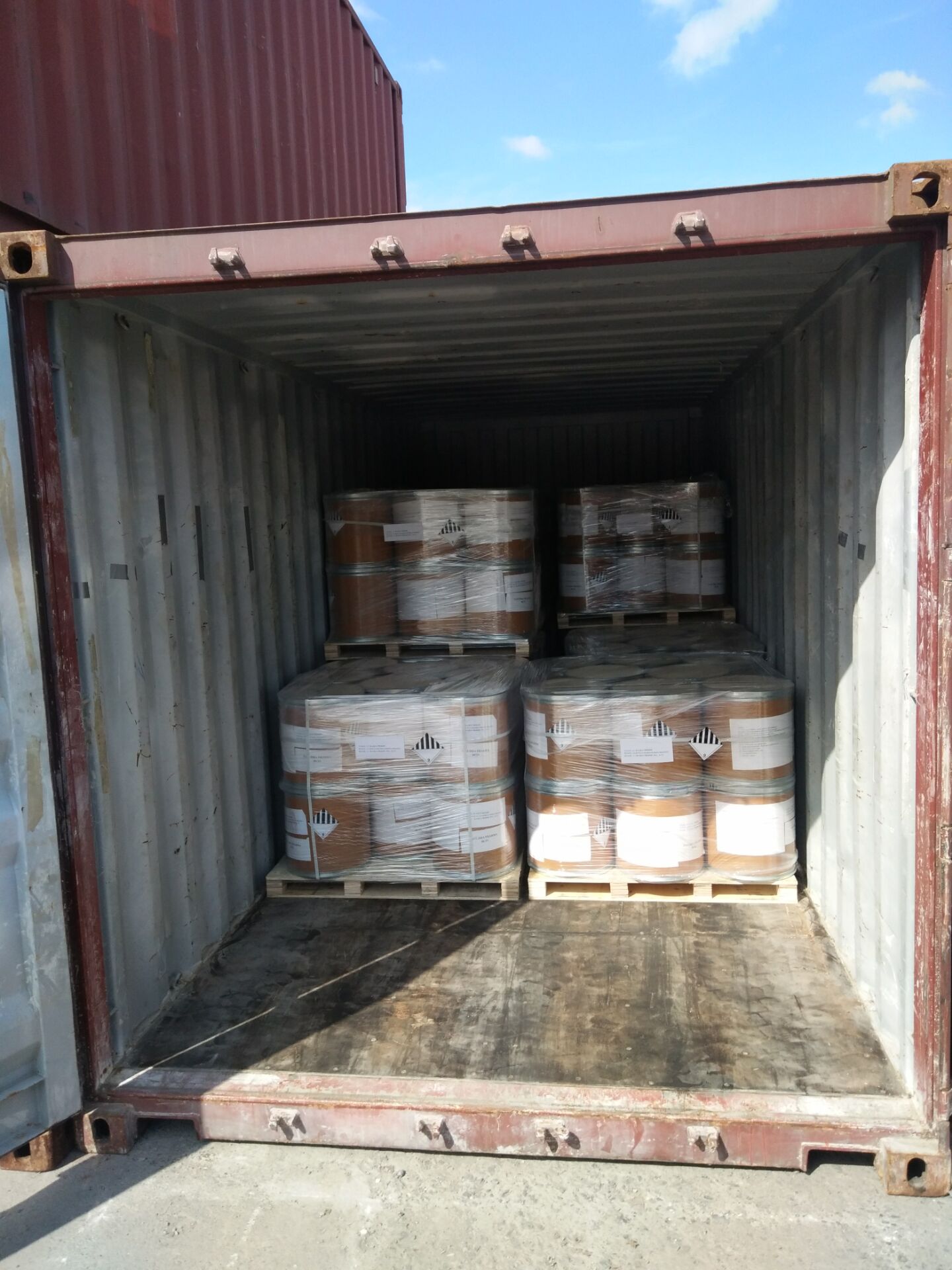
MOQ (Minimum Order Quantity): 1 FCL (Full Container Load)
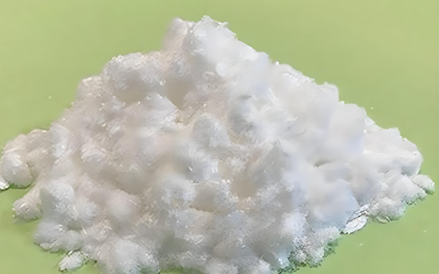
Appearance: White Powder
Acrylamide is a white crystalline chemical substance and is a raw material for production of polyacrylamide. Solid acrylamide (abbreviated AM) is usually colorless and transparent flaky crystals with pure product being white crystalline solid which is soluble in water, methanol, ethanol, propanol, and slightly soluble in ethyl acetate, chloroform, and benzene. It can be hydrolyzed to acrylic acid in acidic or alkaline environment.
Acrylamide is a large class of the parent compound of monomers including methacrylamide, the AMPS (anionic monomer, 2-Acraylamide-2-Methyl Propane Sulfonic Acid), the DMC (cationic monomer, methyl-acryloyloxyethyl trimethyl ammonium chloride) and N-substituted acrylamide compound.
Acrylamide Chemical Properties |
Melting point | 82-86 °C(lit.) |
Boiling point | 125 °C25 mm Hg(lit.) |
bulk density | 500kg/m3 |
density | 1,322 g/cm3 |
vapor density | 2.45 (vs air) |
vapor pressure | 0.03 mm Hg ( 40 °C) |
refractive index | 1.460 |
Fp | 138 °C |
storage temp. | 2-8°C |
solubility | 2040 g/L (25°C) |
pka | 15.35±0.50(Predicted) |
form | powder |
color | White |
Odor | Odorless solid |
PH | 5.0-7.0 (50g/l, H2O, 20℃) |
Water Solubility | Acrylamide is routinely tested at 250 mg/mL in water, giving a clear colorless solution. It is soluble at least to 40% (w/v) in water, and reportedly up to 215 g/100 mL in water at 30°C. |
Sensitive | Light Sensitive |
Merck | 14,129 |
BRN | 605349 |
Henry's Law Constant | (x 10-9 atmm3/mol): 3.03 at 20 °C (approximate - calculated from water solubility and vapor pressure) |
Exposure limits | Potential occupational carcinogen. NIOSH REL: TWA 0.03, IDLH: 60; OSHA PEL: TWA 0.3; ACGIH TLV: TWA 0.03. |
Stability: | Unstable. Do not heat above 50C. Explosive. Incompatible with acids, bases, oxidizing agents, reducing agents, iron and iron salts, copper, aluminium, brass, free radical initiators. Air sensitive. Hygroscopic. |
Major Application | cleaning products |
Cosmetic Ingredient Review (CIR) | Acrylamide (79-06-1) |
InChI | 1S/C3H5NO/c1-2-3(4)5/h2H,1H2,(H2,4,5) |
InChIKey | HRPVXLWXLXDGHG-UHFFFAOYSA-N |
SMILES | NC(=O)C=C |
LogP | -0.9 at 20℃ and pH7 |
CAS DataBase Reference | 79-06-1(CAS DataBase Reference) |
NIST Chemistry Reference | Acrylamide(79-06-1) |
IARC | 2A (Vol. 60, Sup 7) 1994 |
EPA Substance Registry System | Acrylamide (79-06-1) |
Safety Information |
Hazard Codes | T |
Risk Statements | 45-46-20/21-25-36/38-43-48/23/24/25-62-48/20/21/22-22-24/25 |
Safety Statements | 53-45-24-36/37/39-26-36/37 |
RIDADR | UN 3426 6.1/PG 3 |
OEB | D |
OEL | TWA: 0.03 mg/m3 [skin] |
WGK Germany | 3 |
RTECS | AS3325000 |
F | 8-10 |
Autoignition Temperature | 424°C |
TSCA | TSCA listed |
HazardClass | 6.1 |
PackingGroup | III |
HS Code | 29241900 |
Storage Class | 6.1C - Combustible acute toxic Cat.3 |
Hazard Classifications | Acute Tox. 3 Oral |
Hazardous Substances Data | 79-06-1(Hazardous Substances Data) |
Toxicity | LD50 i.p. in mice: 170 mg/kg (Peterson, Sheth) |
IDLA | 60 mg/m3 |
Product Application of Acrylamide CAS#79-06-1
It can be used as a monomer of polyacrylamide. Its polymer or copolymer is used as chemical grouting materials, soil conditioners, flocculants, adhesives and coatings.
2. Polyacrylamide, when used as a kind of additive, can improve the oil recycling efficiency. When used as flocculants, it can be used for sewage treatment. It can also be used as a paper strength agent.
Fact Factory and Equipment Show
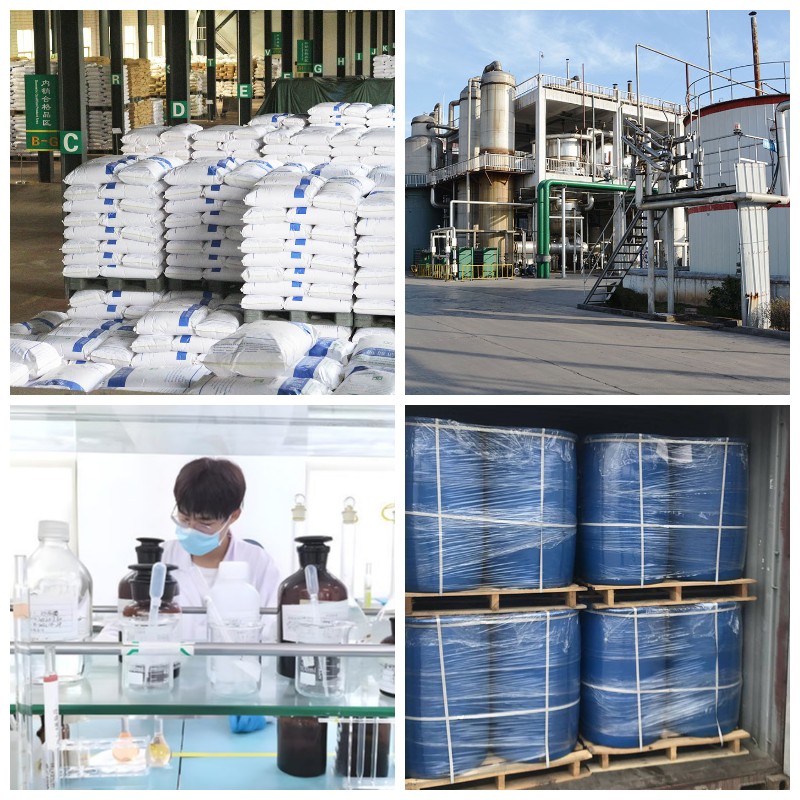
Fast delivery time
Inventory 2-3 working days New production 7-10 working days