Español
 العربية
 Francés
 Русский
 Português
 Deutsch
 Italiano
 Kazakh
 Uzbek
Uzbek

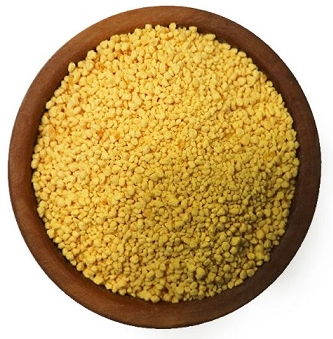
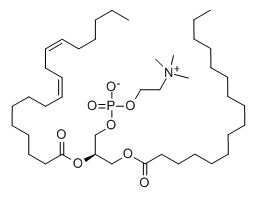
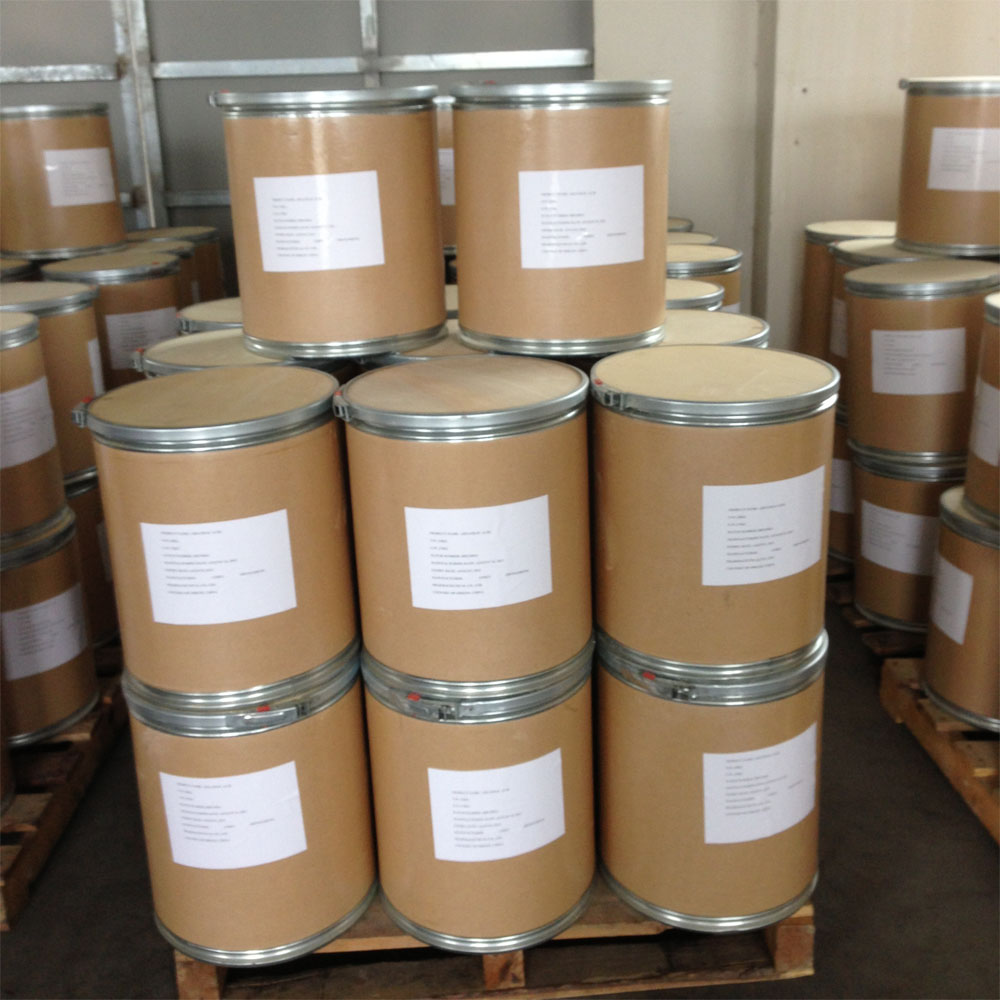
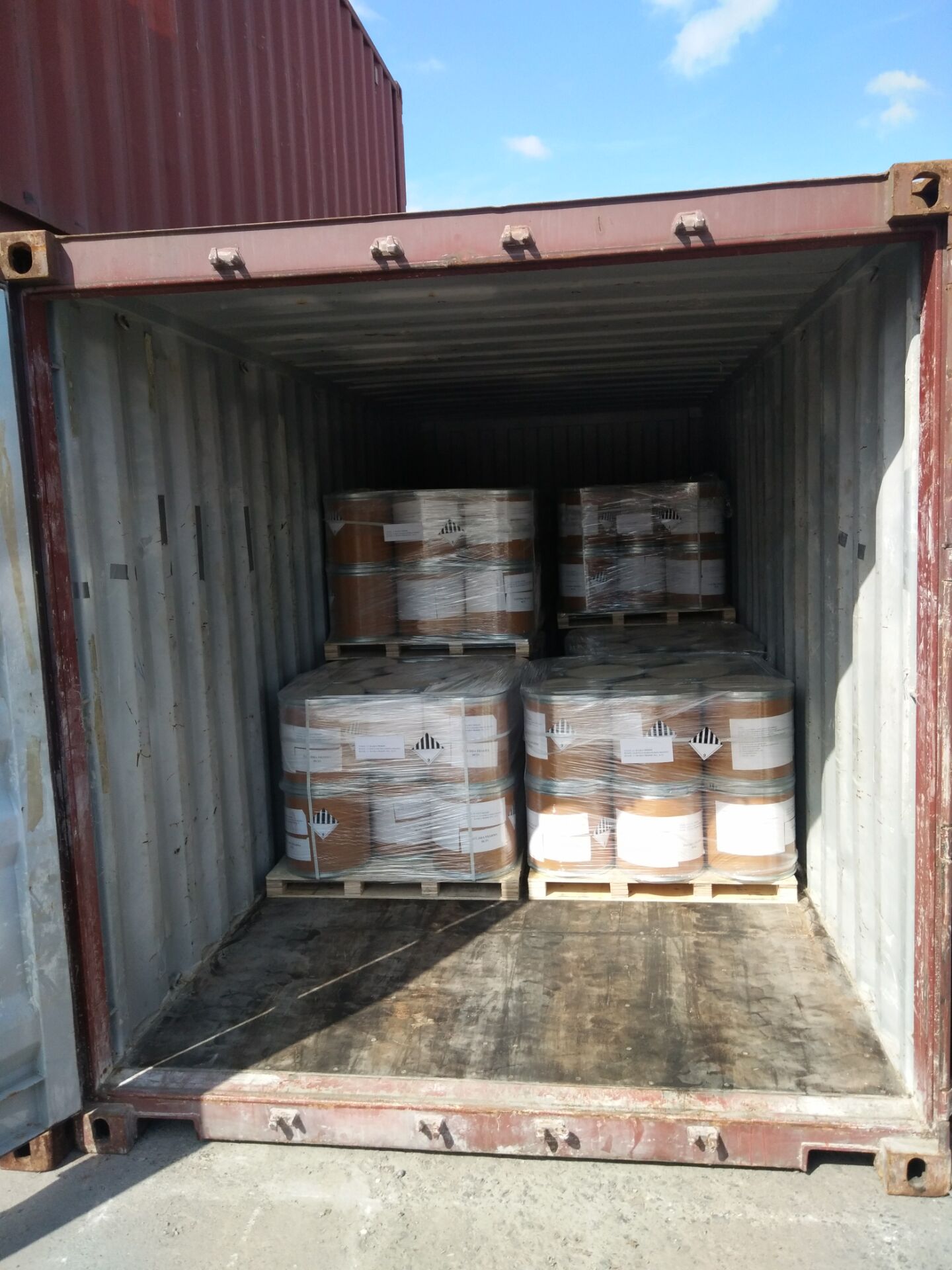
Lecithin CAS#8002-43-5
CAS Number: 8002-43-5
Chemical Formula: C42H80NO8P
Synonyms:
PHOSPHATIDYLCHOLINE(LECITHIN)(RG)
MOQ (Minimum Order Quantity): 1 FCL (Full Container Load)
Appearance: Yellow Solid
Lecithin CAS#8002-43-5
Food-grade lecithin is obtained from soybeans and other plant sources. It is a complex mixture of acetone-insoluble phosphatides that consists chiefly of phosphatidyl choline, phosphatidyl etha nolamine, and phosphatidyl inositol, combined with various amounts of other substances such as triglycerides, fatty acids, and carbohydrates. Refined grades of lecithin may contain any of these components in varying proportions and combinations depending on the type of fractionation used. In its oil-free form, the prepon-derance of triglycerides and fatty acids is removed and the product contains 90% or more of phosphatides representing all or certain fractions of the total phosphatide complex. The consistency of both natural grades and refined grades of lecithin may vary from plastic to fluid, depending upon free fatty acid and oil content, and upon the presence or absence of other diluents. Its color varies from light yellow to brown, depending on the source, on crop variations, and on whether it is bleached or unbleached. It is odorless or has a characteristic, slight nutlike odor and a bland taste. Edible diluents, such as cocoa butter and vegetable oils, often replace soybean oil to improve functional and flavor characteris tics. Lecithin is only partially soluble in water, but it readily hydrates to form emulsions. The oil-free phosphatides are soluble in fatty acids, but are practically insoluble in fixed oils. When all phosphatide fractions are present, lecithin is partially soluble in alcohol and practically insoluble in acetone.
Lecithin Chemical Properties |
Melting point | >145°C (dec.) |
density | d424 1.0305 |
refractive index | 1.4649-1.4710 |
Fp | 57 °C |
storage temp. | -20°C |
solubility | chloroform: 0.1 g/mL, slightly hazy, slightly yellow to deep orange |
form | solution |
color | Pale Brown to Yellow |
Odor | at 100.00%. bland fatty |
biological source | soybean |
Water Solubility | NEGLIGIBLE |
Merck | 14,5429 |
BRN | 5209585 |
Stability: | Stable, but light, heat, moisture and air-sensitive. Incompatible with strong oxidizing agents. |
Cosmetics Ingredients Functions | ANTISTATIC |
Cosmetic Ingredient Review (CIR) | Lecithin (8002-43-5) |
InChIKey | FWMYJLDHIVCJCT-VSZGHEPYSA-N |
SMILES | [P](=O)([O-])(OC[C@H](OC(=O)CCCCCCC\C=C/C\C=C/CCCCC)COC(=O)CCCCCCCCCCCCCCC)OCC[N+](C)(C)C |
CAS DataBase Reference | 8002-43-5 |
EPA Substance Registry System | Lecithins (8002-43-5) |
Safety Information |
Hazard Codes | |
Risk Statements | |
Safety Statements | |
WGK Germany | 3 |
RTECS | OG7565000 |
F | 1-8-10 |
TSCA | TSCA listed |
HS Code | 29239000 |
Storage Class | 3 - Flammable liquids |
Hazard Classifications | Eye Irrit. 2 |
Hazardous Substances Data | 8002-43-5(Hazardous Substances Data) |
Toxicity | LD50 oral in rat: > 8mL/kg |
Product Application of Lecithin CAS#8002-43-5
Lecithin is an emulsifier that is a mixture of phosphatides which are typically surface-active. it is now commercially obtained from soy- beans; previously it was obtained from egg yolk. it is used in marga- rine as an emulsifier and antispatter agent; in chocolate manufacture it controls flow properties by reducing viscosity and reducing the cocoa butter content from 3 to 5%; it is used as a wetting agent in cocoa powder, fillings, and beverage powders; an antisticking agent in griddling fat; and in baked goods to assist the shortening mix with other dough ingredients and to stabilize air cells. typical usage levels range from 0.1 to 1.0%.
Fact Factory and Equipment Show
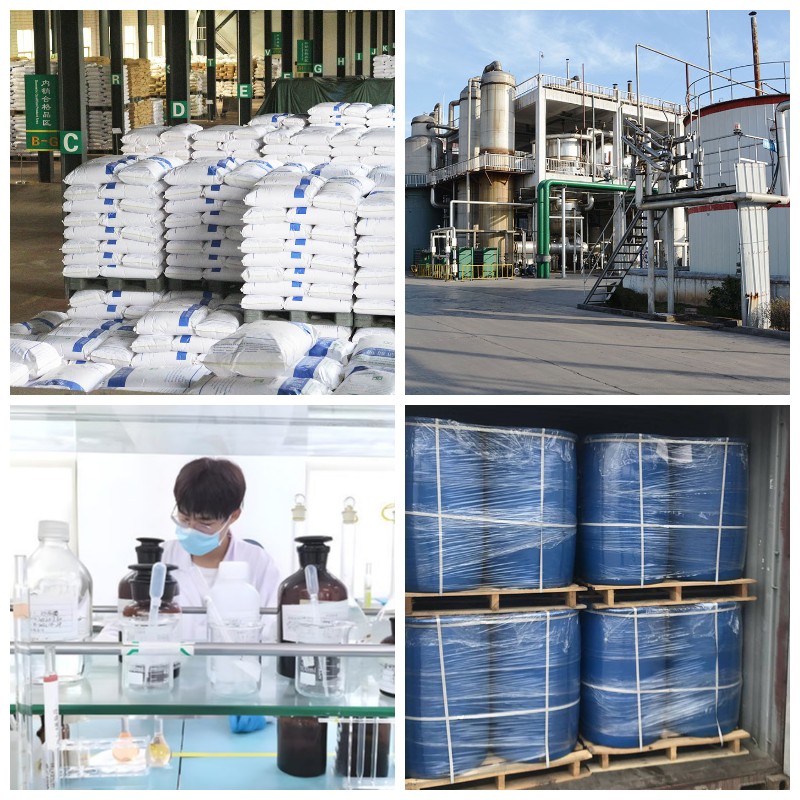
Fast delivery time
Inventory 2-3 working days New production 7-10 working days