Español
 العربية
 Francés
 Русский
 Português
 Deutsch
 Italiano
 Kazakh
 Uzbek
Uzbek

4'-Hydroxyacetophenone CAS#99-93-4
CAS Number: 99-93-4
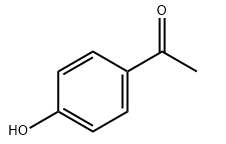
Chemical Formula: C8H8O2
Synonyms:
Hydroxyacetophenone, para
4-Hydroksyacetofenol
4’-hydroxy-acetophenon
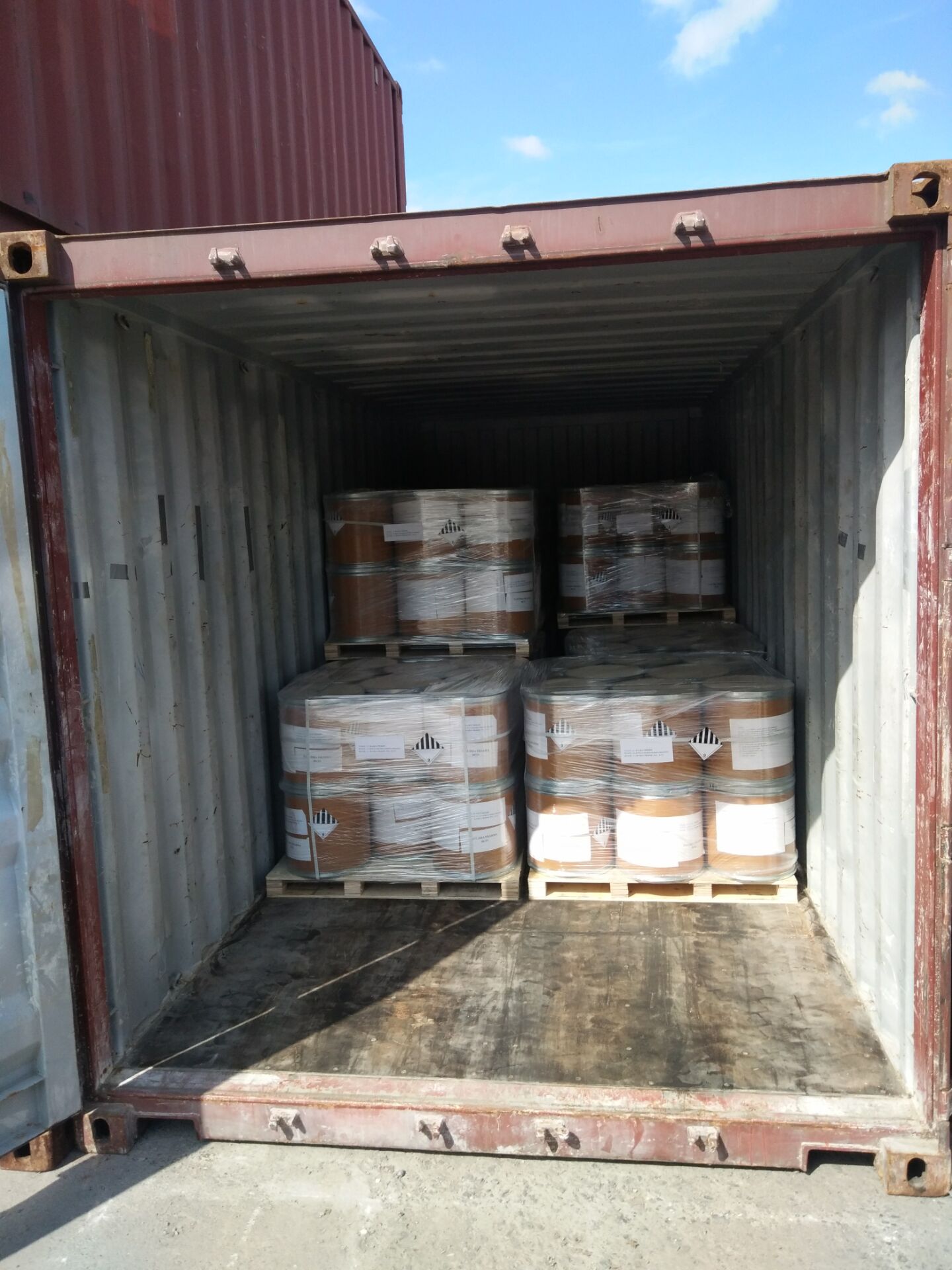
MOQ (Minimum Order Quantity): 1 FCL (Full Container Load)
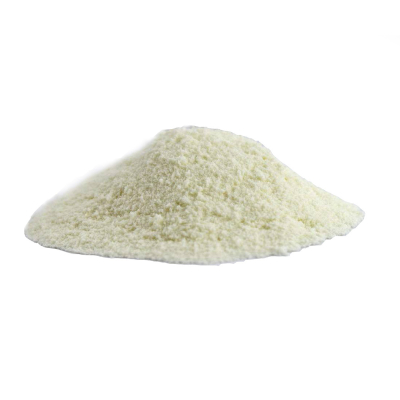
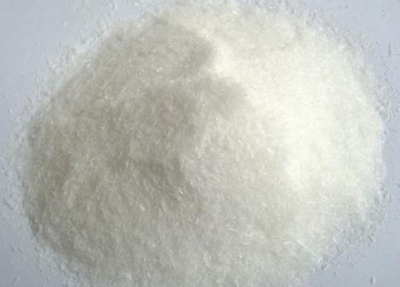
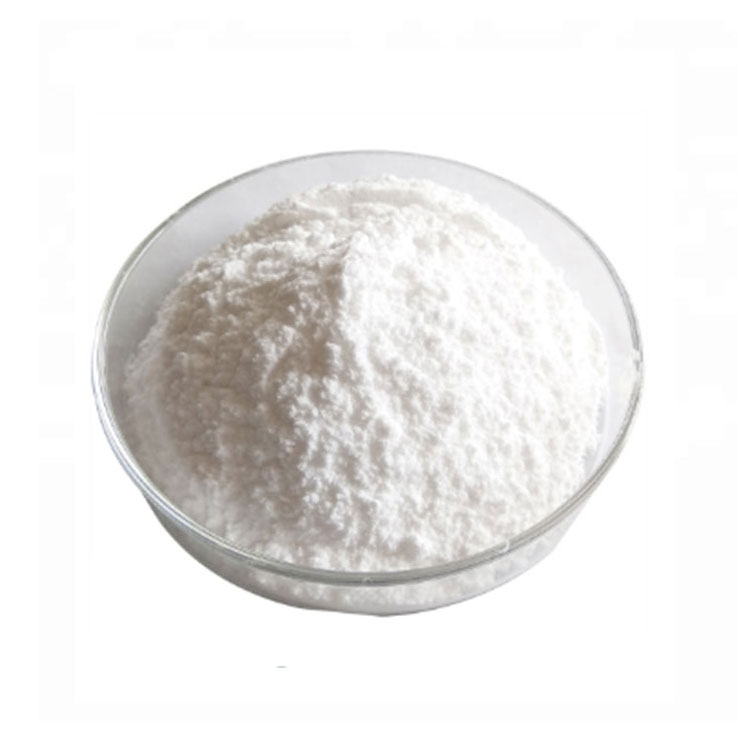
Appearance: Almost white to beige Crystalline Powder
4'-Hydroxyacetophenone CAS#99-93-4
Pharmaceutical secondary standards for application in quality control provide pharma laboratories and manufacturers with a convenient and cost-effective alternative to the preparation of in-house working standards. ChEBI: A monohydroxyacetophenone carrying a hydroxy substituent at position 4'.
| 4'-Hydroxyacetophenone Chemical Properties |
| Melting point | 132-135 °C(lit.) |
| Boiling point | 147-148 °C3 mm Hg(lit.) |
| density | 1.109 |
| vapor pressure | 0.002Pa at 20℃ |
| refractive index | 1.5577 (estimate) |
| FEMA | 4330 | 4-HYDROXYACETOPHENONE |
| Fp | 166 °C |
| storage temp. | Store below +30°C. |
| solubility | methanol: 0.1 g/mL, clear |
| form | Crystalline Powder |
| pka | 8.05(at 25℃) |
| color | Almost white to beige |
| Specific Gravity | 1.109 |
| Odor | at 10.00 % in dipropylene glycol. mild sweet hawthorn balsam mimosa |
| Odor Type | floral |
| Water Solubility | 10 g/L (22 ºC) |
| JECFA Number | 2040 |
| BRN | 774355 |
| InChIKey | TXFPEBPIARQUIG-UHFFFAOYSA-N |
| LogP | 1.35 at 25℃ |
| CAS DataBase Reference | 99-93-4(CAS DataBase Reference) |
| NIST Chemistry Reference | Acetophenone, 4'-hydroxy-(99-93-4) |
| EPA Substance Registry System | 4-Hydroxyacetophenone (99-93-4) |
| Safety Information |
| Hazard Codes | Xn,Xi |
| Risk Statements | 36/37/38-22 |
| Safety Statements | 26-36/37-37/39-24/25-22-36 |
| WGK Germany | 3 |
| RTECS | PC4959775 |
| Hazard Note | Irritant |
| TSCA | Yes |
| HS Code | 29145000 |
Product Application of 4'-Hydroxyacetophenone CAS#99-93-4
4′-Hydroxyacetophenone has been used as ketone component in the preparation of 1-aryl-3-phenethylamino-1-propanone hydrochlorides, potential cytotoxic agents, via Mannich reactions.
p-Hydroxyacetophenone is widely used in medicine, cosmetics and industrial fields. It is a natural plant extract, which naturally exists in the stems and leaves of the Compositae plant, Artemisia annua, the roots of plants such as Artemisia annua, Rhododendron, and Panax ginseng. It has a good effect on yellow eyes caused by diseases such as hepatitis, and also has a good auxiliary effect on yellow eyes caused by various reasons.
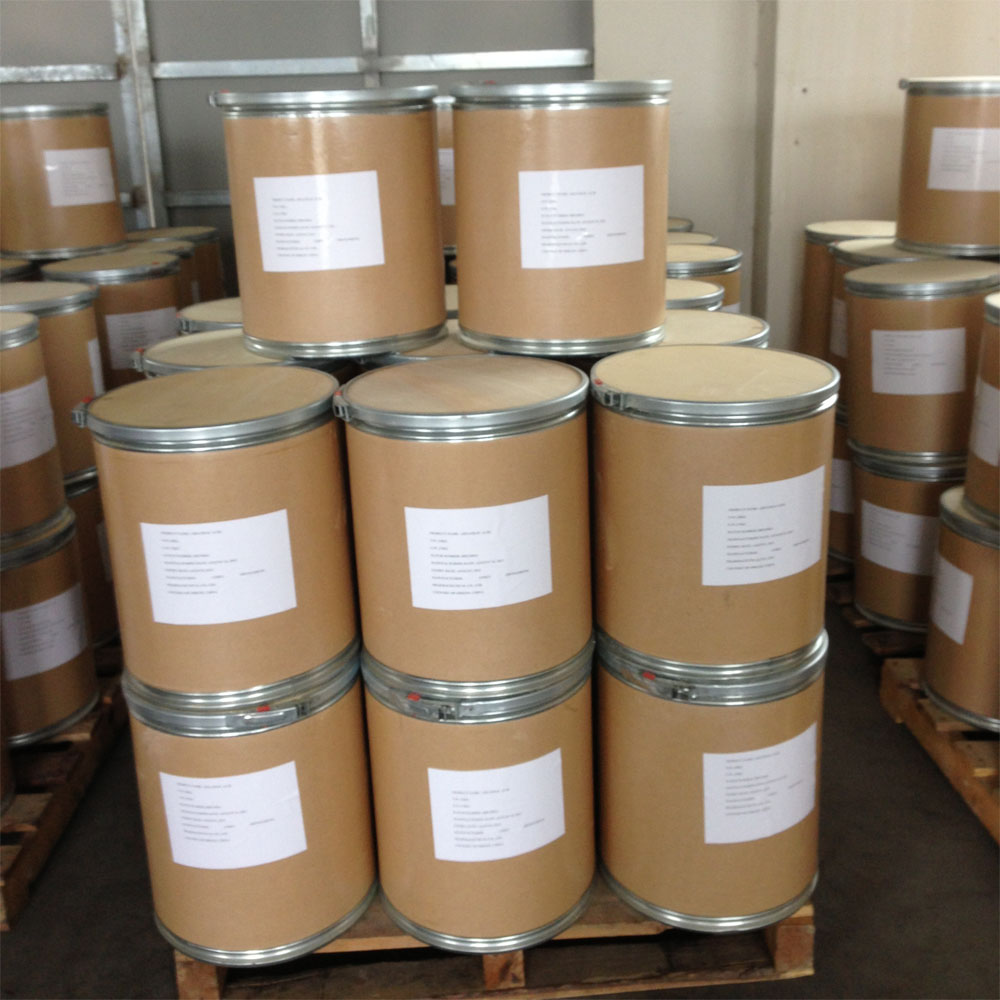
Factory and Equipment Show
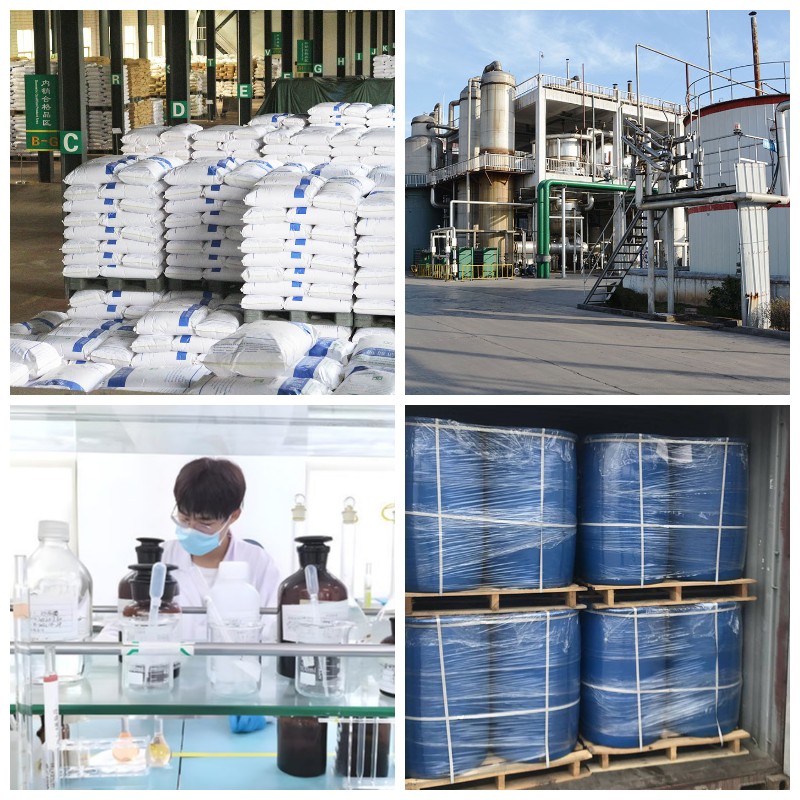
Fast delivery time
Inventory 2-3 working days New production 7-10 working days