Español
 العربية
 Francés
 Русский
 Português
 Deutsch
 Italiano
 Kazakh
 Uzbek
Uzbek

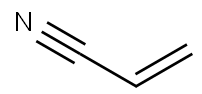
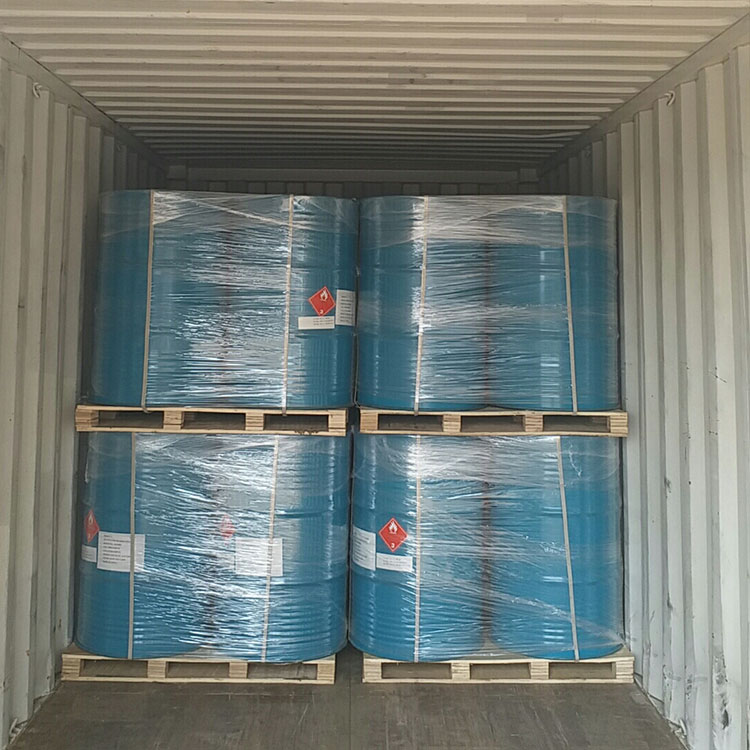
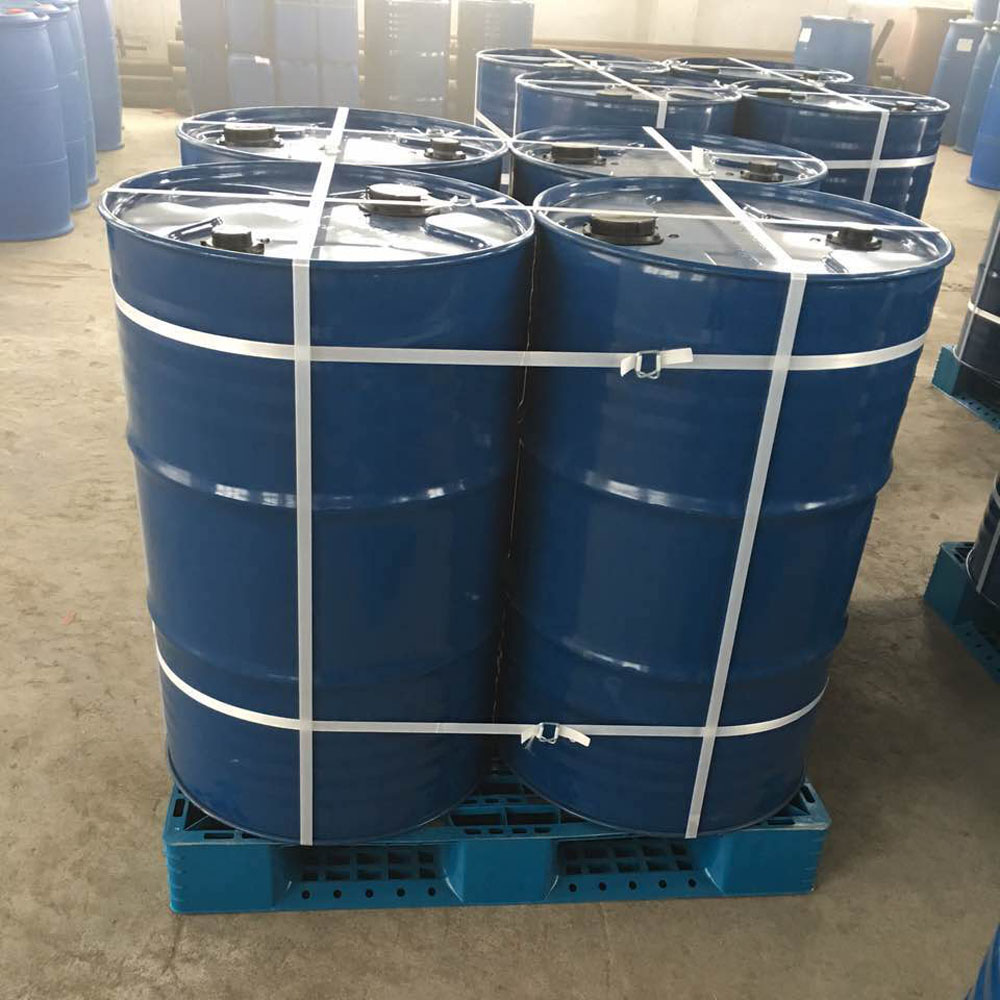
Acrylonitrile CAS#107-13-1
CAS Number: 107-13-1
Chemical Formula: C3H3N
Synonyms:
PROPENITRILE
VINYL CYANIDE
CYANOETHYLENE
MOQ (Minimum Order Quantity): 1 FCL (Full Container Load)
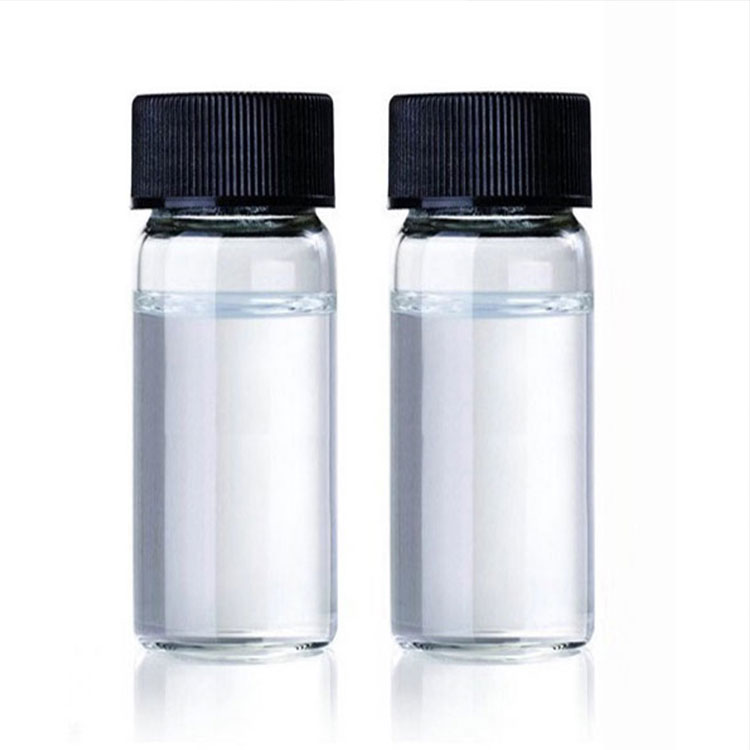
Appearance: Transperant Liquid
Product Details
Acrylonitrile CAS#107-13-1
| Acrylonitrile is a colourless, flammable liquid. Its vapours may explode when exposed to an open flame. Acrylonitrile does not occur naturally. It is produced in very large amounts by several chemical industries in the United States, and its requirement and demand are increasing in recent years. Acrylonitrile is a heavily produced, unsaturated nitrile. It is used to make other chemicals such as plastics, synthetic rubber, and acrylic fibres. It has been used as a pesticide fumigant in the past; however, all pesticide uses have been discontinued. This compound is a major chemical intermediate used in creating products such as pharmaceuticals, antioxidants, and dyes, as well as in organic synthesis. The largest users of acrylonitrile are chemical industries that make acrylic and modacrylic fibres and high-impact ABS plastics. Acrylonitrile is also used in business machines, luggage, construction material, and manufacturing of styrene-acrylonitrile (SAN) plastics for automotive, household goods, and packaging material. Adiponitrile is used to make nylon, dyes, drugs, and pesticides. |
| Acrylonitrile Chemical Properties |
| Melting point | -83 °C (lit.) |
| Boiling point | 77 °C (lit.) |
| density | 0.806 g/mL at 20 °C |
| vapor density | 1.83 (vs air) |
| vapor pressure | 86 mm Hg ( 20 °C) |
| refractive index | n |
| Fp | 32 °F |
| storage temp. | 2-8°C |
| solubility | 73g/l |
| form | Liquid |
| color | Clear |
| Odor | Mild pyridine-like odor at 2 to 22 ppm |
| PH | 6.0-7.5 (50g/l, H2O, 20℃) |
| Odor Threshold | 8.8ppm |
| explosive limit | 2.8-28%(V) |
| Water Solubility | Soluble. 7.45 g/100 mL |
| Sensitive | Light Sensitive |
| Merck | 14,131 |
| BRN | 605310 |
| Henry's Law Constant | 1.30 at 30.00 °C (headspace-GC, Hovorka et al., 2002) |
| Dielectric constant | 33.009999999999998 |
| Exposure limits | NIOSH REL: TWA 1 ppm, 15-min C 1 ppm, IDLH 85 ppm; OSHA PEL: TWA 2 ppm, 15-min C 10 ppm; ACGIH TLV: TWA 2 ppm. |
| Major Application | agriculture environmental |
| InChI | 1S/C3H3N/c1-2-3-4/h2H,1H2 |
| InChIKey | NLHHRLWOUZZQLW-UHFFFAOYSA-N |
| SMILES | C=CC#N |
| LogP | 0.017 at 21℃ |
| CAS DataBase Reference | 107-13-1(CAS DataBase Reference) |
| IARC | 2B (Vol. 71) 1999 |
| NIST Chemistry Reference | 2-Propenenitrile(107-13-1) |
| EPA Substance Registry System | Acrylonitrile (107-13-1) |
| Safety Information |
| Hazard Codes | F,T,N,Xn |
| Risk Statements | 45-11-23/24/25-37/38-41-43-51/53-39/23/24/25-62-63 |
| Safety Statements | 53-9-16-45-61-36/37 |
| RIDADR | UN 1093 3/PG 1 |
| OEB | D |
| OEL | TWA: 1 ppm, Ceiling: 10 ppm [15-minute] [skin] |
| WGK Germany | 3 |
| RTECS | AT5250000 |
| F | 8 |
| Autoignition Temperature | 481 °C |
| TSCA | TSCA listed |
| HazardClass | 3 |
| PackingGroup | I |
| HS Code | 29261000 |
| Hazardous Substances Data | 107-13-1(Hazardous Substances Data) |
| Toxicity | LD50 orally in rats: 0.093 g/kg (Smyth, Carpenter) |
| IDLA | 60 ppm |
Product Application Of Acrylonitrile CAS#107-13-1
| Acrylonitrile is used in the production of acrylic fibers, resins, and surface coating; as an intermediate in the production of pharmaceuticals and dyes; as a polymer modifier; and as a fumigant. It may occur in fire-effluent gases because of pyrolyses of polyacrylonitrile materials. Acrylonitrile was found to be released from the acrylonitrile–styrene copolymer and acrylonitrile–styrene–butadiene copolymer bottles when these bottles were filled with food-simulating solvents such as water, 4% acetic acid, 20% ethanol, and heptane and stored for 10 days to 5 months (Nakazawa et al. 1984). The release was greater with increasing temperature and was attributable to the residual acrylonitrile monomer in the polymeric materials. |
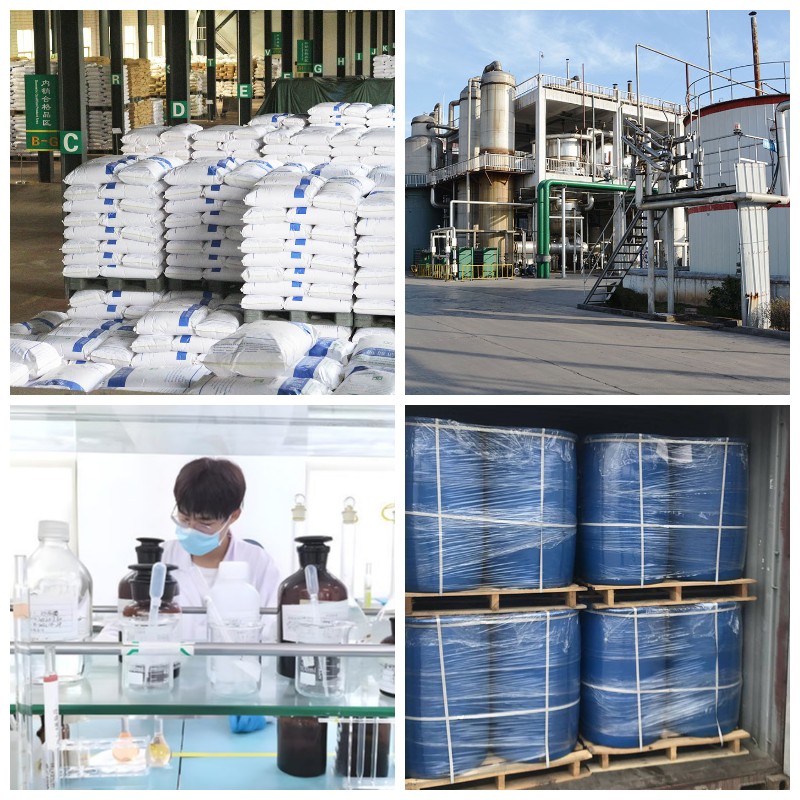
Factory and Equipment Show
Fast delivery time
Inventory 2-3 working days New production 7-10 working days
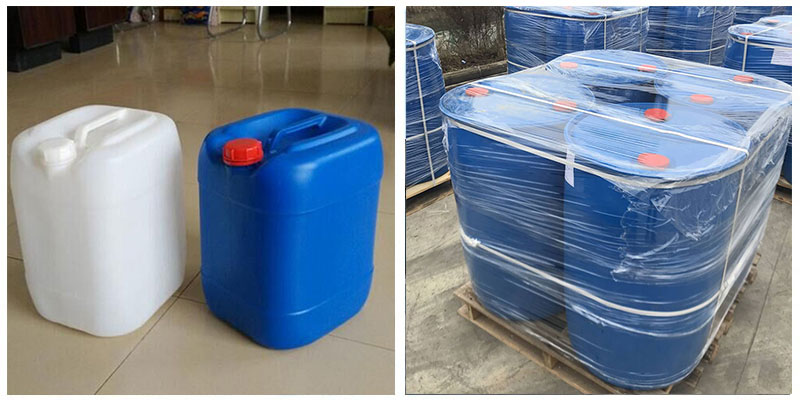
Leave your messages