Español
 العربية
 Francés
 Русский
 Português
 Deutsch
 Italiano
 Kazakh
 Uzbek
Uzbek

Thioglycolic acid CAS#68-11-1
CAS Number: 68-11-1
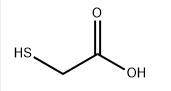
Chemical Formula: C2H4O2S
Synonyms:
acidethioglycolique
Acide thioglycolique
2-thioglycolicacid
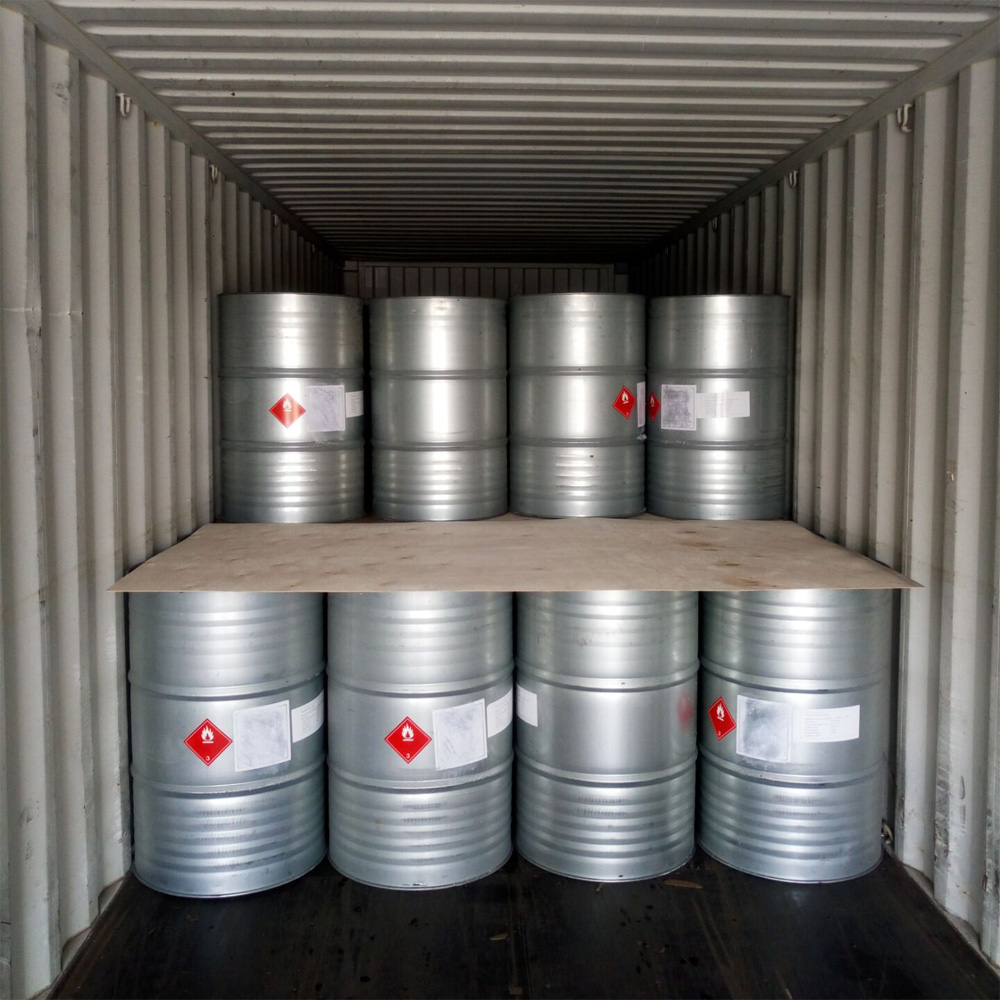
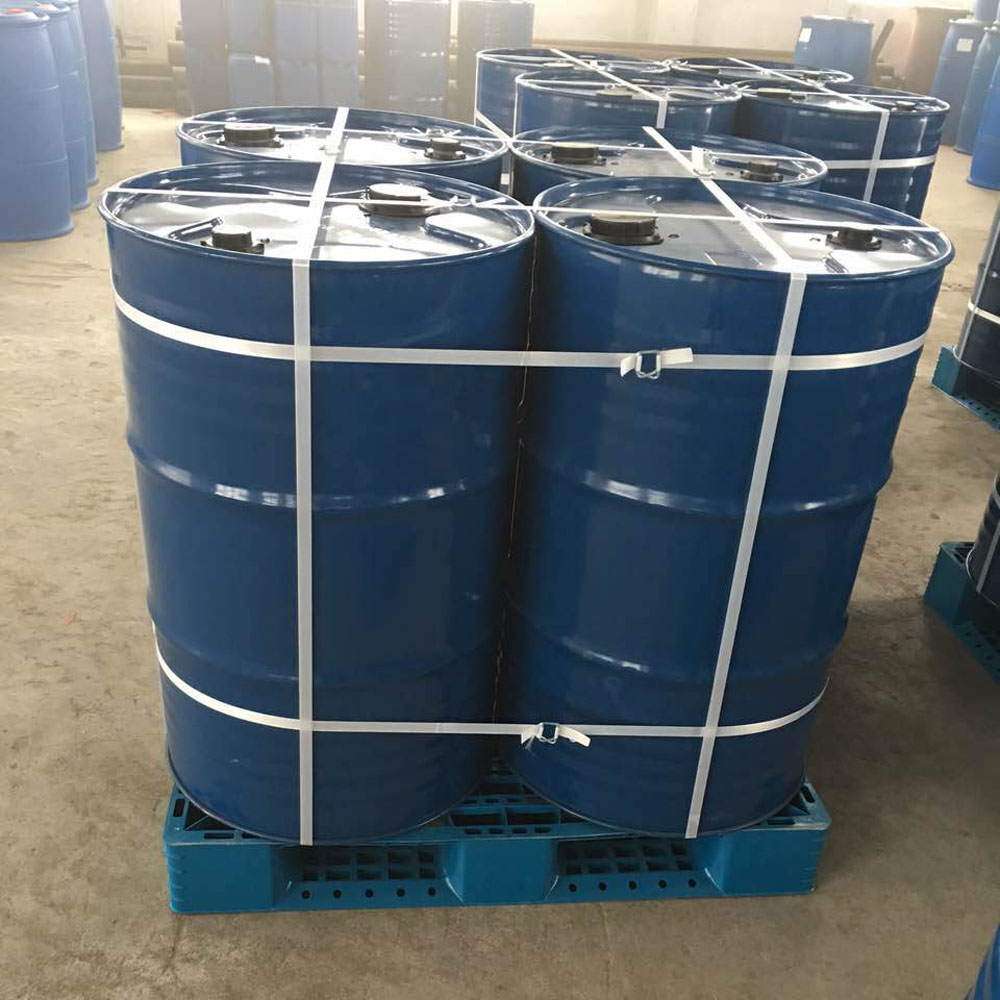
MOQ (Minimum Order Quantity): 1 FCL (Full Container Load)
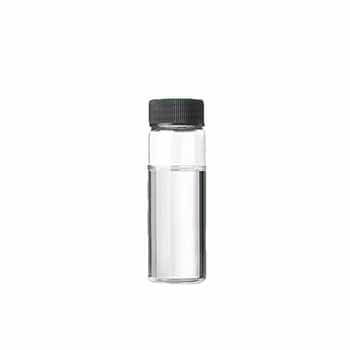
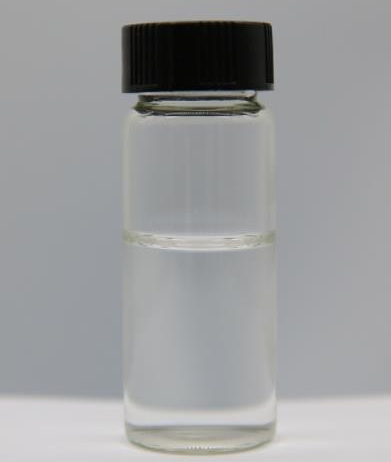
Appearance: Transperant Liquid
Thioglycolic acid CAS#68-11-1
Thioglycolic acid(TGA) is the organic compound HSCH2CO2H . It contains both a thiol (mercaptan) and a carboxylic acid. It is a clear liquid with a strong unpleasant odor. It is readily oxidized by air to the corresponding disulfide [SCH2CO2H]2.
TGA was developed in the 1940s for use as a chemical depilatory and is still used as such, especially in salt forms, including calcium thioglycolate and sodium thioglycolate. TGA is the precursor to ammonium thioglycolate that is used for permanents. TGA and its derivatives break the disulfide bonds in the cortex of hair. One reforms these broken bonds in giving hair a "perm." Alternatively and more commonly, the process leads to depilation as is done commonly in leather processing. It is also used as an acidity indicator, manufacturing of thioglycolates, and in bacteriology for preparation of thioglycolate media.
TGA is also used in the making of tin stabilizers often used in certain polyvinyl chloride products (such as vinyl siding).
Thioglycolic acid is used as nucleophile in thioglycolysis reactions used on condensed tannins to study their structure.
Thioglycolic acid Chemical Properties |
Melting point | −16 °C(lit.) |
Boiling point | 96 °C5 mm Hg(lit.) |
density | 1.326 g/mL at 20 °C(lit.) |
vapor density | 3.2 (vs air) |
vapor pressure | 0.4 mm Hg ( 25 °C) |
refractive index | n |
Fp | 126 °C |
storage temp. | Store at +2°C to +8°C. |
solubility | Chloroform (Sparingly), Methanol (Sparingly) |
pka | 3.68(at 25℃) |
form | Liquid |
color | clear clear, colorless |
Odor | strong unpleasant odor |
PH | 1 (H2O, 20℃) |
Water Solubility | soluble |
Sensitive | Air Sensitive |
Merck | 14,9336 |
BRN | 506166 |
Exposure limits | TLV-TWA 1 ppm (~3.8 mg/m3) (ACGIH). |
Stability: | Air Sensitive |
Cosmetics Ingredients Functions | DEPILATORY |
InChI | 1S/C2H4O2S/c3-2(4)1-5/h5H,1H2,(H,3,4) |
InChIKey | CWERGRDVMFNCDR-UHFFFAOYSA-N |
SMILES | OC(=O)CS |
LogP | 0.090 |
CAS DataBase Reference | 68-11-1(CAS DataBase Reference) |
NIST Chemistry Reference | Acetic acid, mercapto-(68-11-1) |
EPA Substance Registry System | Thioglycolic acid (68-11-1) |
Safety Information |
Hazard Codes | T,T+ |
Risk Statements | 23/24/25-34-26-24/25 |
Safety Statements | 25-27-28-45-36/37-28C-23 |
RIDADR | UN 1940 8/PG 2 |
OEB | B |
OEL | TWA: 1 ppm (4 mg/m3) [skin] |
WGK Germany | 1 |
RTECS | AI5950000 |
F | 9-13-23 |
Autoignition Temperature | 662 °F |
TSCA | TSCA listed |
HazardClass | 8 |
PackingGroup | II |
HS Code | 29309070 |
Storage Class | 6.1C - Combustible acute toxic Cat.3 |
Hazard Classifications | Acute Tox. 3 Dermal |
Hazardous Substances Data | 68-11-1(Hazardous Substances Data) |
Toxicity | LD50 orally in rats: 0.15 ml/kg (Deichmann, Mergard) |
Product Application of Thioglycolic acid CAS#68-11-1
Thioglycolic acid is an intermediate in the production of thiomethoprol (caputril), biotin, thiozinc acid, sodium dithiosuccinate and other pharmaceuticals, and is also an intermediate in the synthesis of cysteine, hormonal agent, and industrial disinfectant. And an important raw material for the synthesis of sulfuric acid. Thioglycolic acid is used as antioxidant and stabilizer in pharmaceuticals to enhance the stability of the main drug and prolong the validity period of pharmaceutical preparations. Ammonium and sodium salts of thioglycolic acid are mainly used as curling agents, calcium salts can be used as depilatory agents, polymerization initiators, accelerators and chain transfer agents, and can be used for hair removal before cosmetic surgery and animal experiments. Thioglycolic acid is used to make epoxy resin, catalyst of bisphenol A, and it can also be used as the basic raw material for synthesizing PVC transparent plastic and organic antimony and organic tin heat stabilizer.
Thioglycolic acid is a sensitive reagent for the determination of iron, molybdenum, aluminum, tin, etc., and is an inhibitor of copper sulfide and iron sulfide minerals in beneficiation. In the petrochemical industry and the railway sector, it is used for cleaning and derusting of equipment and rails.
Factory and Equipment Show