Español
 العربية
 Francés
 Русский
 Português
 Deutsch
 Italiano
 Kazakh
 Uzbek
Uzbek

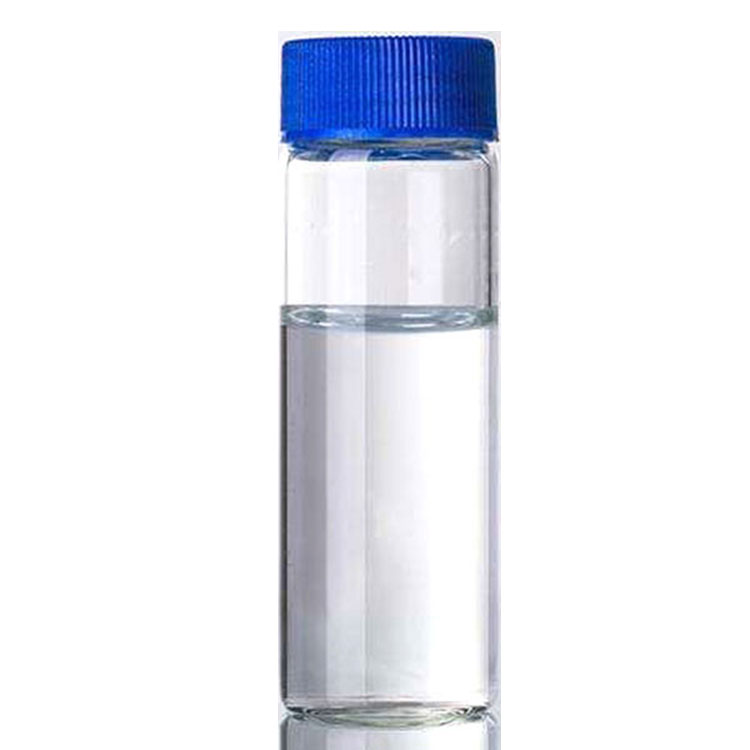
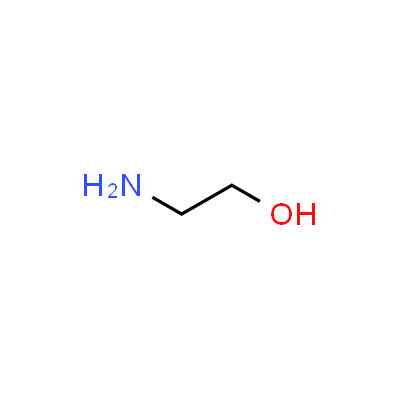
Monoethanolamine CAS#141-43-5
CAS Number: 141-43-5
Chemical Formula: C2H7NO
Synonyms:
Ethanolamine, ACS, 98.0-100.5%
Ethanolamine, ACS, 99+%
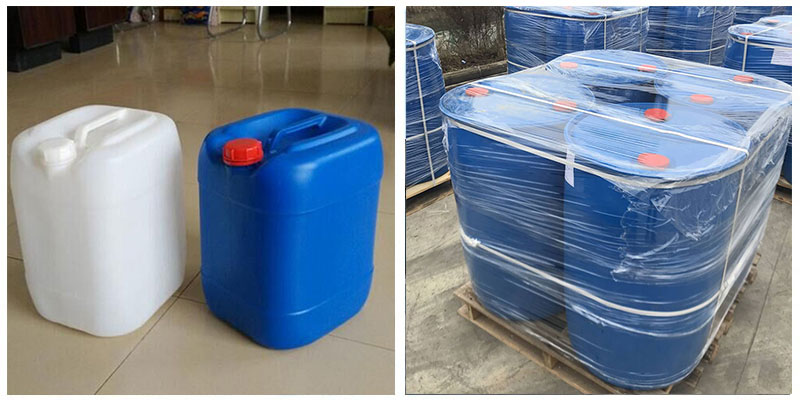
MOQ (Minimum Order Quantity): 1 FCL (Full Container Load)
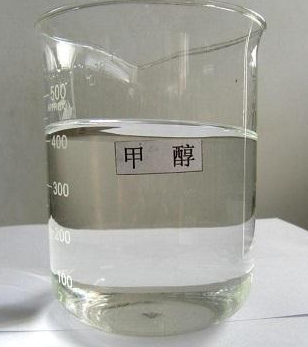
Appearance: Transperant Liquid
Monoethanolamine CAS#141-43-5
Ethanolamine is a kind of viscous hygroscopic amino alcohol contains both amine and alcohol chemical groups. It is widely distributed inside the body and is a component of lecithin. It has many kinds of industrial applications. For example, it can be used in the production of agricultural chemicals including ammonia as well as the manufacturing of pharmaceuticals and detergents. It can also be used as a surfactant, fluorimetric reagent and removing agent of CO2 and H2S. In pharmaceutical field, ethanolamine is used as a Vascular Sclerosing agent. It also has antihistaminic property, which alleviates the negative symptoms caused by H1-receptor binding.
Monoethanolamine Chemical Properties |
Melting point | 10-11 °C(lit.) |
Boiling point | 170 °C(lit.) |
density | 1.012 g/mL at 25 °C(lit.) |
vapor density | 2.1 (vs air) |
vapor pressure | 0.2 mm Hg ( 20 °C) |
refractive index | n |
Fp | 200 °F |
storage temp. | Store at +15°C to +25°C. |
solubility | Soluble in benzene, ether, carbon tetrachloride. |
form | Liquid |
pka | 9.5(at 25℃) |
Specific Gravity | 1.012 |
color | APHA: ≤15 |
Odor | ammoniacal odor |
PH | 12.1 (100g/l, H2O, 20℃) |
Relative polarity | 0.651 |
biological source | synthetic |
explosive limit | 3.4-27%(V) |
Water Solubility | miscible |
Sensitive | Air Sensitive & Hygroscopic |
Merck | 14,3727 |
BRN | 505944 |
Henry's Law Constant | 1.61(x 10-10 atm?m3/mol) at 20 °C (Bone et al., 1983) |
Exposure limits | TLV-TWA 3 ppm (~7.5 mg/m3) (ACGIH, MSHA, and OSHA); TLV-STEL 6 ppm (~15 mg/m3) (ACGIH); IDLH 1000 ppm (NIOSH). |
Dielectric constant | 31.940000000000001 |
Stability: | Stable. Flammable; incompatible with strong oxidizing agents, strong acids. Hygroscopic. |
Cosmetics Ingredients Functions | BUFFERING |
Cosmetic Ingredient Review (CIR) | Monoethanolamine (141-43-5) |
InChI | 1S/C2H7NO/c3-1-2-4/h4H,1-3H2 |
InChIKey | HZAXFHJVJLSVMW-UHFFFAOYSA-N |
SMILES | NCCO |
LogP | -2.3--1.91 at 25℃ |
Surface tension | 48.48mN/m at 293.15K |
CAS DataBase Reference | 141-43-5(CAS DataBase Reference) |
NIST Chemistry Reference | Ethanolamine(141-43-5) |
EPA Substance Registry System | Ethanolamine (141-43-5) |
Safety Information |
Hazard Codes | T,C |
Risk Statements | 20/21/22-34-39/23/24/25-23/24/25-10-52/53 |
Safety Statements | 26-36/37/39-45-61 |
RIDADR | UN 2924 3/PG 3 |
OEB | B |
OEL | TWA: 3 ppm (8 mg/m3), STEL: 6 ppm (15 mg/m3) |
WGK Germany | 1 |
RTECS | KJ5775000 |
F | 8-10-23 |
Autoignition Temperature | 410 °C |
TSCA | TSCA listed |
HazardClass | 8 |
PackingGroup | III |
HS Code | 29221100 |
Storage Class | 8A - Combustible corrosive hazardous materials |
Hazard Classifications | Acute Tox. 4 Dermal |
Hazardous Substances Data | 141-43-5(Hazardous Substances Data) |
Toxicity | LD50 orally in rats: 10.20 g/kg (Smyth) |
IDLA | 30 ppm |
Product Application of Monoethanolamine CAS#141-43-5
Ethanolamine is used as an absorption agent to remove carbon dioxide and hydrogen sulfide from natural gas and other gases, as a softening agent for hides, and as a dispersing agent for agricultural chemicals. Ethanolamine is also used in polishes, hair waving solutions, emulsifiers, and in the synthesis of surface-active agents (Beyer et al 1983; Mullins 1978; Windholz 1983). Ethanolamine is permitted in articles intended for use in the production, processing, or packaging of food (CFR 1981).
Ethanolamine undergoes reactions characteristic of primary amines and of alcohols. Two industrially important reactions of ethanolamine involve reaction with carbon dioxide or hydrogen sulfide to yield water soluble salts, and reaction with long chain fatty acids to form neutral ethanolamine soaps (Mullins 1978). Substituted ethanolamine compounds, such as soaps, are used extensively as emulsifiers, thickeners, wetting agents, and detergents in cosmetic formulations (including skin cleaners, creams, and lotions) (Beyer et al 1983).
Fact Factory and Equipment Show
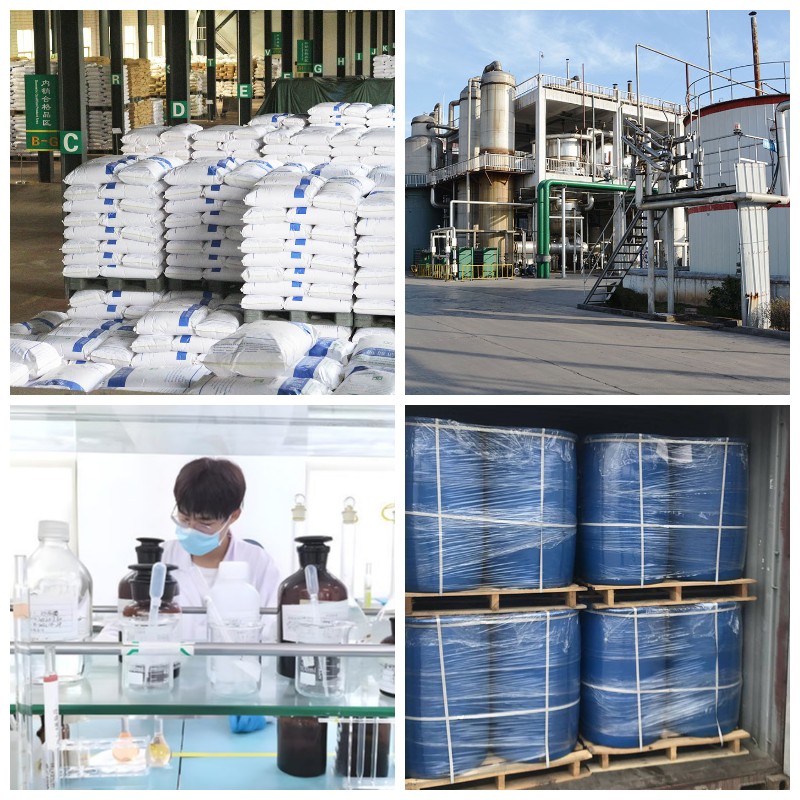
Fast delivery time
Inventory 2-3 working days New production 7-10 working days