Español
 العربية
 Francés
 Русский
 Português
 Deutsch
 Italiano
 Kazakh
 Uzbek
Uzbek

Methyl cellulose CAS#9004-67-5
CAS Number: 9004-67-5
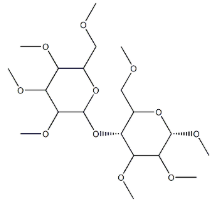
Chemical Formula: C20H38O11
Synonyms:
adulsin
Methyl cellulose, viscosity 8000 cPs
'TYLOSE'(R) MH 300
MOQ (Minimum Order Quantity): 1 FCL (Full Container Load)
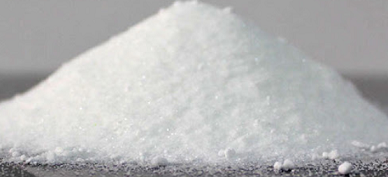
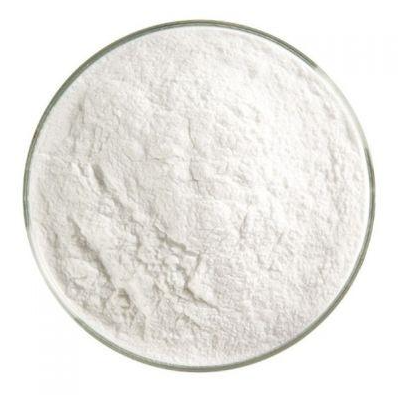
Appearance: White Powder
Methyl cellulose CAS#9004-67-5
Methylcellulose ether, abbreviated MC, is a kind of long-chain substituted cellulose, in which 27% to 32% of the hydroxyl group exists in the form of methoxy. The substitution degree affects the physical properties of methyl cellulose such as solubility. Methylcellulose has an average molecular weight of 10,000 to 220,000. At room temperature, it exhibits as a white powder or fibrous material, and is non-toxic, non-irritating with non-allergic effect. Its apparent relative density is 0.35 to 0.55 (with the real density being 1.26 to 1.30). It swells in water into a translucent viscous colloidal solution which is neutral to litmus, insoluble in ethanol, ether and chloroform, but soluble in glacial acetic acid. It is tolerant to the effects of acid, alkali, microorganisms, heat, and light and is also not affected by oil and grease, but will burn upon reaching ignition point. Methyl cellulose is a product composed of cellulose glucose with all or part of three hydroxyls getting methylated. General products contain a methoxy fraction of 26% to 33% with degree of substitution being 1.7 to 2.2. Product with substitution degree being 1.3 to 2.6 is soluble in water, pyridine, and acetic acid. This product is widely used for architecture, such as being used as the adhesive of cement, mortar, and for mudding off the seam. It is also used for making film an adhesive in cosmetics, medicine, and food industry. It can be also used as a textile sizing agents, synthetic resin dispersing agent, paint film formers and thickeners. The production method is that: use pulp to produce the alkali cellulose; alkali cellulose is reacted with methyl chloride or dimethyl sulfate in an autoclave and then further refined with warm water to obtain the final product. |
Methyl cellulose Chemical Properties |
Melting point | 290-305 °C |
density | 1.01 g/cm3(Temp: 70 °C) |
FEMA | 2696 | METHYL CELLULOSE |
refractive index | 1.4970 |
storage temp. | Room Temperature |
solubility | Practically insoluble in hot water, in acetone, in anhydrous ethanol and in toluene. It dissolves in cold water giving a colloidal solution. |
form | powder |
color | White, yellow-white or grayish-white |
PH | 5.0 -8.0 |
Odor | odorless |
Odor Type | odorless |
biological source | wood (pulp cellulose) |
Water Solubility | SOLUBLE IN COLD WATER |
Merck | 14,6040 |
Dielectric constant | 3.0(Ambient) |
Stability: | Stable. Incompatible with strong oxidizing agents, bleach, perchloric acid, nitric acid, perchlorates, alkali nitrates, alkali nitrites, calcium oxide. |
Major Application | pharmaceutical (small molecule) |
Cosmetics Ingredients Functions | BINDING |
Cosmetic Ingredient Review (CIR) | Methyl cellulose (9004-67-5) |
InChIKey | YLGXILFCIXHCMC-JHGZEJCSSA-N |
SMILES | [*]OC[C@H]1O[C@@H](O[C@@H]2[C@@H](CO[*])O[C@@H](O[*])[C@H](O[*])[C@H]2O[*])[C@H](O[*])[C@@H](O[*])[C@@H]1O[*] |
EPA Substance Registry System | Methylcellulose (9004-67-5) |
Safety Information |
Safety Statements | 24/25 |
WGK Germany | 3 |
RTECS | FJ5959000 |
F | 3 |
TSCA | TSCA listed |
HS Code | 39129000 |
Storage Class | 11 - Combustible Solids |
Hazardous Substances Data | 9004-67-5(Hazardous Substances Data) |
Product Application Of Methyl cellulose CAS#9004-67-5
Methylcellulose is widely used in oral and topical pharmaceutical formulations;
In tablet formulations, low- or medium-viscosity grades of methylcellulose are used as binding agents, the methylcellulose being added either as a dry powder or in solution.Highviscosity grades of methylcellulose may also be incorporated in tablet formulations as a disintegrant.Methylcellulose may be added to a tablet formulation to produce sustained-release preparations.
Tablet cores may also be spray-coated with either aqueous or organic solutions of highly substituted low-viscosity grades of methylcellulose to mask an unpleasant taste or to modify the release of a drug by controlling the physical nature of the granules. Methylcellulose coats are also used for sealing tablet cores prior to sugar coating.
Low-viscosity grades of methylcellulose are used to emulsify olive, peanut, and mineral oils.They are also used as suspending or thickening agents for orally administered liquids, methylcellulose commonly being used in place of sugar-based syrups or other suspension bases.Methylcellulose delays the settling of suspensions and increases the contact time of drugs, such as antacids, in the stomach.
High-viscosity grades of methylcellulose are used to thicken topically applied products such as creams and gels. In ophthalmic preparations, a 0.5–1.0% w/v solution of a highly substituted, high-viscosity grade of methylcellulose has been used as a vehicle for eye drops.However, hypromellose-based formulations are now preferred for ophthalmic preparations. Methylcellulose is also used in injectable formulations.
Therapeutically, methylcellulose is used as a bulk laxative; it has also been used to aid appetite control in the management of obesity, but there is little evidence supporting its efficacy.
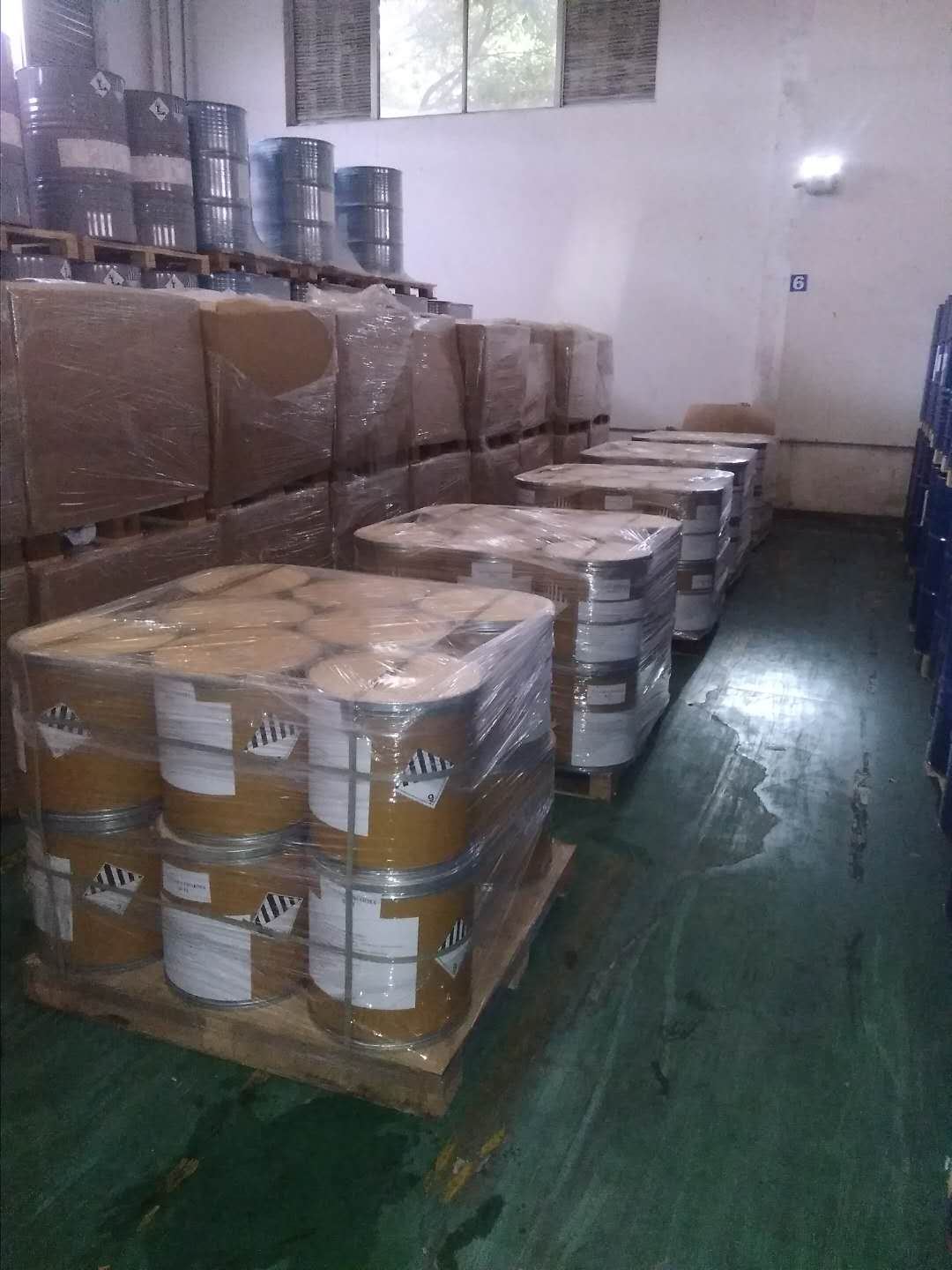
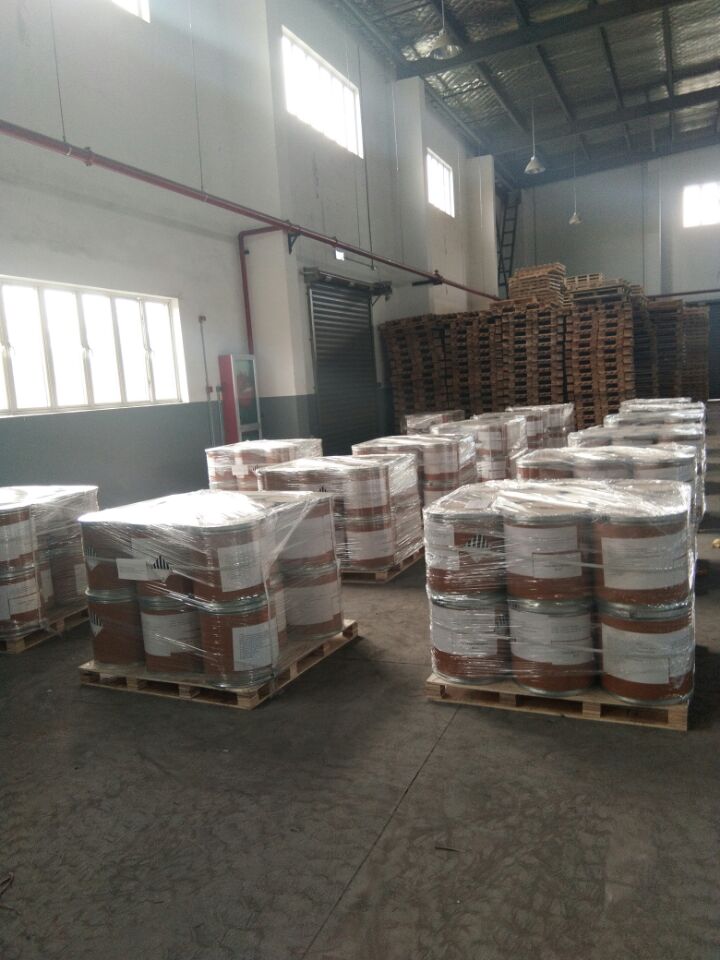
Factory and Equipment Show
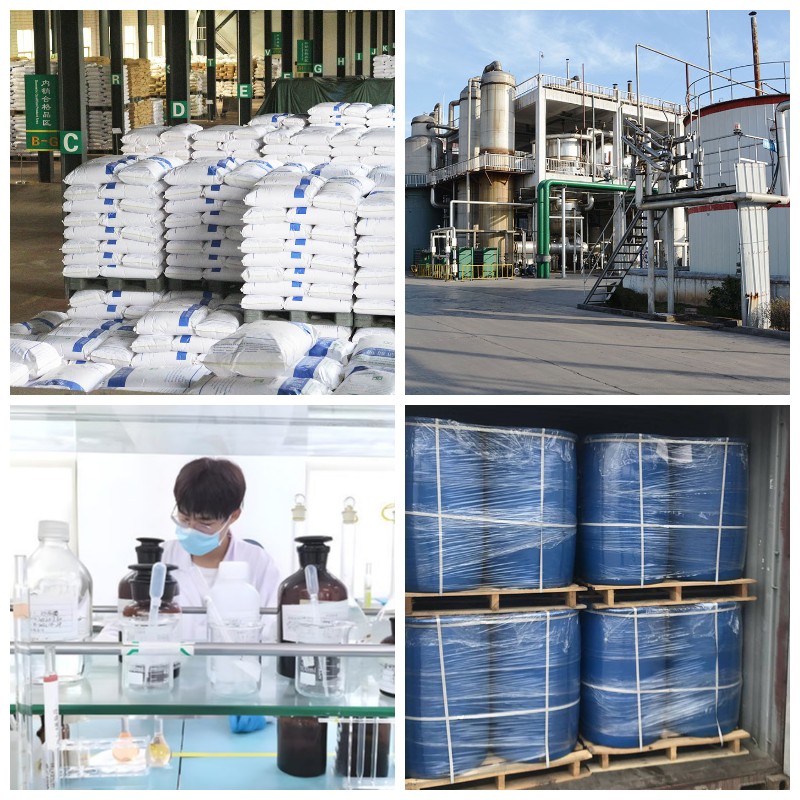
Fast delivery time
Inventory 2-3 working days New production 7-10 working days