Español
 العربية
 Francés
 Русский
 Português
 Deutsch
 Italiano
 Kazakh
 Uzbek
Uzbek

Diantimony trioxide CAS#1309-64-4
CAS Number: 1309-64-4
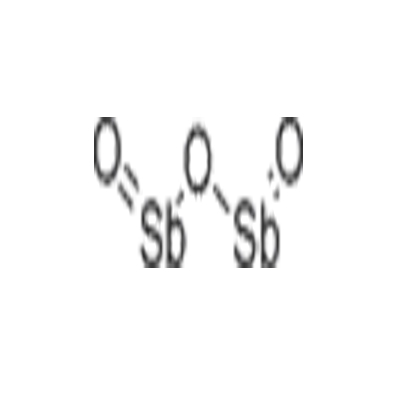
Chemical Formula: O3Sb2
Synonyms:
MOQ (Minimum Order Quantity): 1 FCL (Full Container Load)
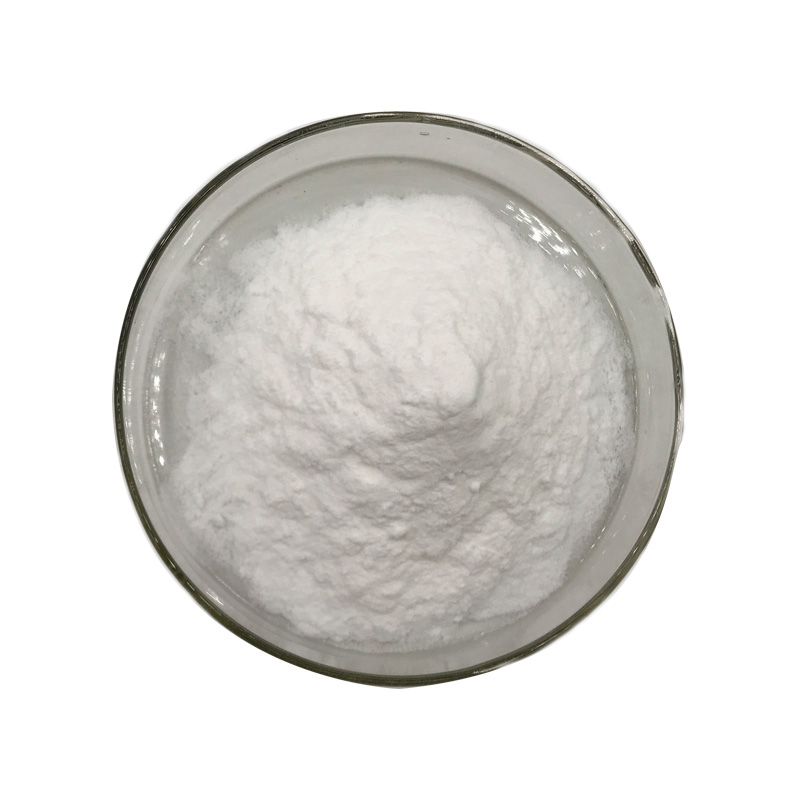
Appearance: White Powder
Diantimony trioxide CAS#1309-64-4
This hard shiny metal is often alloyed to other elements. It is used in various industrial fields, such as those making or using batteries, printing machines, bearing, textiles, and ceramics. It caused positive patch test reactions in two workers in a ceramics industry.
Diantimony trioxide Chemical Properties |
Melting point | 655 °C (lit.) |
Boiling point | 1550 °C (lit.) |
bulk density | 800-1300kg/m3 |
density | 5.20 |
vapor pressure | 13.3 hPa (660 °C) |
Fp | 1550°C subl. |
storage temp. | Store below +30°C. |
solubility | 2.70mg/l |
form | powder |
color | White |
Specific Gravity | 5.67 |
Odor | wh. cubic or orthorhombic cryst., odorless |
biological source | rabbit |
Water Solubility | Slightly soluble. <0.1 g/100 mL at 20 ºC |
crystal system | Cube |
Merck | 14,711 |
Space group | Fd3m |
Lattice constant | a/nmb/nmc/nmα/oβ/oγ/oV/nm31.1141.1141.1149090901.3825 |
Exposure limits | ACGIH: TWA 0.5 mg/m3 |
Stability: | Stable. |
InChI | 1S/3O.2Sb |
InChIKey | MUBFITUCTVFSOJ-UHFFFAOYSA-L |
SMILES | O=[Sb]O[Sb]=O |
CAS DataBase Reference | 1309-64-4(CAS DataBase Reference) |
IARC | 2B (Vol. 47) 1989 |
NIST Chemistry Reference | Antimony trioxide(1309-64-4) |
EPA Substance Registry System | Antimony trioxide (1309-64-4) |
Safety Information |
Hazard Codes | Xn,Xi,T |
Risk Statements | 40-61 |
Safety Statements | 22-36/37-45-53 |
RIDADR | 1549 |
WGK Germany | 2 |
RTECS | CC5650000 |
Hazard Note | Irritant |
TSCA | TSCA listed |
HazardClass | 6.1 |
PackingGroup | III |
HS Code | 28258000 |
Storage Class | 13 - Non Combustible Solids |
Hazard Classifications | Carc. 2 |
Hazardous Substances Data | 1309-64-4(Hazardous Substances Data) |
Toxicity | LD50 orally in rats: >20 g/kg (Smyth) |
Product Application Of Diantimony trioxide CAS#1309-64-4
Antimony Trioxide (commonly referred to as antimony oxide), Sb2O3 is used to impart flame retardancy to plastics. Although antimony trioxide is found in nature, it is too impure to be used. Flameretardant grades of antimony oxides are manufactured from either antimony metal or the sulfide ore by oxidation in air at 600–800 °C. The particle size and chemical reactivity is determined by the processing conditions, enabling the production of several different grades. Antimony trioxide is from 99.0–99.9 wt % Sb2O3. The remainder consists of 0.4–0.01 wt % arsenic; 0.4–0.01, lead; 0.1–0.0001, iron; 0.005–0.0001, nickel; and 0.01–0.0001, sulfates. It is insoluble in water and the loss on drying at 110 °C is 0.1 wt % max. |
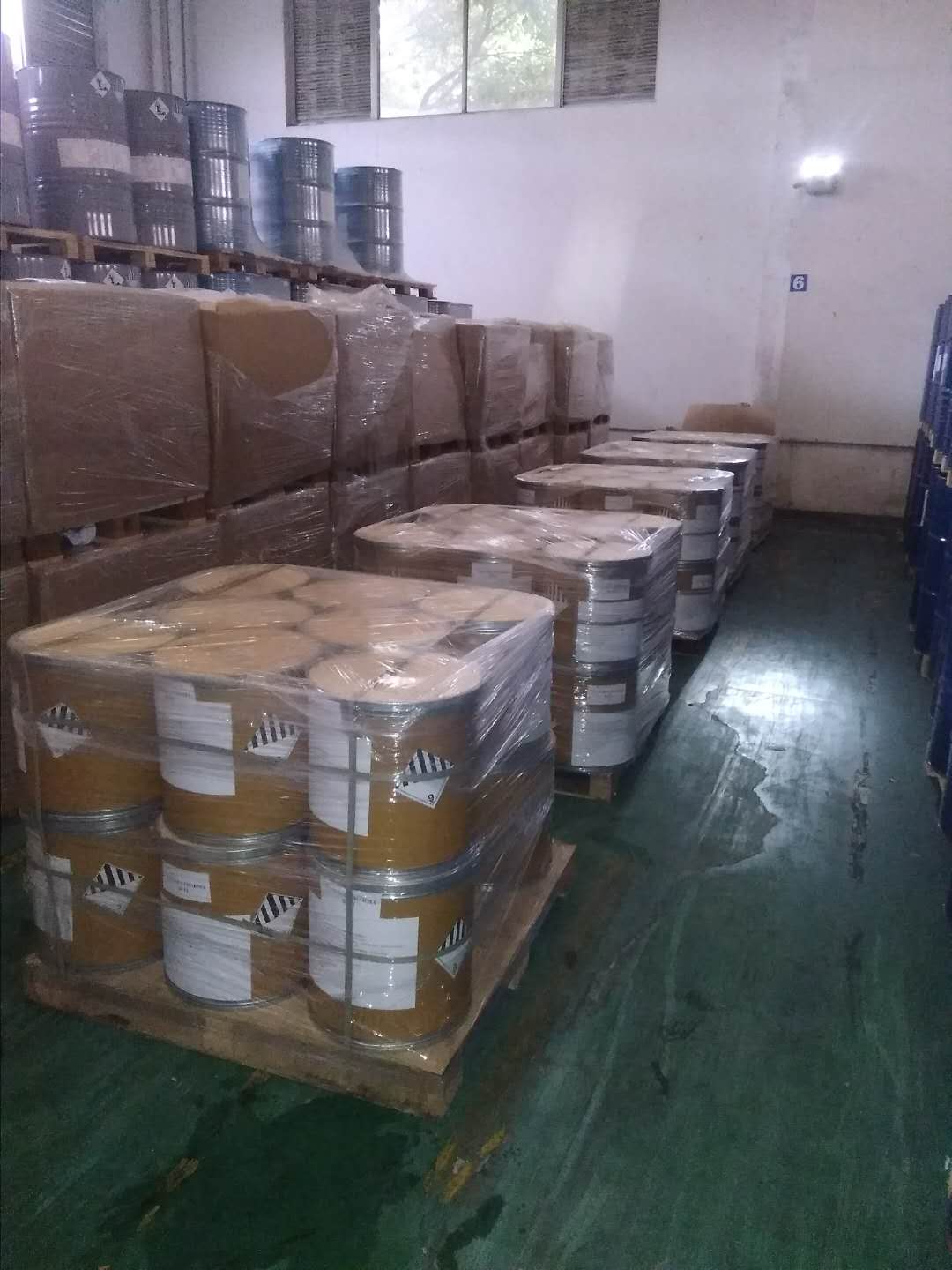
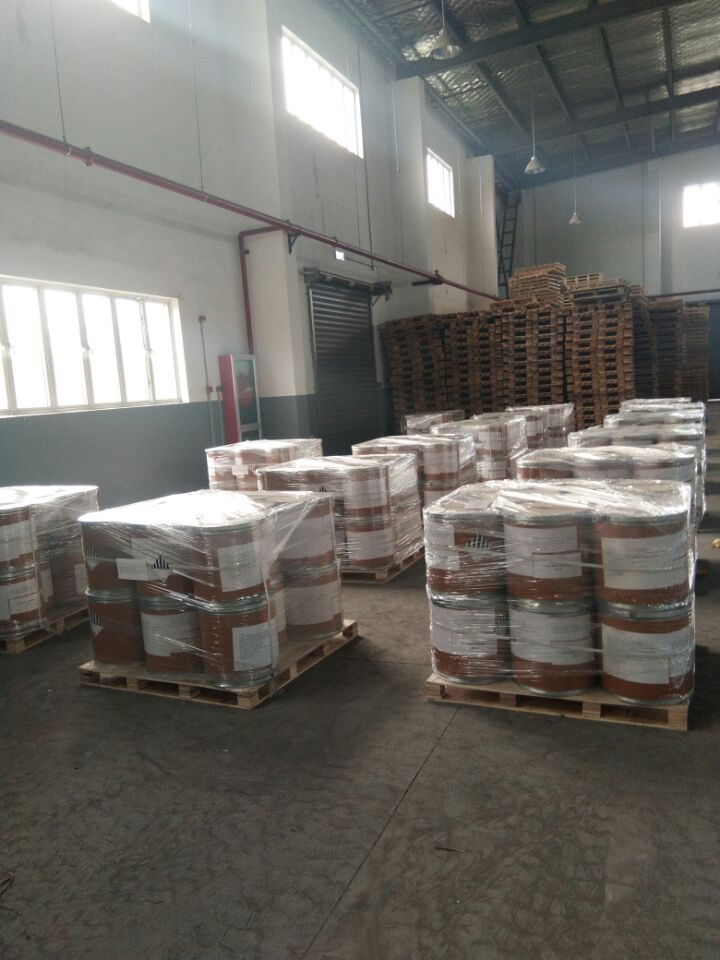
Fact Factory and Equipment Show
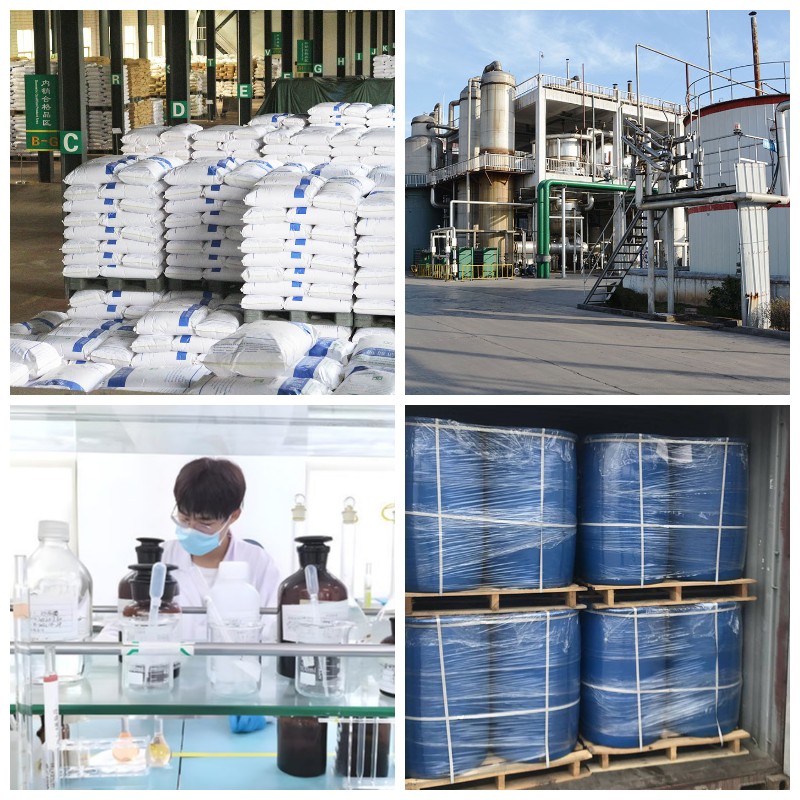
Fast delivery time
Inventory 2-3 working days New production 7-10 working days