Español
 العربية
 Francés
 Русский
 Português
 Deutsch
 Italiano
 Kazakh
 Uzbek
Uzbek

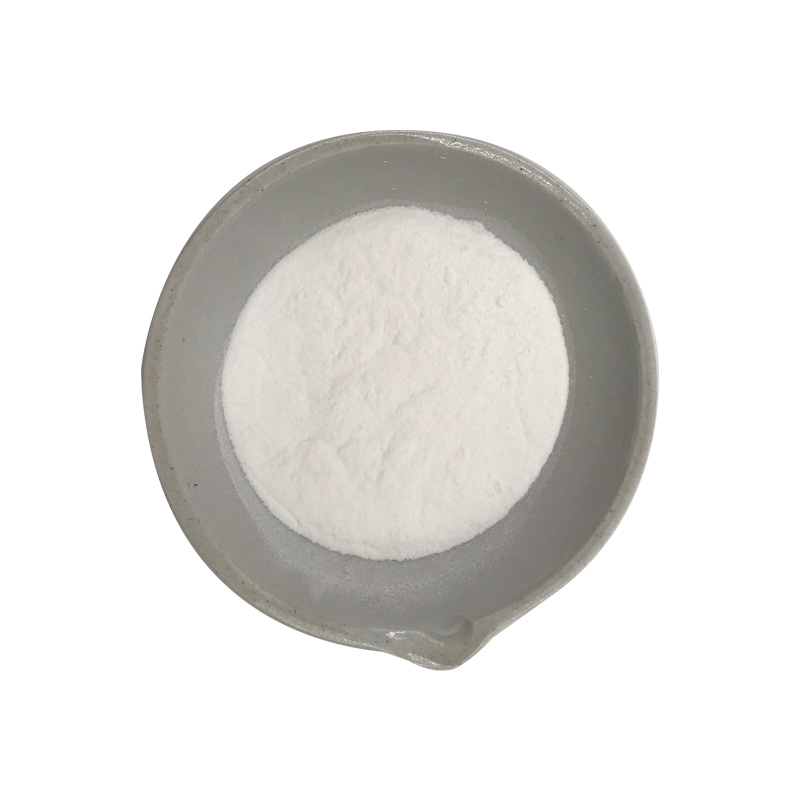
Alginic acid CAS#9005-32-7
CAS Number: 9005-32-7
Chemical Formula: (C6H8O6)n
Synonyms:
ALGINIC ACID
kelacid
landalgine
MOQ (Minimum Order Quantity): 1 FCL (Full Container Load)
Appearance: White Powder
Alginic acid CAS#9005-32-7
Alginic acid found in the walls of brown seaweeds (Phaeophyceae) consists of D-mannuronic acid units and L-guluronic acid units probably linked β (1->4). The chains contain three distinct regions; in one, the D-mannuronic acid units alternate with L-guluronic acid units, whereas the remaining regions are homogeneous and contain either D-mannuronic acid or L-guluronic acid. The lengths and proportions of the three regions vary with the seaweed species and are responsible for the differences in chemical and physical properties of the various alginates.
Alginic acid is biosynthesised from GDP-D-mannuronic acid and GDP-guluronic acid. It seems probable that guluronic acid is derived from its isomer, mannuronic acid, the re action being catalysed by an epimerase.
Alginic acid Chemical Properties |
Melting point | 300 °C |
storage temp. | Room Temperature |
solubility | H2O: insoluble, but swells |
form | Powder |
color | White to pale yellow to beige |
Odor | wh. to yel. fibrous powd., odorless, tasteless |
Optical Rotation | -141~-146 |
Water Solubility | Insoluble in water. |
Sensitive | Hygroscopic |
Merck | 14,242 |
Major Application | diagnostic assay manufacturing |
Cosmetics Ingredients Functions | VISCOSITY CONTROLLING |
Cosmetic Ingredient Review (CIR) | Alginic acid (9005-32-7) |
LogP | -3.203 (est) |
CAS DataBase Reference | 9005-32-7 |
EPA Substance Registry System | Alginic acid (9005-32-7) |
Safety Information |
Hazard Codes | Xi |
Risk Statements | 36/37/38 |
Safety Statements | 24/25-36-26 |
WGK Germany | 2 |
RTECS | AZ5775000 |
F | 3 |
TSCA | TSCA listed |
HS Code | 39131000 |
Storage Class | 11 - Combustible Solids |
Hazardous Substances Data | 9005-32-7(Hazardous Substances Data) |
Product Application Of Alginic acid CAS#9005-32-7
Alginic acid is used in a variety of oral and topical pharmaceutical formulations. In tablet and capsule formulations, alginic acid is used as both a binder and disintegrating agent at concentrations of 1–5% w/w. Alginic acid is widely used as a thickening and suspending agent in a variety of pastes, creams, and gels; and as a stabilizing agent for oil-in-water emulsions.
Alginic acid has been used to improve the stability of levosimendan.
Therapeutically, alginic acid has been used as an antacid.In combination with an H2-receptor antagonist, it has also been utilized for the management of gastroesophageal reflux.
Fact Factory and Equipment Show
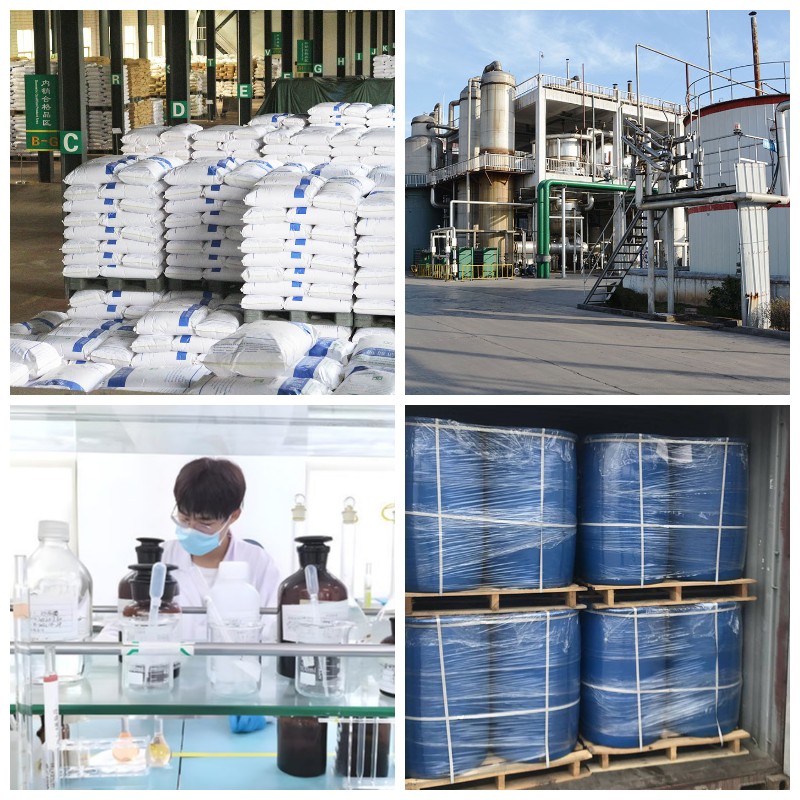
Fast delivery time
Inventory 2-3 working days New production 7-10 working days