Español
 العربية
 Francés
 Русский
 Português
 Deutsch
 Italiano
 Kazakh
 Uzbek
Uzbek


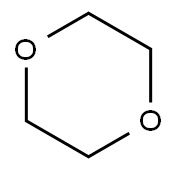
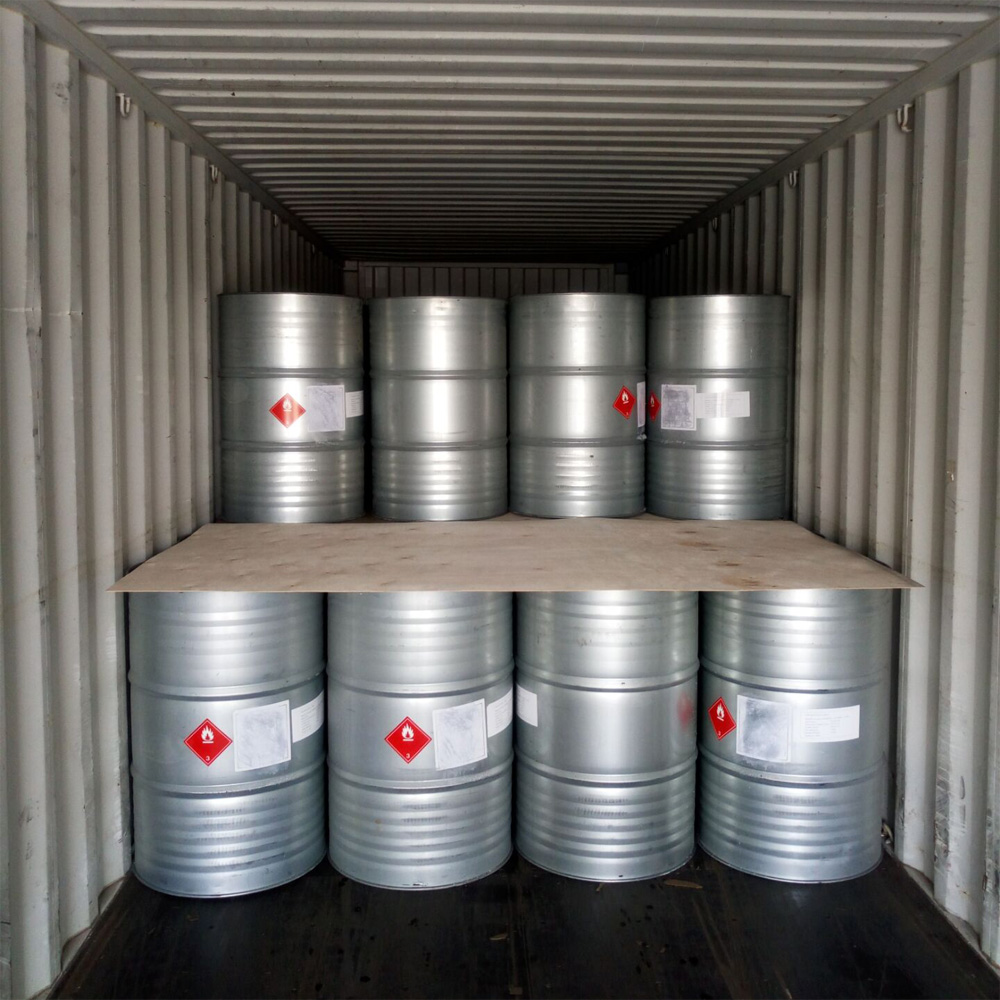
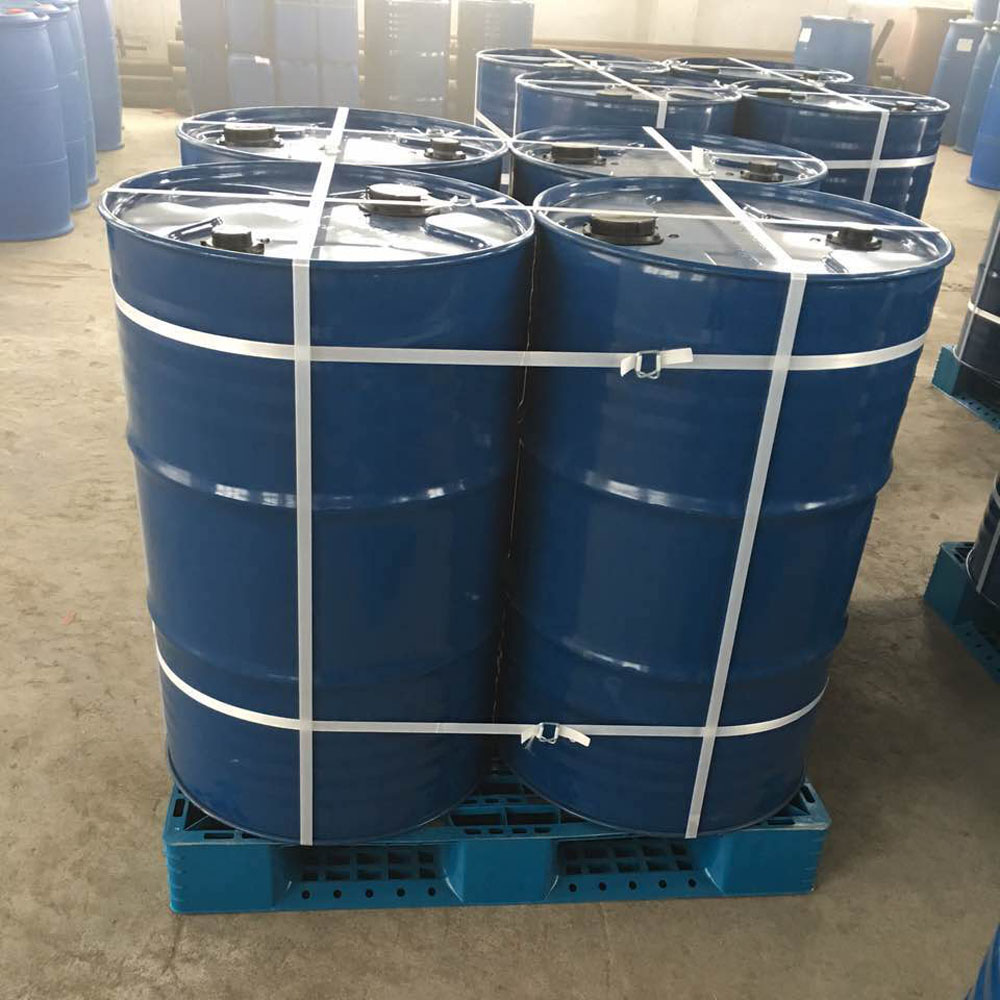
1,4-Dioxane CAS#123-91-1
CAS Number:123-91-1
Chemical Formula: C4H8O2
Synonyms:
Ethyleneether
Ethylene glycol ethylene ether
Ethyeneglycol
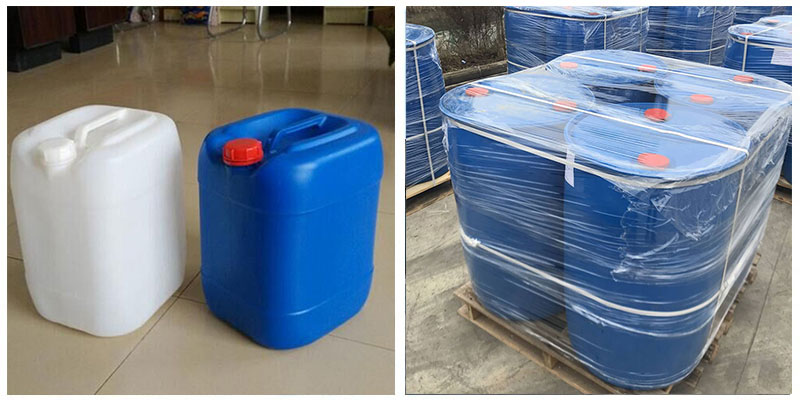
MOQ (Minimum Order Quantity): 1 FCL (Full Container Load)
Appearance: Transperant Liquid
1,4-Dioxane CAS#123-91-1
1,4-Dioxane is a hexahydroxy heterocyclic compound containing two oxygen heteroatoms. molecular formula C4H8O2,a colorless, flammable liquid, slight ether smell, photosensitive. Its Vapor can easily form explosive peroxides by absorbing oxygen in the air. Explosion limit 1.97%-1.97% (volume), It should be disposed by reducing agent in distillation process. Melting point 11.8 ℃, boiling point of 101 ℃ (750 mmHg), density 1.0337 (20/4 ℃), refractive index 1.4224, flash point12℃. Soluble in water, ethanol, ether and other organic solvents. It can form azeotrope with water (water content 18.6%) and the boiling point is 87.8 ℃. It turns bright yellow when reacting with tetranitromethane. Trace amount of 2,6-Di-tert-butyl-4-methylphenol(BHT) is often added to the commodity as a stabilizer. Low toxicity, half lethal dose (rats, oral) 4200 mg/kg. A possible carcinogen, an irritating chemical. 1,4-Dioxane can be prepared by dehydration of ethylene glycol by sulfuric acid and it is the indirect product in the production of epoxy ethane. As a good organic solvent, it has a wide application such as the solvent for cellulose acetate and lots of resins. It Is mainly used in the pharmaceutical industry as extraction agent, as a stabilizer in the production of 1,1,1 – trichloroethane as a volatile solvent in the production of polyurethane in place of dimethylformamide and tetrahydrofuran, as stripping agent in the crafts of coating and painting, as a solvent and dispersant in the dye industry, as a stabilizer in printing ink, and also as treatment agent for metal surface. In addition , it can also be used in cosmetics, spices manufacture, electroplating, etc.
1,4-Dioxane Chemical Properties |
Melting point | 12 °C |
Boiling point | 101 °C |
density | 1.034 g/mL at 25 °C(lit.) |
vapor density | 3 (vs air) |
vapor pressure | 27 mm Hg ( 20 °C) |
refractive index | n |
Fp | 54 °F |
storage temp. | room temp |
solubility | Soluble in acetone, alcohol, benzene, and ether (Weast, 1986). Miscible with most organic solvents (Huntress and Mulliken, 1941) including 2-methylpropanol, toluene, cychexanone, and cyclopentanone. |
form | Solution |
color | APHA: ≤20 |
Odor | Mild ether-like odor detectable at 0.8 to 172 ppm (mean = 12 ppm) |
PH | 6-8 (500g/l, H2O, 20℃) |
explosive limit | 1.7-25.2%(V) |
Water Solubility | SOLUBLE |
λmax | λ: 220 nm Amax: ≤0.70 |
Sensitive | Hygroscopic |
Merck | 14,3300 |
BRN | 102551 |
Henry's Law Constant | 4.89(x 10-6 atm?m3/mol) (static headspace-GC, Welke et al., 1998) |
Dielectric constant | 2.2(25℃) |
Exposure limits | TLV-TWA 25 ppm (≈90 mg/m3) (ACGIH), 100 ppm (MSHA and OSHA); carcinogenicity: Animal Sufficient Evidence (IARC). |
Stability: | Stable. Incompatible with oxidizing agents, oxygen, halogens, reducing agents, moisture. Highly flammable - note wide explosive range. May form explosive peroxides in storage (rate of formation increased by heating, evaporation or exposure to light). |
InChIKey | RYHBNJHYFVUHQT-UHFFFAOYSA-N |
LogP | -0.42 at 20℃ |
Surface tension | 32.71mN/m at 293.15K |
CAS DataBase Reference | 123-91-1(CAS DataBase Reference) |
IARC | 2B (Vol. 11, Sup 7, 71) 1999 |
NIST Chemistry Reference | 1,4-Dioxane(123-91-1) |
EPA Substance Registry System | 1,4-Dioxane (123-91-1) |
ECETOC JACC REPORT | 1,4-Dioxane (123-91-1) |
Safety Information |
Hazard Codes | Xn,F,T |
Risk Statements | 45-46-11-36/38-48/23/24/25-65-66-40-36/37-19-41-37/38-39/23/24/25-23/24/25-48/20/22-38-22-36/37/38-10 |
Safety Statements | 9-16-36/37-46-45-53-7-62-26-24/25-23-S9-S46-S36/37-S16 |
RIDADR | UN 1993 3/PG 2 |
OEL | Ceiling: 1 ppm (3.6 mg/m3) [30-minute] |
WGK Germany | 3 |
RTECS | JG8225000 |
F | |
Autoignition Temperature | 180 °C |
TSCA | Yes |
HazardClass | 3 |
PackingGroup | II |
HS Code | 29329990 |
Hazardous Substances Data | 123-91-1(Hazardous Substances Data) |
Toxicity | LD50 in mice, rats (ml/kg): 5.7, 5.2 orally (Laug) |
IDLA | 500 ppm |
Product Application of 1,4-Dioxane CAS#123-91-1
Industrial applications of 1,4-dioxane are extensive, for instance, as solvent for cellulose acetate, ethyl cellulose, benzyl cellulose, resins, oils, waxes, and some dyes; as a solvent for paper, cotton, and textile processing; and for various organic and inorganic compounds and products. It is also used in automotive coolant liquid and in shampoos and other cosmetics as a degreasing agent and as a component of paint and varnish. Human exposures to 1,4-dioxane have been traced to multiple occupations and breathing of contaminated workplace air and drinking polluted water. Industrial uses of 1,4-dioxane are very many. For instance, it is used as solvent for celluloses, resins, lacquers, synthetic rubbers, adhesives, sealants, fats, oils, dyes, and protective coatings; as a stabiliser for chlorinated solvents and printing inks; and as a wetting and dispersing agent in textile processing agrochemicals and pharmaceuticals, in different processing of solvent-extraction processes, and in the preparation and manufacture of detergents.
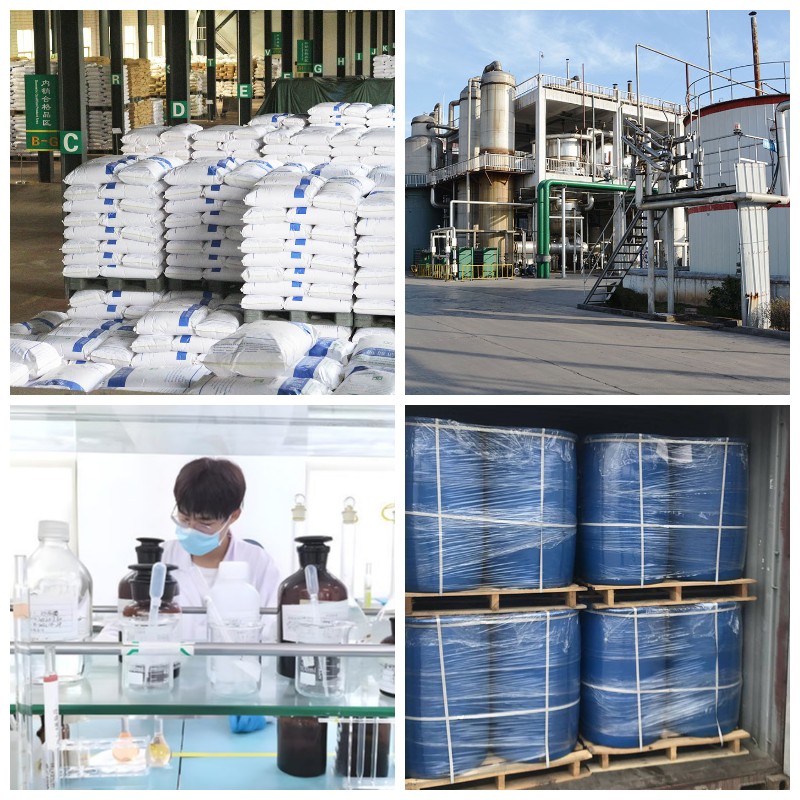
Factory and Equipment Show
Fast delivery time
Inventory 2-3 working days New production 7-10 working days