Español
 العربية
 Francés
 Русский
 Português
 Deutsch
 Italiano
 Kazakh
 Uzbek
Uzbek


Palladium CAS#7440-05-3
CAS Number: 7440-05-3
Chemical Formula: Pd
Synonyms:
PALLADIUM WIRE, 0.5MM (0.02IN) DIA, 99.99+% (METALS BASIS)
PALLADIUM 1% ON ALUMINA
PALLADIUM SILVER ALLOY POWDER -2.5 MICRON SPHERICAL
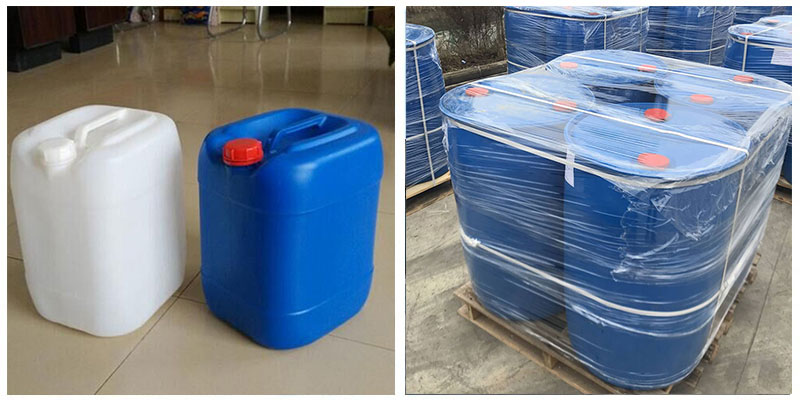
MOQ (Minimum Order Quantity): 1 FCL (Full Container Load)
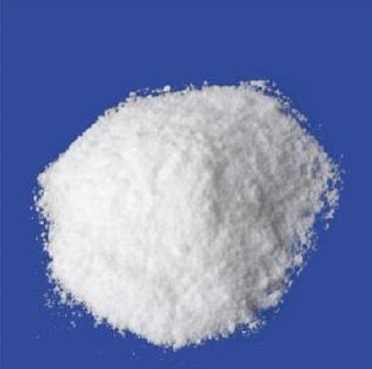
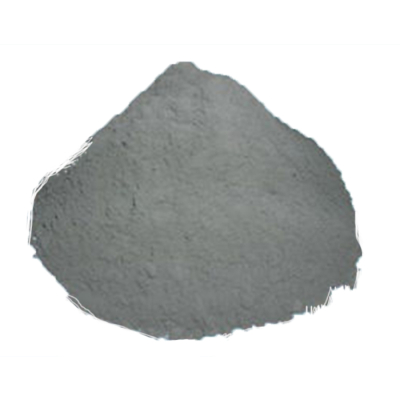
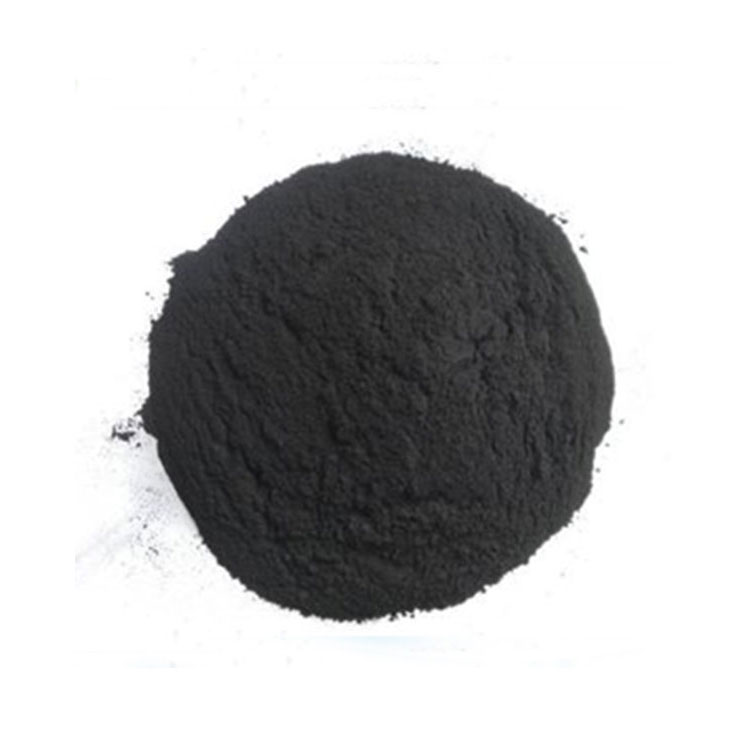
Appearance: Black Powder
Palladium CAS#7440-05-3
Palladium was discovered in 1803 by W.H. Wollaston during refining and purification of- platinum metal. This new metal was found in the aqua regia extract of native platinum and was detected in solution after platinum was precipitated. It was removed as ammonium chloroplatinate. Treating this solution with mercurous cyanide precipitated a yellow palladium complex salt. The precipitate was washed and ignited to form palladium metal. Wollaston named the element palladium after the newly discovered asteroid Pallas.
Palladium in nature is always associated with other platinum group metals. Its abundance in earth's crust is estimated at 0.015 mg/kg, about three times more abundant than platinum. Palladium is used mostly in alloys and the majority of its alloys are used for electronics and telecommunications. They are contacts in electrical relays and automatic switching gear. Palladium-gold alloys are applied widely in dentistry and medicine. They are in devices for replacement of damaged bones and joints and as support in porcelain-overlay bridgework. Palladium alloys are used in decoration and jewelry as a substitute for gold. They are used in gems, watch cases and brooches.
One of the most important applications of palladium is to catalyze hydrogenation, dehydrogenation, and petroleum cracking. Such reactions are widely employed in organic syntheses and petroleum refining. Palladium and platinum are installed in catalytic converters in automobiles to cut down the emission of unsaturated hydrocarbon gasses.
Palladium Chemical Properties |
Melting point | 1554 °C(lit.) |
Boiling point | 2970 °C(lit.) |
density | 1.025 g/mL at 25 °C |
storage temp. | no restrictions. |
solubility | soluble in aqua regia |
form | wire |
color | Silver-gray |
Specific Gravity | 12.03 |
Odor | Odorless |
resistivity | 9.96 μΩ-cm, 20°C |
Water Solubility | INSOLUBLE |
Merck | 14,6989 |
Exposure limits | ACGIH: TWA 1 mg/m3 |
Stability: | Stable. Flammable - fine powder may cause fire or explosion in air. Incompatible with ozone, sodium tetrahydroborate, sulphur, arsenic. |
Cosmetics Ingredients Functions | COLORANT |
InChI | 1S/Pd |
InChIKey | KDLHZDBZIXYQEI-UHFFFAOYSA-N |
SMILES | [Pd] |
Shear Modulus | 42.0 GPa, Calculated |
Poissons Ratio | 0.39 |
Modulus of Elasticity | 117 GPa |
Hardness, Vickers | 37, Annealed |
CAS DataBase Reference | 7440-05-3(CAS DataBase Reference) |
NIST Chemistry Reference | Palladium(7440-05-3) |
EPA Substance Registry System | Palladium (7440-05-3) |
Safety Information |
Hazard Codes | T,F,Xi |
Risk Statements | 61-33-37/38-40-41-36/37/38-11 |
Safety Statements | 53-26-36/37/39-24/25-36-22 |
RIDADR | UN 3089 4.1/PG 2 |
WGK Germany | nwg |
RTECS | RT3480500 |
Autoignition Temperature | >1120 °F |
TSCA | TSCA listed |
HazardClass | 4.1 |
PackingGroup | III |
HS Code | 28439000 |
Storage Class | 13 - Non Combustible Solids |
Hazardous Substances Data | 7440-05-3(Hazardous Substances Data) |
Toxicity | LD50 oral (rat) 200 mg/kg (palladium chloride) |
Product Application Of Palladium CAS#7440-05-3
Palladium is used in the preparation of Palladium catalysts. Palladium based nanomaterials can also be applied in cancer diagnosis and therapy.
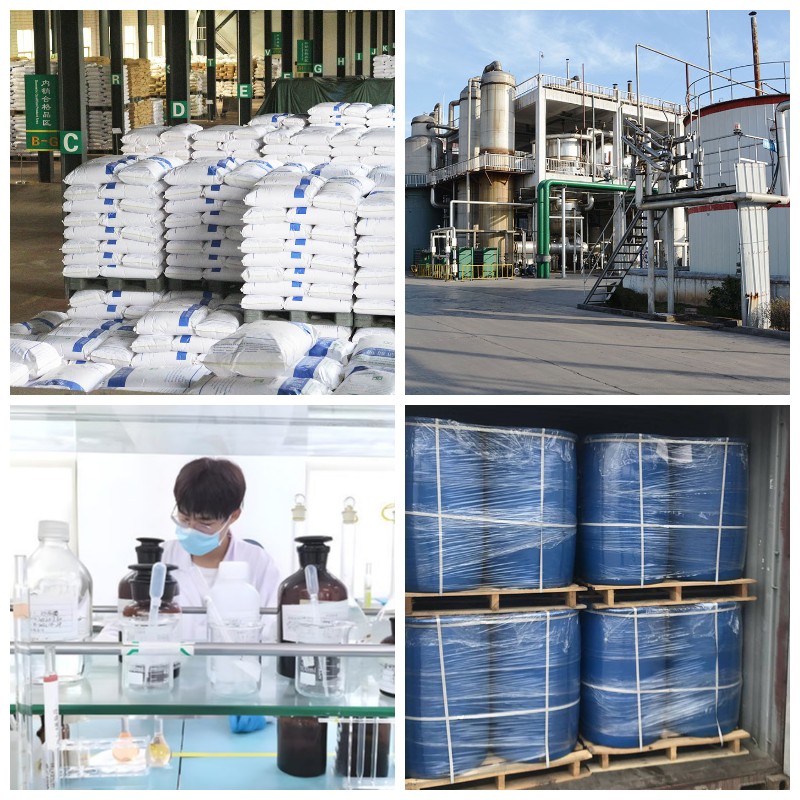
Fact Factory and Equipment Show
Fast delivery time
Inventory 2-3 working days New production 7-10 working days