Español
 العربية
 Francés
 Русский
 Português
 Deutsch
 Italiano
 Kazakh
 Uzbek
Uzbek

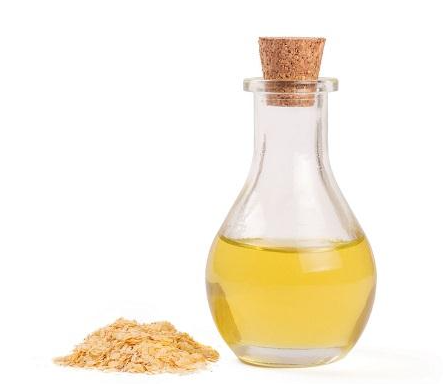

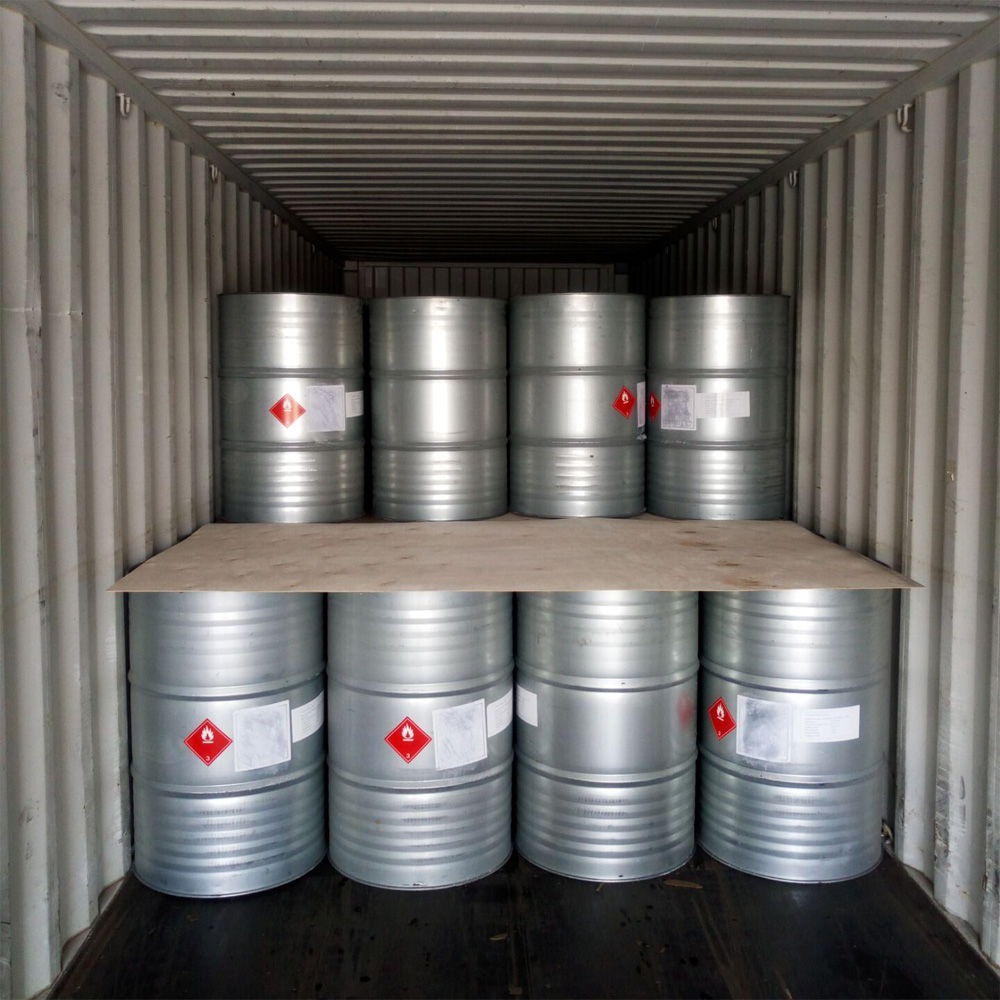
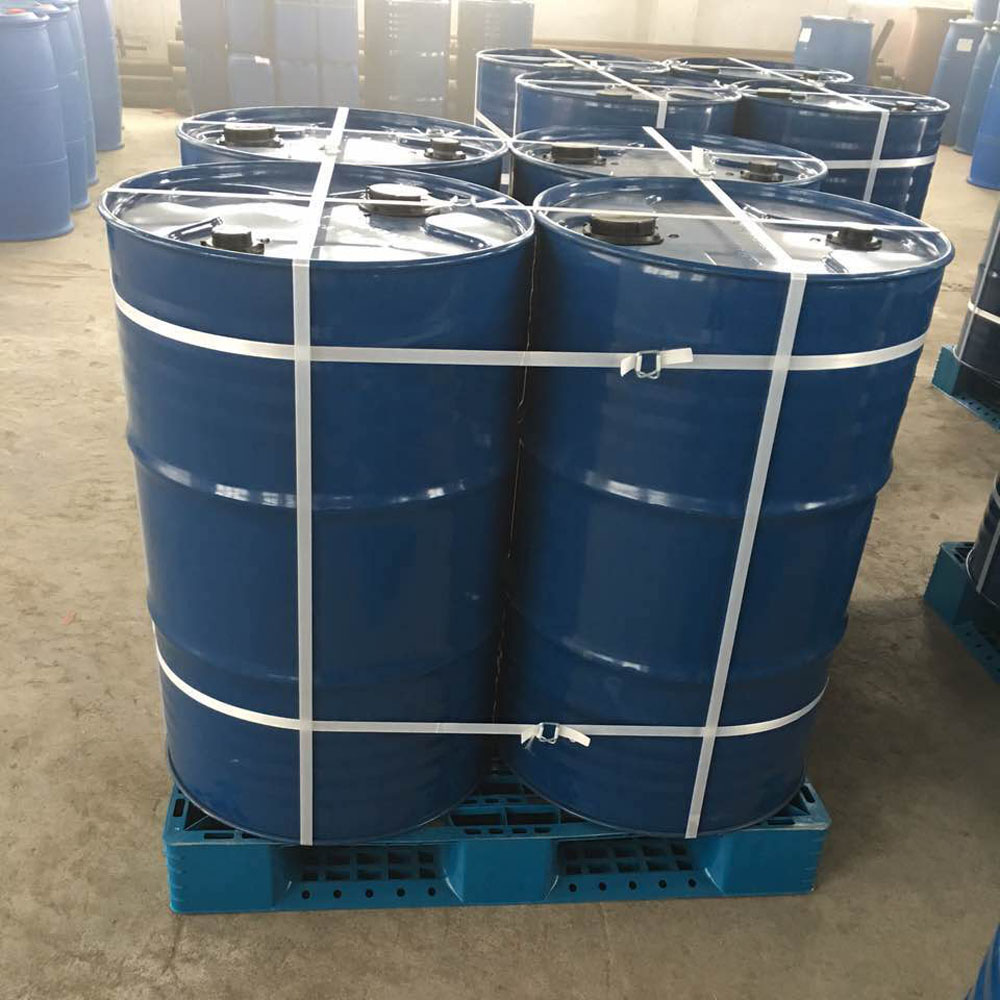
Linoleic acid CAS#60-33-3
CAS Number: 60-33-3
Chemical Formula: C18H32O2
Synonyms:
9,12-Octadecadienoicacid(Z,Z)-
(Z,Z)-Octadeca-9, 12-dienoic acid
12-Octadecadienoicacid(Z,Z)-9
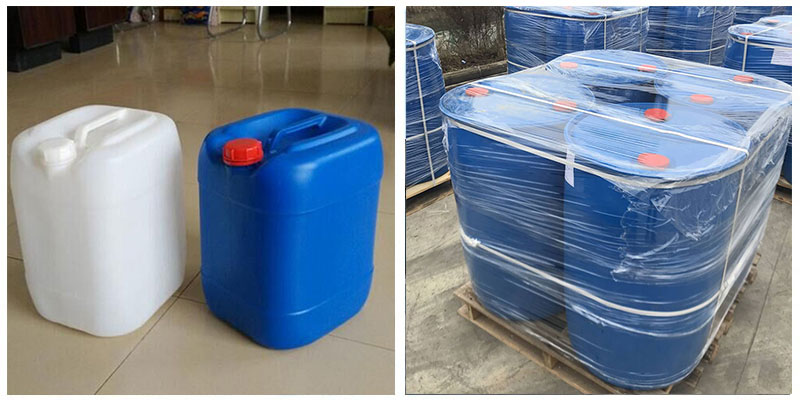
MOQ (Minimum Order Quantity): 1 FCL (Full Container Load)
Appearance: Light Yellow Liquid
Linoleic acid CAS#60-33-3
Linoleic acid is named cis-9, 12-octadecadienoic acid, can also use △ to denote double bond, thus being named △ 9, 12-octadecadienoic acid. Alternatively, it can be simply expressed as 9C, 12C-18: 2 or C18: 2.
Linoleic acid in foods is important for human body to maintain many physiological functions such as the synthesis of phospholipids and other lipid metabolism, etc., being capable f significantly lower the effect of serum cholesterol. It can correct the growth arrest, skin and hair abnormalities, abnormal serum and adipose tissue composition of experimental animals due to lack of essential fatty acids. Lack of it in human beings can affect cell membrane function. Lack in infants can cause eczema. It is currently the major unsaturated fatty acids used to prevent and treat hyperlipidemia. Plant fat is the main source of linoleic acid, of which soybean oil, corn oil and cottonseed oil content is particularly rich. The content in vegetable oil (except palm oil), fish fat and poultry fat is also high. It is generally recommended that the amount of dietary linoleic acid should be equivalent to more than 2% to 3% of the total dietary calories.
Linoleic acid Chemical Properties |
Melting point | -5 °C (lit.) |
Boiling point | 229-230 °C/16 mmHg (lit.) |
density | 0.902 g/mL at 25 °C (lit.) |
FEMA | 3380 | 9,12-OCTADECADIENOIC ACID (48%) AND 9,12,15-OCTADECATRIENOIC ACID (52%) |
refractive index | n |
Fp | >230 °F |
storage temp. | Store below +30°C. |
solubility | NaOH: soluble1M |
pka | 4.77(at 25℃) |
form | liquid |
color | Clear yellow |
Odor | faint fatty |
biological source | plant oil (safflower) |
Water Solubility | INSOLUBLE |
FreezingPoint | -5℃ |
λmax | 270nm(H2O)(lit.) |
Sensitive | Air Sensitive |
Merck | 14,5505 |
JECFA Number | 332 |
BRN | 1727101 |
Dielectric constant | 2.6(0℃) |
Stability: | Stable, but air and light sensitive. Combustible. Incompatible with strong oxidizing agents. |
Major Application | flavors and fragrances |
Cosmetics Ingredients Functions | SKIN CONDITIONING - EMOLLIENT |
Cosmetic Ingredient Review (CIR) | Linoleic acid (60-33-3) |
InChI | 1S/C18H32O2/c1-2-3-4-5-6-7-8-9-10-11-12-13-14-15-16-17-18(19)20/h6-7,9-10H,2-5,8,11-17H2,1H3,(H,19,20)/b7-6-,10-9- |
InChIKey | OYHQOLUKZRVURQ-KQHSAVHASA-N |
SMILES | OC(CCCCCCC/C=C\C/C=C\CCCCC)=O |
LogP | 7.050 |
CAS DataBase Reference | 60-33-3(CAS DataBase Reference) |
NIST Chemistry Reference | 9,12-Octadecadienoic acid (Z,Z)-(60-33-3) |
EPA Substance Registry System | Linoleic acid (60-33-3) |
Safety Information |
Hazard Codes | Xi |
Risk Statements | 36-36/37/38 |
Safety Statements | 26-24/25-36-37/39 |
RIDADR | UN1170 - class 3 - PG 2 - Ethanol |
WGK Germany | 1 |
RTECS | RF9990000 |
F | 8-10-23 |
TSCA | TSCA listed |
HS Code | 29161500 |
Storage Class | 10 - Combustible liquids |
Hazardous Substances Data | 60-33-3(Hazardous Substances Data) |
Toxicity | LD50 oral in mouse: > 50gm/kg |
Product Application of Linoleic acid CAS#60-33-3
Linoleic acid is an essential ω-6 polyunsaturated fatty acid (PUFA). It is the most abundant PUFA in a variety of foods, and dietary sources of linoleic acid include vegetable oils, meats, nuts, seeds, and eggs. Linoleic acid (30 μM) increases migration of IEC-6 rat intestinal epithelial cells in a wound healing assay. Rats fed a linoleate-deficient diet exhibit decreased body weight and an increased ratio of eicosatrienoate to arachidonate in liver and serum phospholipids compared with rats fed a control diet, as well as mild scaling of forepaw skin.
Factory and Equipment Show
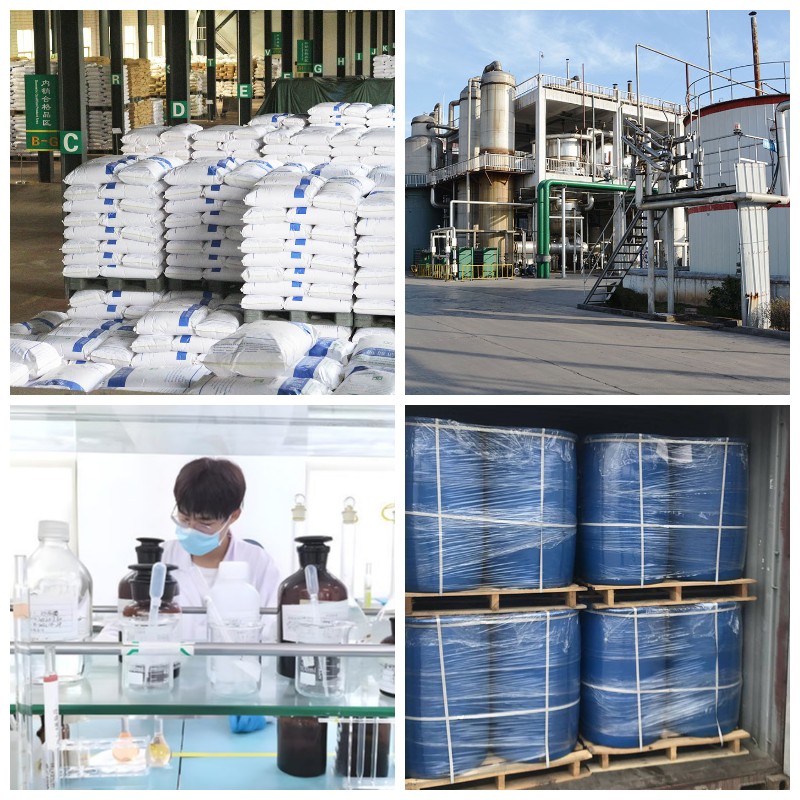
Fast delivery time
Inventory 2-3 working days New production 7-10 working days