Español
 العربية
 Francés
 Русский
 Português
 Deutsch
 Italiano
 Kazakh
 Uzbek
Uzbek

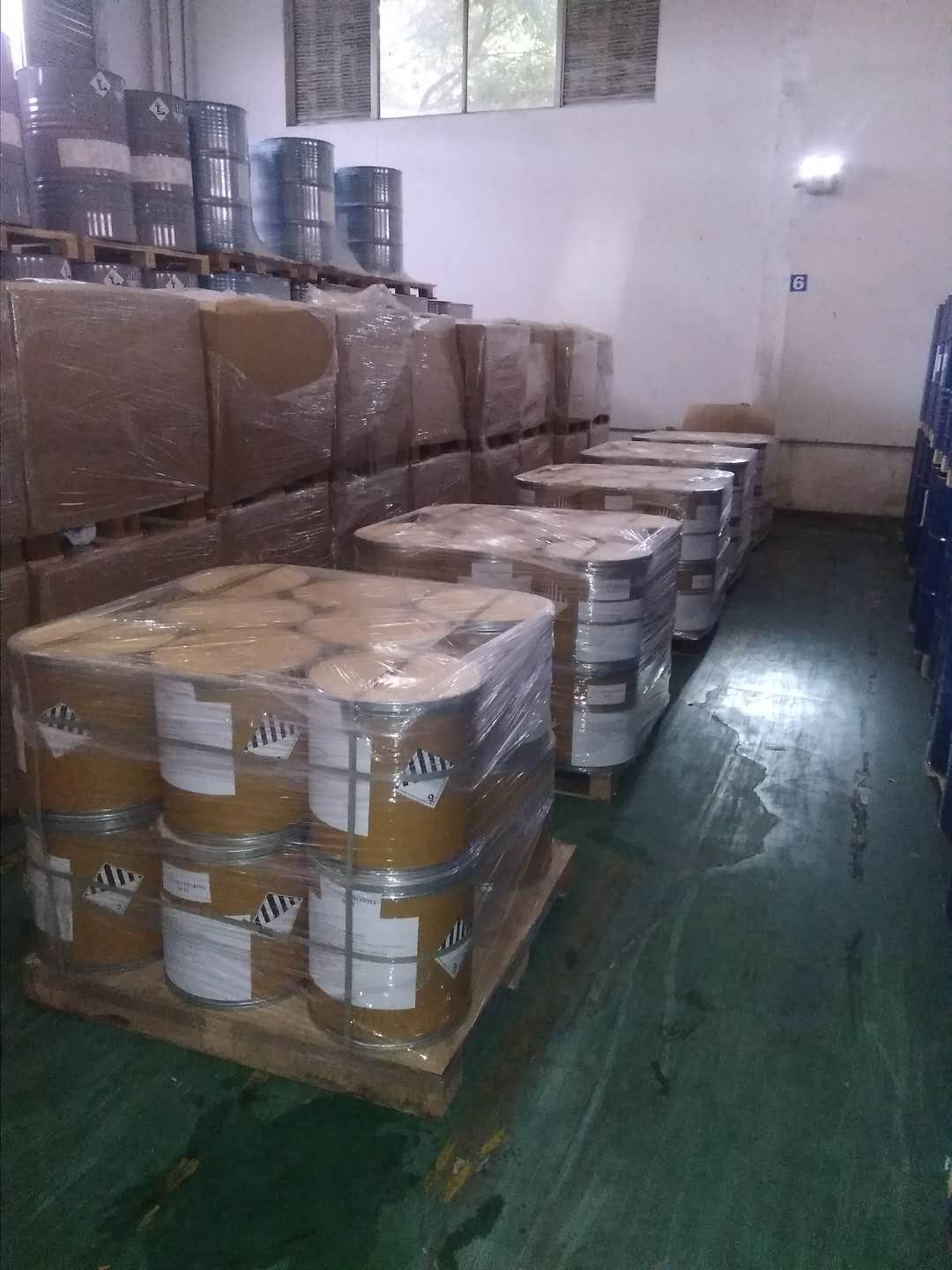
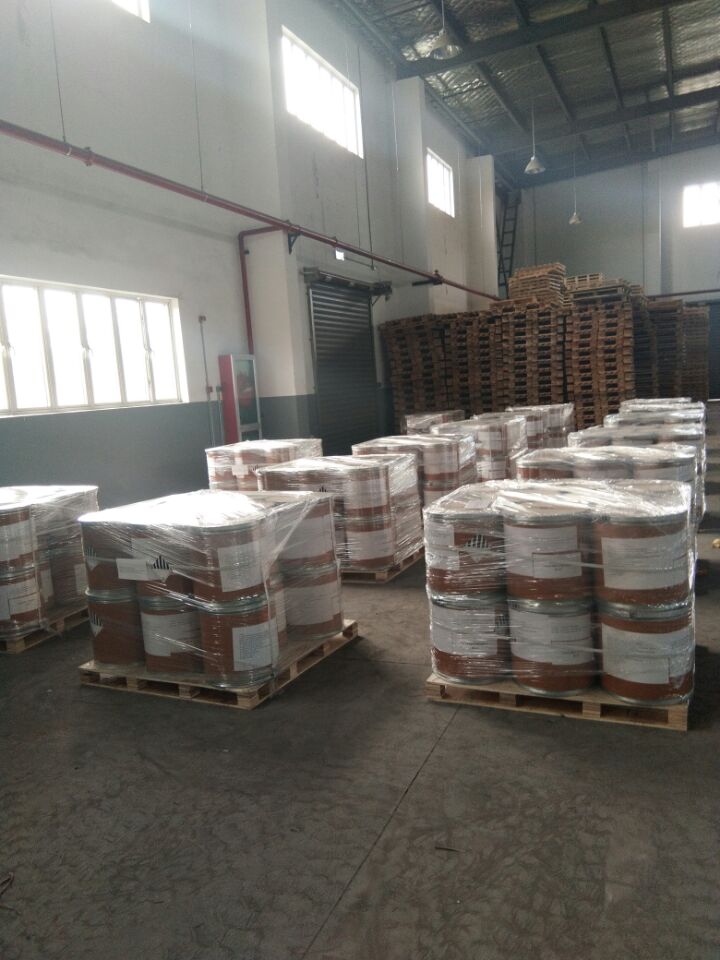
L-carnitine CAS#541-15-1
CAS Number: 541-15-1
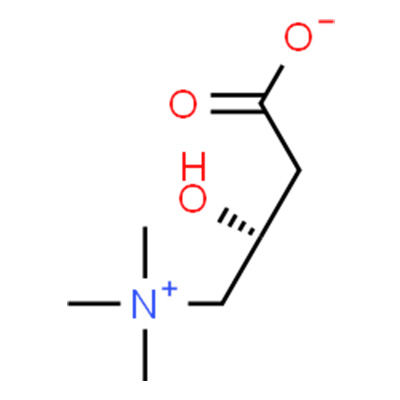
Chemical Formula: C7H15NO3
Synonyms:
CARNITINE, L-
(R)-3-HYDROXY-4-(TRIMETHYLAMMONIO)BUTYRATE
L-Carnitine Tartrate,L-carnitine,Vitamin BT,L-ca greatrnitine,L-ctheirrnitine
MOQ (Minimum Order Quantity): 1 FCL (Full Container Load)
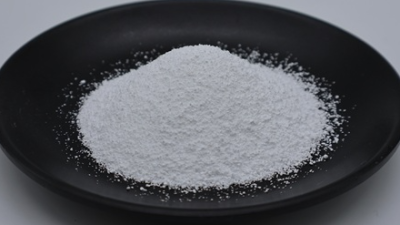
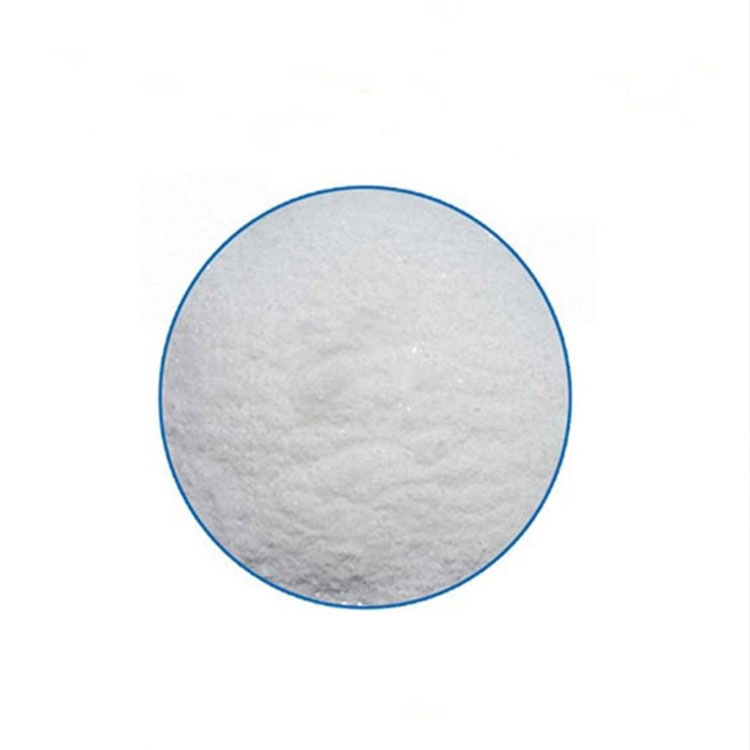
Appearance: White Solid
L-carnitine CAS#541-15-1
L-carnitine, also known as L-carnitine and vitamin BT, the chemical formula is C7H15NO3, the chemical name is (R)-3-carboxyl-2-hydroxy-n, N, n-trimethylammonium propionate hydroxide internal salt, and the representative drug is L-carnitine. It is a kind of amino acid that promotes the conversion of fat into energy. The pure product is white crystal or white transparent fine powder. It is very soluble in water, ethanol and methanol, slightly soluble in acetone, and insoluble in ether, benzene, chloroform and ethyl acetate. L-carnitine is easy to absorb moisture, has good water solubility and water absorption, and can withstand high temperatures above 200 ℃. It has no toxic and side effects on human body. Red meat is the main source of L-carnitine, which can also be synthesized by human body to meet physiological needs. It is not a real vitamin, but a substance similar to vitamins. It has many physiological functions such as fat oxidative decomposition, weight loss and anti fatigue. As a food additive, it is widely used in infant food, weight loss food, athlete food, nutritional supplements for the middle-aged and elderly, nutritional fortifiers for vegetarians and animal feed additives. |
L-carnitine Chemical Properties |
Melting point | 197-212 °C(lit.) |
alpha | -31 º (c=10, H2O) |
Boiling point | 287.5°C (rough estimate) |
bulk density | 636kg/m3 |
density | 0.64 g/cm3 |
refractive index | -32 ° (C=1, H2O) |
storage temp. | Store below +30°C. |
solubility | H2O: 0.1 g/mL at 20 °C, clear, colorless |
pka | 3.80(at 25℃) |
form | Crystals or Crystalline Powder |
color | White |
Appearance | white powder |
PH | 6.5-8.5 (50g/l, H2O) |
Optical Rotation | L -23.930 (c 0.86, H2O)D +30.9 |
biological source | synthetic |
Water Solubility | 2500 g/L (20 ºC) |
Merck | 14,1849 |
BRN | 4292315 |
Stability: | Hygroscopic |
Major Application | cell analysis |
Cosmetics Ingredients Functions | CLEANSING |
Cosmetic Ingredient Review (CIR) | L-carnitine (541-15-1) |
InChI | 1S/C7H15NO3/c1-8(2,3)5-6(9)4-7(10)11/h6,9H,4-5H2,1-3H3/t6-/m1/s1 |
InChIKey | PHIQHXFUZVPYII-ZCFIWIBFSA-N |
SMILES | C[N+](C)(C)C[C@H](O)CC([O-])=O |
LogP | -5.48 at 20℃ |
CAS DataBase Reference | 541-15-1(CAS DataBase Reference) |
Safety Information |
Hazard Codes | Xi |
Risk Statements | 36/37/38 |
Safety Statements | 26-36-37/39 |
WGK Germany | 3 |
RTECS | BP2980000 |
F | 3-10 |
Autoignition Temperature | >365 °C |
Hazard Note | Irritant |
HS Code | 29239000 |
Storage Class | 11 - Combustible Solids |
Hazardous Substances Data | 541-15-1(Hazardous Substances Data) |
Toxicity | LD50 orally in Rabbit: > 5000 mg/kg |
Product Application Of L-carnitine CAS#541-15-1
Essential cofactor of fatty acid metabolism; required for the transport of fatty acids through the inner mitochondrial membrane. Synthetized primarily in the liver and kidney; highest concentrations f ound in heart and skeletal muscle. Dietary sources include red meat, dairy products, beans, avocado.
Fact Factory and Equipment Show
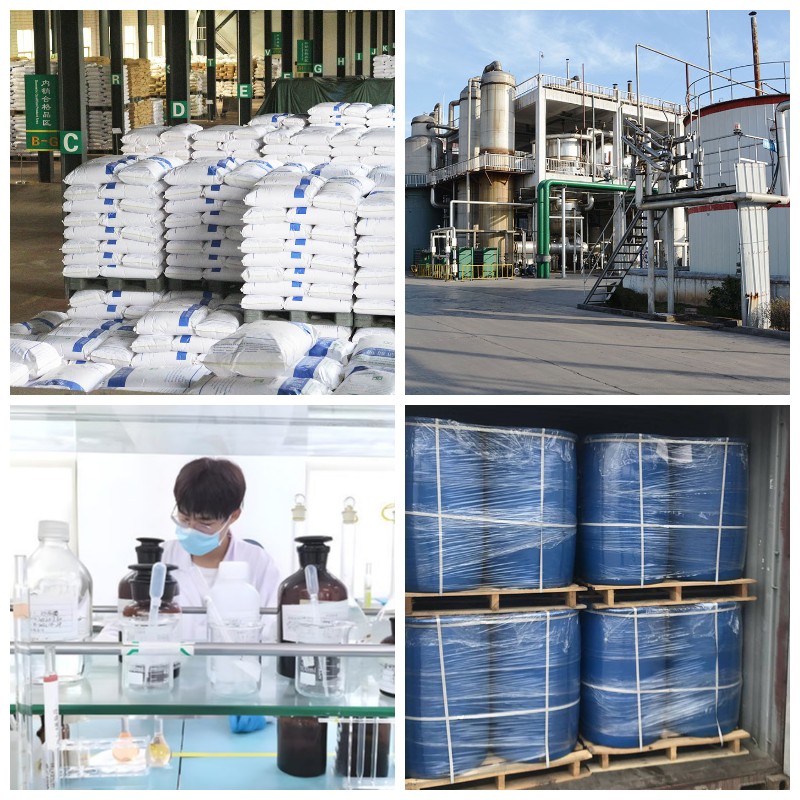
Fast delivery time
Inventory 2-3 working days New production 7-10 working days