Español
 العربية
 Francés
 Русский
 Português
 Deutsch
 Italiano
 Kazakh
 Uzbek
Uzbek

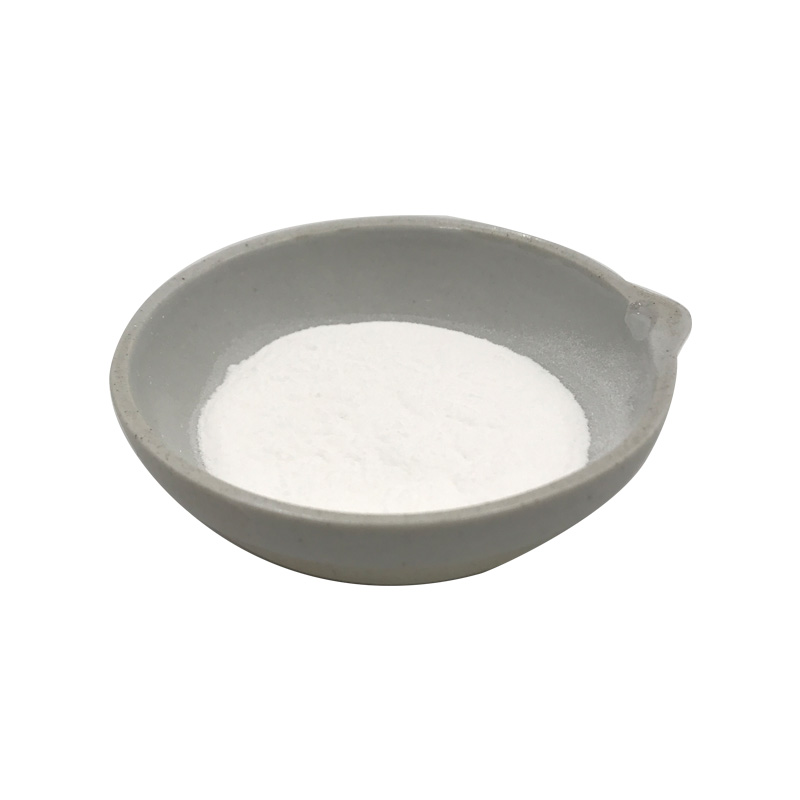
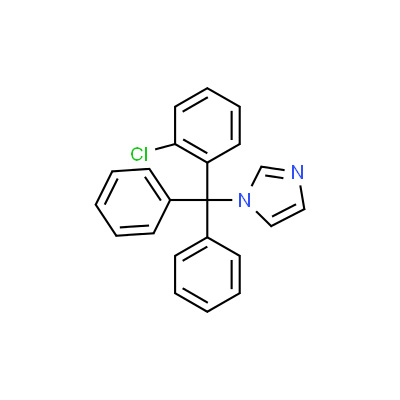
Clotrimazole CAS#23593-75-1
CAS Number: 23593-75-1
Chemical Formula: C22H17ClN2
Synonyms:
myclo
(2-Chlorophenyl)diphenyl-1-imidazolylmethane
1-(o-Chloro-α,α-diphenylbenzyl)imidazole
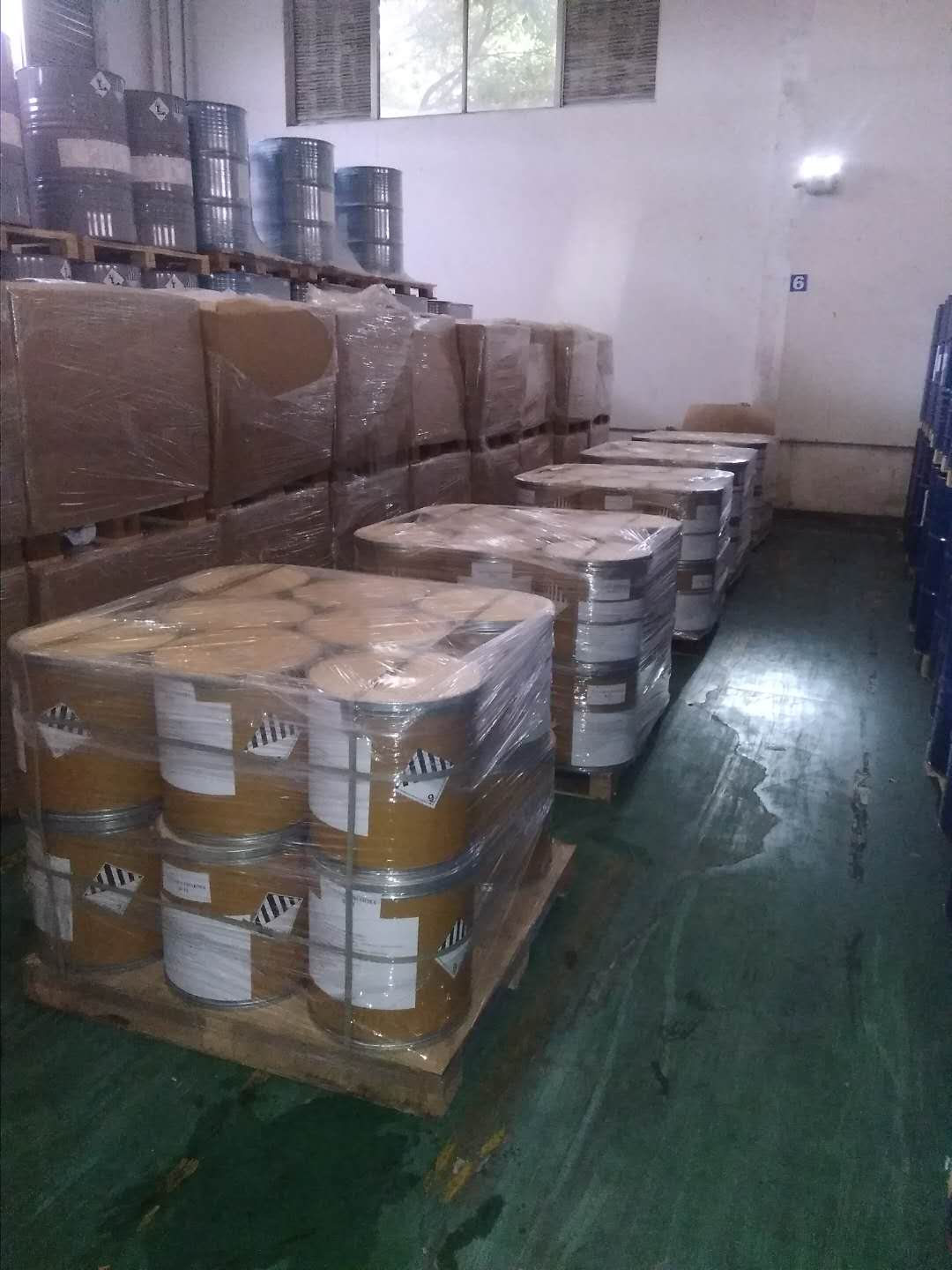
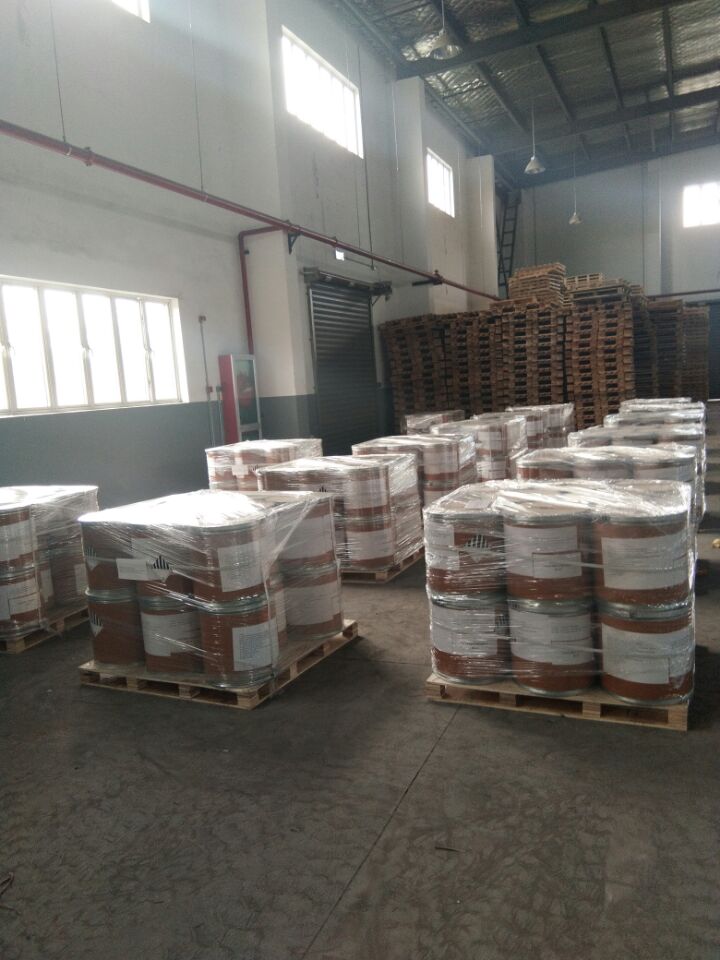
MOQ (Minimum Order Quantity): 1 FCL (Full Container Load)
Appearance: White Powder
Clotrimazole CAS#23593-75-1
Clotrimazole is an imidazole antifungal that is active against a wide variety of fungal forms and is effective in many types of fungal infections. It tightly binds sterol 14-
Clotrimazole Chemical Properties |
Melting point | 147-149°C |
Boiling point | 501.14°C (rough estimate) |
density | 1.1095 (rough estimate) |
refractive index | 1.5940 (estimate) |
storage temp. | 2-8°C |
solubility | Soluble in chloroform, DMSO, DMF and alcohols |
pka | pKa 4.7(EtOH 50%aq ) (Uncertain) |
form | Solid |
color | White to Almost white |
Water Solubility | <10mg/L(25 ºC) |
λmax | 556nm(Phosphate buffer sol.)(lit.) |
Merck | 14,2417 |
Major Application | pharmaceutical |
Cosmetics Ingredients Functions | ANTIMICROBIAL |
InChI | InChI=1S/C22H17ClN2/c23-21-14-8-7-13-20(21)22(25-16-15-24-17-25,18-9-3-1-4-10-18)19-11-5-2-6-12-19/h1-17H |
InChIKey | VNFPBHJOKIVQEB-UHFFFAOYSA-N |
SMILES | C1N(C(C2=CC=CC=C2Cl)(C2=CC=CC=C2)C2=CC=CC=C2)C=CN=1 |
NIST Chemistry Reference | Clotrimazole(23593-75-1) |
Safety Information |
Hazard Codes | Xn |
Risk Statements | 22-36/38 |
Safety Statements | 26-36 |
WGK Germany | 3 |
RTECS | NI4377000 |
HS Code | 29332900 |
Storage Class | 11 - Combustible Solids |
Hazard Classifications | Acute Tox. 4 Oral |
Hazardous Substances Data | 23593-75-1(Hazardous Substances Data) |
Toxicity | LD50 in male mice, rats (mg/kg): 923, 708 orally (Tettenborn) |
Product Application Of Clotrimazole CAS#23593-75-1
Clinical topical usage of 1% clotrimazole cream or solution for treating candidiasis ringworm, tinea versicolor, athlete's foot, nail ringworm and other skin infections. Clotrimazole vaginal tablets (100mg) administration can be used for treating candidiasis and trichomoniasis vaginal infections. Side effects include local irritation and burning sensations. Oral administration can be used for the treatment of deep fungal infection but with serious side effects such as gastrointestinal irritation, neutropenia, and liver function abnormalities.
1. Oral administration: (1) can be used for the treatment of oropharyngeal candidiasis. (2) it can also be used for chemotherapy and the prevention of the oropharynegeal candidiasis infection of immunocompromised or defect patients.
2. Topical: (1) skin candidiasis. (2) Tinea, jork itch and ringworm caused by Trichophyton, Epidermophyton and small spores; tinea versicolor caused by Pityrosporum.
3. Vaginal administration: (1) Vaginitis induced by Candida or other fungi. (2) vaginal infection caused by yeast. (3) Vagina super-infection caused by susceptible strains of the drug.
The above information is edited by the chemicalbook of Dai Xiongfeng.
Fact Factory and Equipment Show
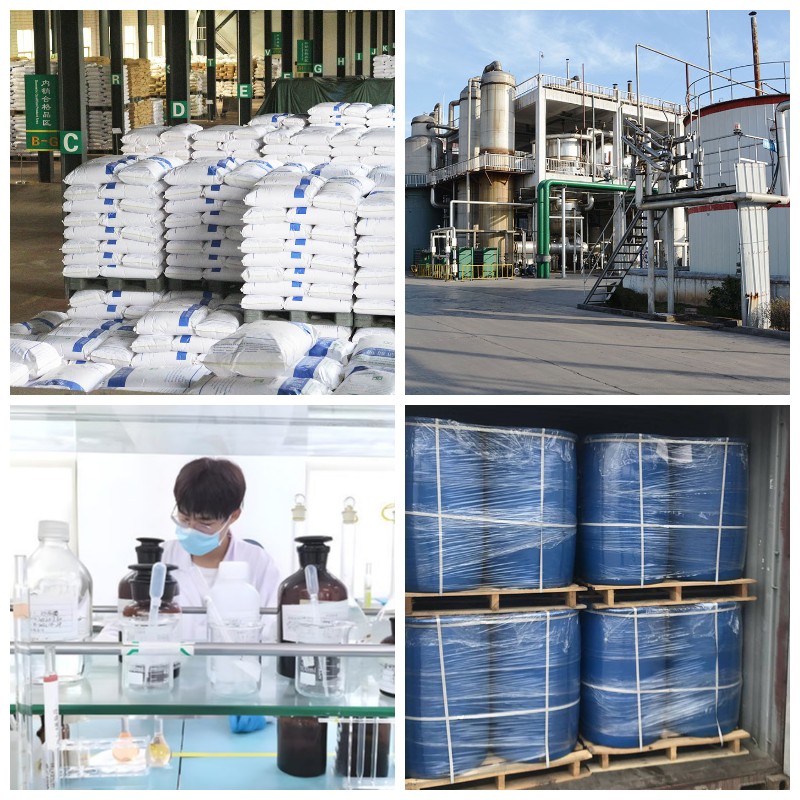
Fast delivery time
Inventory 2-3 working days New production 7-10 working days