Español
 العربية
 Francés
 Русский
 Português
 Deutsch
 Italiano
 Kazakh
 Uzbek
Uzbek

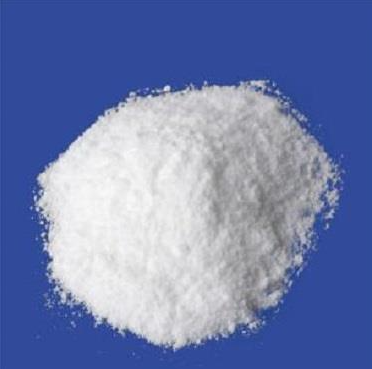
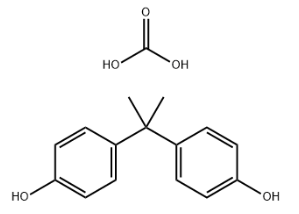

Polycarbonate CAS#25037-45-0
CAS Number: 25037-45-0
Chemical Formula: C16H18O5
Synonyms:
POLYCARBONATE STANDARD 30'600, FOR GPC
POLYCARBONATE STANDARD 3'860 FOR GPC
POLYCARBONATE RESIN, SECONDARY STANDARD, MOLECULAR WEIGHT SERIES
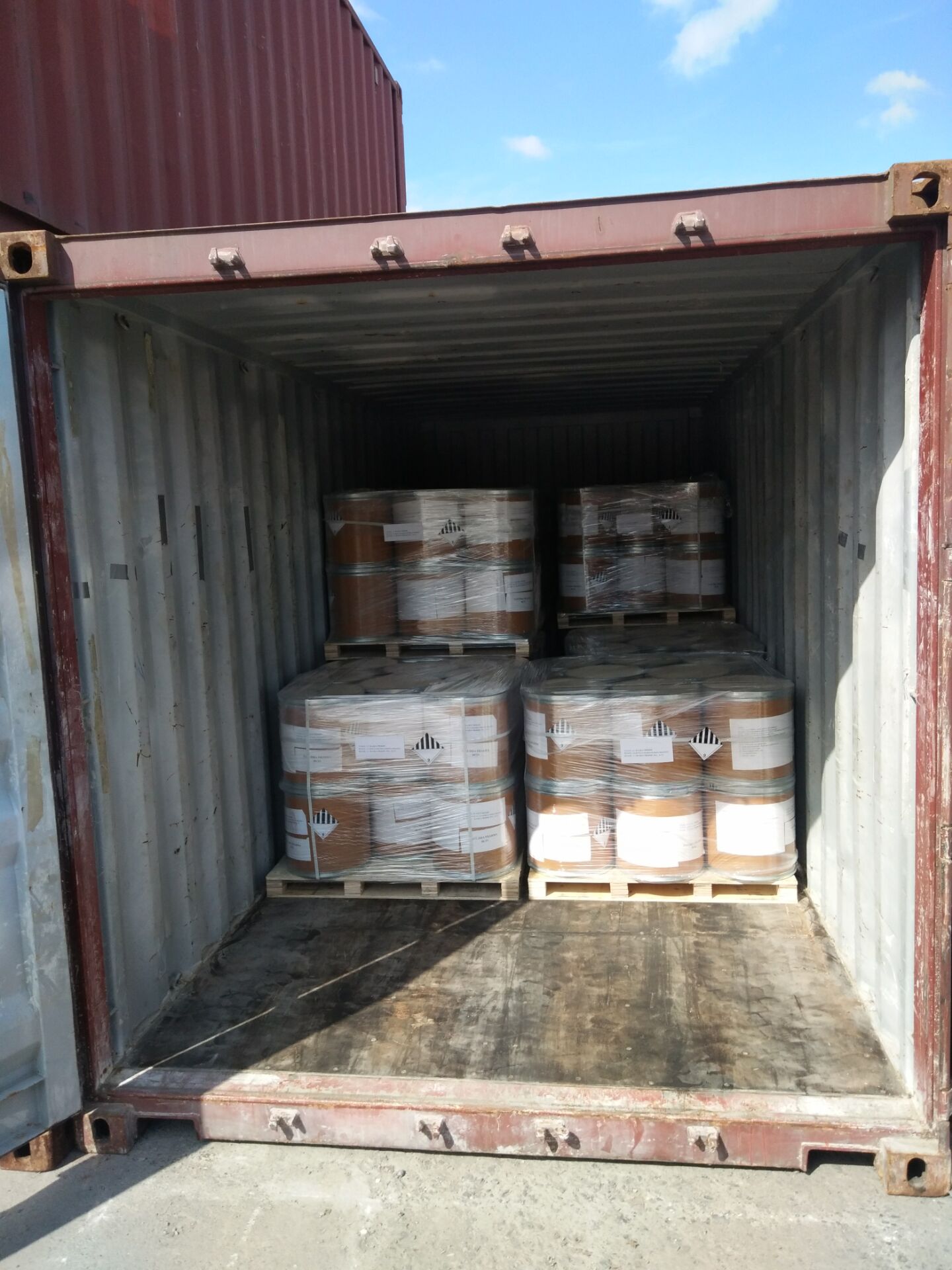
MOQ (Minimum Order Quantity): 1 FCL (Full Container Load)
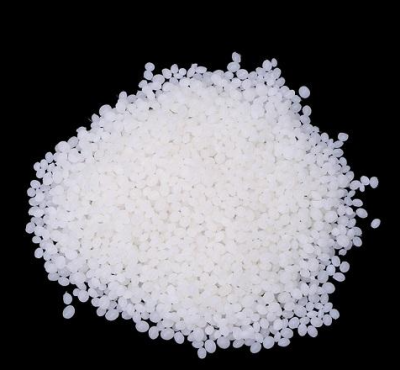
Appearance: White Powder
Polycarbonate CAS#25037-45-0
Polycarbonate is a polyester in which dihydric (or polyhydric) phenols are joined through carbonate linkages. The general-purpose type of polycarbonate is based on 2,2-bis(4'-hydroxybenzene)propane (bisphenol A) and has the general structure: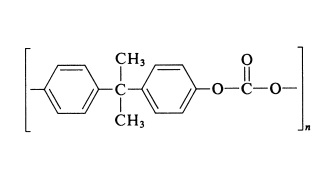
Polycarbonates are the toughest of all thermoplastics. They are window-clear, amazingly strong and rigid, autoclavable, and nontoxic. They have a brittleness temperature of 135℃. Bisphenol A polycarbonate has good oxidative stability, largely because of the absence of secondary and tertiary carbon atoms. The polymer is stable in air up to 150℃ over long periods; at higher temperatures some oxidation and cross-linking occur. Ultraviolet light is strongly absorbed by the polycarbonate and causes crazing and degradation. However, such effects are restricted to the surface and in-depth deterioration does not occur. Thus, whilst film may become brittle on weathering, moulded parts are not seriously affected.
Bisphenol A polycarbonate may be melt-processed by all of the standard techniques although its melt-viscosity is rather high. Despite its fairly high cost, the polymer has found a wide variety of uses. The largest application is in the electronics/business machine field for such parts as connectors, terminals and covers. An important new application is for compact discs. Other uses include glazing, safety glasses, medical devices and domestic appliance housing.
Polycarbonate Chemical Properties |
Melting point | 220~230℃ |
density | 1.2 g/mL at 25 °C(lit.) |
refractive index | n |
solubility | chlorinated solvents: soluble |
form | tubes |
color | clear |
Dielectric constant | 2.9(Ambient) |
EPA Substance Registry System | Carbonic acid, polymer with 4,4'-(1-methylethylidene)bis[phenol] (25037-45-0) |
Safety Information |
WGK Germany | 3 |
Product Application of Polycarbonate CAS#25037-45-0
Polycarbonates are plastics widely used in modern industry having good temperature and impact resistance. This plastic is particularly good to work with more conventional definition techniques (injection molding, extrusion into tubes or cylinders and thermoforming). It is also used when optical transparency is needed, having more than 80% transmission up to the 1560-nm range (short wave infrared range). It has moderated chemical resistance properties, being chemically resistant to diluted acids and alcohols. It is poorly resistant against ketones, halogens, and concentrated acids. The major disadvantage associated with polycarbonates is the low glass transition temperature (Tg> 40°C), but it is still largely used as low-cost material in microfluidic systems and also as a sacrificial layer.
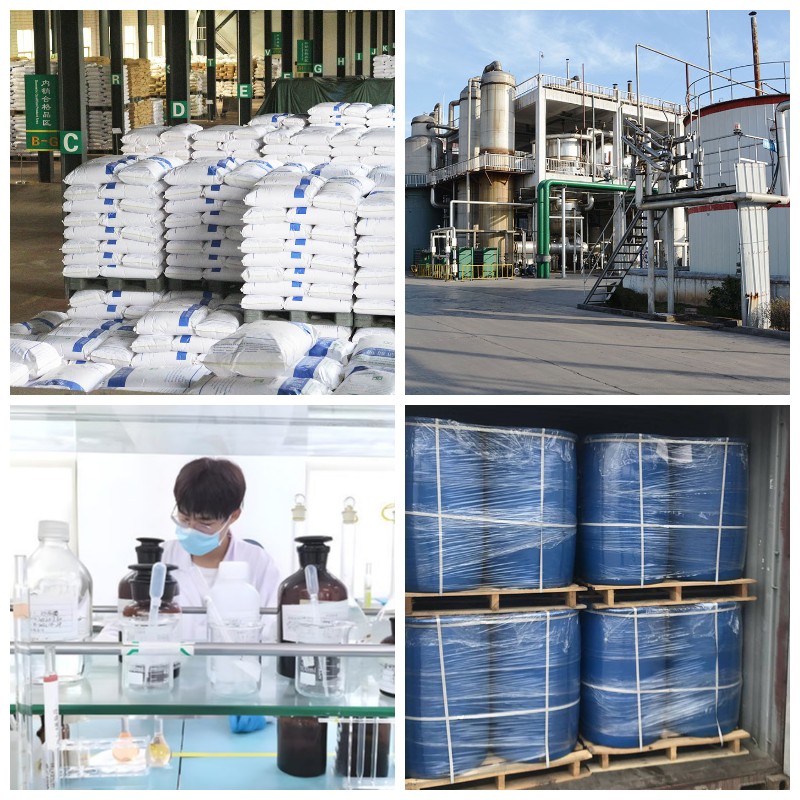
Factory and Equipment Show
Fast delivery time
Inventory 2-3 working days New production 7-10 working days