Español
 العربية
 Francés
 Русский
 Português
 Deutsch
 Italiano
 Kazakh
 Uzbek
Uzbek

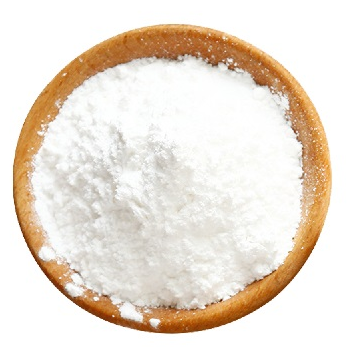
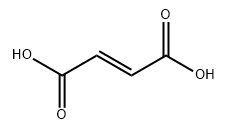
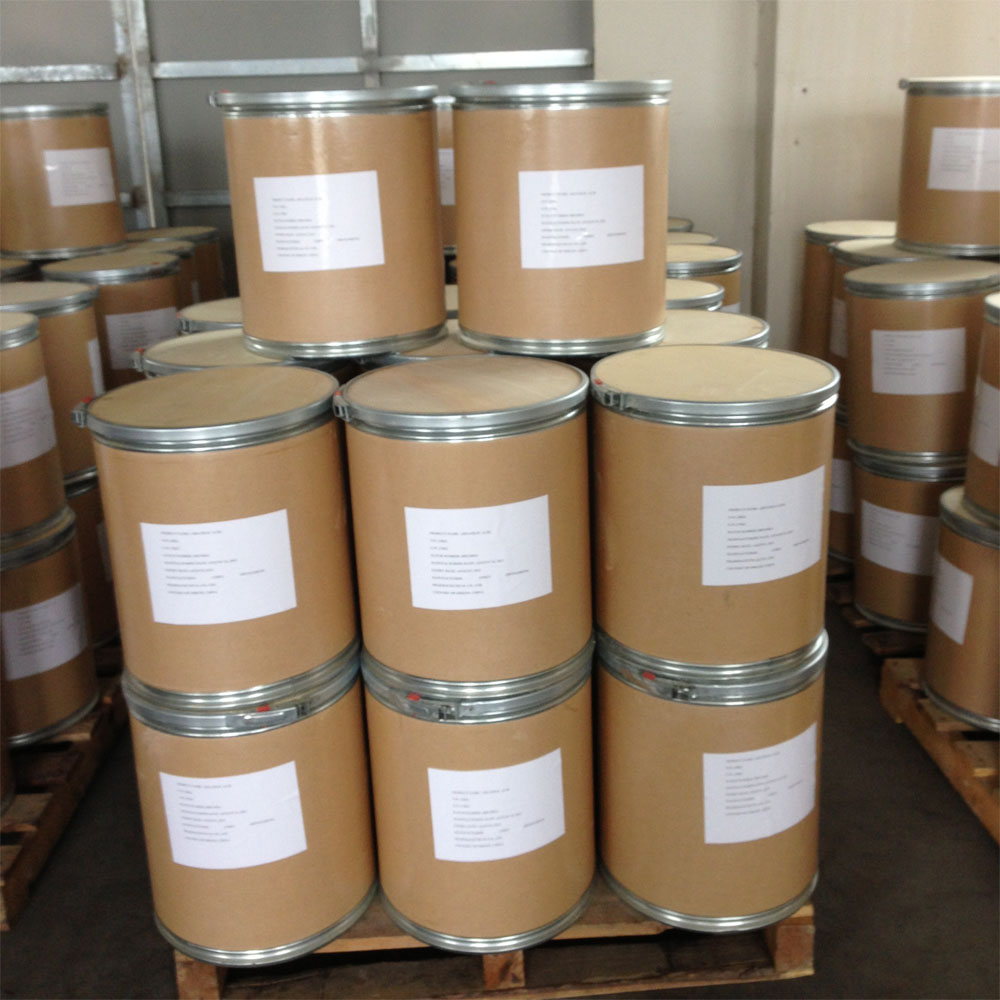
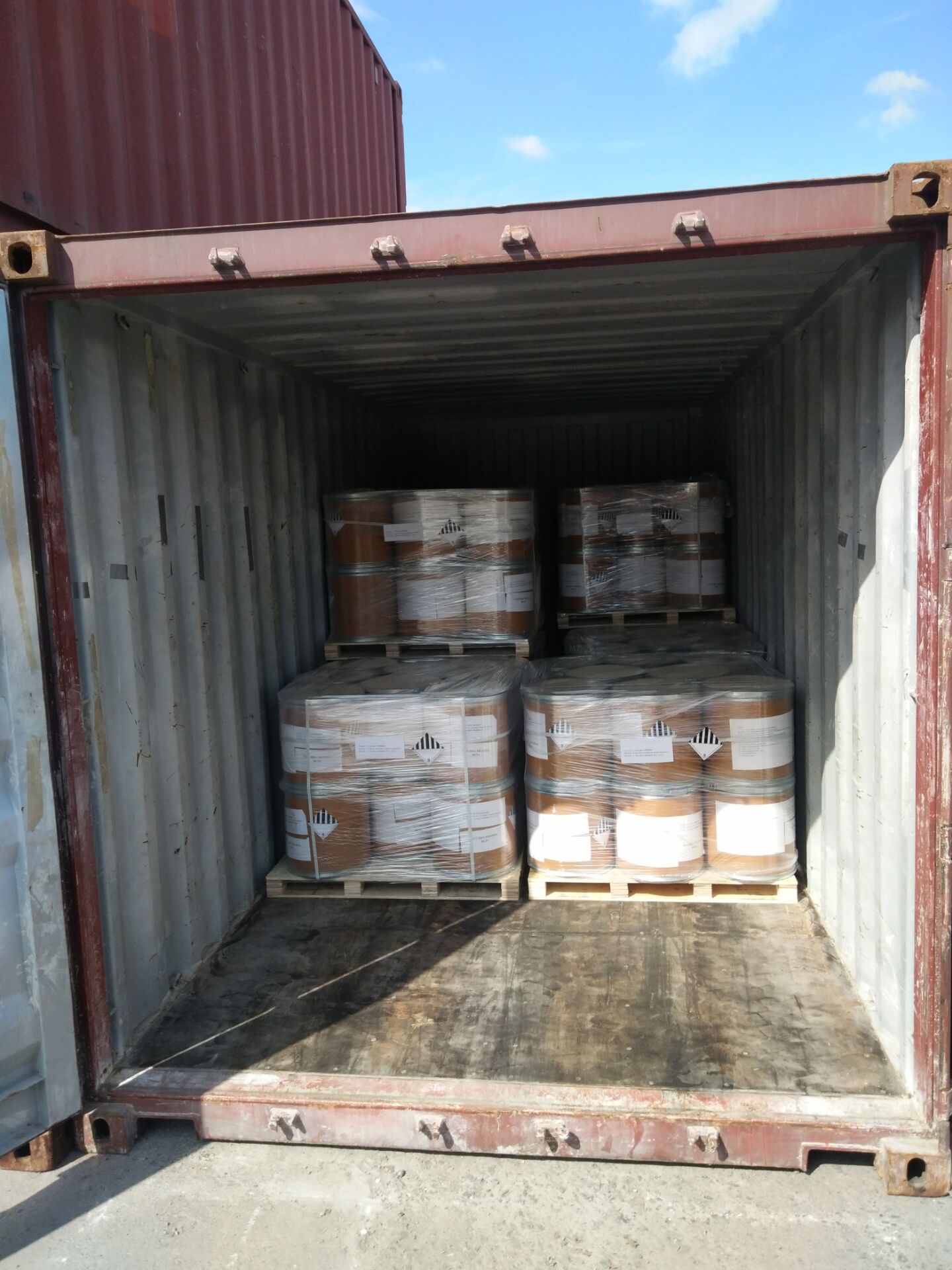
Fumaric acid CAS#110-17-8
CAS Number: 110-17-8
Chemical Formula: C4H4O4
Synonyms:
ACIDUM FUMARICUM
RARECHEM AL BO 0142
TRANS-1,2-ETHYLENTRICARBOXYLIC ACID
MOQ (Minimum Order Quantity): 1 FCL (Full Container Load)
Appearance: White Powder
Fumaric acid CAS#110-17-8
Fumaric acid is an important kind of organic chemical raw materials as well as the intermediate of fine chemical products. Meanwhile, it is also an important kind of derivatives of maleic anhydride, being widely used in food, coatings, resins and plasticizers. In the food industry, fumaric acid, used as souring agent, can be applied to soft drinks, western-style wine, cold drinks, fruit juice concentrate, canned fruit, pickles and ice cream. As an acidic substance used as solid beverage gas production agent, it has excellent bubble durability with delicate product organization.
Fumaric acid has been used as a food acidulant since 1946. As a food additive, it is used as an acidity regulator and can be denoted by the E number E297. Chemically it is an unsaturated dicarbonic acid and is part of the citric acid cycle.
Fumaric acid is a common food additive included in many processed foods to keep them stable and to add tartness. The substance has a more sour flavor than citric acid, another common food additive. Fumaric acid occurs naturally in fumitory, bolete mushrooms, lichen and Iceland moss. As an additive, fumaric acid is produced synthetically, mainly from malic acid from apples. Fumaric acid as an additive is regulated under the Codex Alimentarius General Standard for Food Additives (GSFA), a collection of internationally recognized standards.The U.S. Food and Drug Administration considers it safe.
Fumaric acid Chemical Properties |
Melting point | 298-300 °C (subl.) (lit.) |
Boiling point | 137.07°C (rough estimate) |
density | 1.62 |
vapor pressure | 1.7 mm Hg ( 165 °C) |
refractive index | 1.5260 (estimate) |
FEMA | 2488 | FUMARIC ACID |
Fp | 230 °C |
storage temp. | Store below +30°C. |
solubility | 95% ethanol: soluble0.46g/10 mL, clear, colorless |
pka | 3.02, 4.38(at 25℃) |
form | Fine Crystalline Powder |
color | White |
PH | 3.19(1 mM solution);2.57(10 mM solution);2.03(100 mM solution); |
Odor | odorless |
Odor Type | odorless |
biological source | synthetic |
explosive limit | 40% |
Water Solubility | 0.63 g/100 mL (25 ºC) |
Merck | 14,4287 |
JECFA Number | 618 |
BRN | 605763 |
Stability: | Stable at room temperature. Decomposes at around 230 C. Incompatible with strong oxidizing agents, bases, reducing agents. Combustible. |
Cosmetics Ingredients Functions | BUFFERING |
InChIKey | VZCYOOQTPOCHFL-OWOJBTEDSA-N |
LogP | -4.02 at 20℃ |
CAS DataBase Reference | 110-17-8(CAS DataBase Reference) |
NIST Chemistry Reference | Fumaric acid(110-17-8) |
EPA Substance Registry System | Fumaric acid (110-17-8) |
Safety Information |
Hazard Codes | Xi |
Risk Statements | 36 |
Safety Statements | 26 |
RIDADR | UN 9126 |
WGK Germany | 1 |
RTECS | LS9625000 |
Autoignition Temperature | 375 °C |
TSCA | Yes |
HS Code | 29171900 |
Hazardous Substances Data | 110-17-8(Hazardous Substances Data) |
Toxicity | LD50 orally in Rabbit: 9300 mg/kg LD50 dermal Rabbit 20000 mg/kg |
Product Application of Fumaric acid CAS#110-17-8
Fumaric acid is used for the production of unsaturated polyester resin. This kind of resin is characterized by excellent resistance to chemical corrosion as well as heat resistance; the copolymer of fumaric acid and vinyl acetate is a kind of excellent adhesive. Its copolymer with styrene copolymer is the raw material for the manufacture of glass fiber. The plasticizer of the fumaric acid is non-toxic and can be applied to the vinyl acetate latex contact with food. This product is the intermediate of pharmaceutical and optical bleaching agents and other fine chemicals. Neutralization of fumaric acid with sodium carbonate can generate sodium fumarate ([17013-01-3]), and then replaced with ferrous sulfate to get iron fumarate, being the drug Fersamal used for the treatment of small red blood cell anemic. The product, as a food additive-sourness agent, used in soft drinks, fruit sugar, jelly, ice cream with most of them used in combination with sourness agent, citric acid. The monosidum salt made from the reaction between fumaric acid and sodium hydroxide can also used as sour seasoning, also used as the intermediate of synthetic resin and mordant.
2. Fumaric acid is included in many dairy-based products. These include dairy drinks such as chocolate milk, cocoa, eggnog, condensed milk and whey protein beverages. It also may be added to clotted cream, milk and cream powders and milk and cream analogues (substitutes). Fumaric acid is added to cheese products, including processed cheese and cheese substitutes. Dairy-based desserts, such as pudding, flavored yogurt, sherbet and sorbet may include fumaric acid as well. Dairy fat spreads and blended spreads can include fumaric acid, and so can preserved eggs and egg-based desserts such as custard.
3. Some processed and packaged foods have fumaric acid added to them to help stabilize them and enhance their flavor. For example, many processed meats, such as bacon and canned meats, have added fumaric acid. Frozen seafood, smoked meats and the edible casings around sausages might also have fumaric acid added to them. Fermented, canned, dried and processed fruits and vegetables can contain the food additive as well. Rice cakes and other precooked rice foods, dried or preserved eggs, mustard, vinegar, cider, wine and other alcoholic beverages are additional examples of foods that might contain fumaric acid.
Factory and Equipment Show
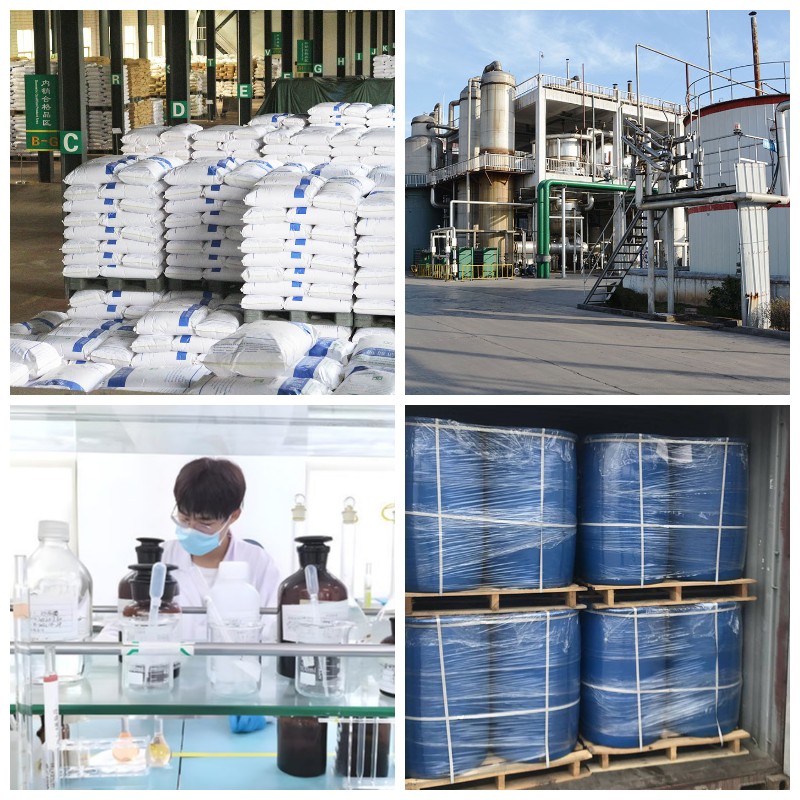
Fast delivery time
Inventory 2-3 working days New production 7-10 working days