Español
 العربية
 Francés
 Русский
 Português
 Deutsch
 Italiano
 Kazakh
 Uzbek
Uzbek

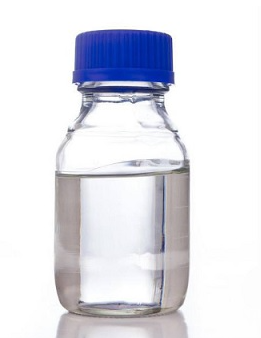
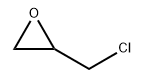
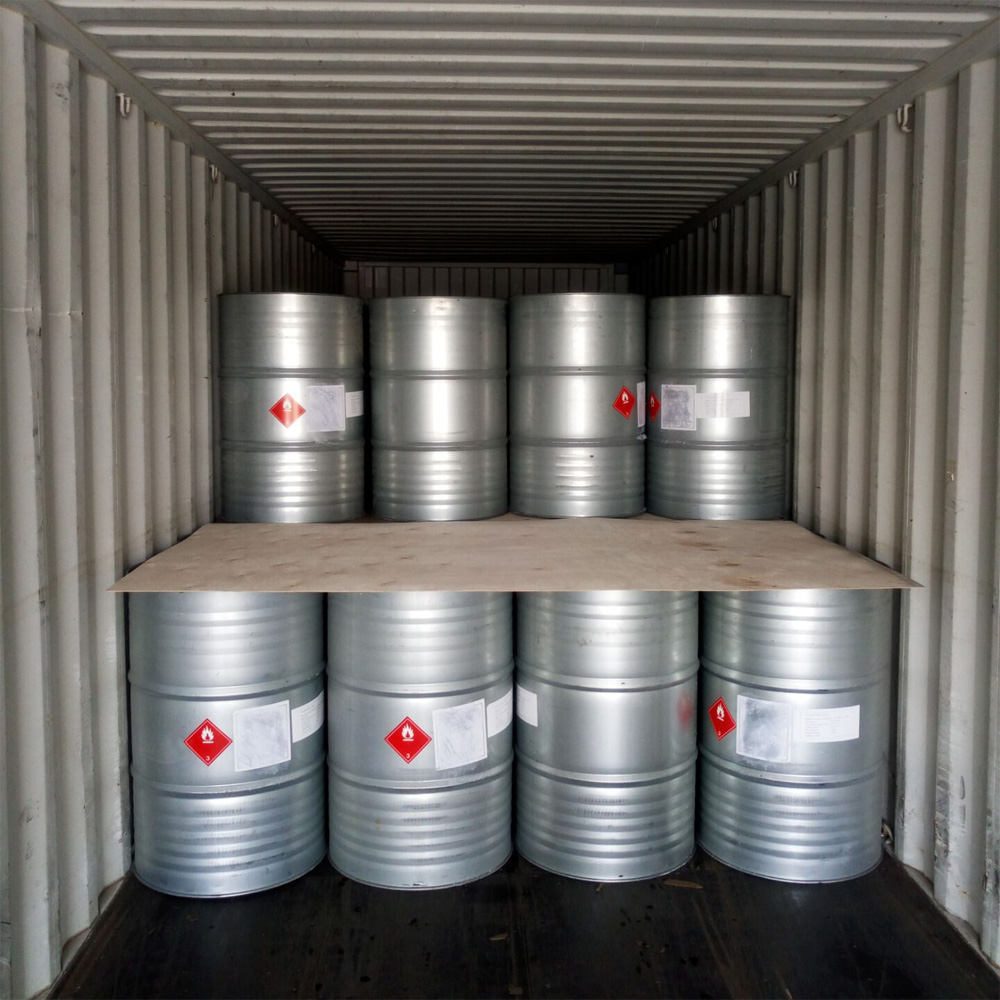
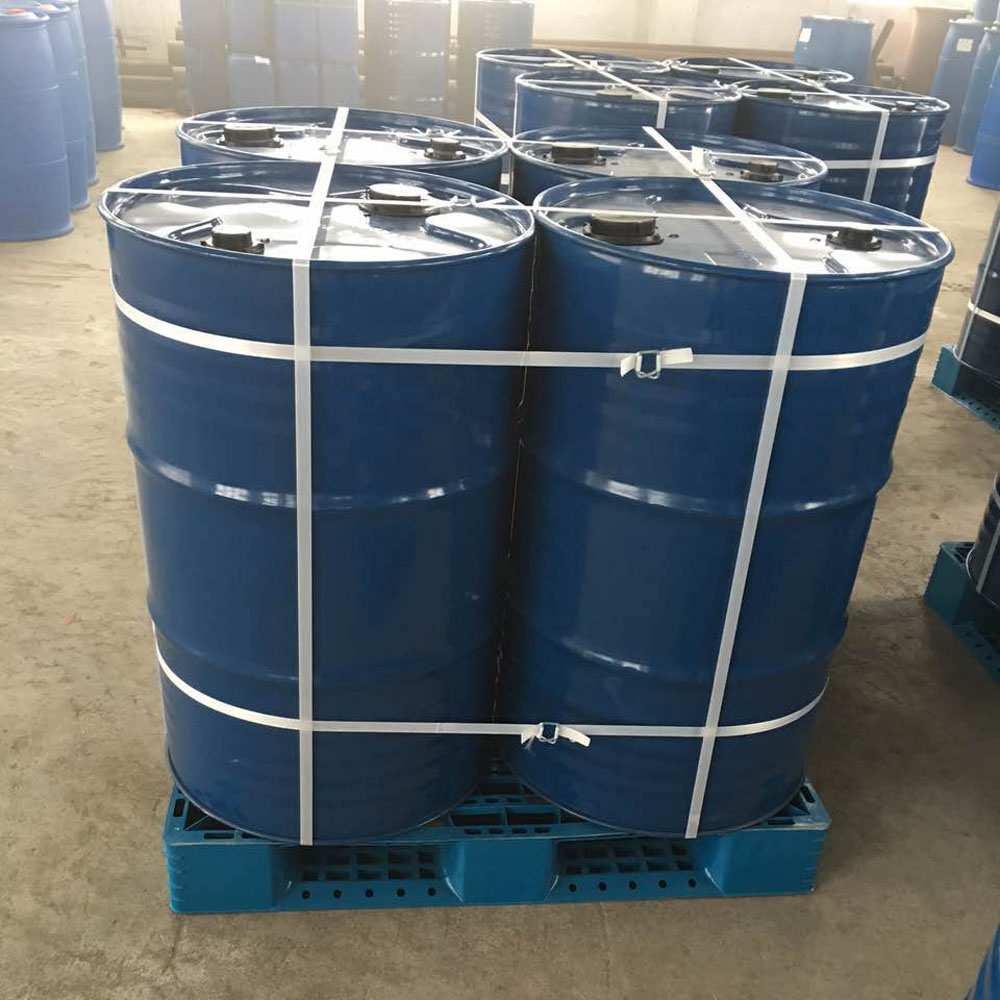
Epichlorohydrin CAS#106-89-8
CAS Number: 106-89-8
Chemical Formula: C3H5ClO
Synonyms:
(chloromethyl)ethyleneoxide
G-CHLOROPROPYLENE OXIDE
MOQ (Minimum Order Quantity): 1 FCL (Full Container Load)
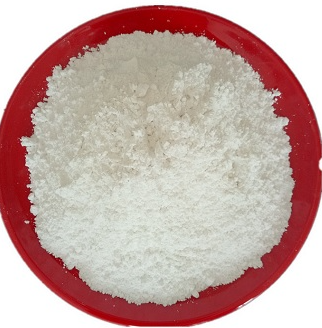
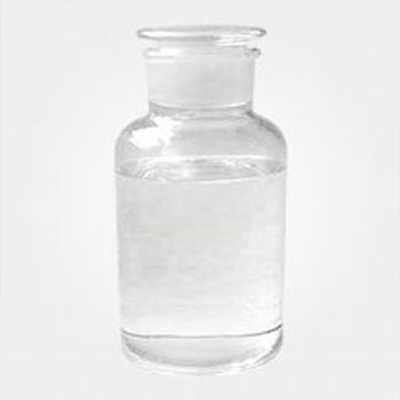
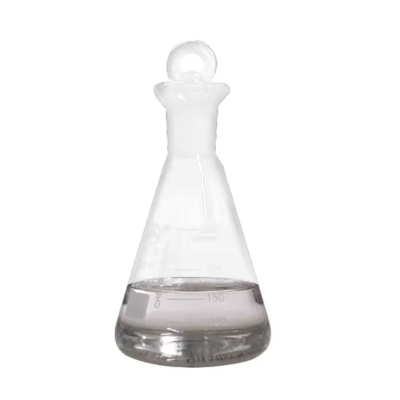
Appearance: Colorless transperant liquid
Epichlorohydrin CAS#106-89-8
Epichlorohydrin is a kind of organochlorine compound as well as epoxide. It can be used as an industrial solvent. It is a highly reactive compound, and can be used for the production of glycerol, plastics, epoxy glues and resins, and elastomers. It can also be used for the production of glycidyl nitrate and alkali chloride, used as the solvent of cellulose, resins, and paint as well as being used as an insect fumigant. In biochemistry, it can be used as a crosslinking agent for the production of Sephdex size-exclusion chromatography resins. However, it is a potential carcinogen, and can cause various kinds of side effects on respiratory tract and kidneys. It can be manufactured through the reaction between allyl chloride with hypochlorous acid as well as alcohols.
| Epichlorohydrin Chemical Properties |
| Melting point | -57 °C |
| alpha | -1~+1°(D/20℃)(c=1,CH3OH) |
| Boiling point | 115-117 °C(lit.) |
| density | 1.183 g/mL at 25 °C(lit.) |
| vapor density | 3.2 (vs air) |
| vapor pressure | 13.8 mm Hg ( 21.1 °C) |
| refractive index | n |
| Fp | 93 °F |
| storage temp. | Store below +30°C. |
| solubility | 65.9g/l |
| form | Liquid |
| color | APHA: ≤20 |
| Specific Gravity | 1.183 (20/4℃) |
| Odor | Pungent, garlic; sweet, pungent; like chloroform. |
| explosive limit | 3.8-21%(V) |
| Water Solubility | 6 g/100 mL (10 ºC) |
| FreezingPoint | -57.2℃ |
| Merck | 14,3611 |
| BRN | 79785 |
| Henry's Law Constant | 3.42(x 10-5 atm?m3/mol) at 25 °C (static headspace-GC, Welke et al., 1998) |
| Exposure limits | TLV-TWA(skin) 8 mg/m3 (2 ppm) (ACGIH); STEL (15 min) 19 mg/m3 (5 ppm) (NIOSH). |
| Dielectric constant | 22.9(20℃) |
| Stability: | Unstable. Flammable - note wide explosion limits and low flash point. |
| LogP | 0.45 at 20℃ |
| CAS DataBase Reference | 106-89-8(CAS DataBase Reference) |
| IARC | 2A (Vol. 11, Sup 7, 71) 1999 |
| NIST Chemistry Reference | Oxirane, (chloromethyl)-(106-89-8) |
| EPA Substance Registry System | Epichlorohydrin (106-89-8) |
| Safety Information |
| Hazard Codes | T |
| Risk Statements | 45-10-23/24/25-34-43 |
| Safety Statements | 53-45 |
| RIDADR | UN 2023 6.1/PG 2 |
| WGK Germany | 3 |
| RTECS | TX4900000 |
| Autoignition Temperature | 779 °F |
| TSCA | Yes |
| HS Code | 2910 30 00 |
| HazardClass | 6.1 |
| PackingGroup | II |
| Hazardous Substances Data | 106-89-8(Hazardous Substances Data) |
| Toxicity | LD50 orally in rats: 0.09 g/kg (Smyth, Carpenter) |
| IDLA | 75 ppm |
Product Application of Epichlorohydrin CAS#106-89-8
Epoxy resins of the bisphenol A type are synthesized from epichlorhydrin and bisphenol A. This leads to bisphenol-A diglycidyl ether, which is the monomer of bisphenol-A-based epoxy resins. Sensitization to epichlorhydrin occurs mainly in workers in the epoxy-resin industry. Sensitization in individuals not working at epoxy resin plants is rare. It has however been described to occur after contact with a soil fumigant, due to solvent cement and in a worker in a pharmaceutical plant, in a division for drug synthesis. Epichlorhydrin was used for the production of both drugs propranolol and oxprenolol.
Factory and Equipment Show
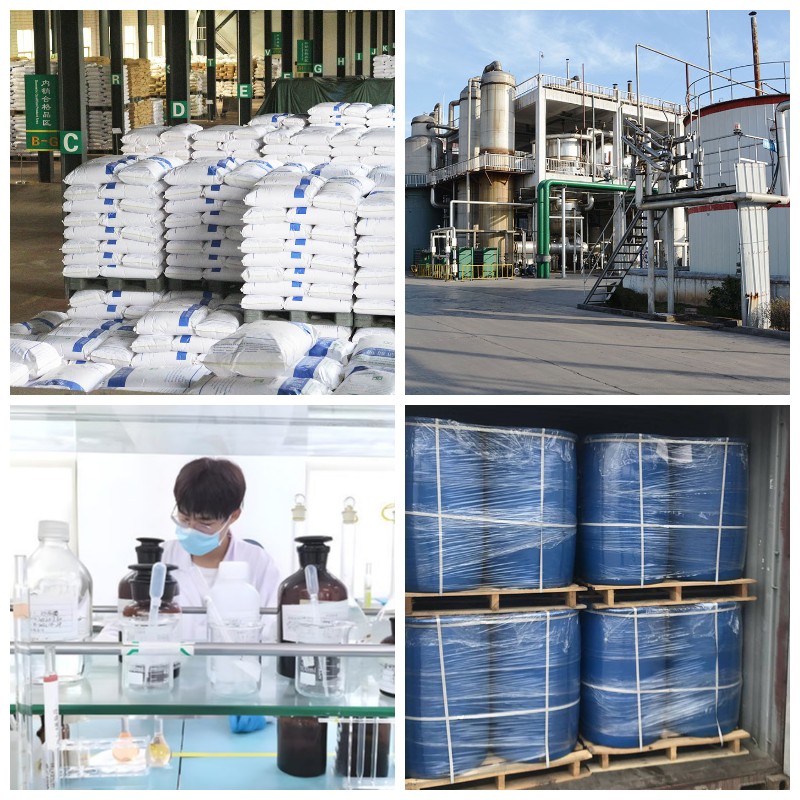
Fast delivery time
Inventory 2-3 working days New production 7-10 working days