Español
 العربية
 Francés
 Русский
 Português
 Deutsch
 Italiano
 Kazakh
 Uzbek
Uzbek

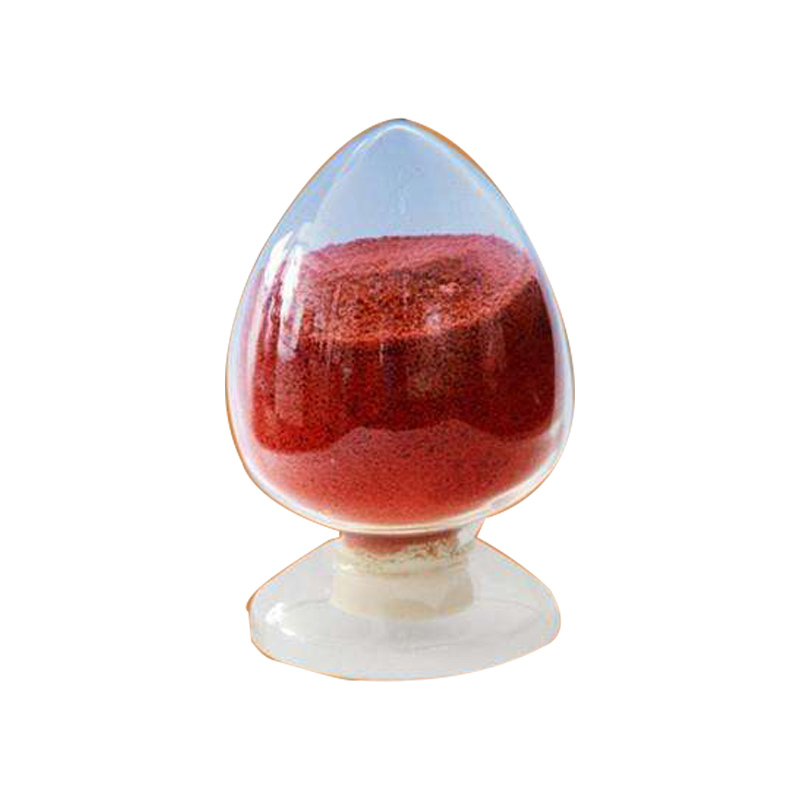
Bilirubin CAS#635-65-4
CAS Number: 635-65-4
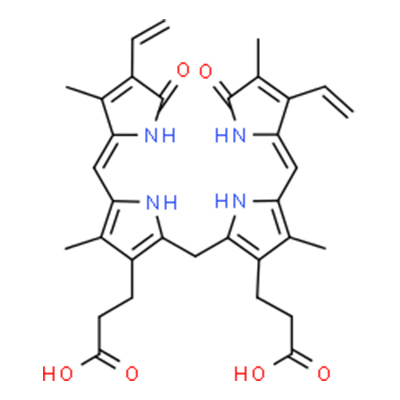
Chemical Formula: C33H36N4O6
Synonyms:
(Z,Z)-Bilirubin
Biline-8,12-dipropionic acid, 1,10,19,22,23,24-hexahydro-2,7,13,17-tetramethyl-1,19-dioxo-3,18-divinyl-
Cholerythrin
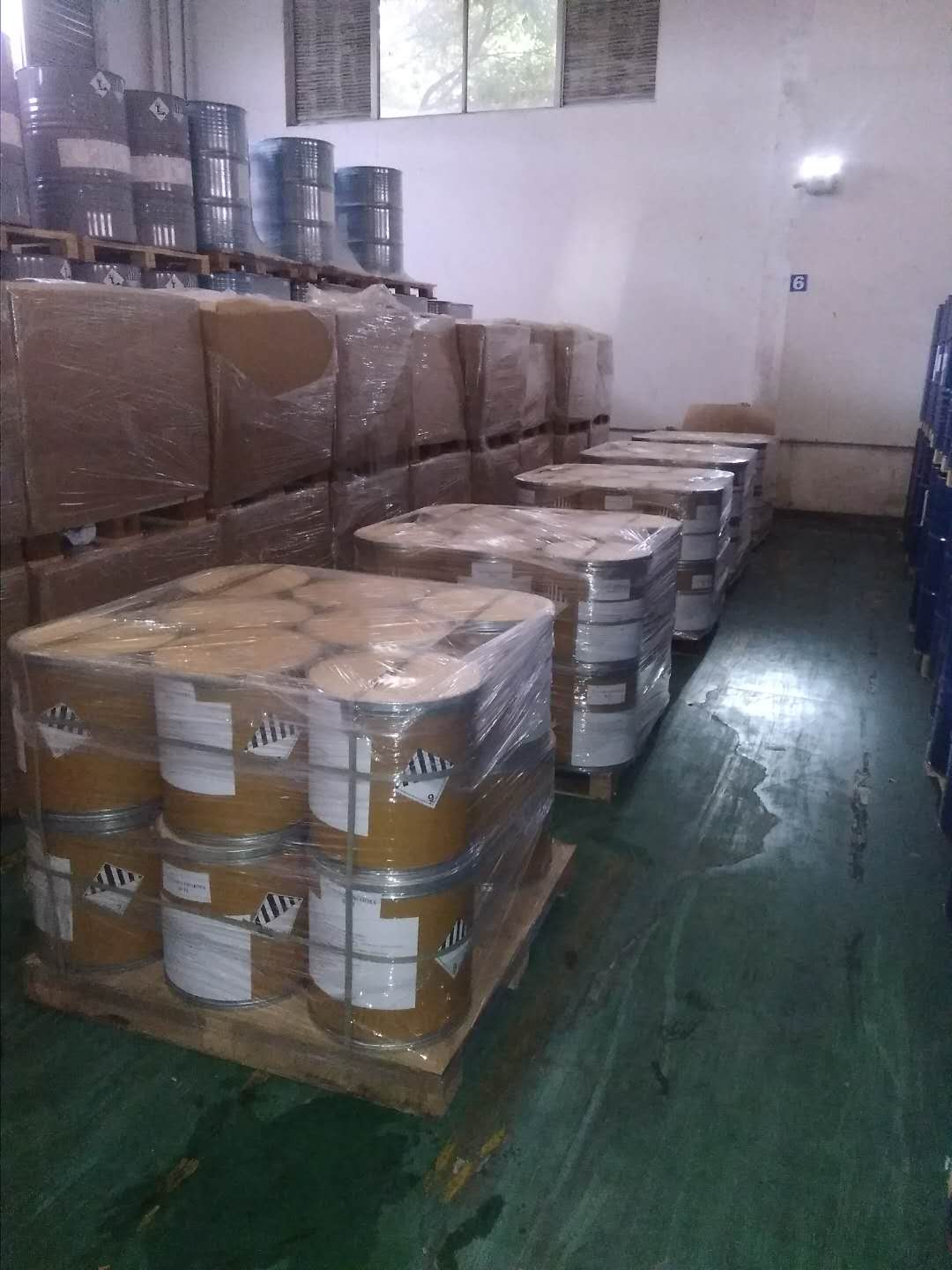
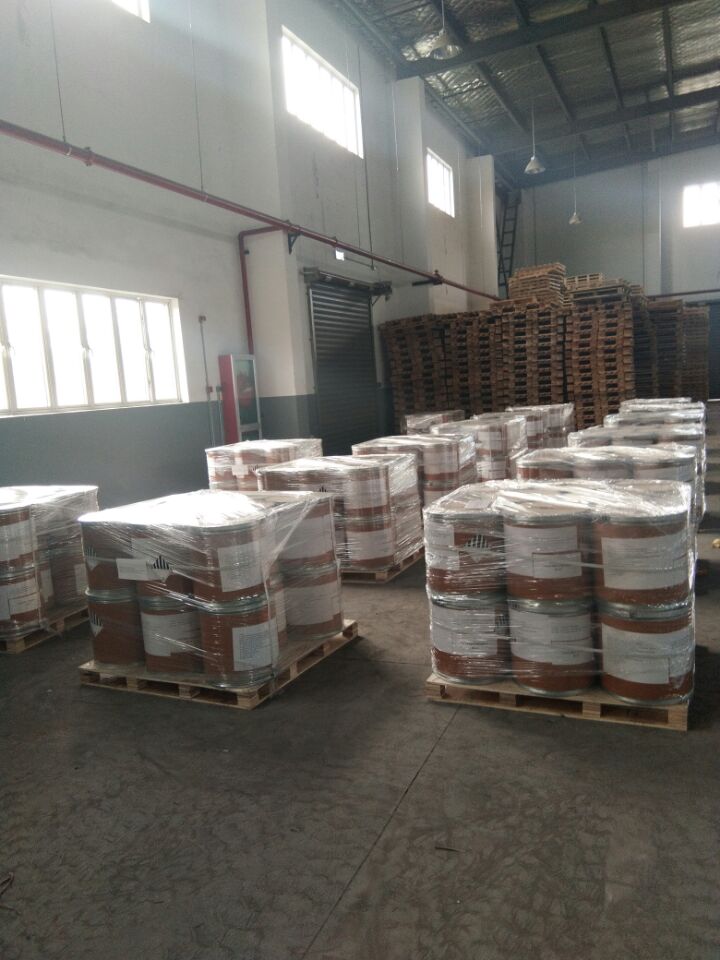
MOQ (Minimum Order Quantity): 1 FCL (Full Container Load)
Appearance: Orange Red Powder
Bilirubin CAS#635-65-4
Bilirubin is a yellow breakdown product of heme catabolism, formed when heme is cleaved by heme oxygenase. This reaction produces carbon monoxide and biliverdin, which is rapidly reduced to bilirubin by biliverdin reductase. Bilirubin has key roles as a free radical scavenger with antioxidant and anti-inflammatory actions. Free and albumin-bound bilirubin can also scavenge nitric oxide (NO) and NO-related species. Unconjugated bilirubin is highly water-insoluble and must be conjugated with glucuronides to become water soluble and subsequently excreted by the liver and kidney.
Bilirubin Chemical Properties |
Melting point | 192 °C |
Boiling point | 641.7°C (rough estimate) |
density | 1.2163 (rough estimate) |
refractive index | 1.6000 (estimate) |
storage temp. | -20°C |
solubility | aqueous acid: soluble |
form | powder |
pKa | 4.62±0.10(Predicted) |
color | orange |
Water Solubility | practically insoluble |
Sensitive | Light Sensitive |
Merck | 14,1218 |
BRN | 74376 |
Stability: | Stable. Refrigerate. |
Cosmetics Ingredients Functions | CHELATING |
InChIKey | BPYKTIZUTYGOLE-IFADSCNNSA-N |
SMILES | CC1=C(C=C)\C(NC1=O)=C\c2[nH]c(Cc3[nH]c(\C=C4/NC(=O)C(C=C)=C4C)c(C)c3CCC(O)=O)c(CCC(O)=O)c2C |
EPA Substance Registry System | Bilirubin (635-65-4) |
Safety Information |
Hazard Codes | Xn |
Risk Statements | 62-36/37/38-20/21/22 |
Safety Statements | 22-24/25-36-26 |
WGK Germany | 2 |
RTECS | DU3038000 |
F | 8 |
TSCA | TSCA listed |
HS Code | 29339990 |
Storage Class | 11 - Combustible Solids |
Product Application Of Bilirubin CAS#635-65-4
Bilirubin is widely utilized to monitor the liver function and their disease, such as hepatitis or cirrhosis; or the effects of medicines which are damage the liver. It acts as a pigment in certain algae to capture light energy. Its double bonds are isomerizes in the presence of light, which is employed in phototherapy of jaundiced newborns babies. It is used to detect the blocking in bile ducts.
Fact Factory and Equipment Show
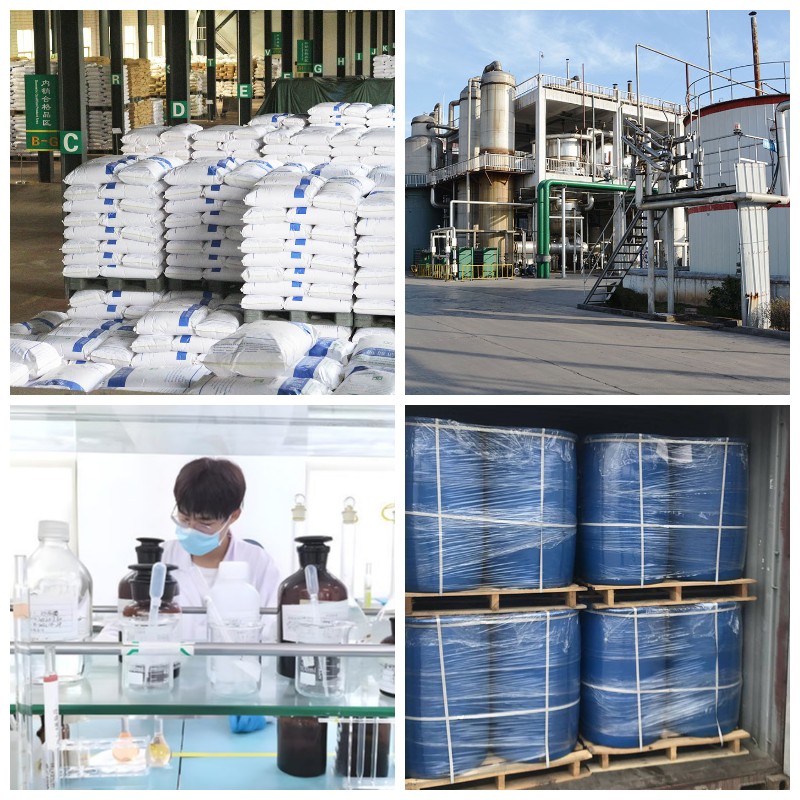
Fast delivery time
Inventory 2-3 working days New production 7-10 working days