Español
 العربية
 Francés
 Русский
 Português
 Deutsch
 Italiano
 Kazakh
 Uzbek
Uzbek

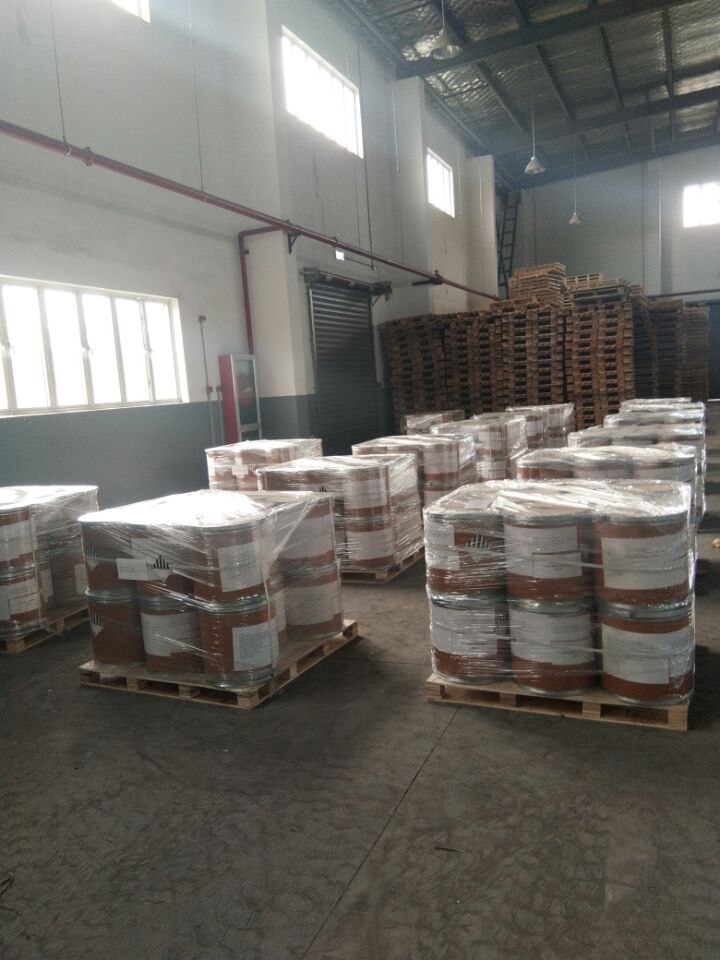
p-Phenylenediamine CAS#106-50-3
CAS Number: 106-50-3
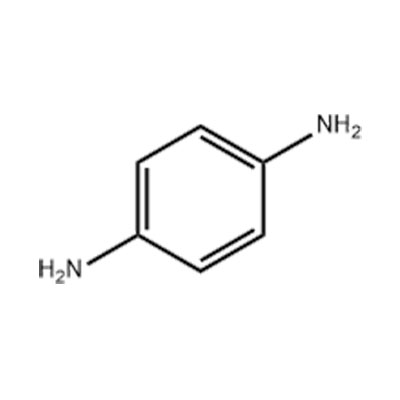
Chemical Formula: C6H8N2
Synonyms:
JAROCOL PPD
fur black 41866
C.I. 76060
MOQ (Minimum Order Quantity): 1 FCL (Full Container Load)
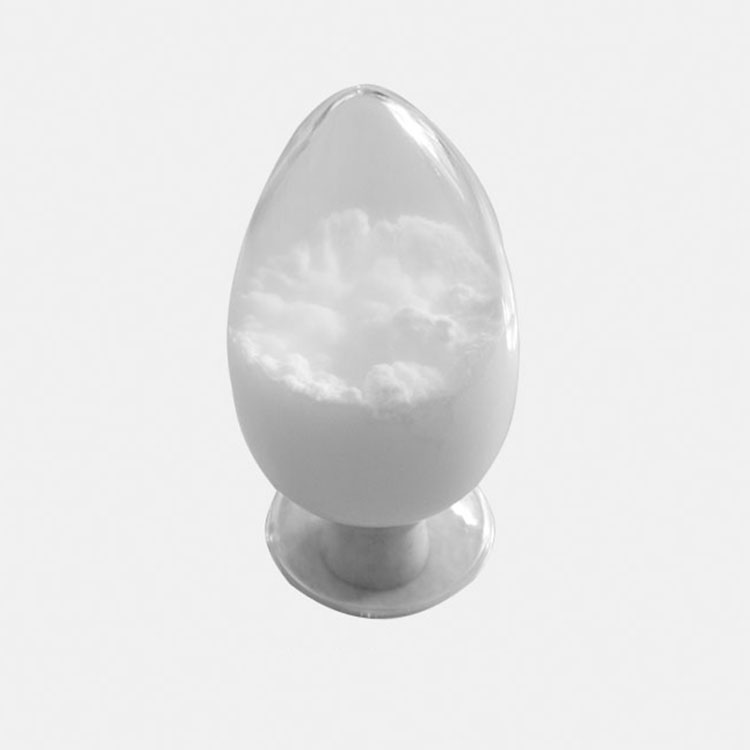
Appearance: White Powder
p-Phenylenediamine CAS#106-50-3
P-phenylenediamine is one of the simplest aromatic diamine with the pure product being white to purple red crystals. It turns purple or dark brown color when being exposed to the air. It is slightly soluble in cold water, soluble in alcohol, ether, chloroform and benzene. It can be used for making azo dyes, high-molecule polymers and can also be used for the production of fur dyes, rubber antioxidants and photo developer and is mainly used for Kevlar, azo dyes, sulfur dyes, acid dyes as well as being used for the production of black fur D, black fur DB, brown fur N2 as well as rubber antioxidant DNP, DOP and MB. It can also be used as the raw material of cosmetic hair p-Phenylenediamine series, gasoline polymerization inhibitor and developer. P-phenylenediamine, as a chemical dye, is currently permitted for use in hair dye production, but there is a clear usage limits. According to China "Hygienic Standard for Cosmetics," the content of p-phenylenediamine in hair dyes should not exceed 6%. According to the introduction of experts, although five kinds of "Yixihei" shampoo have their p-phenylenediamine content being within 1.1% to 1.4%. However, the shampoo has high frequency of usage with long-term accumulation being prone to pose a threat to the health and safety of consumers. There is still no literatures regarding to whether phenylenediamine is carcinogenic or not; but there is literature basis regarding to that p-phenylenediamine drug is toxic organic. We can refer to Shanghai Science and technology press (November 1985) "reagent Handbook" (second edition), page 980. Overseas research has shown that for population being subject to frequent hair dying has the incidence of breast cancer, skin cancer and leukemia increased. In addition, p-phenylenediamine is also a common sensitive reagent for testing iron and copper. In the international arena, it is also used for aircraft coatings, bullet-proof clothing intima and walls paint.
p-Phenylenediamine Chemical Properties |
Melting point | 138-143 °C (lit.) |
Boiling point | 267 °C (lit.) |
bulk density | 600kg/m3 |
density | 1.135 g/cm3 (20℃) |
vapor density | 3.7 (vs air) |
vapor pressure | 1.08 mm Hg ( 100 °C) |
refractive index | 1.6339 (estimate) |
Fp | 156 °C |
storage temp. | Store below +30°C. |
solubility | Soluble in alcohol, chloroform, ether and hot benzene. |
pka | 4.17(at 25℃) |
form | Powder or Flakes |
Colour Index | 76060 |
color | White, gray, or purple to brown |
PH | 9 (50g/l, H2O, 20℃) |
PH Range | NonQ uorescence (3.1) to orange/yellow Q uorescence (4.4) |
Water Solubility | 47 g/L (25 ºC) |
Merck | 14,7285 |
BRN | 742029 |
Exposure limits | TLV-TWA 0.1 mg/m3 (ACGIH 1989); TWA skin 0.1 mg/m3 (MSHA and OSHA); IDLH 25 mg/m3 (NIOSH); carcinogenicity: Animal Inadequate Evidence (IARC). . |
Stability: | Stable, but oxidizes when exposed to air. Incompatible with oxidizing agents. Store under inert atmosphere. |
Major Application | Nanoparticles, liquid crystal displays, chemical mechanical polishing, bottom antireflective coatings, electrochromic materials, inks, rubber, hair dyes, cosmetics, treatment of virus skin infection |
Cosmetics Ingredients Functions | HAIR DYEING |
InChI | 1S/C6H8N2/c7-5-1-2-6(8)4-3-5/h1-4H,7-8H2 |
InChIKey | CBCKQZAAMUWICA-UHFFFAOYSA-N |
SMILES | Nc1ccc(N)cc1 |
LogP | -0.84 at 20℃ |
CAS DataBase Reference | 106-50-3(CAS DataBase Reference) |
IARC | 3 (Vol. 16, Sup 7) 1987 |
NIST Chemistry Reference | 1,4-Benzenediamine(106-50-3) |
EPA Substance Registry System | p-Phenylenediamine (106-50-3) |
Safety Information |
Hazard Codes | T,N,T+,Xn |
Risk Statements | 23/24/25-36-43-50/53-63-36/37/38-45-40-48/22-67-52/53 |
Safety Statements | 28-36/37-45-60-61-28A-24/25-23-53-26 |
RIDADR | UN 1673 6.1/PG 3 |
OEB | D |
OEL | TWA: 0.1 mg/m3 [skin] |
WGK Germany | 3 |
RTECS | SS8050000 |
F | 8-10-23 |
Autoignition Temperature | 567 °C |
TSCA | TSCA listed |
HazardClass | 6.1 |
PackingGroup | III |
HS Code | 29215119 |
Storage Class | 6.1C - Combustible acute toxic Cat.3 |
Hazard Classifications | Acute Tox. 3 Dermal |
Hazardous Substances Data | 106-50-3(Hazardous Substances Data) |
Toxicity | LD50 in rats (mg/kg): 80 orally, 37 i.p. (Burnett) |
IDLA | 25 mg/m3 |
Product Application Of p-Phenylenediamine CAS#106-50-3
4-Phenylenediamine is an azo-dye intermediate; photographic-developing agent; photo-chemical measurements; intermediate in manufacture of antioxidants and accelerators for rubber; laboratory reagent; dye for hair and fur; lithography; photocopying; oils; greases; gasoline; antioxidant/accelerator in the rubber and plastic industry; the hydrochloride is used as blood reagent. |
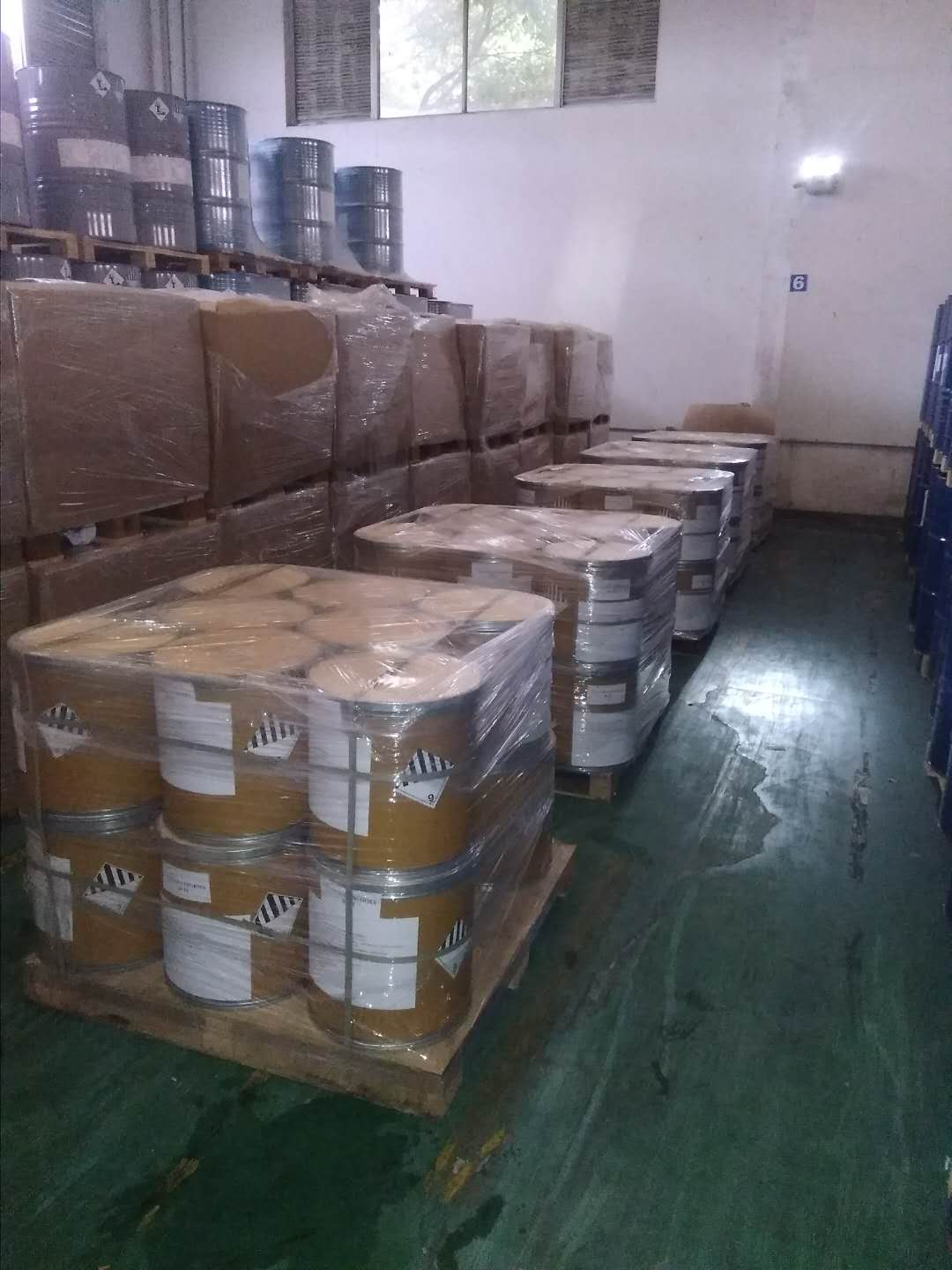
Fact Factory and Equipment Show
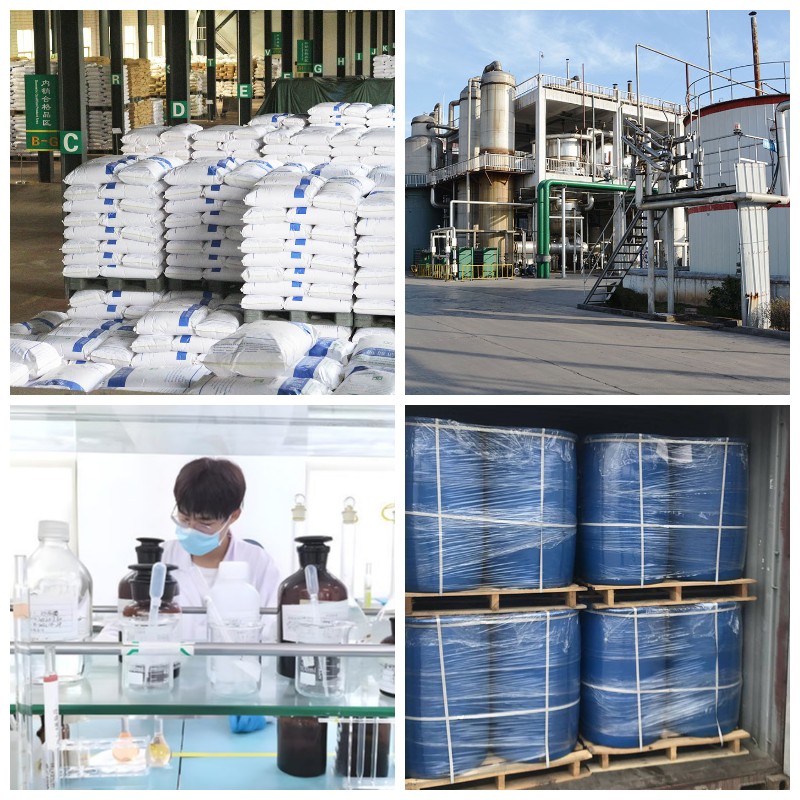
Fast delivery time
Inventory 2-3 working days New production 7-10 working days