Español
 العربية
 Francés
 Русский
 Português
 Deutsch
 Italiano
 Kazakh
 Uzbek
Uzbek

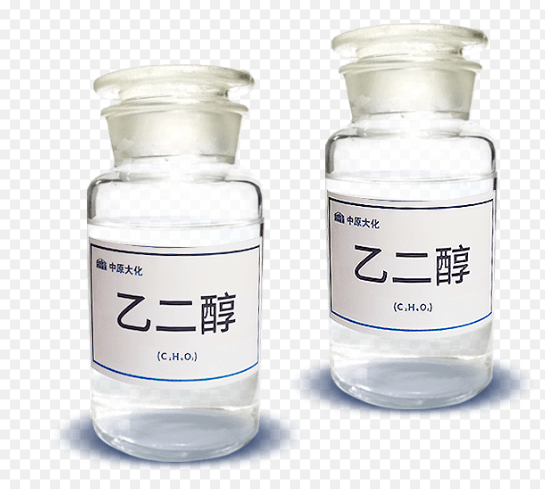
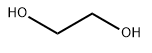
Ethylene glycol CAS#107-21-1
CAS Number: 107-21-1
Chemical Formula: C2H6O2
Synonyms:
2-Hydroxyethanol
Aliphatic diol
Athylenglykol
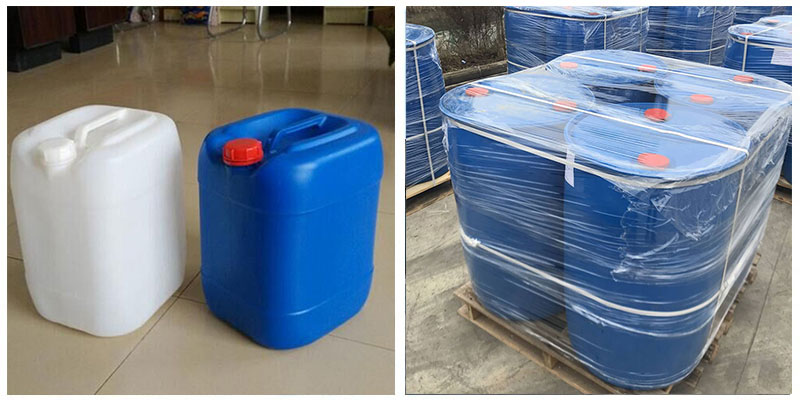
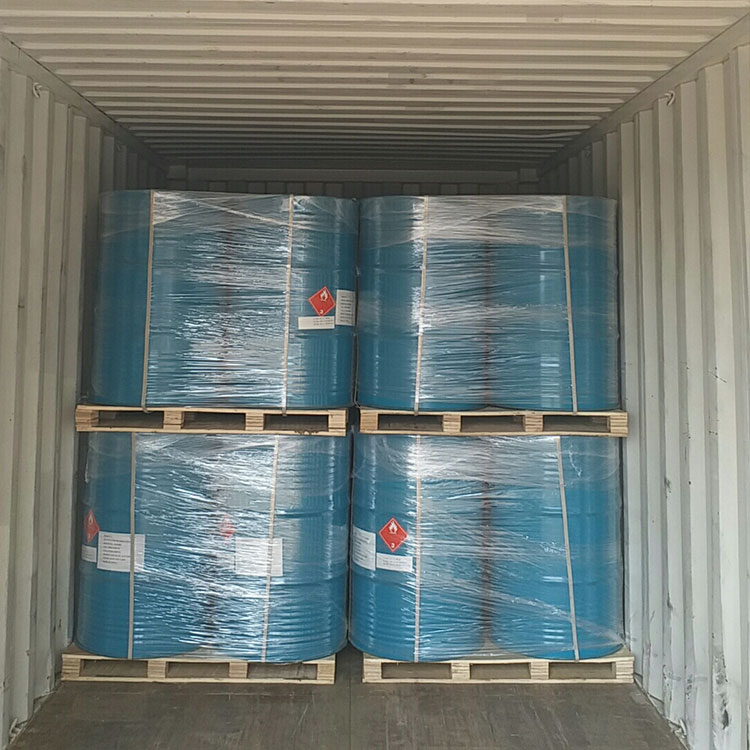
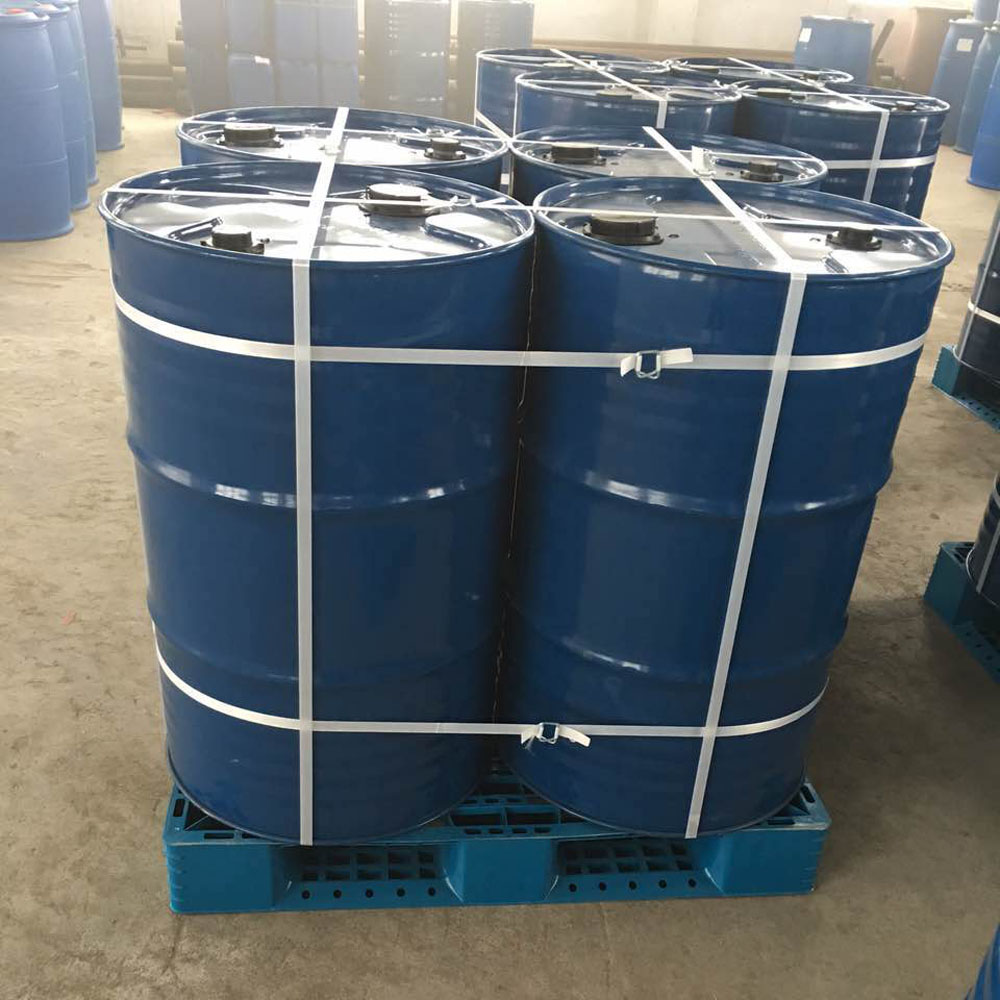
MOQ (Minimum Order Quantity): 1 FCL (Full Container Load)
Appearance: Transperant Liquid
Ethylene glycol CAS#107-21-1
| Ethylene glycol was first synthesized in 1859; however, it did not become a public health concern until after World War II. In fact, the first published series of deaths from ethylene glycol consumption involved 18 soldiers who drank antifreeze as a substitute for ethanol. Despite the early recognition that patients who drank ethanol in addition to ethylene glycol had prolonged survival when compared to those drinking ethylene glycol alone, antidotal treatment of ethylene glycol toxicity with ethanol was not evaluated until the 1960s. Today, ethylene glycol poisoning continues to be a public health problem, particularly in the southeastern United States. In 2009, US poison control centers received 5282 calls about possible ethylene glycol exposures, and the toxicology community believes these exposures are underreported. |
| Ethylene glycol Chemical Properties |
| Melting point | -13 °C (lit.) |
| Boiling point | 195-198 °C |
| density | 1.113 g/mL at 25 °C (lit.) |
| vapor density | 2.1 (vs air) |
| vapor pressure | 0.08 mm Hg ( 20 °C) |
| refractive index | n |
| Fp | 230 °F |
| storage temp. | 2-8°C |
| solubility | water: miscible |
| form | Viscous Liquid |
| pka | 14.22(at 25℃) |
| color | blue |
| Odor | Odorless |
| PH | 6-7.5 (100g/l, H2O, 20℃) |
| Relative polarity | 0.79 |
| explosive limit | 3.2%(V) |
| Water Solubility | miscible |
| FreezingPoint | -11.5℃ |
| λmax | λ: 260 nm Amax: ≤0.03 λ: 280 nm Amax: ≤0.01 |
| Sensitive | Hygroscopic |
| Merck | 14,3798 |
| BRN | 505945 |
| Exposure limits | Ceiling limit in air for vapor and mist 50 ppm (~125 mg/m3) (ACGIH); TWA 10 mg/m3 (particulates) (MSHA). |
| Dielectric constant | 37.0(20℃) |
| Cosmetics Ingredients Functions | HUMECTANT SOLVENT VISCOSITY CONTROLLING |
| InChI | 1S/C2H6O2/c3-1-2-4/h3-4H,1-2H2 |
| InChIKey | LYCAIKOWRPUZTN-UHFFFAOYSA-N |
| SMILES | OCCO |
| LogP | -1.36 at 25℃ |
| Surface tension | 47.7mN/m at 20°C |
| CAS DataBase Reference | 107-21-1(CAS DataBase Reference) |
| NIST Chemistry Reference | 1,2-Ethanediol(107-21-1) |
| EPA Substance Registry System | Ethylene glycol (107-21-1) |
| Safety Information |
| Hazard Codes | Xn |
| Risk Statements | 22-36-41 |
| Safety Statements | 26-39-36/37/39 |
| RIDADR | UN3082 |
| WGK Germany | 3 |
| RTECS | KW2975000 |
| Autoignition Temperature | 752 °F |
| TSCA | TSCA listed |
| HazardClass | 9 |
| HS Code | 29053100 |
| Storage Class | 10 - Combustible liquids |
| Hazard Classifications | Acute Tox. 4 Oral STOT RE 2 Oral |
| Hazardous Substances Data | 107-21-1(Hazardous Substances Data) |
| Toxicity | LD50 in rats, guinea pigs (g/kg): 8.54, 6.61 orally (Smyth); in mice (ml/kg): 13.79 orally (Bornmann) |
Product Application Of Ethylene glycol CAS#107-21-1
Antifreeze in cooling and heating systems. In hydraulic brake fluids and de-icing solutions. Industrial humectant. Ingredient of electrolytic condensers (where it serves as solvent for boric acid and borates). Solvent in the paint and plastics industries. In the formulation of printers' inks, stamp pad inks, ball-point pen ink. Softening agent for cellophane. Stabilizer for soybean foam used to extinguish oil and gasoline fires. In the synthesis of safety explosives, glyoxal, unsatd ester type alkyd resins, plasticizers, elastomers, synthetic fibers (Terylene, Dacron), and synthetic waxes. To create artificial smoke and mist for theatrical uses.
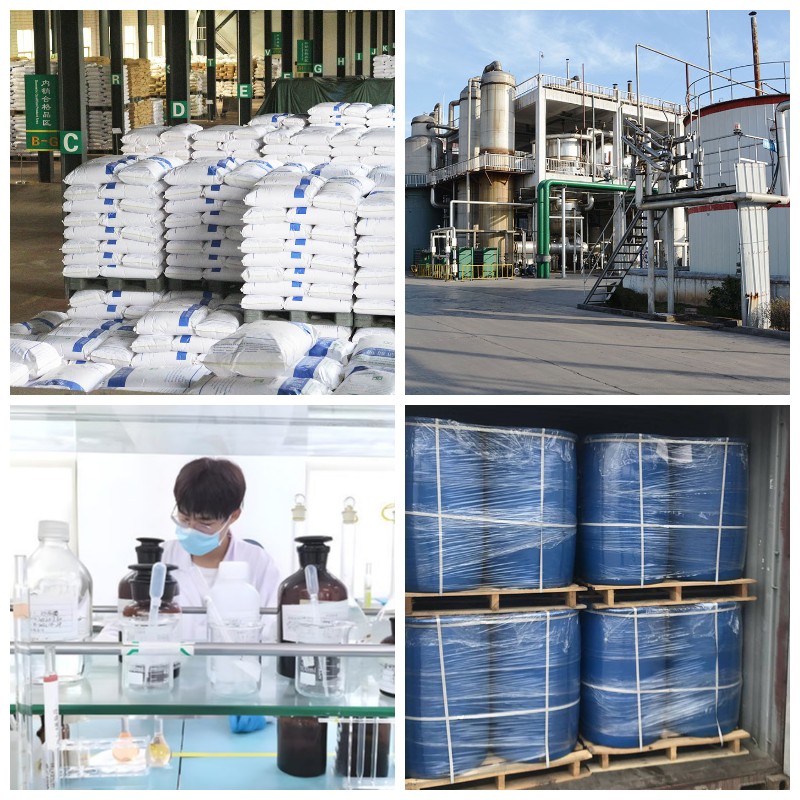
Factory and Equipment Show
Fast delivery time
Inventory 2-3 working days New production 7-10 working days