Español
 العربية
 Francés
 Русский
 Português
 Deutsch
 Italiano
 Kazakh
 Uzbek
Uzbek

Polyethylene Glycol (PEG) Market Surges at 6.1% CAGR: Fueled by Medical Innovations and Sustainable Shifts
The global polyethylene glycol (PEG) market is experiencing robust growth, with its size estimated at USD 4.20 billion in 2025 and projected to reach USD 7.14 billion by 2034 at a CAGR of 6.1% . This expansion is driven by its versatile applications across pharmaceuticals, personal care, and industrial sectors, alongside breakthroughs in medical technologies and a accelerating shift toward sustainable production. Regulatory updates worldwide and advancements in biodegradability research further shape the industry’s trajectory, solidifying PEG’s role as a critical material in diverse value chains .
1. Market Overview: Steady Growth Across Regions
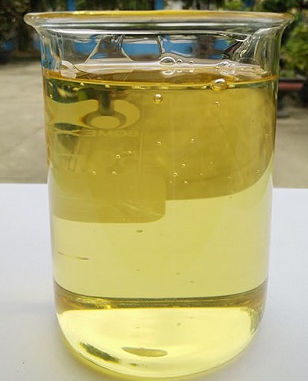
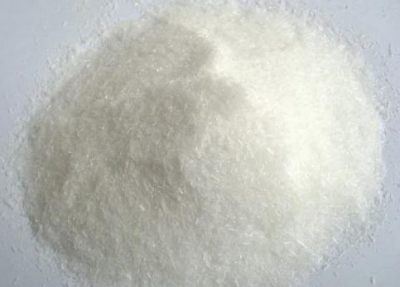
Geographically, the Asia-Pacific region leads the market, with its size growing from USD 1.87 billion in 2024 to an expected USD 3.37 billion by 2034 . North America follows, valued at USD 1.05 billion in 2024 and projected to hit USD 1.88 billion by 2034, while Europe’s market is set to surpass USD 1.29 billion in the same period . The demand spans multiple grades—industrial, cosmetic, and food grade—and forms, including liquids, white wax solids, and powders, catering to needs from pharmaceutical packaging to textile finishing . A key driver is PEG’s replacement of hazardous chemicals in sustainable formulations, pushed by ESG commitments and consumer pressure .
2. Medical Breakthroughs: Expanding Therapeutic Roles
2025 has seen significant advancements in PEG’s medical applications. The U.S. FDA approved the Embrace Hydrogel Embolic System, a PEG-based liquid embolic agent for hypervascular tumors, marking the first such approval backed by a randomized controlled trial . The system achieved an 88.6% technical success rate and 99% freedom from major adverse events at 30 days, leveraging PEG’s biocompatibility for deep vascular penetration . In China, Pegylated drug Peijin® (Toupeifeigesting Injection) secured 医保续约,featuring a unique 40kD Y-type PEG modification that reduces dosage and bone pain risks for chemotherapy patients . These developments underscore PEG’s pivotal role in advanced drug delivery and interventional oncology .
3. Sustainability Drive: Bio-Based Production and Degradability
The industry is making strides in addressing environmental concerns surrounding PEG. Manufacturers are investing in bio-based PEG derivatives to replace petroleum-derived feedstocks, aligning with global decarbonization goals . Innovations include green preparation of PEGA resins using silicone oil as a recyclable suspension medium, minimizing waste in peptide synthesis applications . A 2025 study in Environmental Science & Technology further demonstrated that photochemical chain scissions enhance PEG’s biodegradability in soil and sediment, addressing concerns about its environmental fate . These advancements balance performance with ecological responsibility .
4. Regulatory Updates: Navigating Classification Changes
2025 brings critical regulatory shifts for PEG trade. The Gulf Cooperation Council (GCC) has introduced new 12-digit HS codes for PEG, while the EU updated its Combined Nomenclature classifications . In the U.S., changes to de minimis thresholds after August 29, 2025, impact small PEG shipments . These updates emphasize precise classification by molecular weight—especially for ultra-high molecular weight PEG used in medical devices—to ensure compliance, avoid penalties, and optimize tariff costs . Regulatory bodies worldwide continue to recognize PEG’s low toxicity, supporting its use in biomedical applications while refining trade oversight .
- Previous : Parallel Paths of Closed-Loop Technology and Green Alternatives: Industrial-Grade Perchloroethylene Achieves Ultra-Low Residual Mass Production, Earns Sustainable Chemical Certification
- Next : Bio-Based Acetic Acid Achieves 10,000-Ton Industrial Breakthrough, Gains ISCC PLUS Certification, Offering New Low-Carbon Feedstock Option for PTA and Vinyl Acetate Chains