Español
 العربية
 Francés
 Русский
 Português
 Deutsch
 Italiano
 Kazakh
 Uzbek
Uzbek

Global Ammonium Chloride Market 2024: Steady Growth Fueled by Agricultural Demand and Industrial Application Expansion
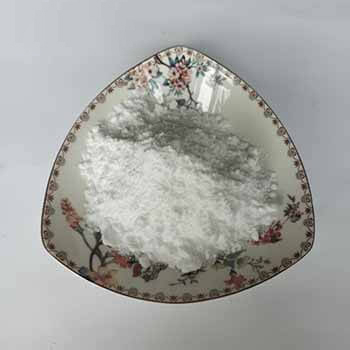
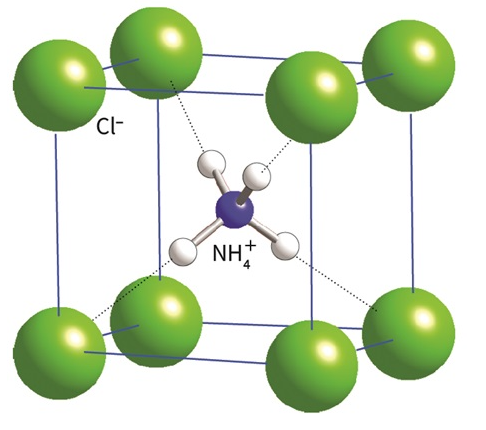
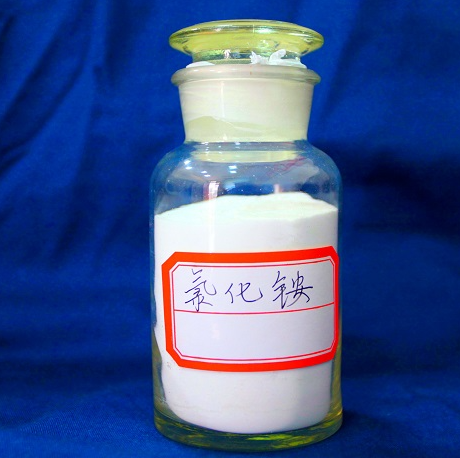
General Overview: Ammonium chloride (chemical formula: NH₄Cl), an inorganic compound commonly known as "sal ammoniac," is a white crystalline powder with wide-ranging uses across agriculture, industry, and pharmaceuticals. In 2024, the global ammonium chloride market maintains stable growth, driven by rising demand for high-efficiency nitrogen fertilizers in emerging economies and the expanding application of ammonium chloride in metal processing and lithium-ion battery manufacturing. This news analyzes the market’s latest dynamics from five core perspectives to present a comprehensive picture of the industry.
1. Market Size and Regional Distribution: Asia Leads as the Core Demand Hub
According to the latest report from Grand View Research, the global ammonium chloride market was valued at approximately USD 2.8 billion in 2023 and is projected to grow at a compound annual growth rate (CAGR) of 4.2% from 2024 to 2030. Regional demand shows significant differentiation, with Asia dominating due to its large-scale agricultural sector.
2. Core Application Fields: Agriculture Remains Dominant, Industrial Use Expands
Ammonium chloride’s applications are highly segmented, with agriculture and industry accounting for over 90% of total consumption.
3. Production and Supply Chain: China Leads Global Output, Raw Material Costs Impact Margins
Global ammonium chloride production is highly concentrated, with China being the world’s largest producer, contributing over 70% of global output in 2023. The main production processes include the Solvay process (by-product of soda ash production) and the ammonia-salt acid neutralization process.
The supply chain is closely linked to raw material prices—ammonia and hydrochloric acid are the main inputs. In 2023, fluctuating natural gas prices (a key feedstock for ammonia production) led to a 5–8% increase in ammonium chloride production costs, pressuring manufacturers’ profit margins.
4. Policy and Environmental Impact: Fertilizer Regulation and Carbon Reduction Drive Industry Transformation
Government policies and environmental standards are key factors shaping the ammonium chloride industry.
5. Future Trends and Challenges: Technological Innovation to Address Growth Pains
The ammonium chloride industry faces both growth opportunities and challenges in the next five years.
Major challenges:
- Previous : New Pathway for Green Hydrogen Economy: Commercial-Scale Production of Renewable Formic Acid Achieved, ISCC PLUS Certification Offers Low-Carbon Solution for Hydrogen Storage & Feed Preservation
- Next : Bio-Based Acetic Acid Achieves 10,000-Ton Industrial Breakthrough, Gains ISCC PLUS Certification, Offering New Low-Carbon Feedstock Option for PTA and Vinyl Acetate Chains